
Orthopedics
Types of Bone Fractures According to Fracture Displacement, Pattern, Causative Force and MORE
Source presentation · 2 min read
Edits save on this browser. Download a copy for your records.
According to extent of fracture line
- Complete fracture and incomplete fracture
- Complete fracture: The bone split into two fragments or more
- Incomplete fracture: incomplete split of the bone, periosteum remains continuous in part of the bone.
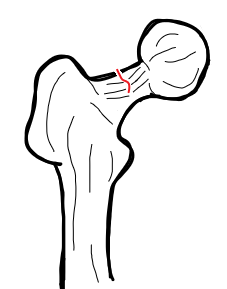
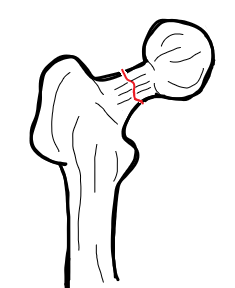
According to fracture displacement
- Undisplaced fracture: bone fragments still aligned and in their normal place
- Displaced fracture: bone fragments out of alignment and shifted from original position
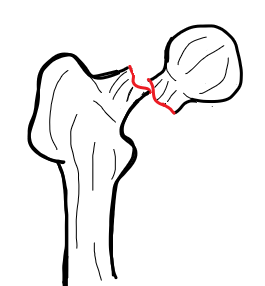
According to fracture pattern
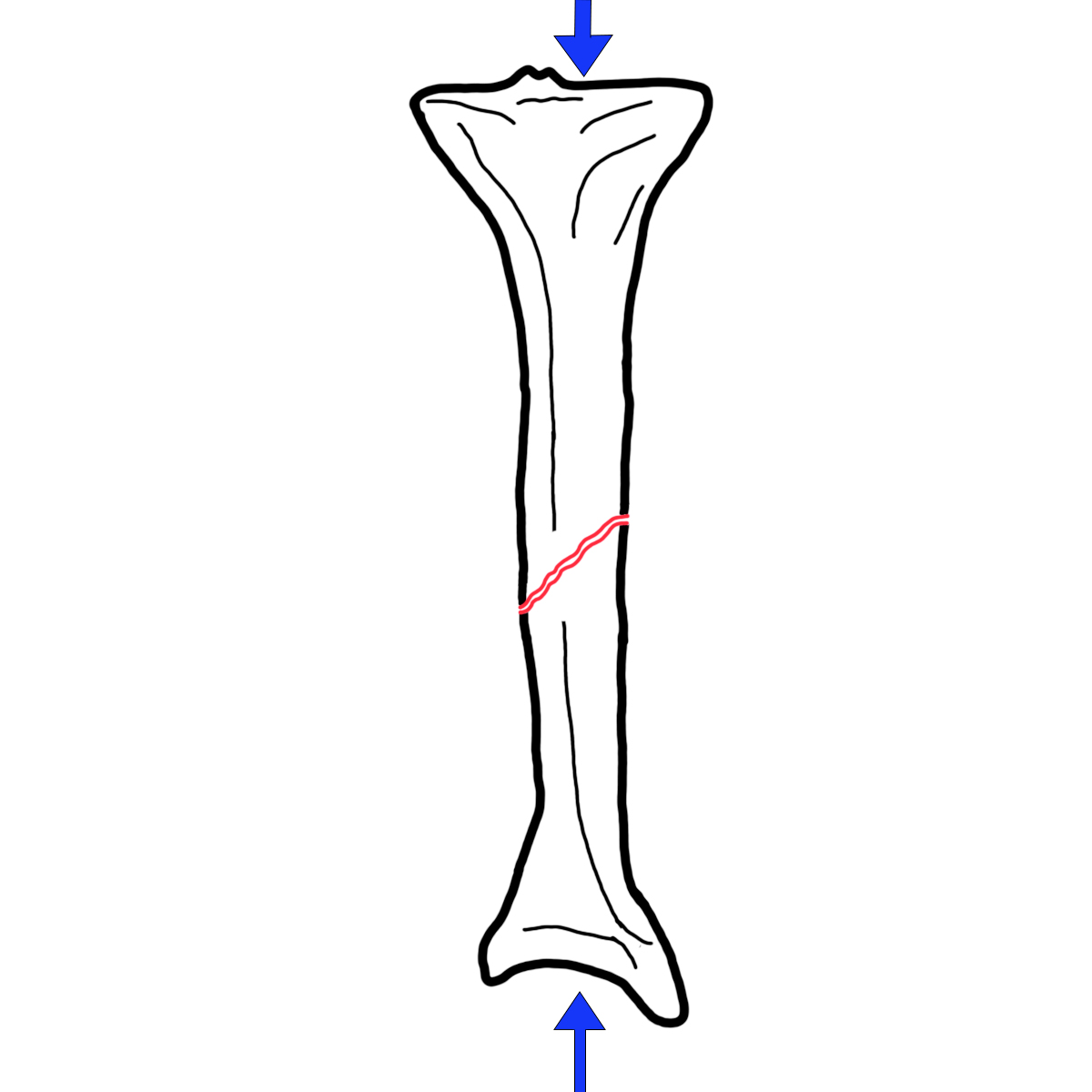
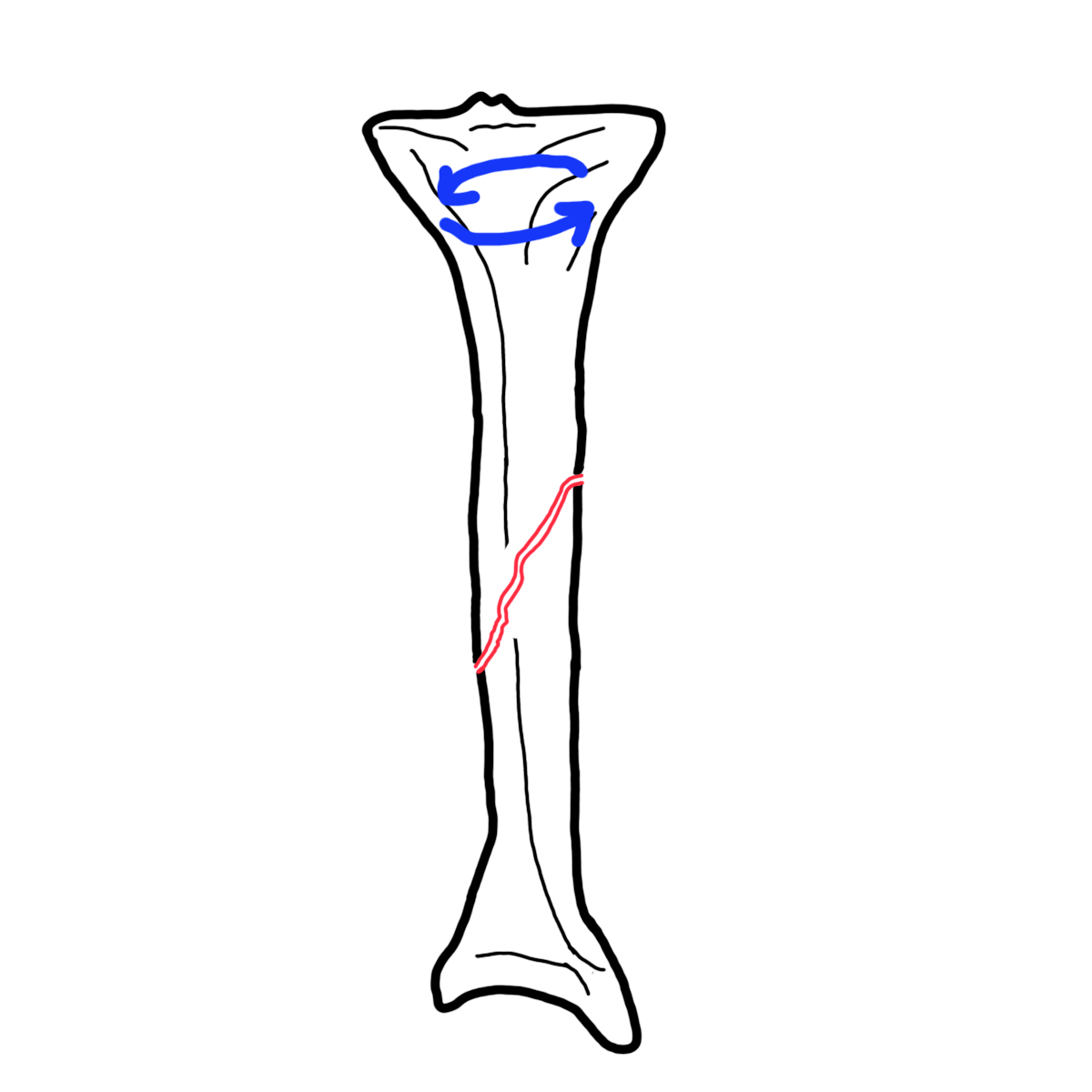
- Linear fracture: could be transverse, short oblique, long oblique (spiral)
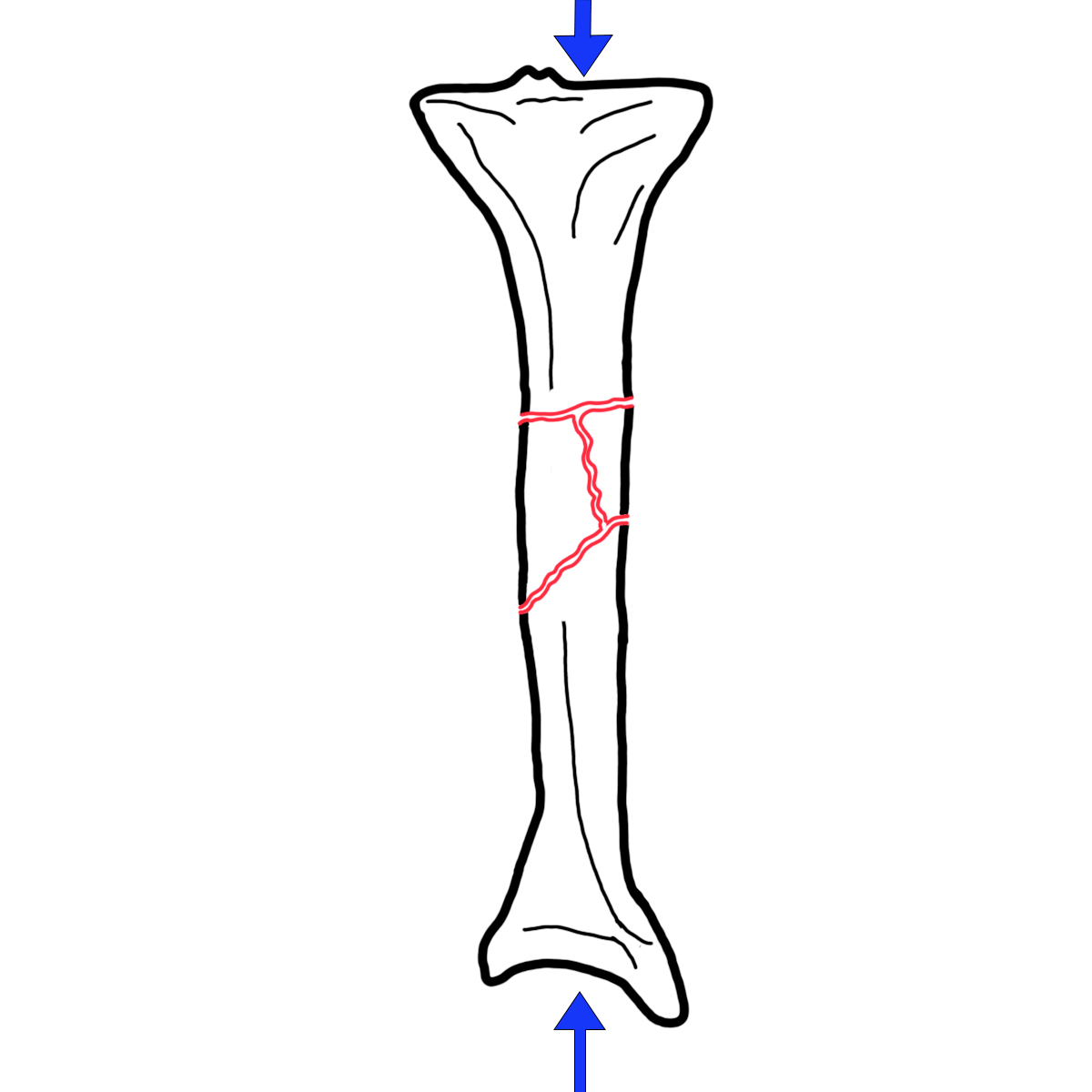
- Comminuted fracture: more than 2 fracture fragments
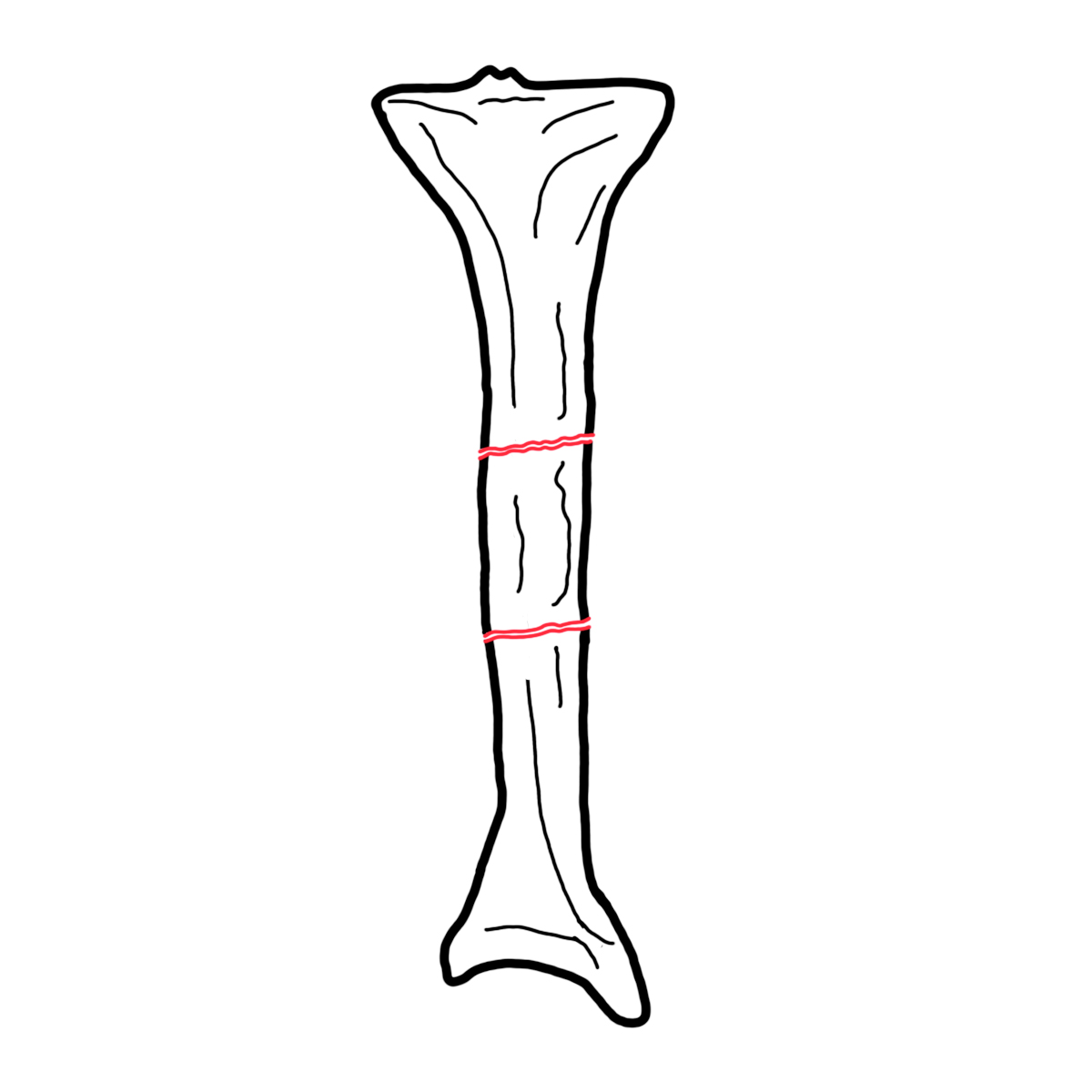
- Segmental fractures: fracture broken to segments, segments longer than fragment
- Bone loss: part of the bone or all of the bone is lost
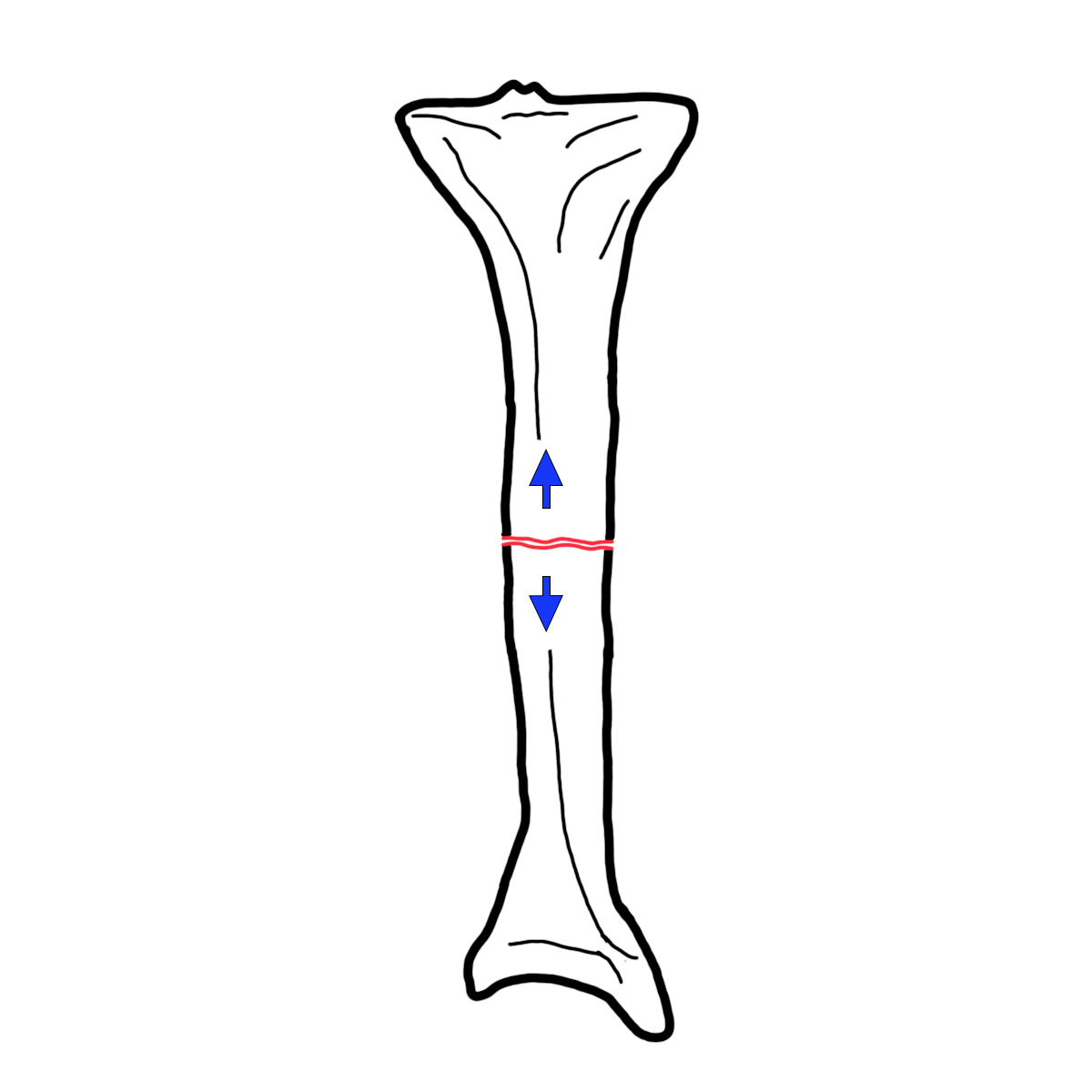
According to relation with external environment
- Closed fractures: overlying skin and soft tissue are intact
- Open fracture: overlying skin and soft tissue are injured making bone exposed to the external environment
- Internally open: sharp fractured bone pierces the skin to communicate with external environment
- Externally open: object from outside causing laceration to skin and soft tissue causing bone to get exposed
According to complexity of treatment
- Simple fracture: fracture in two pieces, requires reduction and casting (easy to treat)
- Complex fracture: fracture with multiple pieces (comminuted), requires surgery (harder to treat)
According to force causing the fracture
- High energy fracture: occur due to high impact force such as severe trauma, road traffic accidents and fall from height
- Low energy fracture: occur due to low impact force such as ground level falls
Continue learning
Practice the topics covered in this lecture.