
Clinical medicine
Hypertrophic Scar and Keloid Scar Explanation and Comparison
Source presentation · 2 min read
Edits save on this browser. Download a copy for your records.
Hypertrophic Scar vs Keloid
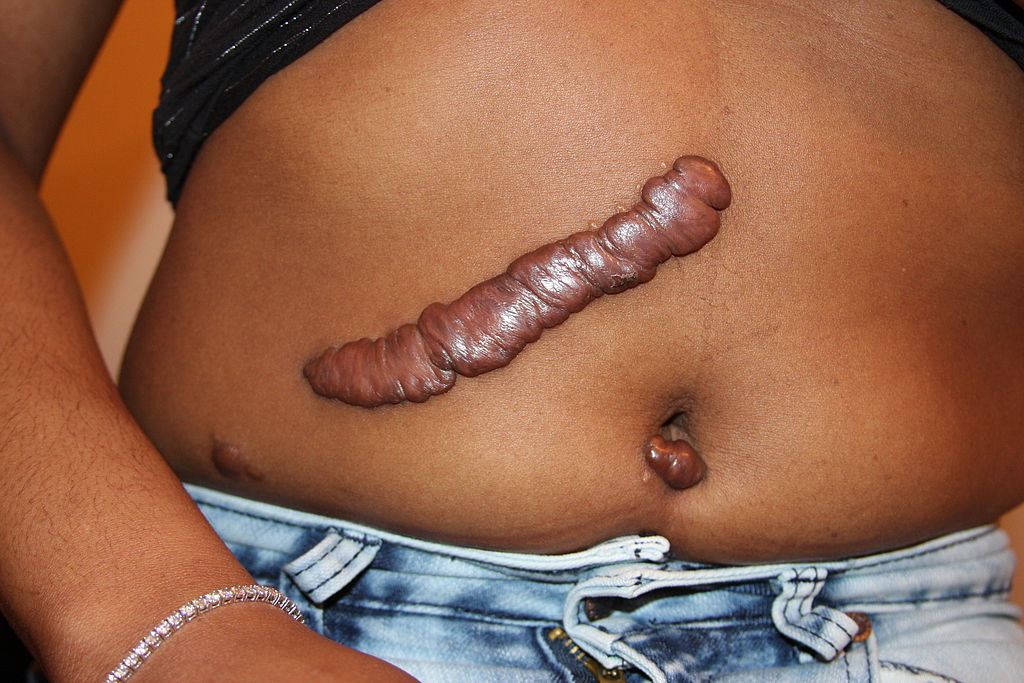
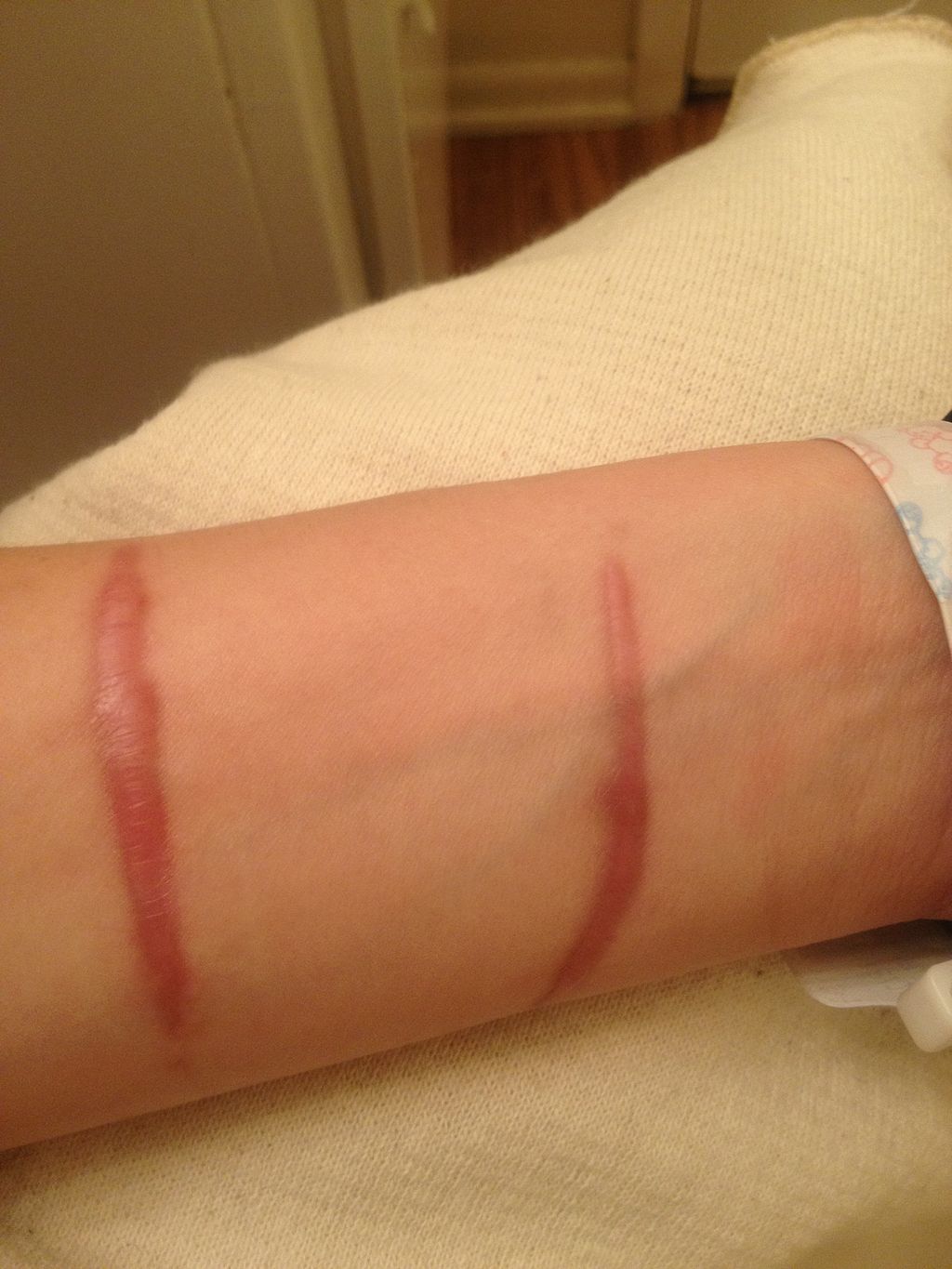
Overview
- Both of these scars form due to excess collagen deposition during wound healing
Hypertrophic scar
- Raised scar that don’t grow beyond the boundaries of the original wound
- Maybe associated with itchiness and pain
- Develops due to trauma, wounds …
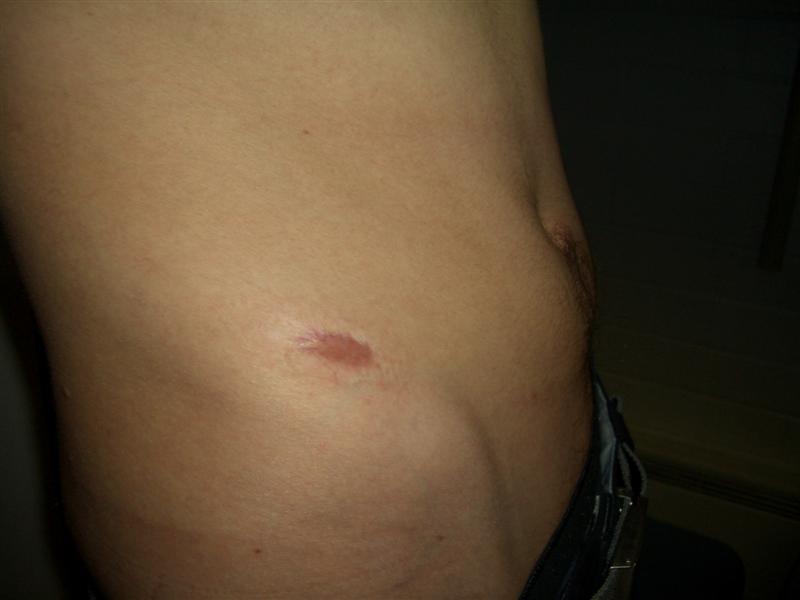
- Hypertrophic scar ranges in color from red to brown
- Develop 4 weeks after injury and continues to thicken for up to six months
- Often regresses in one or two years
- Tension and flexor areas and restrict movement if they are located near a joint
- Treatment using cryosurgery and silicon sheeting maybe helpful
Keloid scar
- Firm, rubbery lesions or shiny, fibrous nodules that can be sometimes itchy and painful
- Form because of injury or a wound and usually after 3 months to years of the initial insult, but sometimes arise spontaneously
- Autosomal dominant predisposition
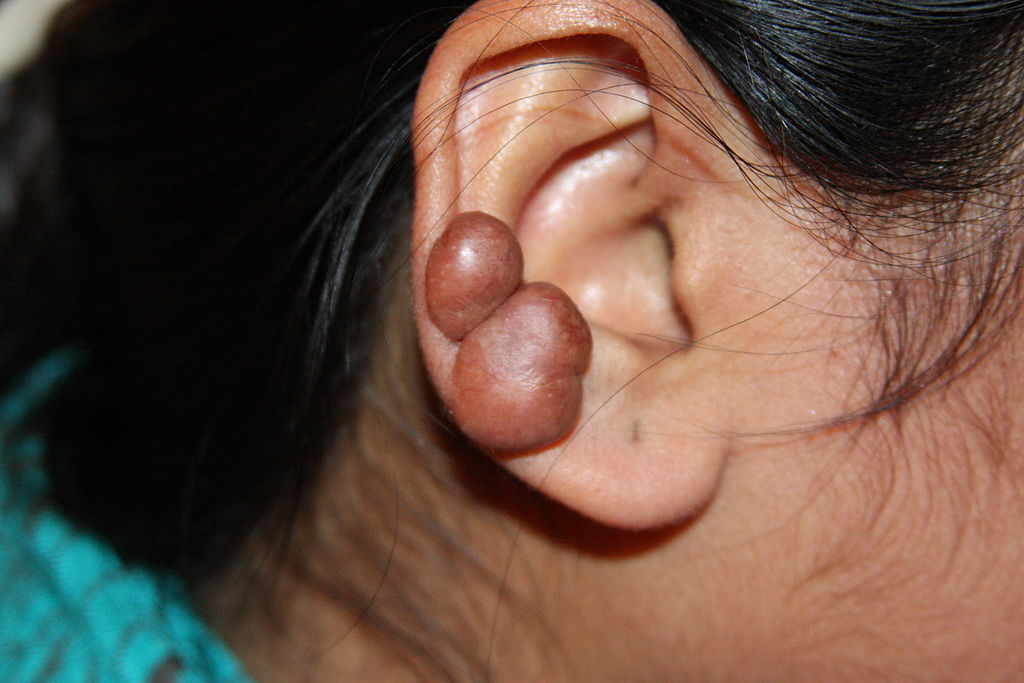
- They Extend beyond original wound
- Color vary from pink to dark brown
- Rarely regress spontaneously
- Keloid scar is benign
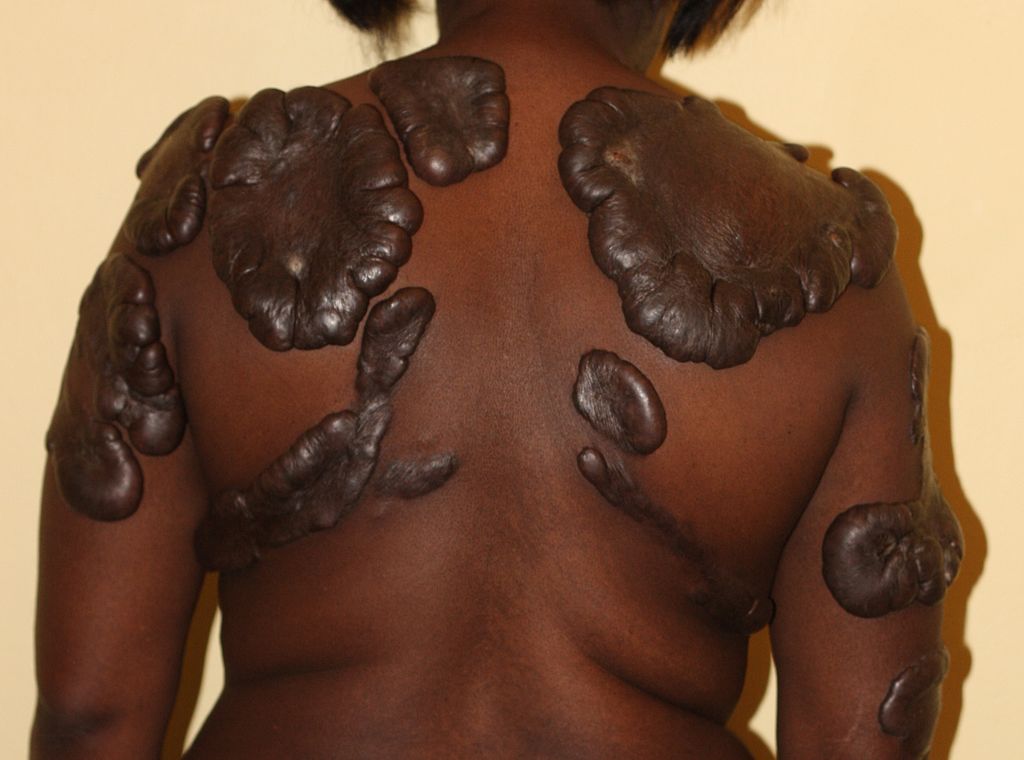
- Need multimodal approach for treatment
- Surgical excision
- Steroids
- Silicone sheets
- Cryosurgery
| Hypertrophic scar | Keloid | |
|---|---|---|
| Size | Stay within the initial wound | Grow beyond the initial wound |
| Onset | Develop 4 weeks after injury and continues to thicken for up to six months | Forms after 3 months to years of the initial insult and grow over time |
| Offset | Shrink after a year | Don’t shrink at all |
| Effect on joint movmenet | Can restrict joint movement | Don’t restrict joint movement at all |
| Incidence | More common | Less common |
| Location | Grow anywhere in the body where the wound is | Commonly develop on the upper torso, earlobes and cheeks |
Continue learning
Practice the topics covered in this lecture.