
Pharmacology
Buspirone Pharmacology: Mechanism of Action, Therapeutic Uses & Side Effects
Source presentation · 3 min read
Edits save on this browser. Download a copy for your records.
Overview
- Famous trade name is Buspar
- Buspirone is a selective anxiolytic drug that is mainly used in treatment of anxiety disorders
- Buspirone is included in azapirone drug class, azapirones are collection of anxiolytics, antidepressants and antipsychotic drugs
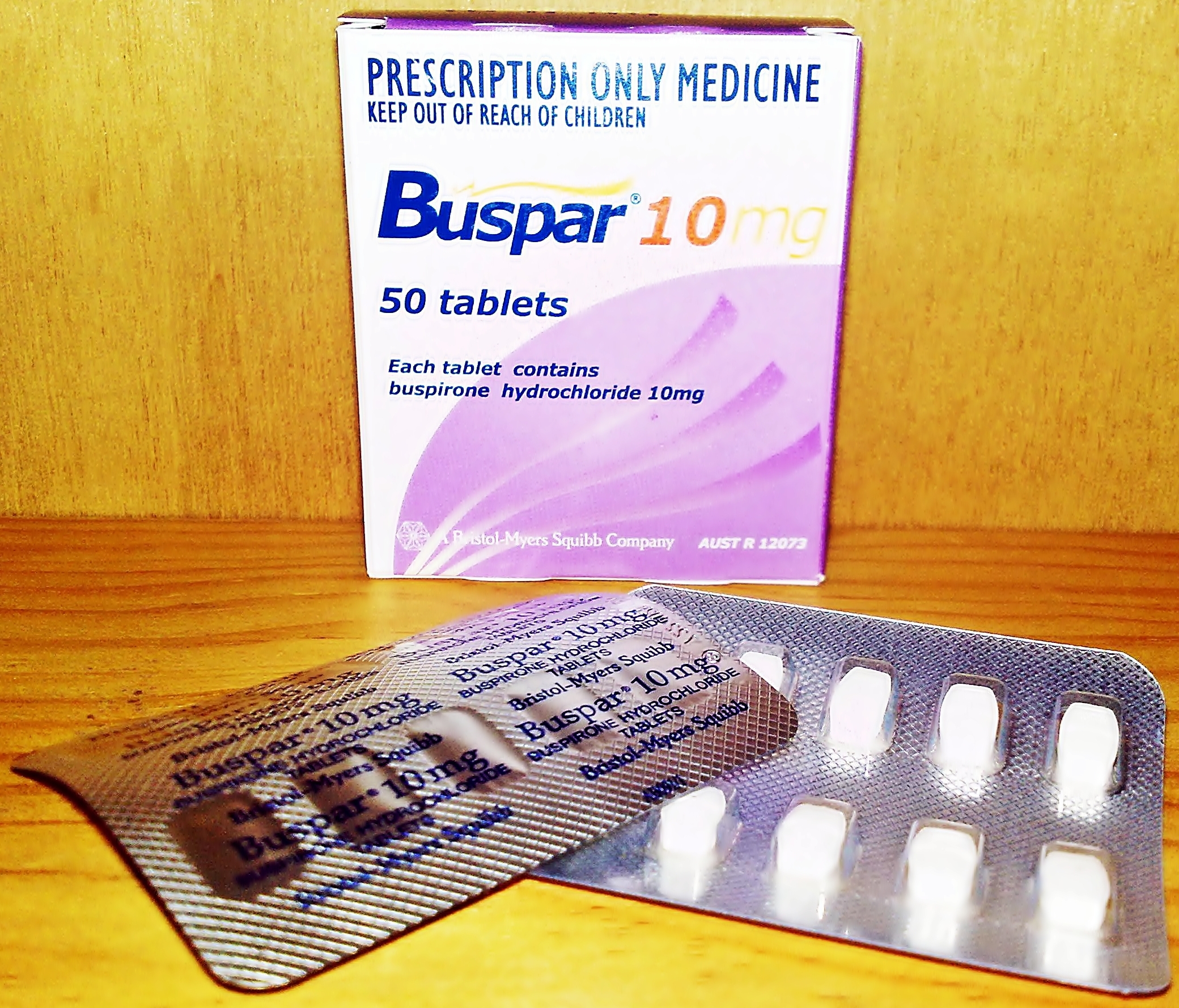
- It has a different mechanism of action and a lower side effects profile than the other anxiolytics (e.g. benzodiazepines)
- It was synthesized in 1968
Pharmacokinetics
- Buspirone is available as oral formulas only
- Absorption is rapid but bioavailability is only 4% due to extensive first pass metabolism, bioavailability gets better if buspirone is taken with food
- Distribution: buspirone is highly protein bound by 86% and distribute to most body tissues including CNS where it has its action
- Metabolized primarily by oxidation by CYP3A4 and one of its metabolites is active, buspirone getting metabolized by CYP means it is liable to be affected by other drugs that induce or inhibit CYP enzymes
- Excretion through urine by 60% and bile by 40% and elimination half life is around 3 hours
Mechanism of action
- Not related to GABA unlike the other anxiolytics like benzodiazepines
- Buspirone work as a partial agonist on serotonin receptors 5HT1a and 5HT2, it also works as a weak antagonist on dopamine D2 receptors
- Activating serotonin receptors lead to increased serotonergic activity in the amygdala and other parts of the brain => relief of anxiety
- Weak antagonism of Dopamine D2 receptors lead to attenuation of the side effects of Parkinson’s disease therapy
Pharmacologic effects
- Selective anxiolytic
- It doesn’t lead to sedative, hypnotic or euphoric effects unlike benzodiazepines
FDA Approved Therapeutic uses
- It is used in treatment of anxiety disorders
- Buspirone is used as a second line in treatment of generalized anxiety disorder (after SSRI which are the first line)
- There is no risk for dependence or tolerance with buspirone, that make it better than benzodiazepines and barbiturates for treatment of anxiety
Off Label Therapeutic Uses
- Buspirone is used for treatment of depression
- In treatment of hypoactive sexual desire disorder in women
Adverse effects
- CNS: abnormal dreams, ataxia, confusion, drowsiness, headache, paresthesia, akathisia (rare)
- Blurred vision
- Tinnitus
- Chest pain
- Nausea, diarrhea
- Pain and weakness
- It may lead to elevated liver enzymes
- There is no liability for tolerance or drug dependence with the buspirone
- Serotonin syndrome is a possible adverse effect because buspirone increase serotonin levels and serotonin syndrome is much more possible if buspirone is combined with other medications that increase serotonin in the brain (e.g. MAOI)
Serotonin syndrome
- Is a set of symptoms that occur with use of buspirone and other serotonergic drugs due to increase serotonin level in CNS
- Symptoms include high BP, tachycardia, fever, agitation, hyperreflexia, tremor, sweating, mydriasis and diarrhea
- Those symptoms range from mild to severe
- Complications include seizures and rhabdomyolysis
Contraindications
- History of hypersensitivity reactions to the buspirone
- Avoid combining with MAOI or other drugs that inhibit MAO (e.g. linezolid) because of risk of serotonin syndrome
Toxicity
- Buspirone overdose is rare
- Patient present with nausea, vomiting, dizziness, miosis and gastric distress
- Symptomatic management
Continue learning
Practice the topics covered in this lecture.