
Clinical medicine
Depression: Diagnostic Criteria According to ICD 11, PDD, Psychotic Depression & SAD
Source presentation · 4 min read
Edits save on this browser. Download a copy for your records.
Overview
- The term depression is widely used to describe low mood (sad, empty or irritable)
- Mood is state of mind, predominant emotion and feeling; e.g. angry, irritable, sad and happy

- Depression also affects person’s thoughts, behavior and sense of well being
- Medical term for depression is depressive disorder

Depressive Disorder Types
- Depressive disorder classified into many types according to ICD-11
- Single episode depressive disorder (unipolar depression)
- Recurrent depressive disorder
- Persistent depressive disorder
- Mixed depressive and anxiety disorder
- Other specified depressive disorders
- Unspecified depressive disorders
- All these disorder share the presence of sad, empty or irritable mood
- And they are also accompanied by changes in person’s capacity to function
- What is different is duration, timing and etiology
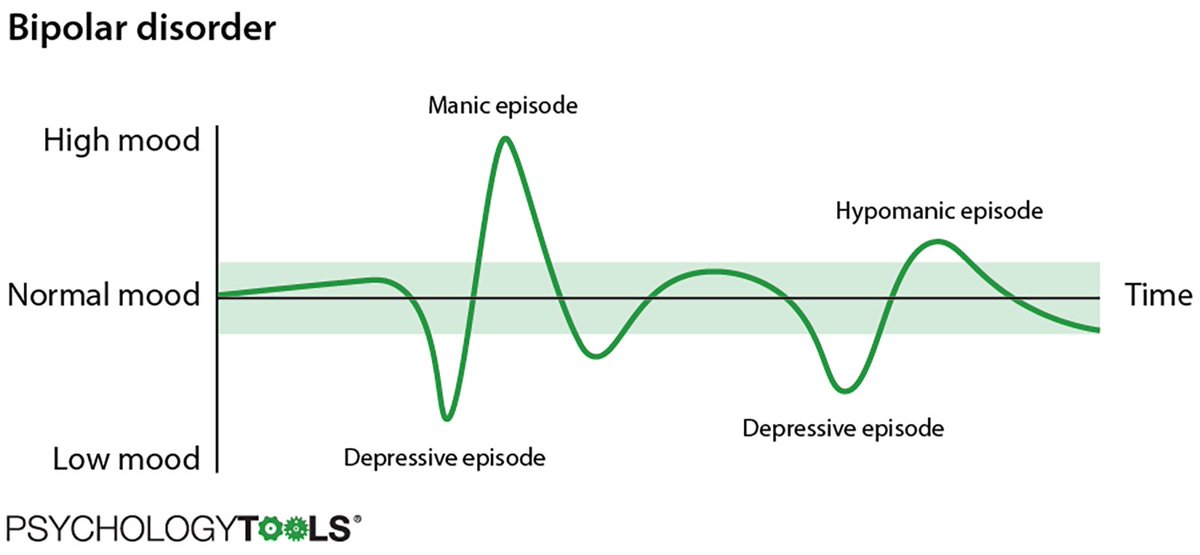
Depression vs Mania
Diagnosis
- In order to diagnose depressive episode, there is a number of symptoms (ICD criteria) that must be present for at least 2 weeks
ICD Criteria
- Criteria A
- Persistent low mood
- Anhedonia: loss of interest or pleasure
- Anergia: fatigue or low energy
- Criteria B
- Reduced concentration and attention
- Reduced self esteem and self confidence
- Feeling of guilt and worthlessness
- Hopelessness about the future
- Suicidal thoughts
- Disturbed sleep: insomnia and hypersomnia
- Appetite and weight changes
- Mild: ≥ 2 from criteria A & ≥ 2 from criteria B
- Moderate: ≥ 2 from criteria A & ≥ 3 from criteria B
- Severe: All of criteria A & ≥ 4 from criteria B
Other Symptoms
- Psychomotor retardation: slowed movements and thinking, low voice
- Psychomotor agitation: excessive movements, feeling of inner tension
- Loss of libido
- Constipation
- Amenorrhea
Recurrent Depressive Disorder
- If more than two episodes lasting more than 2 weeks then it would be called recurrent depressive disorder
Persistent Depressive Disorder
- Also called dysthymic disorder
- It is Longstanding mild depressive symptoms lasting 2 years or more
- Dysthymia often occur with other psychiatric and physical illnesses
Mixed Anxiety & Depressive Disorder
- Symptoms of both disorders are present for more than 2 weeks but neither meet the criteria for a diagnosis of any of them
- Very common
Psychotic Depression
- Most severe type of depression
- Worries and misdemeanors become beliefs (delusions)
- The person may also believe that part of them is dead, they also experience derogatory auditory hallucinations
- Suicide risk is high
Seasonal Affective Disorder
- Recurrent depression that is related to a certain season
- Typically during late fall and early winter and the patient goes back to normal the rest of the year
Note
- Depressive disorder should not be diagnosed in individuals who had a manic, hypomanic or mixed episode before because in this case the diagnosis is bipolar disorder
Epidemiology
- Globally, 5% of adults suffer from depression according to WHO
- Females are two times more affected than males
- Mean age of onset is late twenties
Risk Factors
- In depression there is no specific cause but there is risk factors
- Neurotransmitter imbalance: alteration in serotonin, norepinephrine and dopamine and that is what we try to correct with antidepressant drugs
- Neuroendocrine factors: HPA axis dysfunction due to chronic stress
- Neuroanatomical changes in structural changes of the brain, especially changes in hippocampus, amygdala and prefrontal cortex due to stress, inflammation and neurotrophic factors
- Genetic factors: there is 4 genes identified to be related to depression
- Neuroplasticity: Changes in brain ability to adapt
- Psychological trauma
- Cognitive factors: negative thought patterns and distorted cognitive processes
Lines of Treatment
- First line: Psychotherapy (CBT and other methods)
- Second line: Antidepressant drugs
Other lines:
- Brite light therapy
- Electro convulsive therapy
- Transcranial magnetic stimulation
- Vagus nerve stimulation
- Deep brain stimulation
Antidepressant Drugs Classification
- Monoamine oxidase inhibitors (MAOIs)
- Tricyclic antidepressants (TCA)
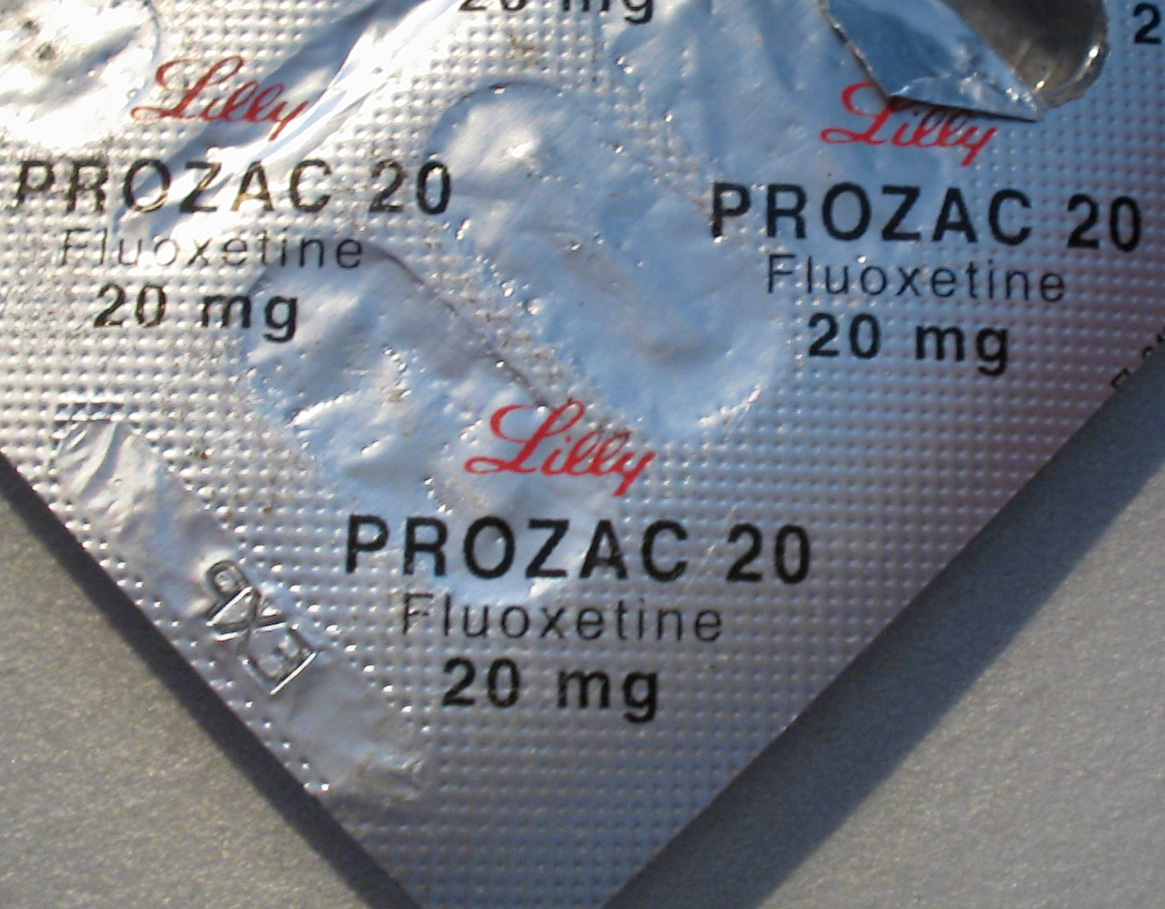
- Selective serotonin reuptake inhibitors (SSRIs)
- Serotonin norepinephrine reuptake inhibitors (SNRIs)
- Atypical antidepressants
Continue learning
Practice the topics covered in this lecture.