
Pharmacology
Mucoactive Drugs: N-Acetylcysteine, Guaifenesin and Carbocysteine
Source presentation · 3 min read
Edits save on this browser. Download a copy for your records.
Definition
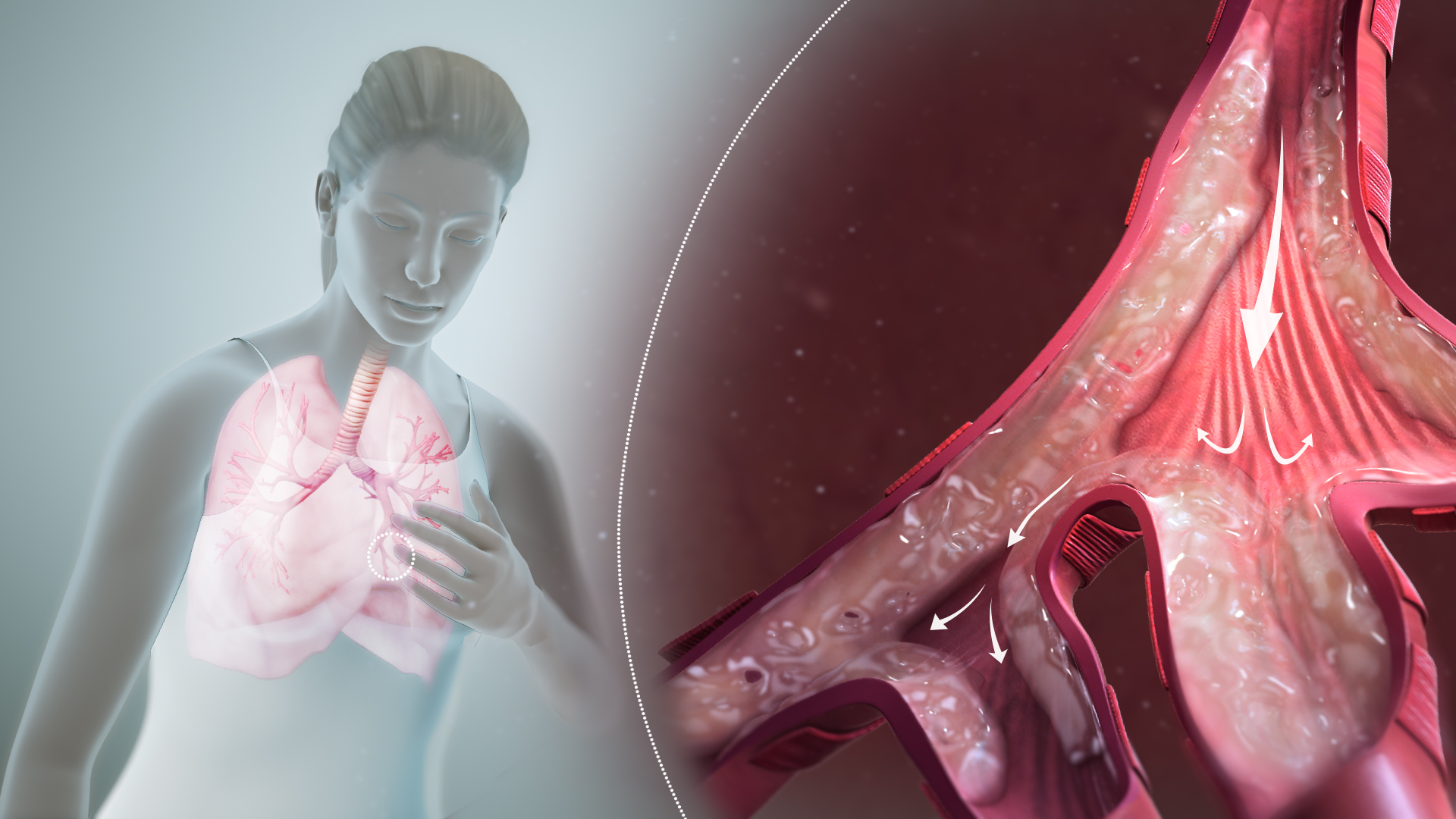
- Mucoactive medications are medications that aid in the clearance of mucus from the airways
Classification
Mucoactive drugs are classified into:
- Mucolytics: reduce the viscosity of the mucus by breaking down the chemical bonds between molecules of the mucus; e.g. N acetylcysteine and bromhexine
- Expectorants (secretolytics) increase volume of airway secretions making them easier to expel through coughing; e.g. guaifenesin
- Mucokinetics: increase ciliary transport of mucus. E.g. bronchodilators and surfactant
- Mucoregulators: suppress underlying mechanisms of mucus hypersecretion. E.g. Carbocysteine
- Some of these medications work by multiple mechanisms
Therapeutic uses
- These medications are used in treatment of productive cough in respiratory diseases that are complicated by over secretion or higher viscosity of mucus such COPD, Asthma and cystic fibrosis
- Mucoactive agents are used in treatment of productive cough while antitussives are used in treatment of dry cough
- It is important to confirm the diagnosis before giving these medications; because most common cause for productive cough is infections and these medications may aggravate infections
- Because the mucus layer entraps and clear bacteria and inhibit bacterial growth and biofilm formation . It also protect the airway from inhaled irritants and fluid loss
N- Acetylcysteine
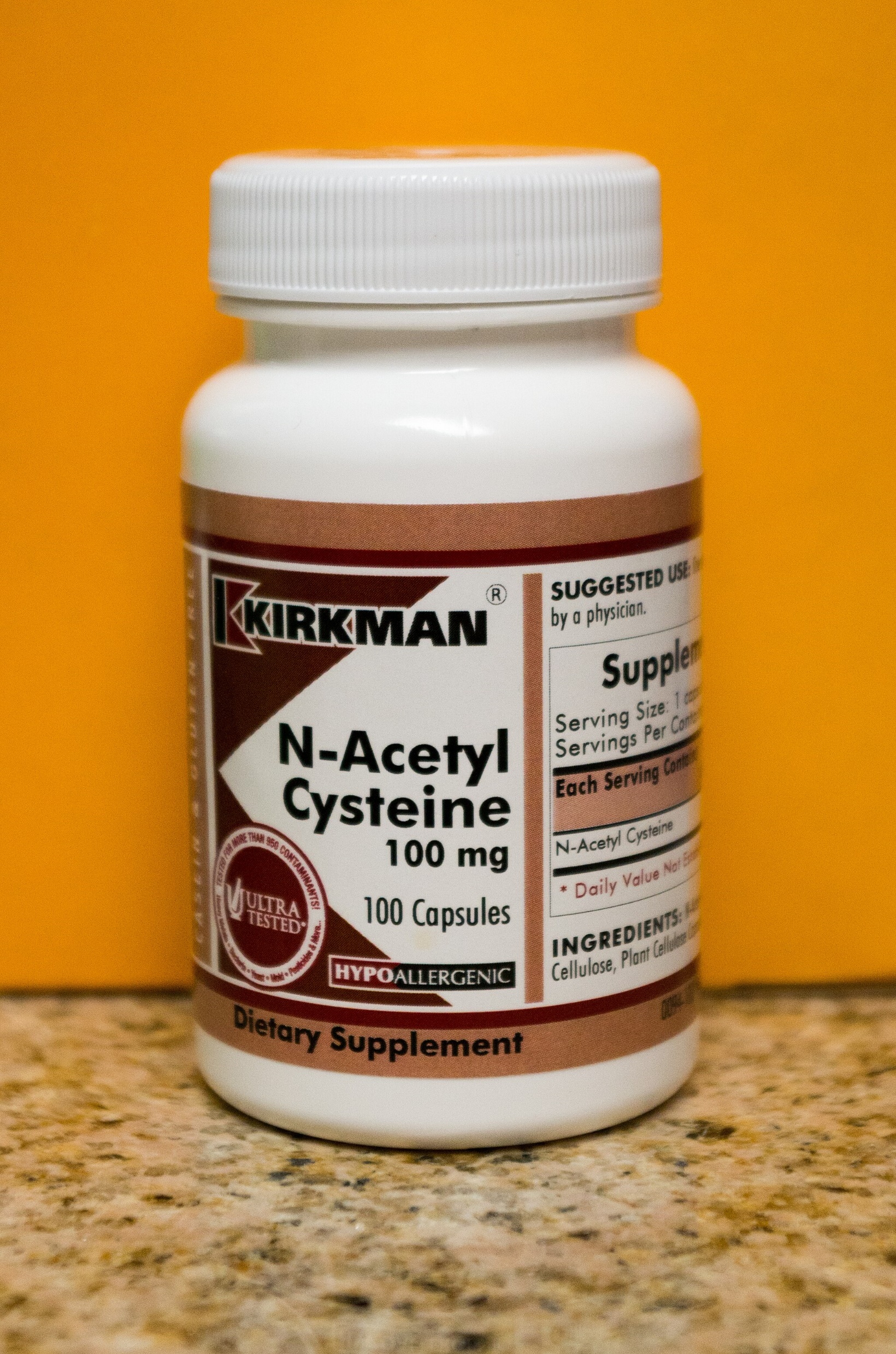
- Acetylcysteine is a mucolytic, it has free sulfhydryl (-SH) groups that break disulfide bonds that connect the mucin oligomers in the mucus leading to reduction in mucus viscosity; it also has anti inflammatory and antioxidant properties
- N acetylcysteine is FDA approved for treatment of abnormal viscid or inspissated mucous secretions in pneumonia, bronchitis, cystic fibrosis, postoperative pulmonary complications, tracheostomy patients…; it is also FDA approved for treatment of paracetamol toxicity
- N acetyl cysteine is available as oral, IV and inhalational formulations
- According to the American college of chest physicians; oral NAC is recommended for patients with moderate to severe COPD to prevent exacerbations
- NAC adverse effects: GIT symptoms with oral NAC, anaphylactic reactions (e.g. bronchospasm) with IV NAC because it triggers histamine release; treat with anti histamine meds
Bromhexine
- Bromhexine acts on the mucus at the formative stages within the mucus secreting cells. It disrupts the structure of acid mucopolysaccharide fibers in mucoid sputum and produces a less viscous mucus which is easy to expel
- Because bromhexine can disrupt the gastric mucosal barrier, it should be avoided in patients with peptic ulcer
- Bromhexine also may lead to headache, vertigo, sweating and allergic reactions
Guaifenesin
- Guaifenesin act as an expectorant by relaxing bronchial smooth muscle tone and by irritating the respiratory tract leading to increasing the volume of fluid secreted in there => more fluid inside the mucus => mucus easier to expel
- Guaifenesin available as capsules and syrup used in treatment of productive cough
- Guaifenesin may lead to headache, drowsiness, diarrhea and insomnia
Carbocysteine
- Carbocysteine suppress underlying mechanisms of mucus hypersecretion and increases fluid volume inside the mucus
- It is very effective and safe; it is used especially in Asthma and COPD
- Carbocysteine may lead to allergic side effects
Continue learning
Practice the topics covered in this lecture.