
Orthopedics
Spine Motion Restriction: Indications, Equipment, Steps to Do it and Contraindications
Source presentation · 4 min read
Edits save on this browser. Download a copy for your records.
Spine motion restriction
- Previously it was called cervical spine immobilization and since true immobilization of the spine is unattainable, that is why spine motion restriction term was used instead
- Spine motion restriction (SMR) is the maneuver done to reduce movement in a patient’s spine in trauma victims, thereby preventing spinal cord injury in a potentially unstable spine => preventing disability
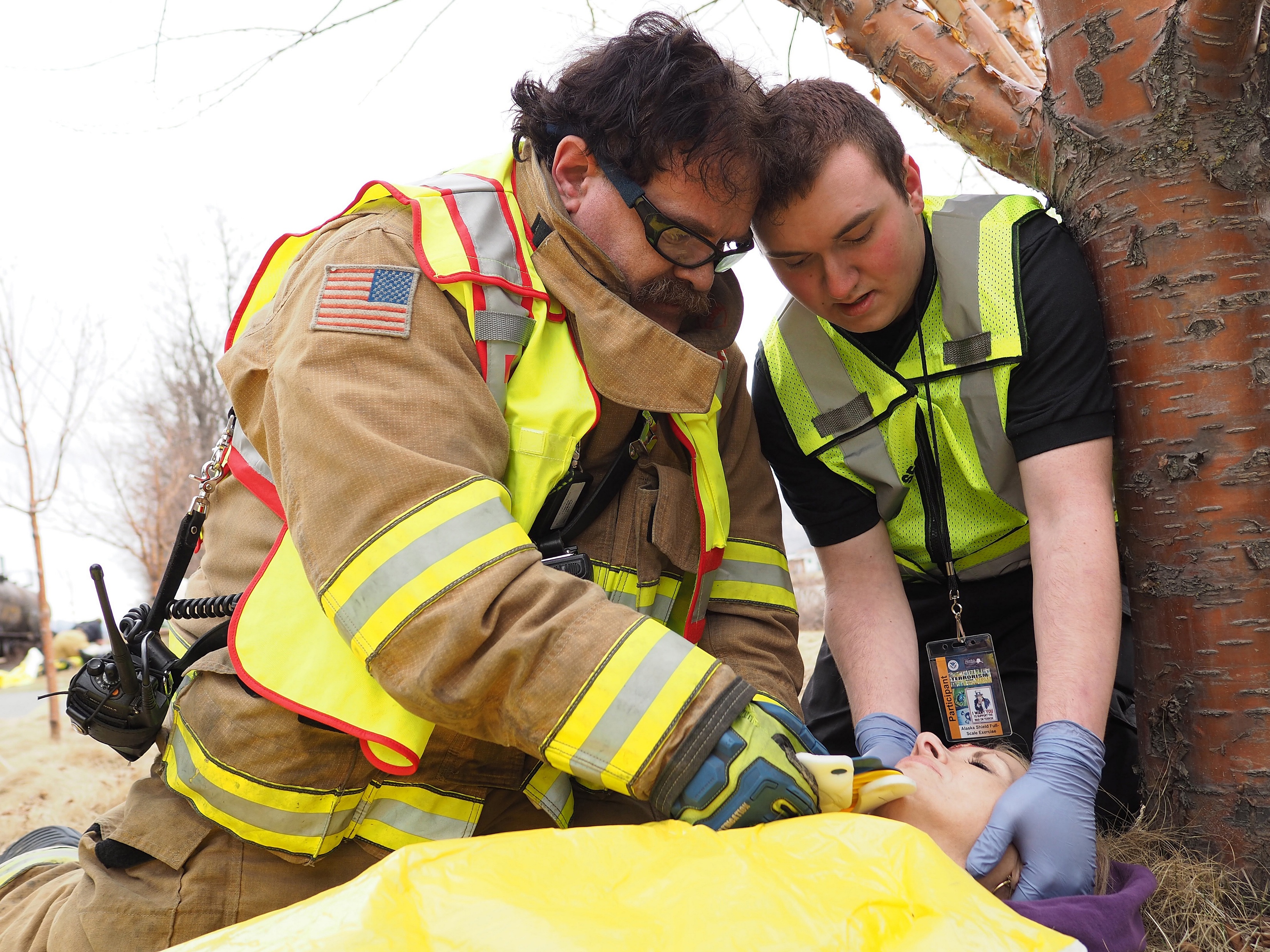
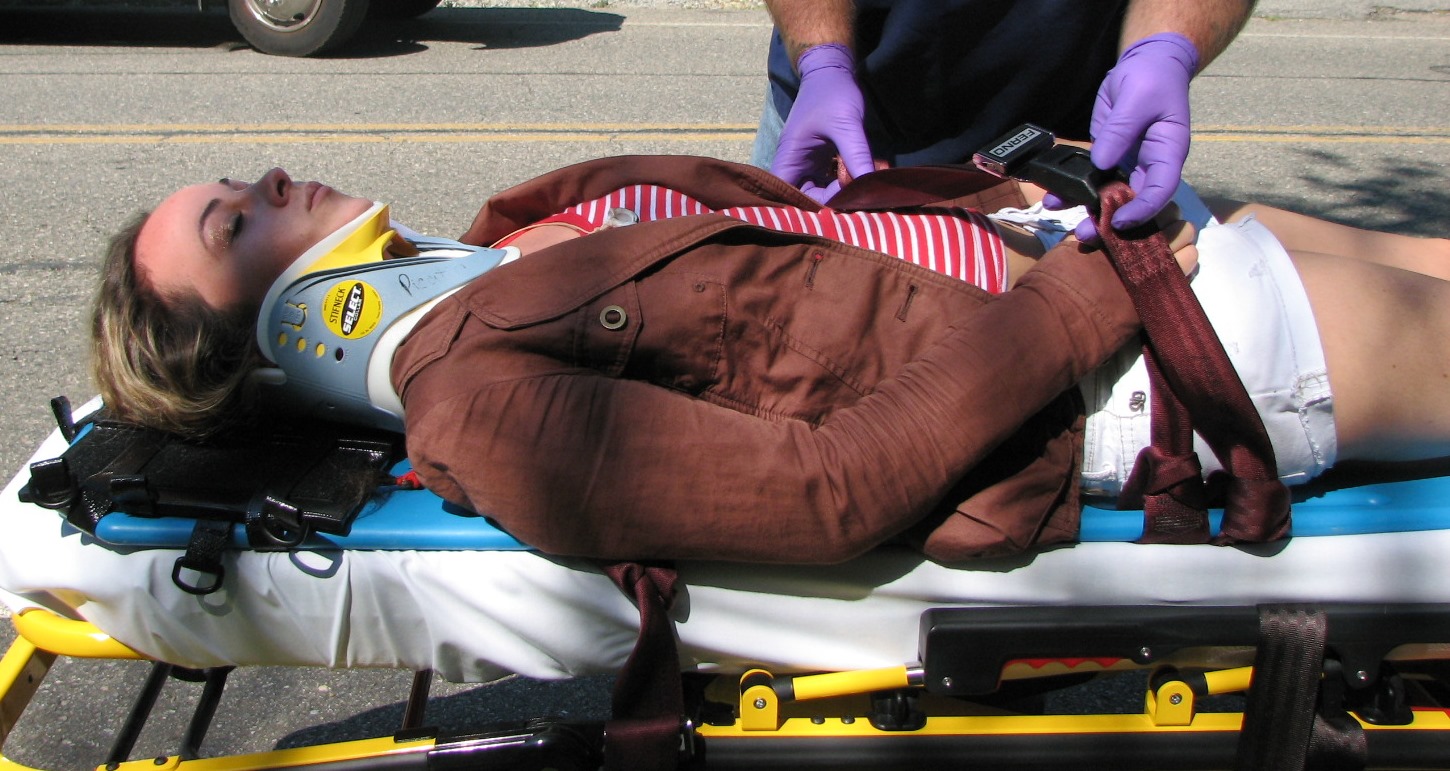
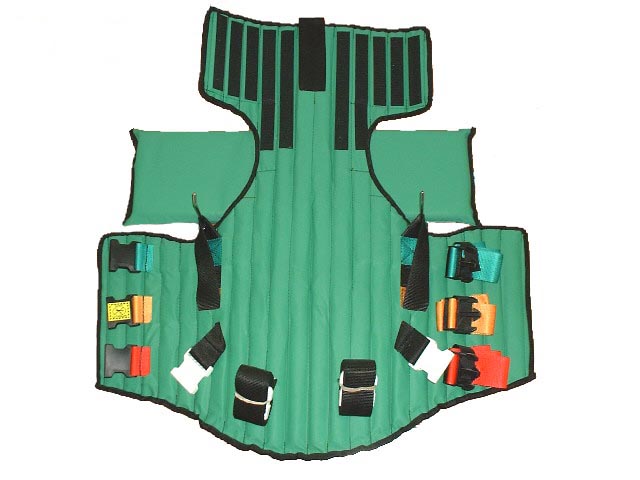
- Spine motion restriction is achieved by applying a rigid cervical collar, rigid extrication device (for extrication), long back board (also for extrication) and a gurney with appropriate straps and sandbags for stabilization
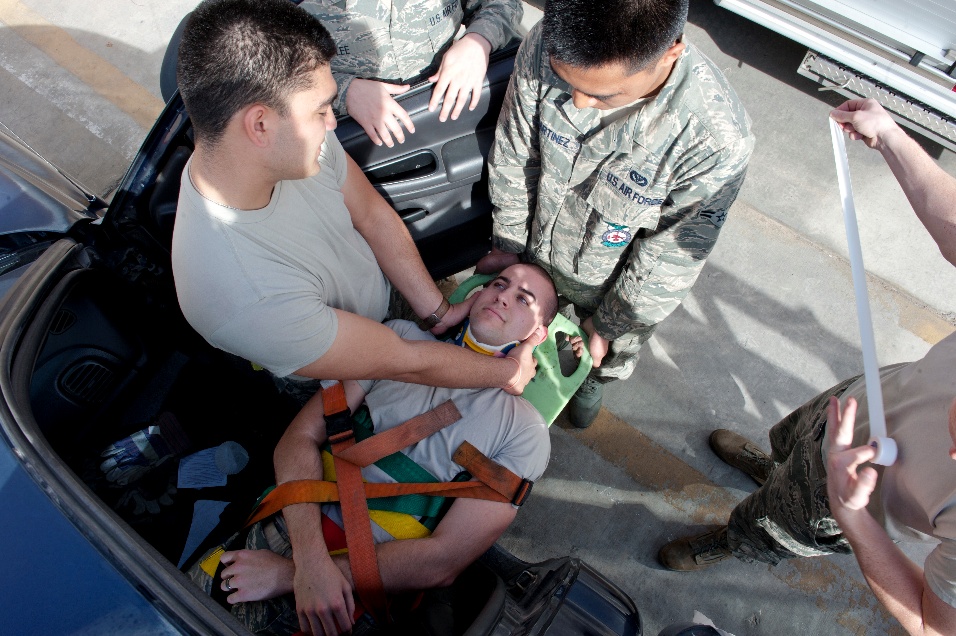
- Spine motion restriction can be done manually by an emergency provider by applying hands to the both sides of the head into the neck to stabilize the c spine of the patient
- If the patient on cervical collar need airway management, then the collar is removed and head is stabilized manually and airway management is done and then the collar put back again
SMR indications
- Any altered mental status (GCS < 15) => patient is confused or AMS then needs SMR, Pediatric patients may demonstrate altered mental status with agitation , apnea , hypopnea or somnolescence
- Focal neurological signs and/or symptoms (e.g. weakness , tingling or numbness)
- Midline neck or back pain and/ or tenderness, painful rotation/tilt of the neck
- Anatomic deformity of the spine
- Unreliable patient interaction including distraction with a painful injury or distressing circumstances
- Communication/ language barrier that prevent accurate assessment
- Lack of cooperation or contribution during exam
- High energy trauma mechanisms: Axial load injuries (diving injuries , spearing tackles) , sudden acceleration/ deceleration injuries, lateral bending forces to neck/ torso
- 65 years of age or older
Equipment
- Adjustable rigid cervical collar
- Short, rigid extrication device
- X-ray translucent long back board for extrication
- Soft padding placed where there is contact between skin and devices mentioned
- Gurney with appropriate straps for stabilization of the patient
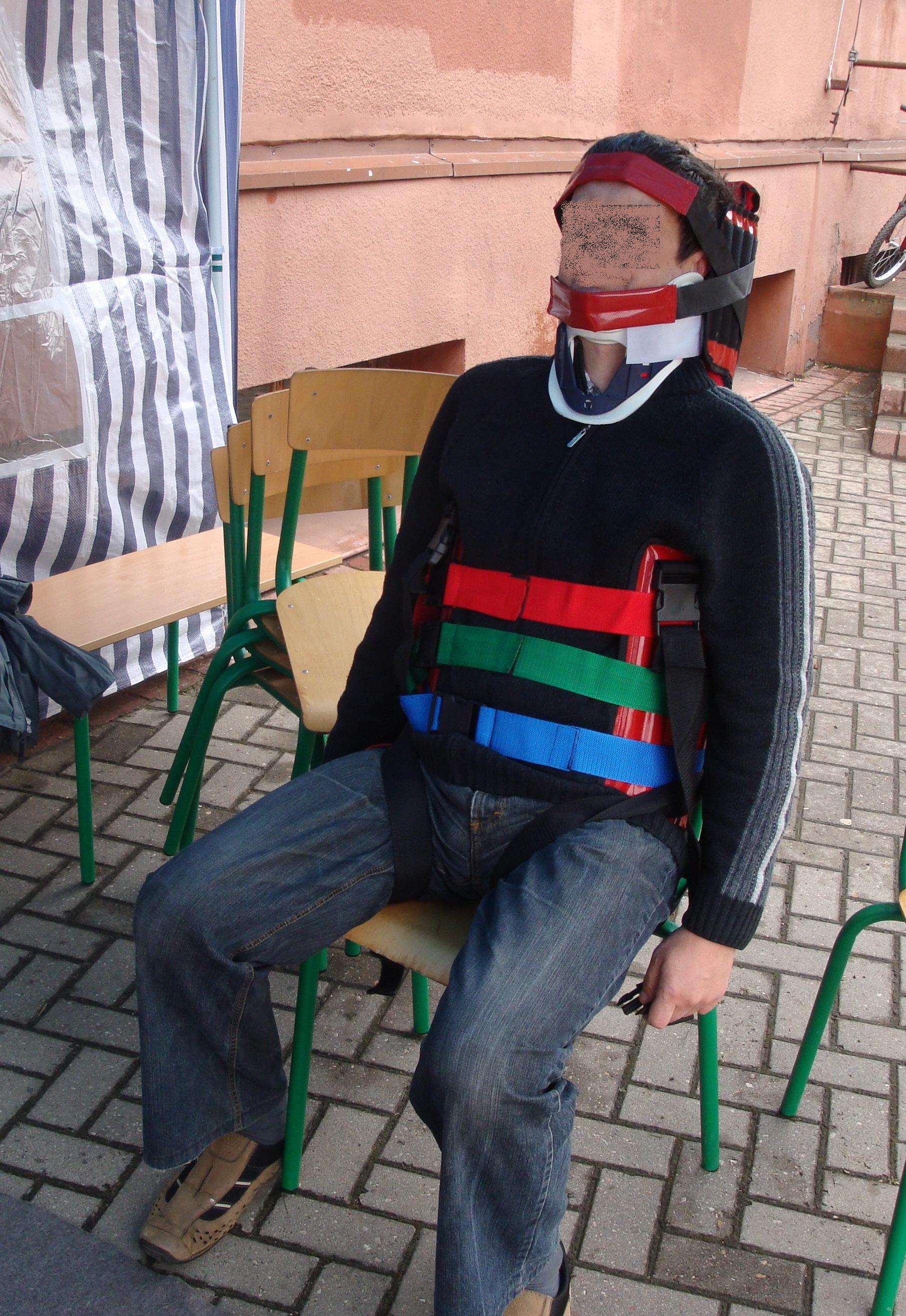
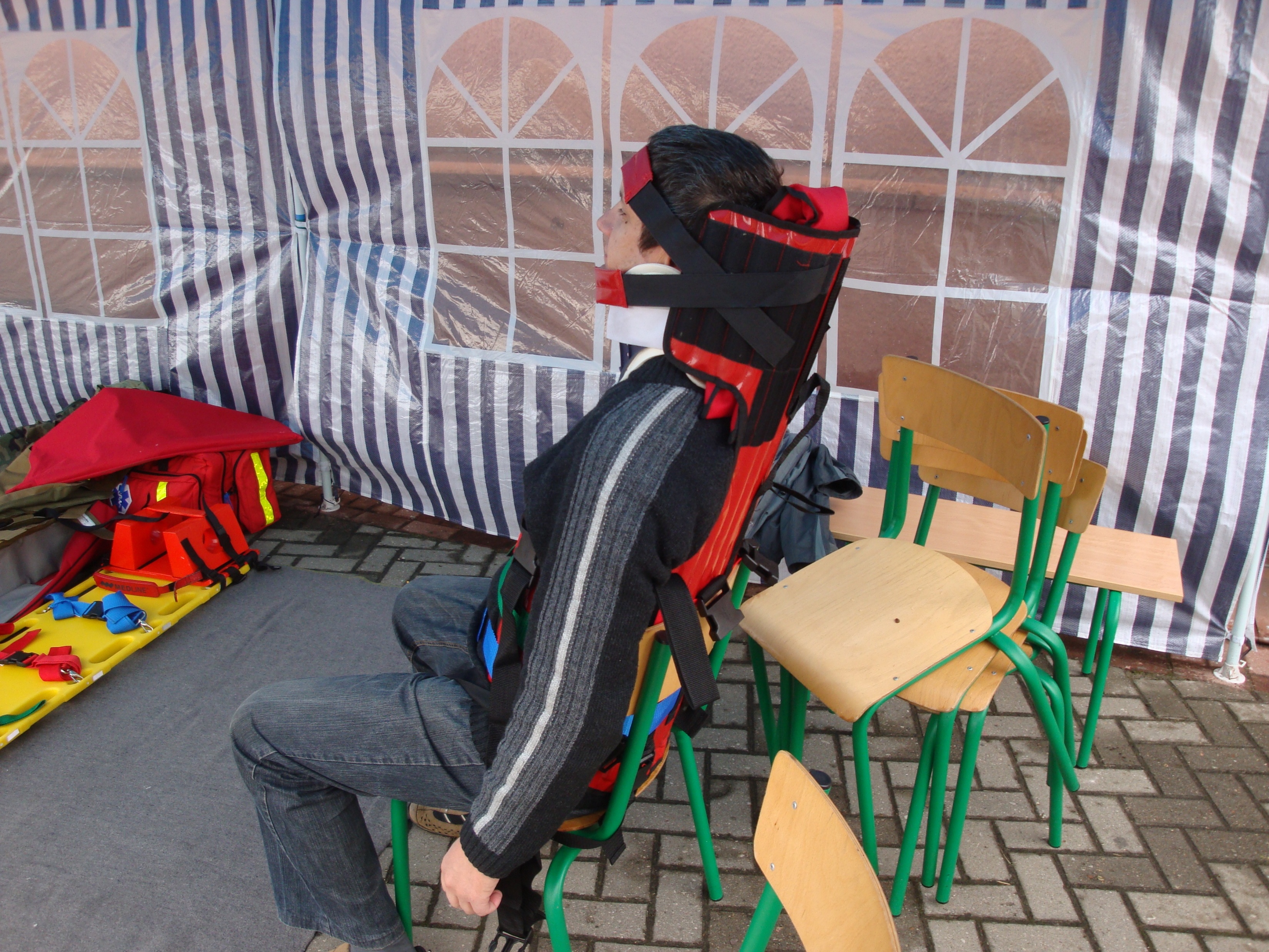
Procedure
- 1- Assess airway and manage the airway if it need to be managed while maintaining manual SMR
- 2- Do a pre SMR assessment of the motor, sensory and circulatory examination and document it
- 3- Place the rigid cervical collar and adjust size
- 4- If patient can self extricate then assist them in getting into the gurney but if not then extrication is required, extrication device is used as needed to move the patient to gurney Then, it is removed by log roll
- 5- Secure the patient to the gurney with straps in a supine position, if supine position can’t be tolerated then position of comfort is done, if patient is obviously pregnant then left lateral position is preferred
- 6- Do a post SMR assessment of the motor, sensory and circulatory examination and document it
Contraindications
- Bleeding that is can’t be controlled with the SMR in place
- Uncontrolled vomiting because SMR risk airway patency
Notes
- Effort should be made to diagnose or exclude the spine injury and remove the patient from this form of rigid device as soon as possible (because it is not comfortable for the patient)
- Rigid backboards use is limited to extrication and transfer of patients to a gurney, because their prolonged use may induce pain, agitation, respiratory compromise and lead to pressure ulcers
- SMR is performed with the patient supine, it cannot be safely performed with a patient in a sitting position
- If elevation of the head is required, maintain alignment of the neck and torso while elevating the head consider reverse Trendelenburg, if stretcher allows
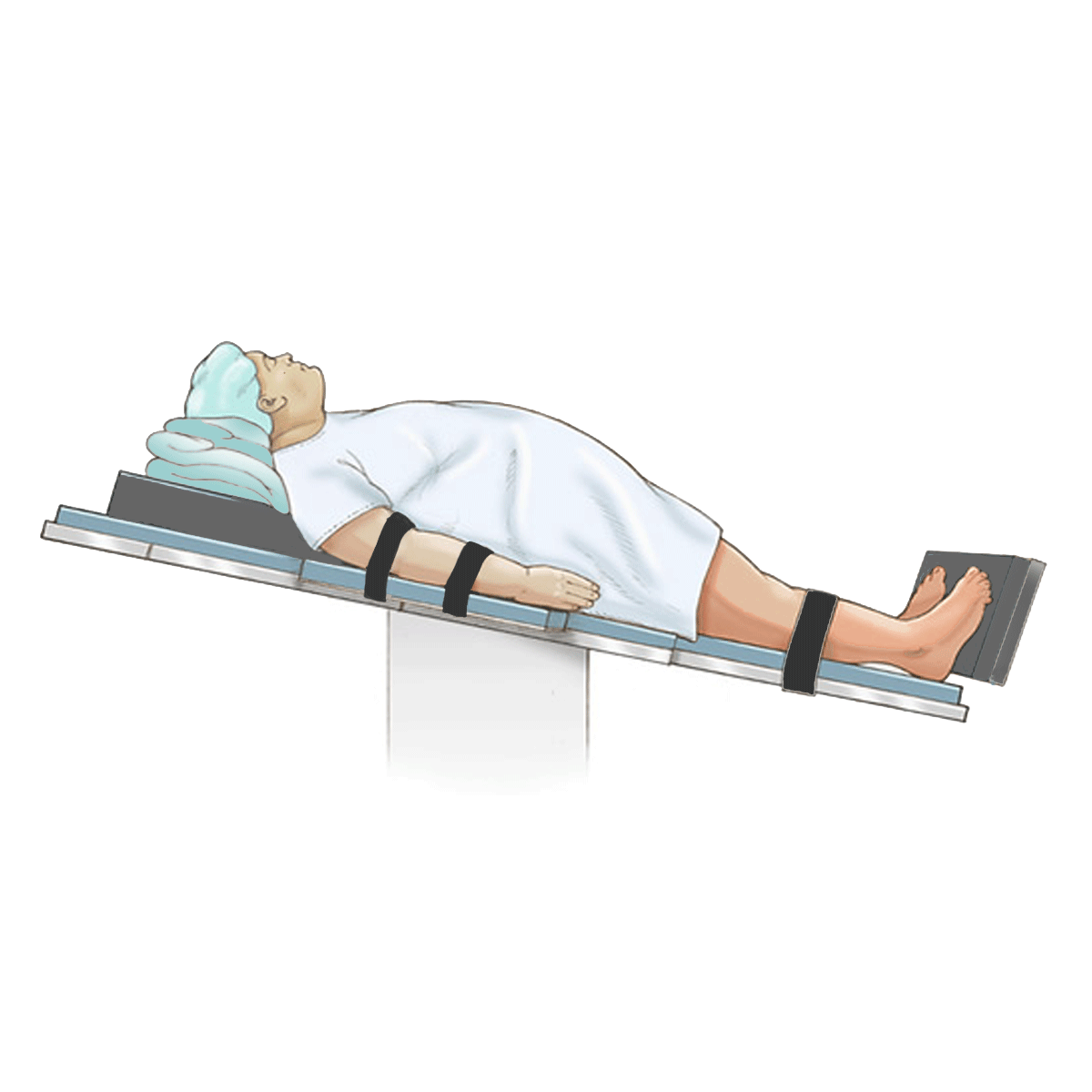
- Children may require additional padding under the shoulders to avoid excessive cervical spine flexion with SMR
Continue learning
Practice the topics covered in this lecture.