
Clinical medicine
Bronchial Asthma: Causes, Pathophysiology, Triggers, Classification, Presentation & Treatment
Source presentation · 4 min read
Edits save on this browser. Download a copy for your records.
Video content
- Asthma
- Asthma causes
- Asthma pathophysiology
- Asthma triggers
- Asthma vs COPD
- Asthma classification
- Asthma presentation
- Asthma diagnosis
- Treatment
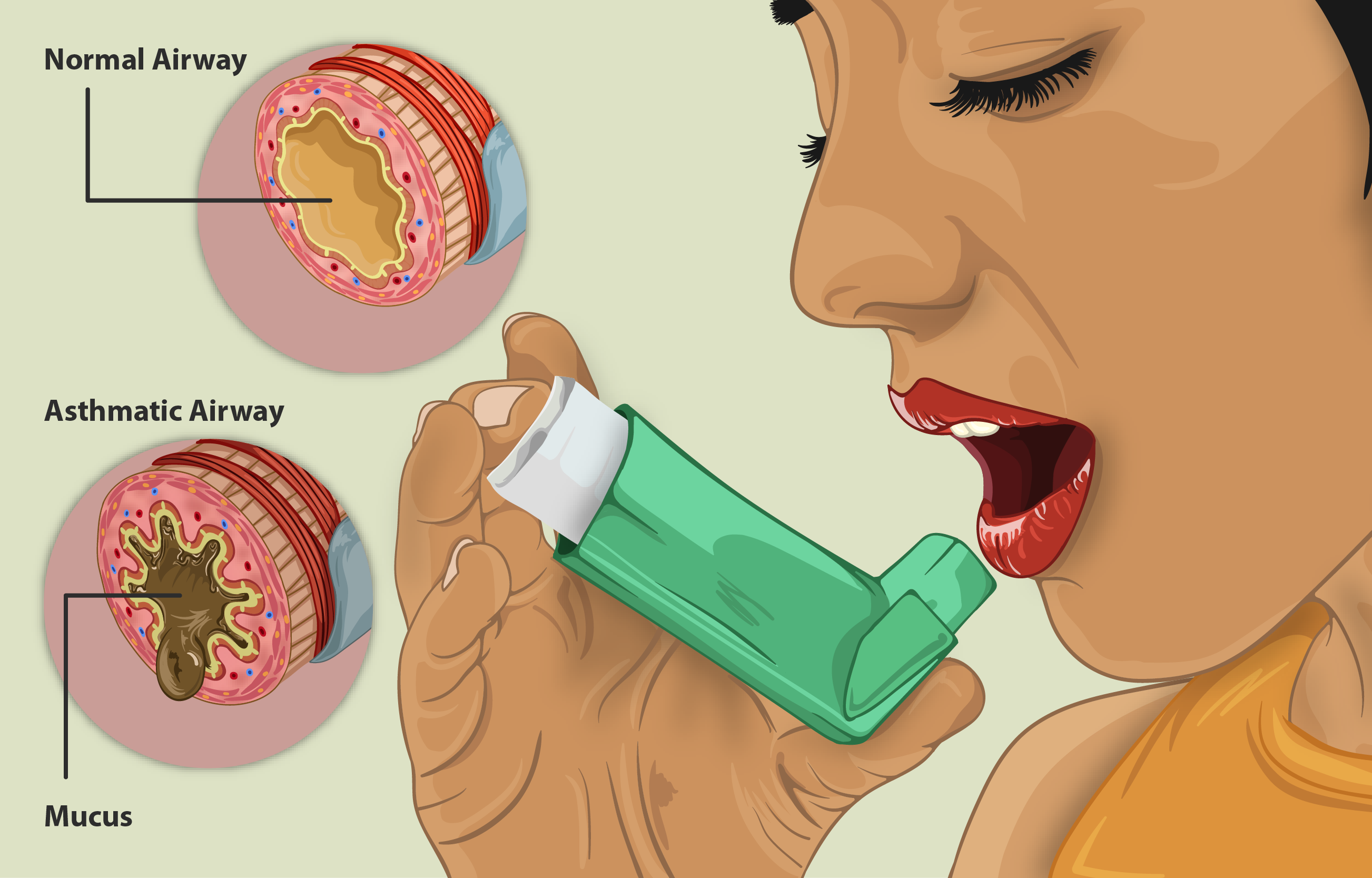
Intro
Asthma is a chronic inflammatory disease of the airways causing reversible airway obstruction, which present as:
- recurrent episodes of wheezing: musical sound during expiration
- Coughing: could be the only complain (mostly dry but sometimes there is sputum)
- Breathlessness
- Those are the hallmark symptoms of asthma
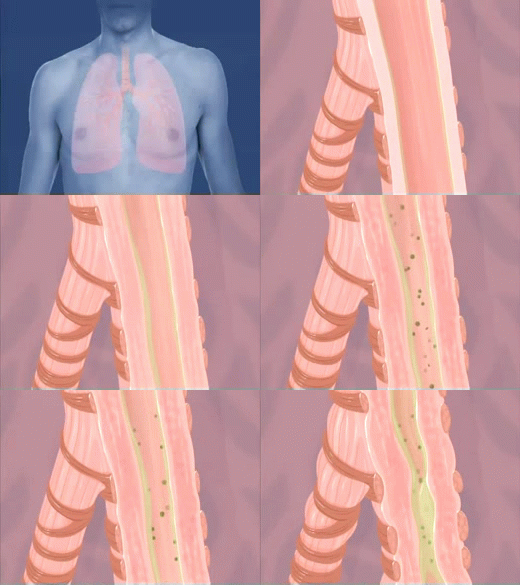
- Asthma Symptoms are worse at night because vagal tone is higher during the night, higher vagal tone cause bronchoconstriction and aggravation of symptoms
Asthma causes
Both of these factors should be present for the patient to develop asthma:
- Genetic predisposition: around 100 genes associated with asthma (run in families), history of atopic disease (rhinitis, eczema)
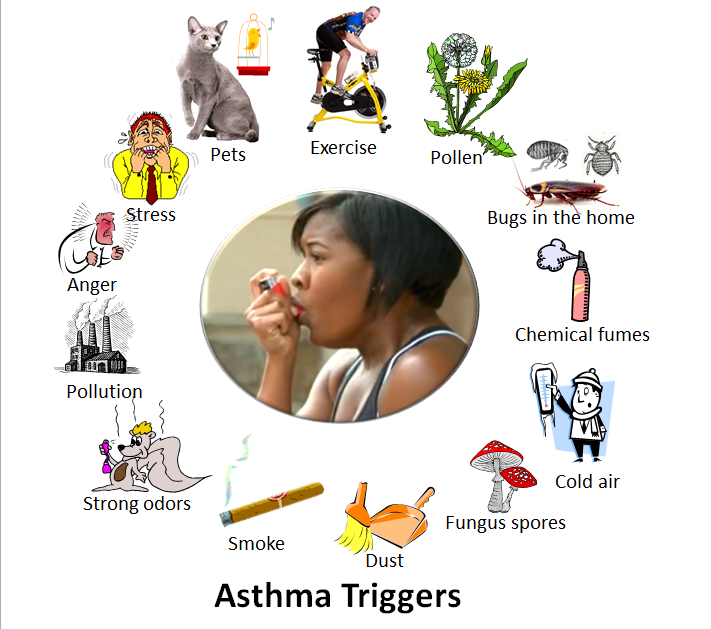
- Environmental risk factors
- recurrent respiratory infection
- Occupational exposure (e.g. dust, pesticides, formaldehyde …)
- house dust mite
- Cold weather
- Exercise
- Cigarette smoking
- Exposure to Medications that cause bronchoconstriction
Medications that cause bronchoconstriction
- Cholinomimetic drugs
- B blockers
- Prostaglandin F2 alpha
- Histamine releasers: e.g.. Morphine, penicillin
- Adenosine
- NSAIDs
Asthma pathophysiology
- Patient with genetic predisposition and one of the environmental factors = asthma
- Environmental factors (e.g. dust) cause chronic irritation to the bronchial wall, this will lead to inflammation and immune cells migration into the bronchial walls (e.g. mast cells, B cells, T cells)
- Immune cells produce cytokines (e.g. histamine, PG, LTs, adenosine, IL), *blocking LTs and adenosine proved effective in treatment of asthma, others are not*
- These cytokines will lead to smooth muscle contraction and hypertrophy, increase bronchial secretion, vasodilatation (which lead to edema) = narrowing of the airways
- That is why you give anti inflammatory (e.g. corticosteroids) in treatment of asthma
Asthma triggers
- In asthma there is airway hyperresponsiveness which means there is hyperresponsiveness to allergens (e.g. house dust mite, pollens…), infections, exercise… ; leading to asthma attack in which there is bronchial muscle contraction and airway obstruction
Asthma vs COPD
- COPD includes chronic bronchitis, emphysema, and bronchiectasis
- Difference between asthma and COPD, is that in asthma airway obstruction is reversible while in COPD it is irreversible
- Because in COPD there is destruction of the airways, while in asthma there is only bronchial muscle contraction with intact airways
Asthma classification
- Asthma is classified according to the frequency of symptoms
- It is also classified according to the FEV1 and PEFR results
- It is also classified as atopic (allergic: there is extrinsic allergen causing it and prevented by avoiding the allergen) and non atopic (there is intrinsic allergens causing it and this is harder to treat)
- The national asthma education and prevent program classified asthma into
- Intermittent: symptoms occur on ≤ 2 days per week and they don’t interfere with normal activities, night symptoms occur on ≤ 2 days a month; lung function test is normal
- Mild persistent: symptoms occur on > 2 days per week but not everyday and attacks interfere with daily activities; night symptoms occur 3 to 4 times a month; lung function tests are normal
- Moderate persistent: symptoms occur daily and interfere with daily activities, night symptoms occur more than once a week but not daily, lung function test are abnormal
- Severe persistent: symptoms occur everyday and affect daily activities, night symptoms occur often, lung function test is abnormal
Clinical presentation
- Chronic asthma
- Acute severe asthma: patient presenting to emergency department
Chronic asthma presentation
- Patient present with wheeze, breathlessness, cough and chest tightness that are worse at night
- Patient can present with mild intermittent symptoms that require no medications or only occasional short acting inhaled B2 agonists or they can present with severe persistent symptoms not responding to multiple medications
Acute severe asthma presentation
- Uncontrolled asthma can progress to an acute state in which there is severe inflammation, airway edema, mucus accumulation, and severe bronchospasm
- Patient present with severe dyspnea, wheezing, cyanosis, difficulty speaking, tachypnea, tachycardia, tripod position and silent chest
- If the patient doesn’t respond to bronchodilators, this means the patient having status asthmaticus which is dangerous
Diagnosis of asthma
- 90% clinical: history physical examination
- Spirometry with a post bronchodilator response: obstructive pattern
Treatment
- Patient education: avoiding the allergens
Medications prescriptions:
- Bronchodilators
- Medications that reduce bronchial inflammation
- Prophylactic medications
- Other medications

Continue learning
Practice the topics covered in this lecture.