
Pharmacology
Methylxanthines (Theophylline & Aminophylline): Mechanism of Action and Therapeutic Uses
Source presentation · 3 min read
Edits save on this browser. Download a copy for your records.
Bronchodilators
- Beta 2 adrenergic agonists
- Muscarinic receptor antagonists
- Methylxanthines
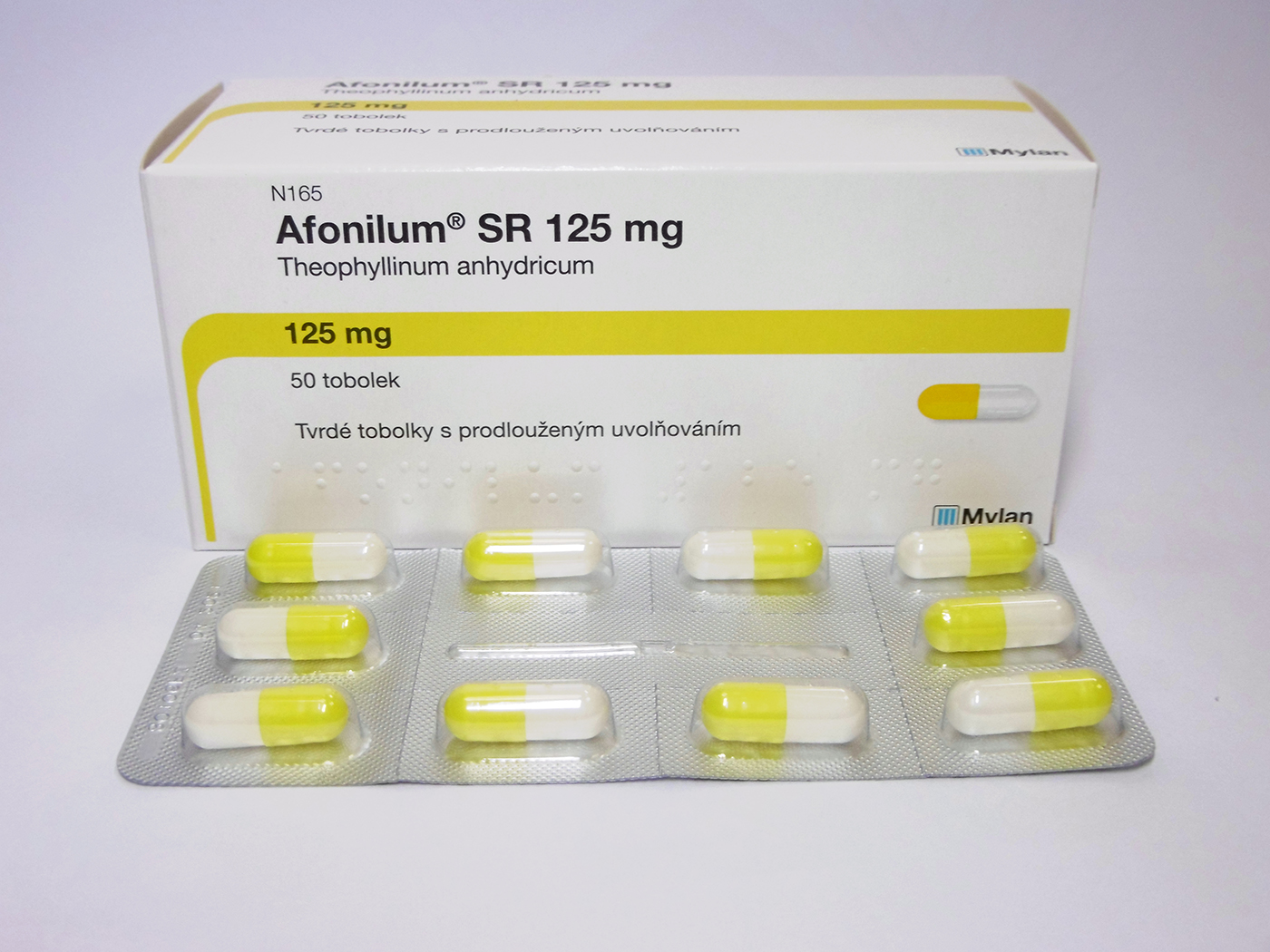
Methylxanthines examples
- Caffeine, theophylline, theobromine and aminophylline (salt of theophylline)
- Methylxanthines that are used in treatment of asthma include theophylline and aminophylline
Mechanism of action
Methylxanthines work by non competitively inhibiting phosphodiesterase enzyme (PDE III and PDE IV) => increase cAMP, cGMP levels leading to:
- Relaxation of all smooth muscles (bronchial smooth muscles, GIT, biliary, ureteric, …)
- Cardiac stimulation: Increase cardiac contractility and arrhythmogenic effects
- CNS stimulation
- Vasoconstriction of cerebral blood vessels and vasodilatation of peripheral blood vessels
- Higher renal blood flow => diuresis
Methylxanthines also work by antagonizing adenosine receptors A1, A2 and A3, leading to:
- Adenosine is bronchoconstrictor so blocking its receptors=> bronchodilatation
- Adenosine has inhibitory effect on CNS (it signals mental fatigue) so blocking its receptors=> CNS stimulation
- Increase AV conduction leading arrhythmias
- Methylxanthines also work as Histone deacetylase activator, Histone deacetylase work to prevent inflammation, so activating it lead to anti inflammatory effect and that work in the benefit of asthma
Pharmacokinetics
- Oral methylxanthines have broadly fluctuating plasma drug concentrations which made it fall out of favor in clinical use
- IV formulas have more consistent plasma drug concentrations and it is used more
Therapeutic uses
- Respiratory uses: FDA approved theophylline and aminophylline in treatment of asthma, bronchitis and emphysema, new GINA guidelines (2018) don’t recommend it anymore in treatment of asthma, same as GOLD guidelines don’t recommend it in COPD treatment
- Chronic bronchial asthma: oral theophylline is used (as a second line) in treatment of chronic asthma
- Acute severe asthma: IV aminophylline are indicated for termination of acute bronchospasm in asthma attack
CNS uses:
- To reverse CNS depression
- To delay physical and mental fatigue (caffeine)
- Treatment of migraine (caffeine + ergotamine): to increase vasoconstriction of cerebral blood vessels and increase absorption of ergotamine from GIT
- Neonatal apnea syndrome: caffeine is the agent of choice
- CVS uses: acute pulmonary edema due to left side HF
Adverse effects
- Methylxanthines have a narrow therapeutic index, this means there is a high incidence of side effects
- CNS: irritability, headache, insomnia, nervousness and convulsions
- CVS: palpitations, tachycardia, and arrhythmias. Rapid IV injection can cause hypotension, syncope and cardiac arrest
- GIT: nausea, anorexia, hyperacidity and worsening of peptic ulcer
Precautions
- Aminophylline must be given by slow IV infusion (> 15 minutes to avoid syncope and cardiac arrest)
- Used with caution in CVS disease, hepatic impairment, hypo or hyperthyroidism, seizure disorder or pregnancy
- They should not be given to patients with peptic ulcer because it lead to hyperacidity
Drug interactions
- Methylxanthines are metabolized by the liver CYP enzyme system, and since they have narrow therapeutic index; this means that they are highly affected by CYP enzyme inhibitors (e.g. erythromycin) leading to higher serum levels of methylxanthines and toxicity; and also they are highly affected by CYP enzyme inducers (e.g. smoking) leading to decrease their serum levels and reduce effect
- There is increased risk of arrhythmia when combining Beta 2 agonist and methylxanthines in the same time because both are arrhythmogenic
Continue learning
Practice the topics covered in this lecture.