
Clinical medicine
Focal Segmental Glomerulosclerosis (FSGS): Pathophysiology, Signs & Symptoms, Diagnosis & Treatment
Source presentation · 4 min read
Edits save on this browser. Download a copy for your records.
Focal Segmental Glomerulosclerosis

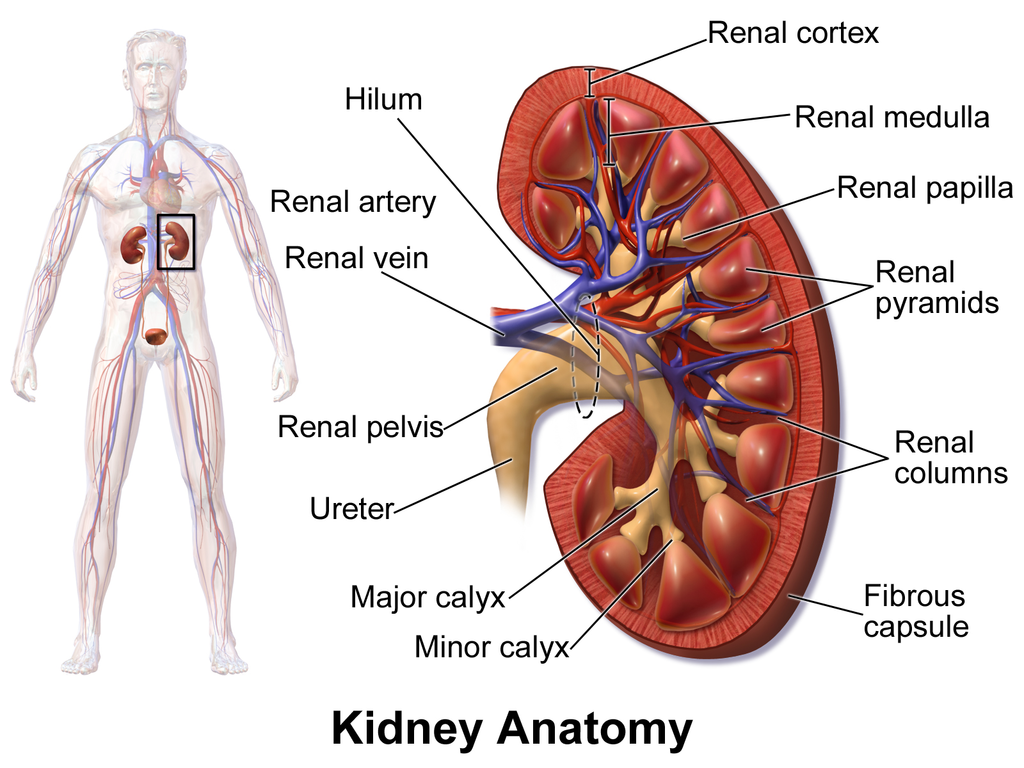
Terminology
- Focal means when doing a biopsy there is less than 50% of glomeruli involved
- Segmental means portion of the glomerulus is involved, others are normal
- Glomerulosclerosis: sclerosis means scar
- So it means less than 50% of glomeruli are scarred
Overview
- FSGS is the most common cause of nephrotic syndrome in adults (in children most common cause of nephrotic syndrome is the MCD)
- FSGS is second most common cause of nephrotic syndrome in children
- FSGS is common in people of west African descent (the primary genetic type)
- FSGS famous for causing damage to transplanted kidney in less than 24 hours
- Minimal change disease and FSGS on the same spectrum of podocyte injury (both affect foot processes): MCD is mild injury, FSGS is severe
- Poor prognosis
Etiology
Primary FSGS:
- idiopathic
- Genetic/ familial
- Secondary FSGS
- HIV
- Sickle cell anemia
- Drugs (pamidronate, heroin)
- Massive obesity
- Renal injury (e.g. renal injury from HUS)
- Systemic disease
Pathogenesis
- In primary FSGS there is injury to the podocyte due to a circulating toxin
- Secondary FSGS
- Reduced renal mass, sickle cell and obesity lead to increased glomerular capillary blood pressure lead to hyperfiltration through the glomerulus and subsequent podocyte injury
- In HIV, drugs (heroin, pamidronate) there is a direct injury to the podocyte either by the virus or the drug
Renal biopsy
- Light microscopy shows segmental sclerosis
- Immunofluorescence shows deposition of C3 complement and IgM in area of the scar
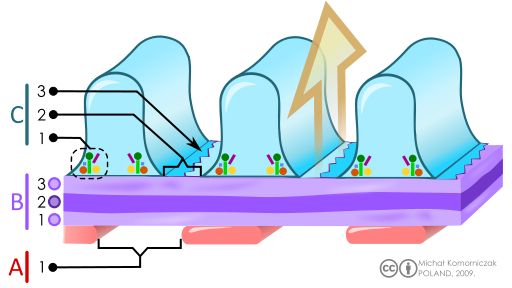
- Electron microscopy shows effacement of foot processes
- Since FSGS is focal, the abnormality may not show on renal biopsy and it would be normal leading to initial diagnosis of MCD
Presentation
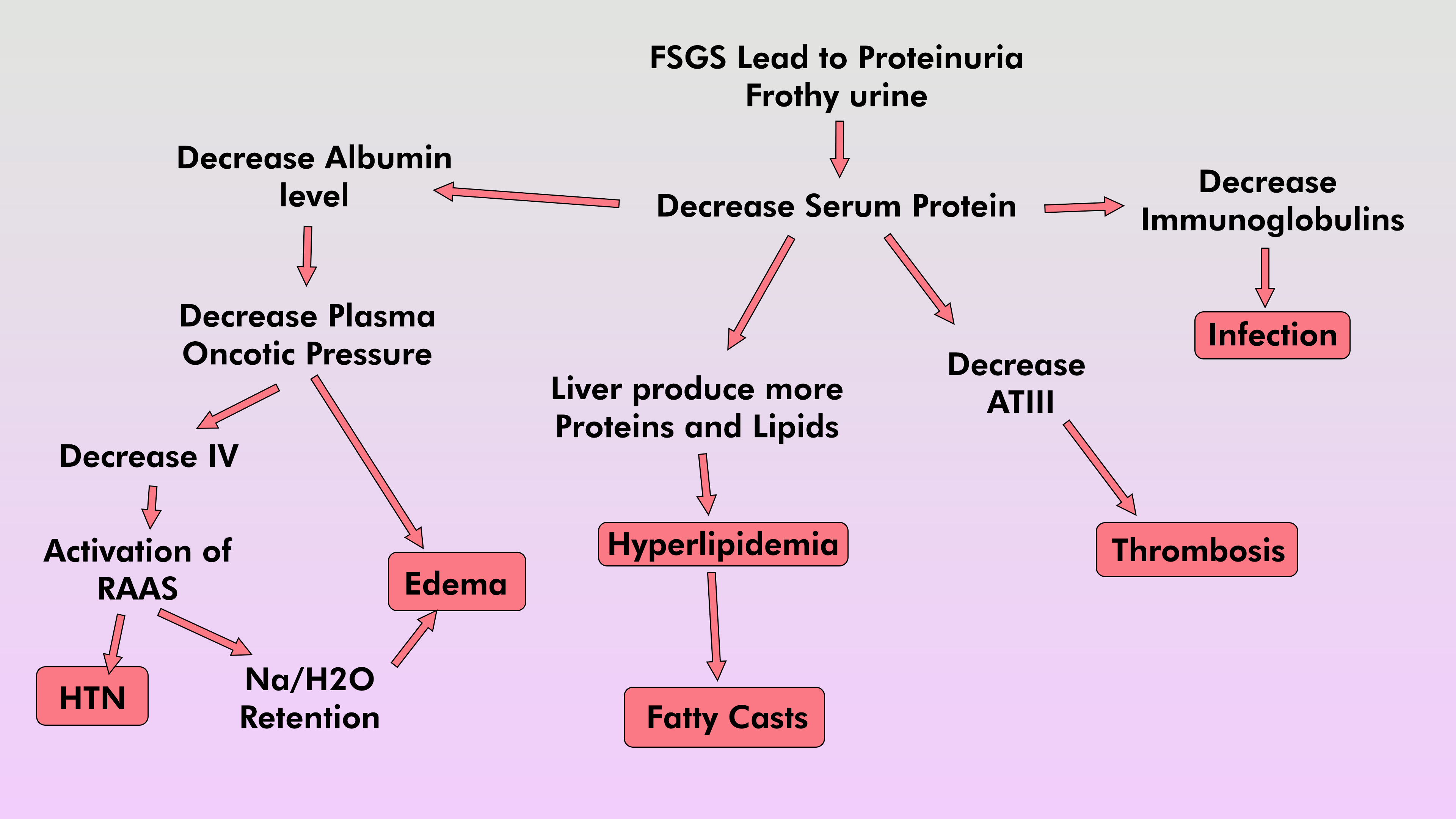
- Primary FSGS typically present with acute fulminant nephrotic syndrome same with minimal change disease
- Secondary FSGS is mostly asymptomatic with nephrotic range proteinuria or below that without hypoalbuminemia or edema
- Frothy urine
- Pitting edema, worse in lower extremities,
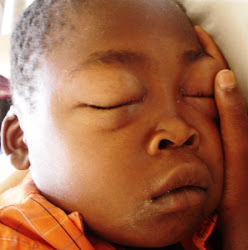
- Periorbital edema
- Abdominal pain due to ascites, severe hypovolemia, peritonitis, pancreatitis, thrombosis, or steroid induced gastritis
- Hypertension
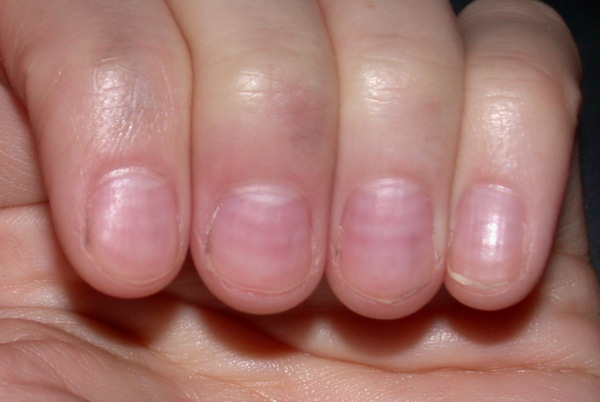
- Patients may develop white nails sometimes in bands (Muehrcke's lines) during relapses
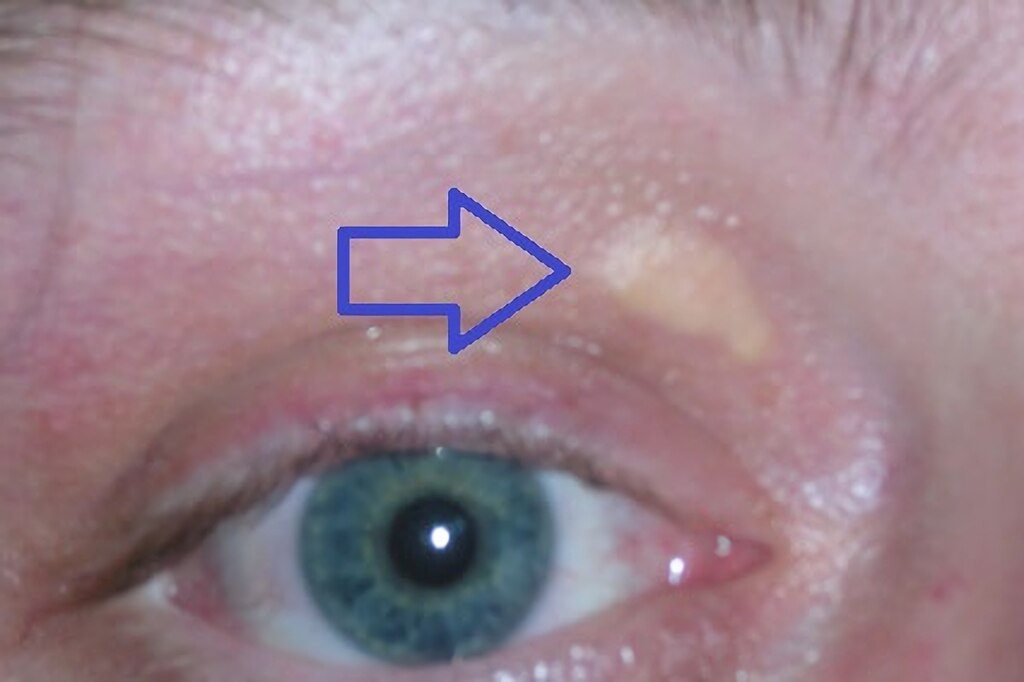
- Adults may develop xanthomas and xanthelasma because of hyperlipidemia
Diagnosis
- Nephrotic range proteinuria, urine dipstick test 3+, 4+
- 24 hours urine protein is > 3.5g
- Urine protein creatinine ratio of more than 3
- Comprehensive metabolic panel looking for Hypoalbuminemia: serum albumin < 3
- Renal function test: BUN and creatinine looking for renal dysfunction
- Serum electrolytes looking for calcium and other electrolytes changes because Total serum calcium and vitamin D decreased due to decrease protein bound calcium and decrease vitamin D binding proteins lost in urine respectively, ionized calcium is usually normal
- Mild hyponatremia during relapses
- Elevated hemoglobin and hematocrit levels and thrombocytosis are usually found during relapse as result of plasma volume contraction
- Confirmatory test is renal biopsy
Treatment of primary FSGS
- Primary FSGS may respond to high dose glucocorticoids therapy (0.5-2 mg/kg/day) but the response is not as fast as in MCD
- Calcineurin inhibitors, cyclophosphamide and mycophenolate mofetil sometimes used but their efficacy is variable
- Progression to CKD is common patients who don’t respond to glucocorticoids and disease recurs after renal transplantation
Treatment of secondary FSGS
- Treat secondary causes
Treatment
- Supportive therapy
- Strict blood pressure control < 130/80 mmHg using ACEs or ARBs
- Hyperlipidemia treated with statins
- Edema treated with sodium restriction and diuretics
- Thrombophilia treated with anticoagulation
- Infections treated with antibiotics
Complications
- Kidney failure is a common long term complication among the FSGS patients
- Untreated cases all progress to end stage kidney disease except for less than 10% of them
Continue learning
Practice the topics covered in this lecture.