
Pharmacology
Acetaminophen Pharmacology: Mechanism of Action, Therapeutic Uses & Adverse Effects
Source presentation · 4 min read
Edits save on this browser. Download a copy for your records.
Acetaminophen
Classification of analgesics
- Opioid analgesics
- NSAIDs
- Analgesics antipyretics drugs: e.g. acetaminophen, dipyrone and nefopam
- Non analgesic drugs that work as analgesics for some conditions: e.g. carbamazepine (antiepileptic drug) used for trigeminal neuralgia, duloxetine (anti depressant) used for diabetic neuropathy
Overview
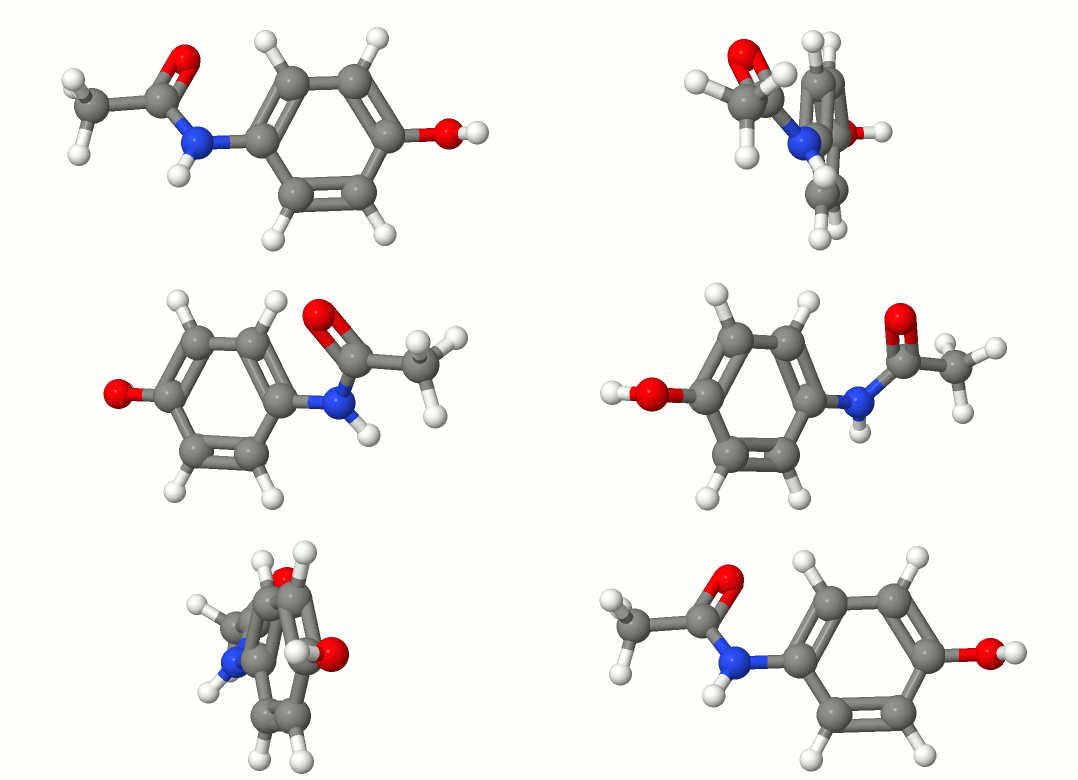
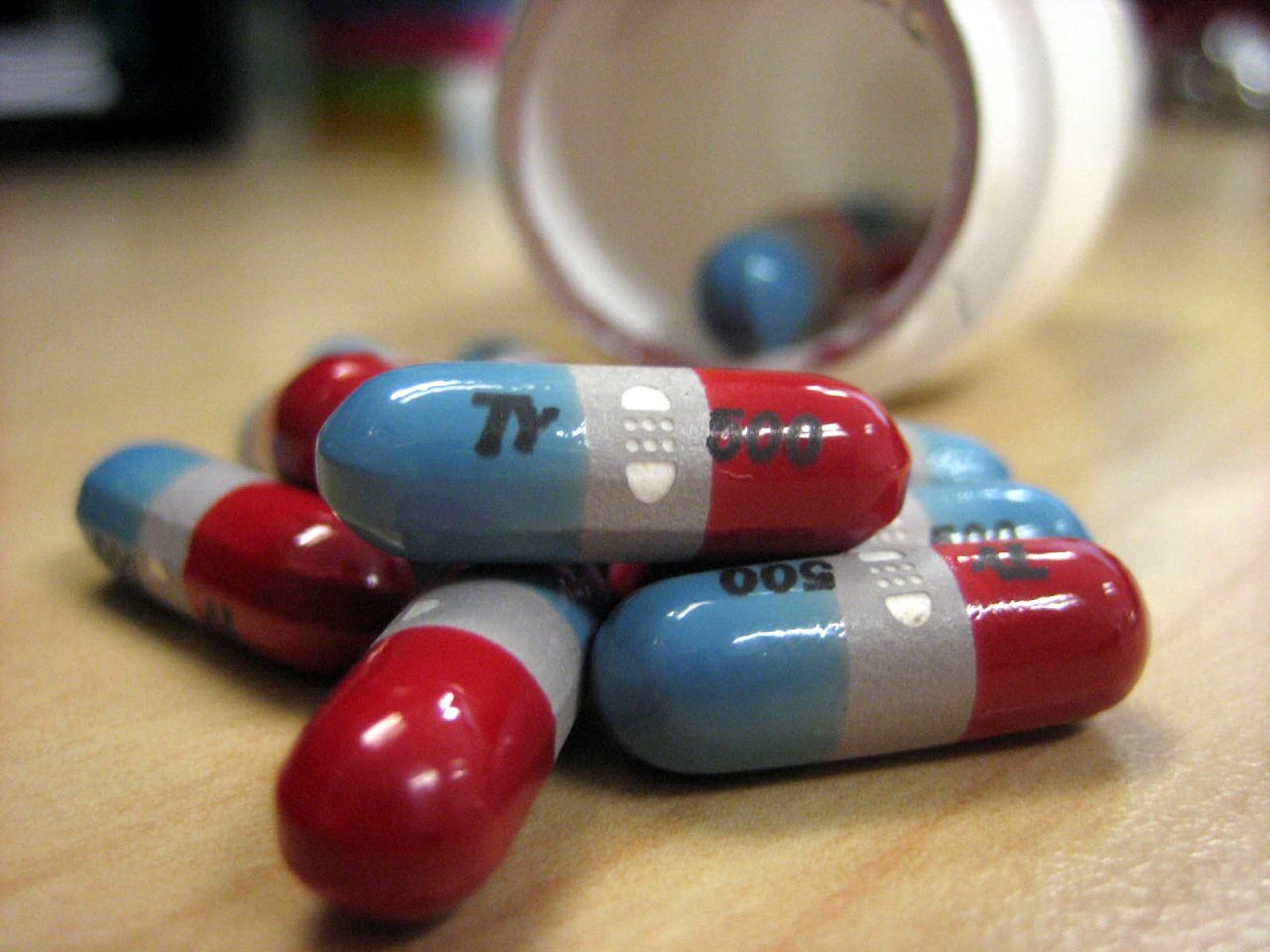
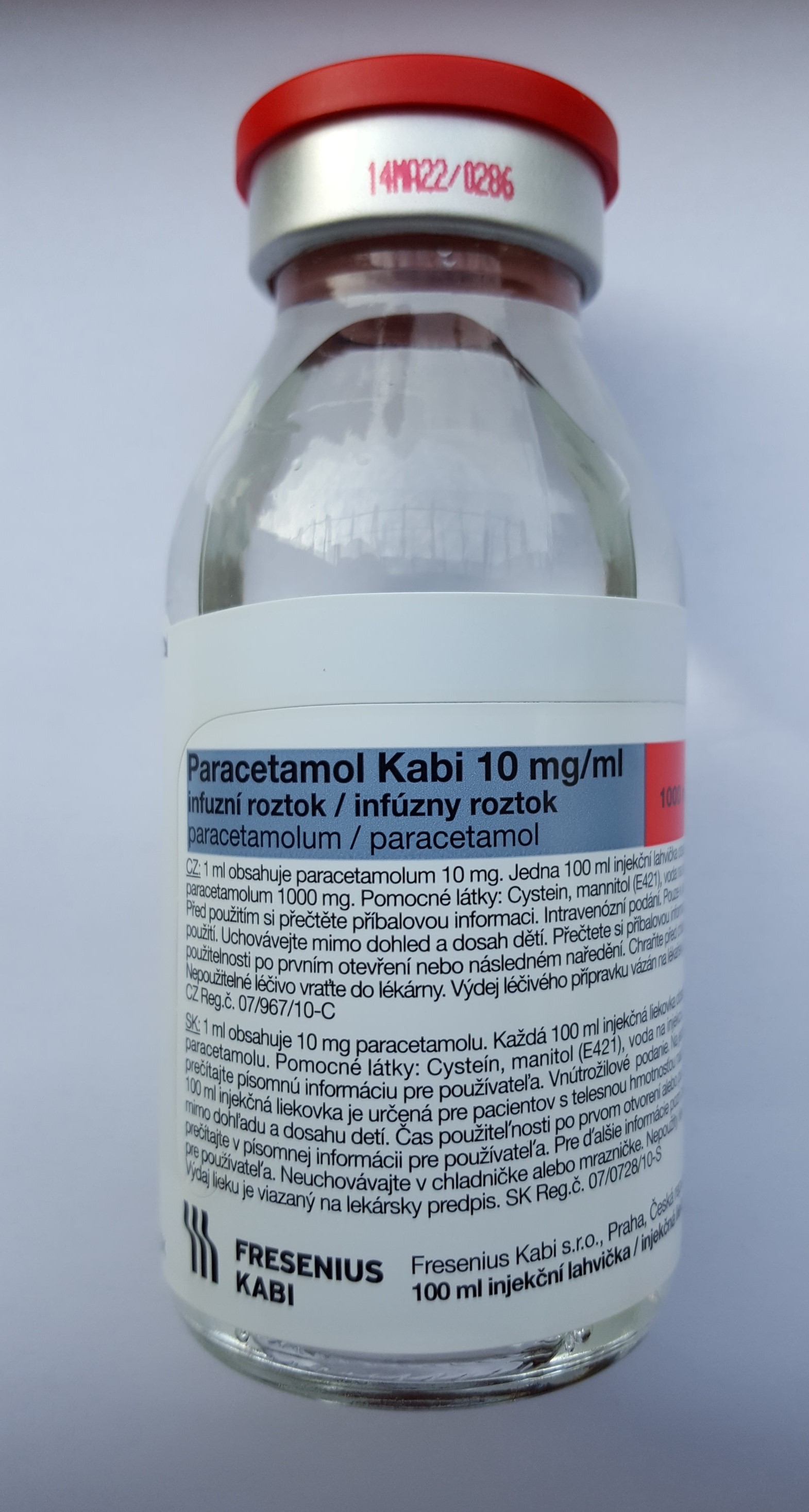
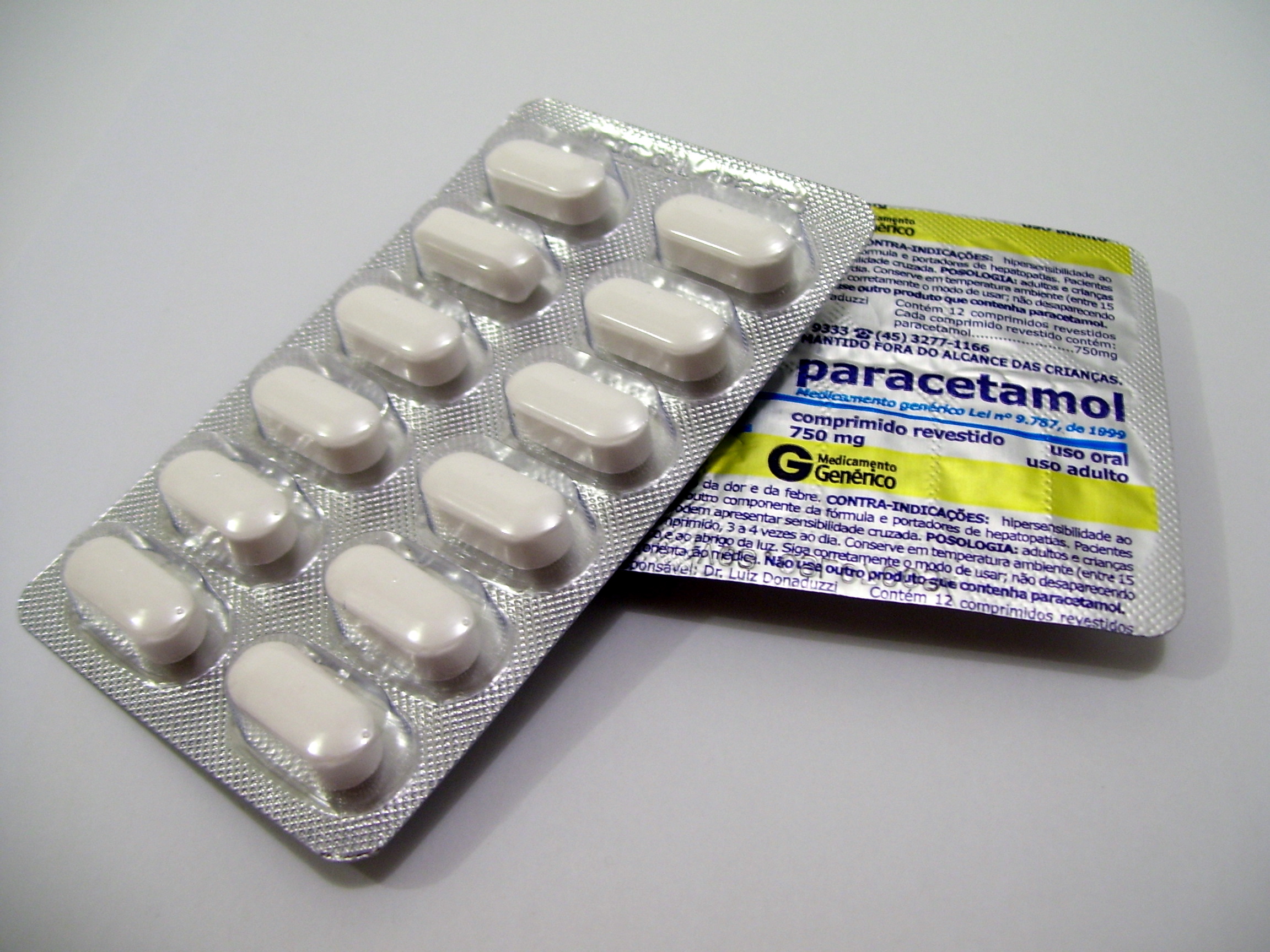
- Scientific name is acetaminophen, trade names are paracetamol, Tylenol, Panadol …
- Non opioid analgesic antipyretic that is used to treat fever and mild to moderate pain, it is the most commonly used medication for pain and fever in US, Europe
- It was synthesized in 1878 by the American chemist Northrop Morse
Pharmacokinetics
- Acetaminophen available oral, IV and rectal
- Absorption of oral formula is rapid but the drug is extensively metabolized by first pass effect and bioavailability is dose dependent (50% at 500mg and 90% at 1000mg)
- Metabolized by the liver via conjugation, a portion of the acetaminophen dose given will be hydroxylated to form N acetyl p benzoquinoneimine (NAPQI), which will react with sulfhydryl groups and cause liver damage
- Excretion is mainly renal
Mechanism of action
- Acetaminophen inhibit prostaglandin synthesis in the brain which lead to the analgesic antipyretic effects
- It doesn’t inhibit prostaglandin synthesis in peripheral tissues because of peripheral inactivation, that is why it has weak anti inflammatory activity
- It has little to no effects on CVS, GIT, respiratory or PLT function
Therapeutic uses
- It is used as analgesic (for mild to moderate pain like headache, myalgia, mild MSK pain… ) and antipyretic
- Paracetamol in arthritis pain is not effective and if it is given, it has to be combined with ibuprofen
- It is useful in patients who can’t take NSAIDs because of gastric problems or they doesn’t need the extra anti inflammatory effects that comes with the NSAIDs
- It is very safe in pregnancy (much better than aspirin)
- It is used as analgesic/antipyretic in children with viral infections or chickenpox (due to risk of Reye syndrome with aspirin)
- Paracetamol is inferior to NSAIDs in pain relief but it is safer and better tolerated by patients
Adverse effects
- Acetaminophen is well tolerated by most people
- It may lead to allergic reactions (e.g. skin rash and fever)
- Liver damage: In toxic doses of acetaminophen (about 15 g in adults, 4 g in children), there is hepatotoxicity (centrilobular necrosis) and it is sometimes associated with renal tubular necrosis
- Acetaminophen overdose is the most common cause of acute liver failure
- acetaminophen is metabolized by the liver via conjugation, a portion of the acetaminophen dose given will be hydroxylated to form N acetyl p benzoquinoneimine (NAPQI), which will react with sulfhydryl groups and cause liver damage
- At normal doses of acetaminophen NAPQI will react with sulfhydryl group in glutathione (produced by liver) forming non toxic substance
- At high doses, glutathione stores will be depleted, and NAPQI cause liver injury
- Early symptoms of hepatic damage include nausea, vomiting, diarrhea and abdominal pain, late symptoms include jaundice, edema… (liver failure)
- Patients with hepatic disease are at higher risk of hepatic damage from acetaminophen
- acetaminophen also lead to renal damage, hemolytic anemia, methemoglobinemia but those are rare
Treatment of acetaminophen overdose
- Gastric lavage
- Sulfhydryl donors (N acetyl cysteine) to restore hepatic glutathione. It is most effective if started within 8 hours of the drug administration
- Hemodialysis: better within first 12 hours after ingestion
Acetaminophen Dosing
- Dose of 325- 500 mg four times daily, for children it is 10-15 mg/kg
- Dosing in adults should not exceed 4g/d
- acetaminophen dose of 4g associated with LFTs abnormalities, so don’t exceed that dose
Continue learning
Practice the topics covered in this lecture.