
Pharmacology
Barbiturates Pharmacology: Mechanism of Action, Therapeutic Uses & Adverse Effects
Source presentation · 5 min read
Edits save on this browser. Download a copy for your records.
Overview
- Barbiturates are sedative hypnotics drugs, sedative hypnotics also include benzodiazepines, z drugs and other hypnotics
- Barbiturates are dangerous because they may lead to respiratory depression and vasomotor depression
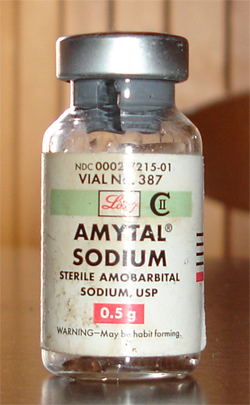
- Amylobarbitone was The first barbiturate to be discovered in 1928 and used as intravenous anesthetic
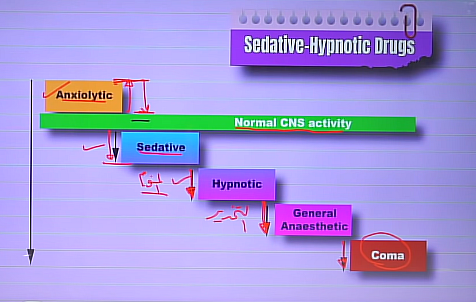
- Sedative effect is when there is reduction in CNS activity, leading to reduction in anxiety and exertion of a calming effect
- Hypnotic effect is when there is reduction in CNS activity even more than sedation, leading to drowsiness and sleep
- Barbiturates can achieve both of these effects depending on the dose
Why barbiturates are dangerous
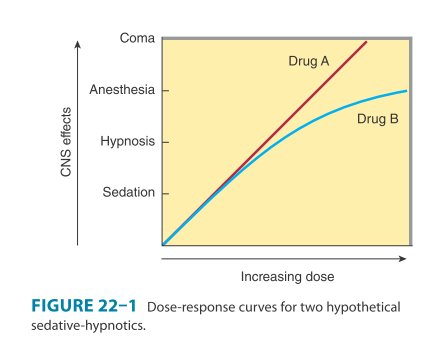
- When you increase the dose of barbiturates, there is more CNS depression, eventually might lead to coma, respiratory and vasomotor depression and death
- This doesn’t happen with benzodiazepines (another class of sedative hypnotics) that is why they are safer
Barbiturates classification
| Examples | Duration | T1/2 | |
|---|---|---|---|
| Ultra short acting | Thiopental Methohexital | 30 min | 8-10 hours |
| Short acting | Hexobarbital Pentobarbital Secobarbital | 2 hours | 10-40 h |
| Intermediate acting | Amobarbital Butalbital | 3-6 hours | 15-50 h |
| Long acting | Phenobarbital Primidone | 6 h | 80- 120 h |
Pharmacokinetics
- Absorption: oral formulas of most of these medications are rapidly absorbed, and bioavailability is good, e.g. phenobarbital bioavailability is 90%
- Distribution: barbiturates are highly lipid soluble and it distribute to most of the body tissues including brain, but then it rapidly redistribute to less vascular tissues like muscle and fat, decreasing its concentrations in plasma and brain, redistribution lead to termination of its central effects
- Metabolized in the liver mainly by oxidation
- Excreted renally
Mechanism of action
- Barbiturates work on GABA A receptors in the CNS
- GABA receptors composed of five subunits and they are the chief inhibitory receptors in the CNS
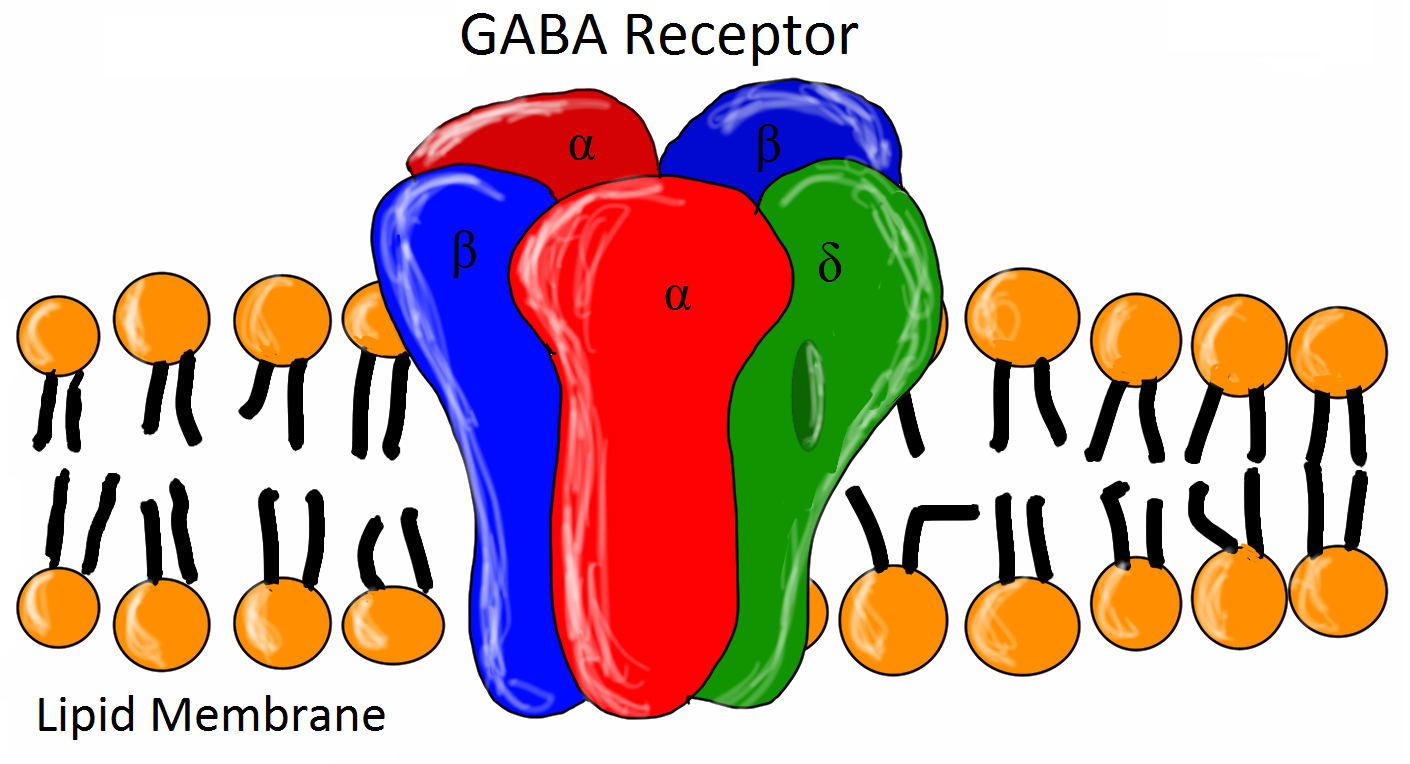
- GABA receptors are normally activated by GABA neurotransmitter (gamma aminobutyric acid), GABA bind into one of the receptor subunits to activate it
- Activation of the receptor lead to the opening of the ion channel that allows chloride ions to pass through it leading to reduction in neuronal excitability and inhibition of nerve transmission => CNS inhibition
- Barbiturates cause enhancement of GABA, by interacting with the alpha and beta subunits of the GABA A receptors, which lead to increase chloride ion flow resulting in hyperpolarization and CNS depression
- Most of the sedative hypnotic drugs work on GABA receptors to increase chloride flow like benzodiazepines and z drugs
Pharmacologic effects
- Antianxiety effect at small doses
- Sedative and Hypnotic effect in larger doses
- Anesthetic effect with thiopental or methohexital intravenously for short period of time
- Euphoria
- Anticonvulsant effect, phenobarbital is used in treatment of tonic clonic seizures
- Generalized CNS inhibition including medullary centers in toxic doses, leading to hypotension, bradycardia and apnea
- Barbiturates induce hepatic microsomal enzymes
Therapeutic uses
- Phenobarbital is used in treatment of tonic clonic seizures
- Phenobarbital also used as a hepatic microsomal enzyme inducer in treatment of physiological jaundice in neonates
- Thiopental is used in induction of anesthesia but later it was replaced by propofol
- Thiopental also used for interrogation because lying is more complex that telling truth and it need more CNS activity
- Methohexital is used for procedural anesthesia for cardioversion and fracture reduction
- Barbiturates was used for treatment of neonatal withdrawal syndrome, insomnia and anxiety but now mostly replaced by benzodiazepines and newer hypnotics
Adverse effects
- Tolerance and physical dependence due to decrease sensitivity of GABA receptors and increase levels and receptor upregulation of excitatory transmitters such as NMDA glutamate receptors
- Drowsiness and impaired concentration.
- Hangover: state of psychomotor depression occurs in the following day after use of long acting drugs (residual effect)
- Respiratory and myocardial depression especially with IV formulas
- Increase porphyrin synthesis precipitating symptoms of acute intermittent porphyria
- Extravasation of thiopental lead to severe tissue necrosis, treated with topical application of local anesthetic and local injection with lidocaine
- Hepatotoxicity especially with phenobarbital
Drug interactions
- Phenobarbital is a strong CYP inducer, it lowers plasma levels of other antiepileptic drugs like lamotrigine, phenytoin and valproate, it also lead to contraceptive failure and other drugs metabolized by CYP
Contraindications
- Severe respiratory insufficiency
- Sleep apnea syndrome
- Acute narrow angle glaucoma because they increase IOP
- Pregnancy (teratogenic)
- With other CNS depressant drugs like alcohol
Toxicity
- Barbiturates can be abused by people and overdose can occur from that, overdose can also occur unintentionally due to hepatic or renal problems
- Acute barbiturate toxicity symptoms include CNS depression, respiratory failure and hemodynamic instability
Treatment of toxicity
- No antidote available
- Mechanical ventilation
- IV fluids
- Alkalinization of urine because those are acidic drugs
Continue learning
Practice the topics covered in this lecture.