
Pharmacology
Histamine H2 Receptor Antagonists: Mechanism of Action, Therapeutic Uses and Adverse Effects
Source presentation · 2 min read
Edits save on this browser. Download a copy for your records.
Mechanism of action
- H2 receptor antagonists work by suppressing gastric acid secretion by competitively antagonizing the histamine H2 receptors located on gastric parietal cells
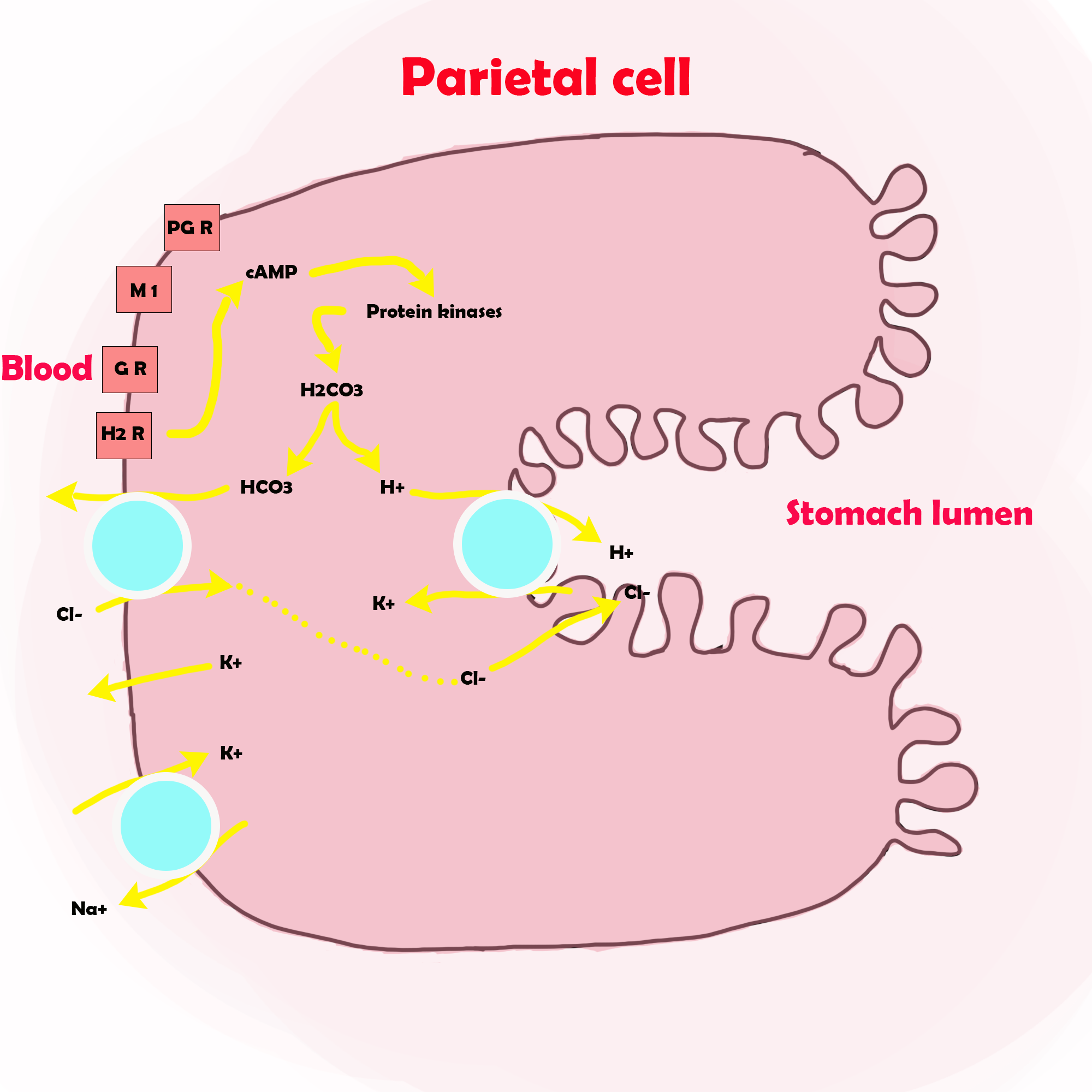
H2 Blockers
FDA approved H2 blockers include:
- Cimetidine
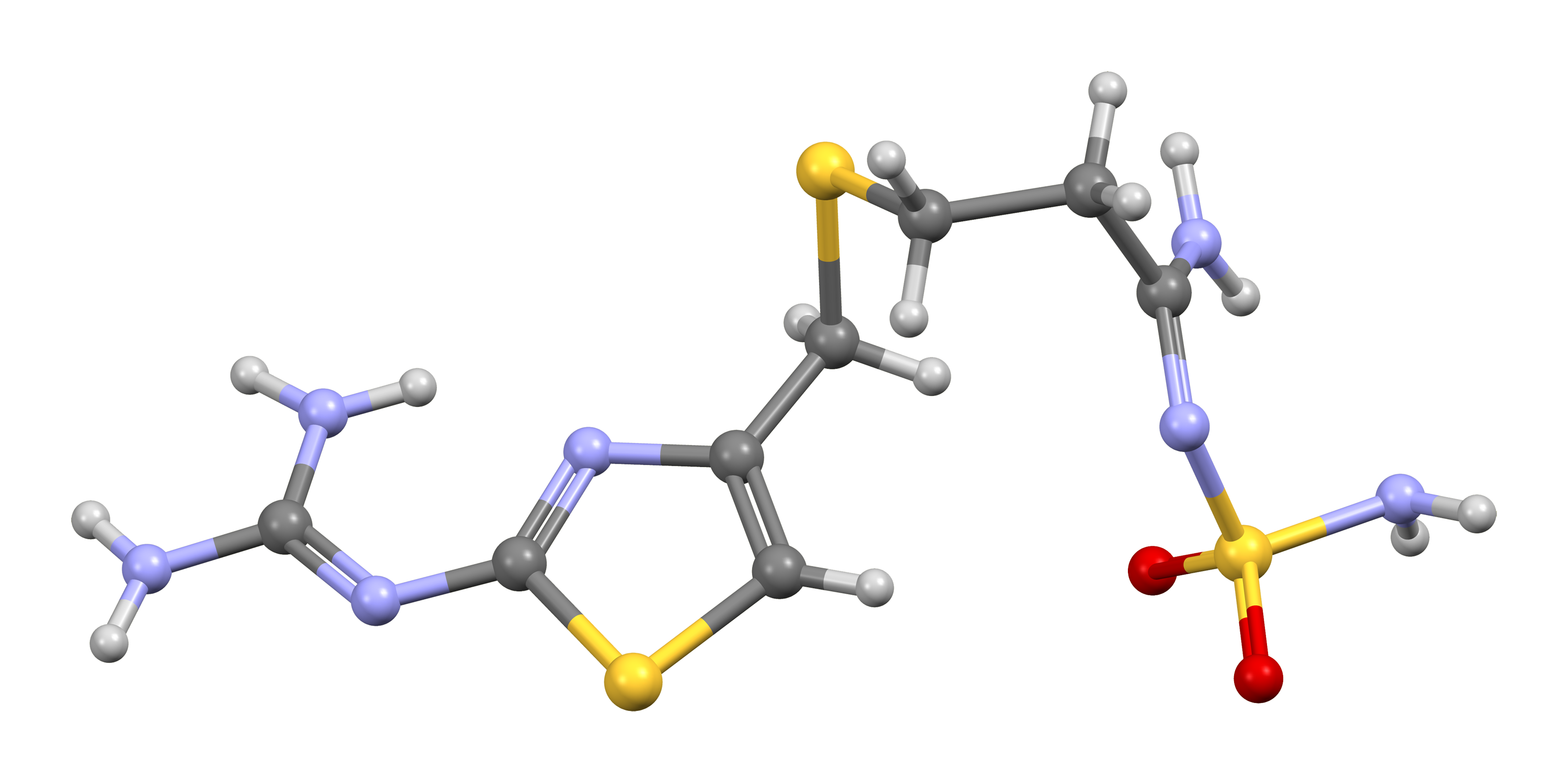
- Famotidine
- Nizatidine
Therapeutic uses
H2 blockers are FDA approved for:
- Short term treatment of uncomplicated GERD
- Gastric and duodenal ulcers (PPI is first line)
- Mild to infrequent heartburn or indigestion
Off label uses include:
- Stress ulcer prophylaxis (e.g. in trauma and burn patients) (PPI is first line)
- Esophagitis and gastritis treatment (PPI is first line)
- In GI hemorrhage treatment (PPI is first line)
- Urticaria
- H. Pylori eradication therapy (PPI is first line)
- Heartburn during pregnancy (Antacids are first line)
Pharmacokinetics
- H2 blockers are available as oral fromulations and they have good absorption after oral administration
- Onset of action start in about an hour after administration and duration of action is from 4- 10 hours
- All of them have the same efficacy in decreasing gastric acid secretion
Adverse effects
- H2 Blockers are generally well tolerated
Adverse effects include:
- Hypotension
- Headache
- Drowsiness
- Fatigue
- Abdominal pain
- Constipation or diarrhea
Cimetidine and famotidine may lead to CNS side effects in patients older than 50, those include:
- Delirium
- Confusion
- Hallucination
- Slurred speech
- Prolonged and high doses of cimetidine are linked with development of gynecomastia, reduced sperm count and impotence in men; galactorrhea in women; this is solved with drug discontinuation
- Tolerance and tachyphylaxis occur within 7 to 14 days of continued treatment
- That is why intermittent or as needed use is preferred for these medications
- Small bowel bacterial overgrowth or C. difficile infection can occur with these medications but it is rare
Drug interactions
- Cimetidine is a potent CYP P450 enzyme inhibitor, it raises the levels of medications that are metabolized by CYP, e.g. theophylline, SSRI and warfarin
Continue learning
Practice the topics covered in this lecture.