
Orthopedics
Odontoid Process Fractures: Anderson D'Alonzo Classification
Source presentation · 2 min read
Edits save on this browser. Download a copy for your records.
Definition
- 3 types classification system for odontoid process fractures
- It takes into account the level of the fracture in relation to the odontoid process and the C2 vertebral body
Classification
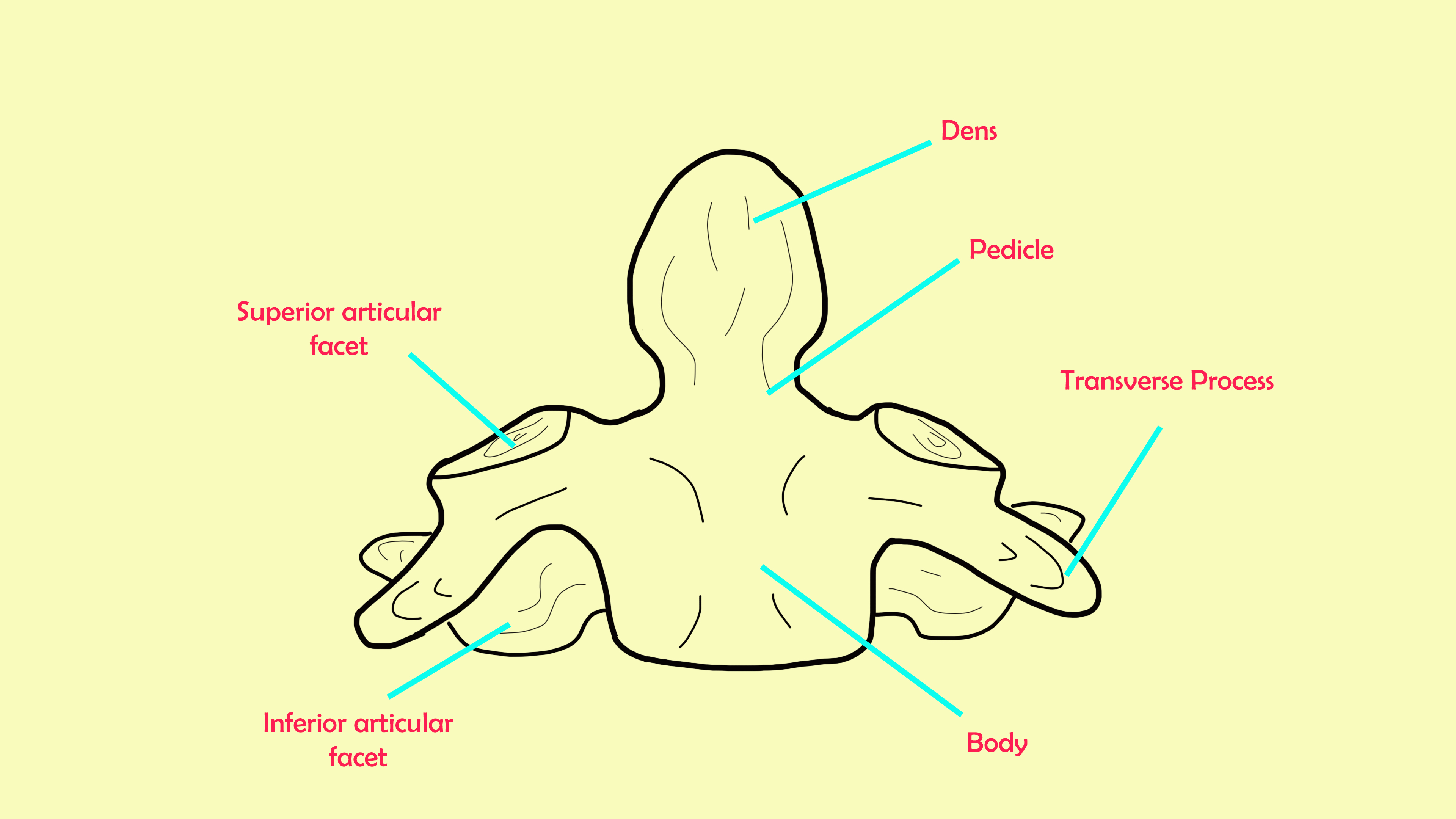
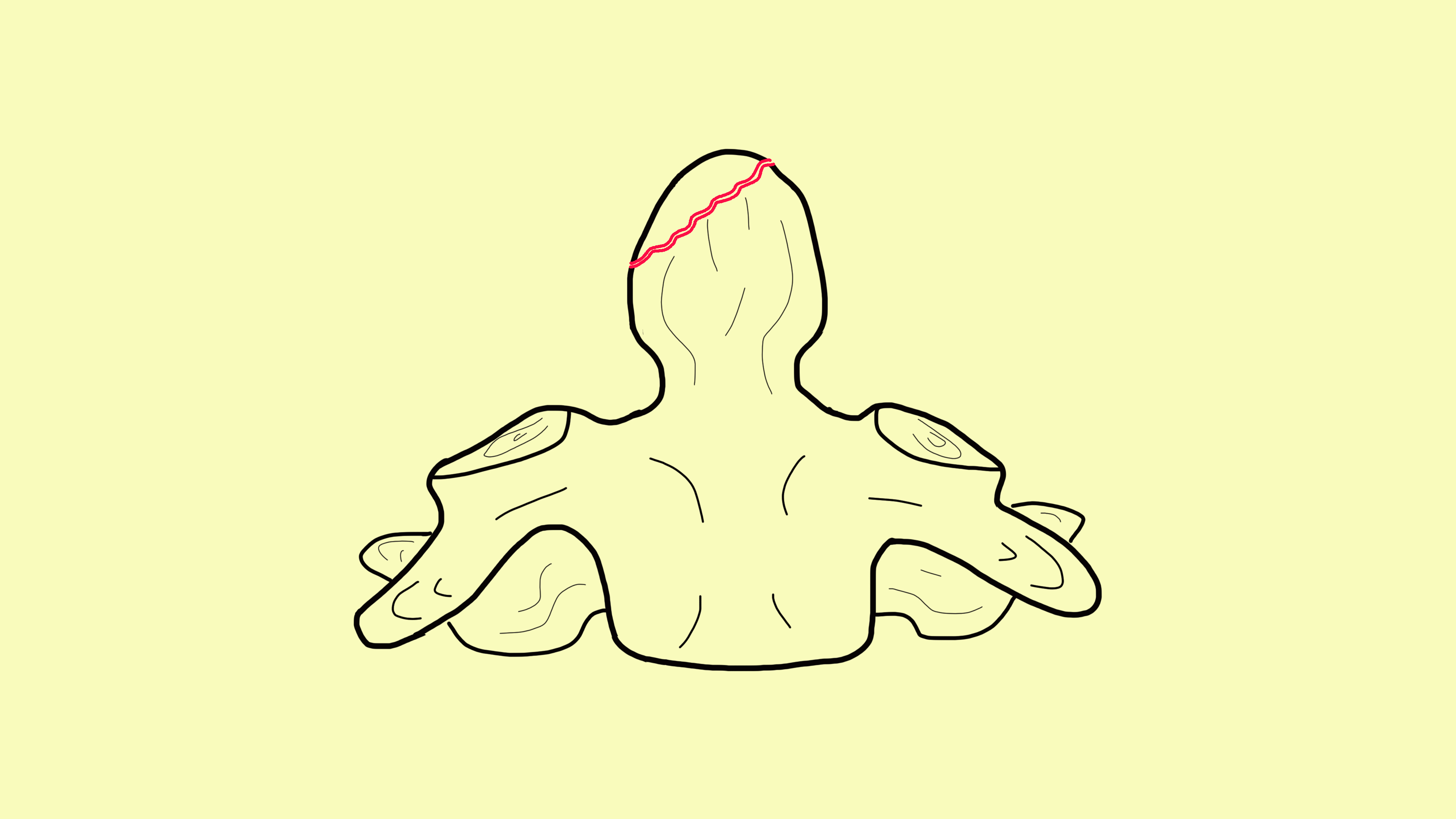
- Type 1: fracture at the tip of the odontoid process
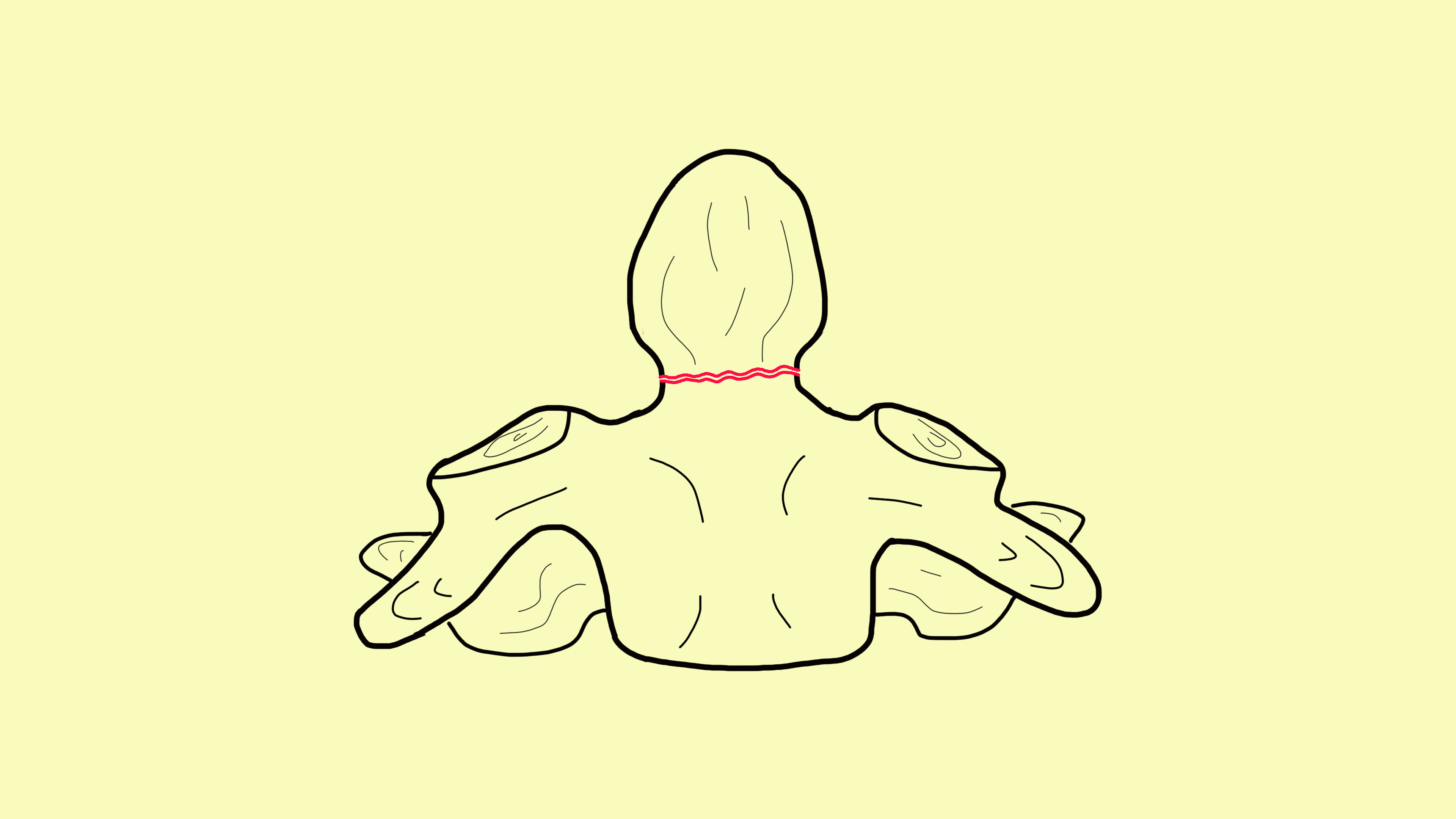
- Type 2: fracture at the base of the odontoid process
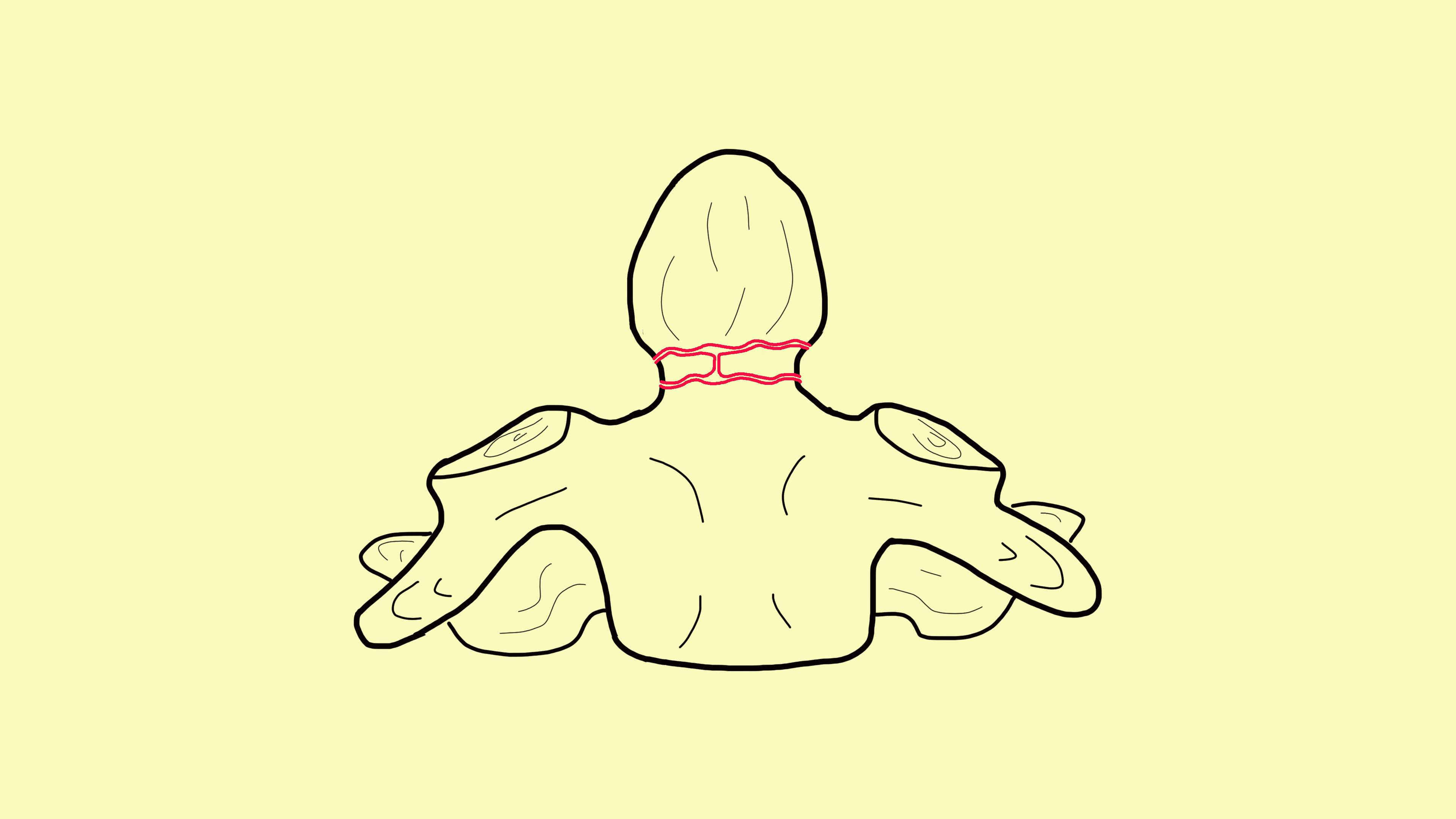
- Type 2a: comminuted fracture at the base of the odontoid process
- Type 3: fracture at the body of the C2 vertebrae
Presentation section
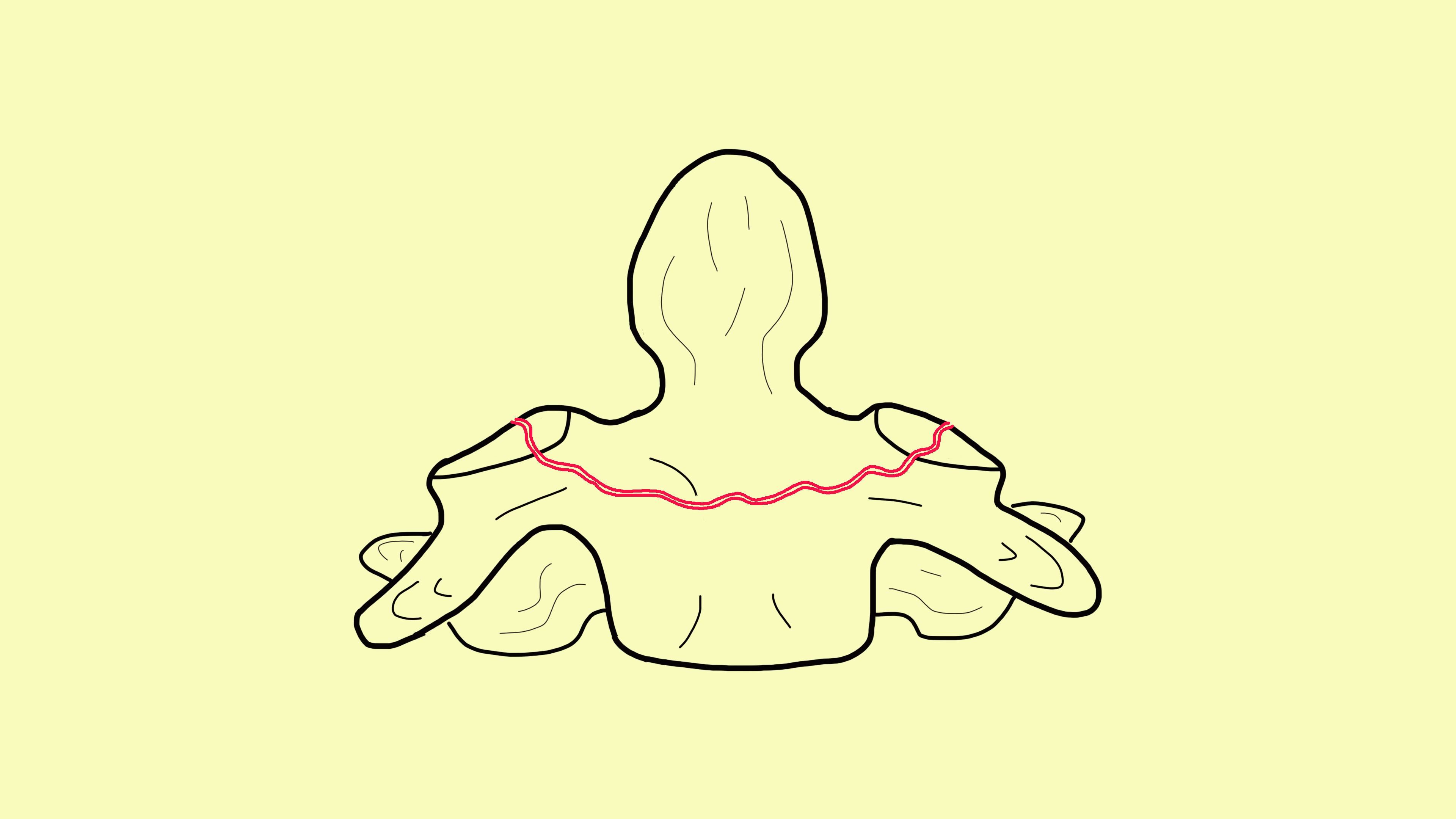
Type 1
- Fracture location: at the tip of the odontoid process
- Fracture type: simple avulsion fracture
- Mechanism of injury: lateral force applied when head is extended
- Rare
- Stable
- Treatment: immobilization until pain subsides
Type 2
- Fracture location: at the junction of the odontoid process and the body of the axis
- Fracture type: simple
- Mechanism of injury: hyperflexion => anterior displacement of the dens, hyperextension => posterior displacement
- Most common
- High non union rates
- Unstable
Treatment
- Young patients with undisplaced fracture: traction followed by collar or halo vest
- Elderly patients with undisplaced fracture: traction followed by collar, surgery has poor risk to benefit ratio
- Patients with displaced fracture: Surgery by inserting anterior lag screw from C2 body into the dens
Type 2a
- Fracture location: at the base of the odontoid process
- Fracture type: comminuted
- Mechanism of injury: same as type 2
- Even higher nonunion rates compared to type 2
- Represent 5- 10% of type 2 fractures
- Treatment: surgery (posterior C1- C2 fusion)
Type 3
- Fracture location: through the odontoid and into the lateral masses of the axis vertebrae
- Fracture type: simple
- Mechanism of injury: unclear
- Relatively stable
- Best prognosis for healing
- Treatment
- Undisplaced fractures: immobilization for 8- 12 weeks
- Displaced fractures: reduction by traction then immobilization for 8- 12 weeks
Continue learning
Practice the topics covered in this lecture.