
Pharmacology
Morphine Pharmacology: Mechanism of Action, Therapeutic Uses & Adverse Effects
Source presentation · 9 min read
Edits save on this browser. Download a copy for your records.
Morphine
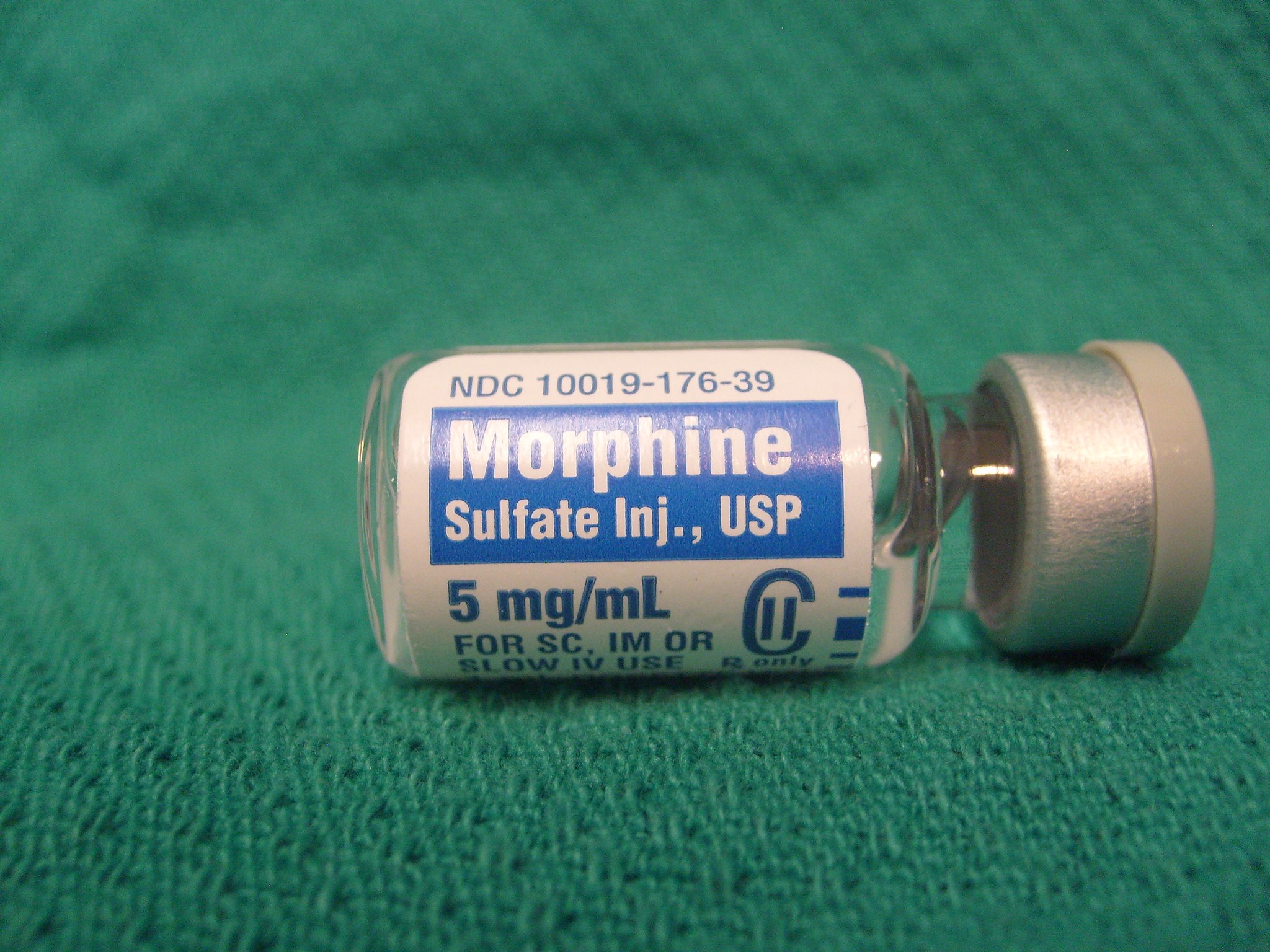

Overview
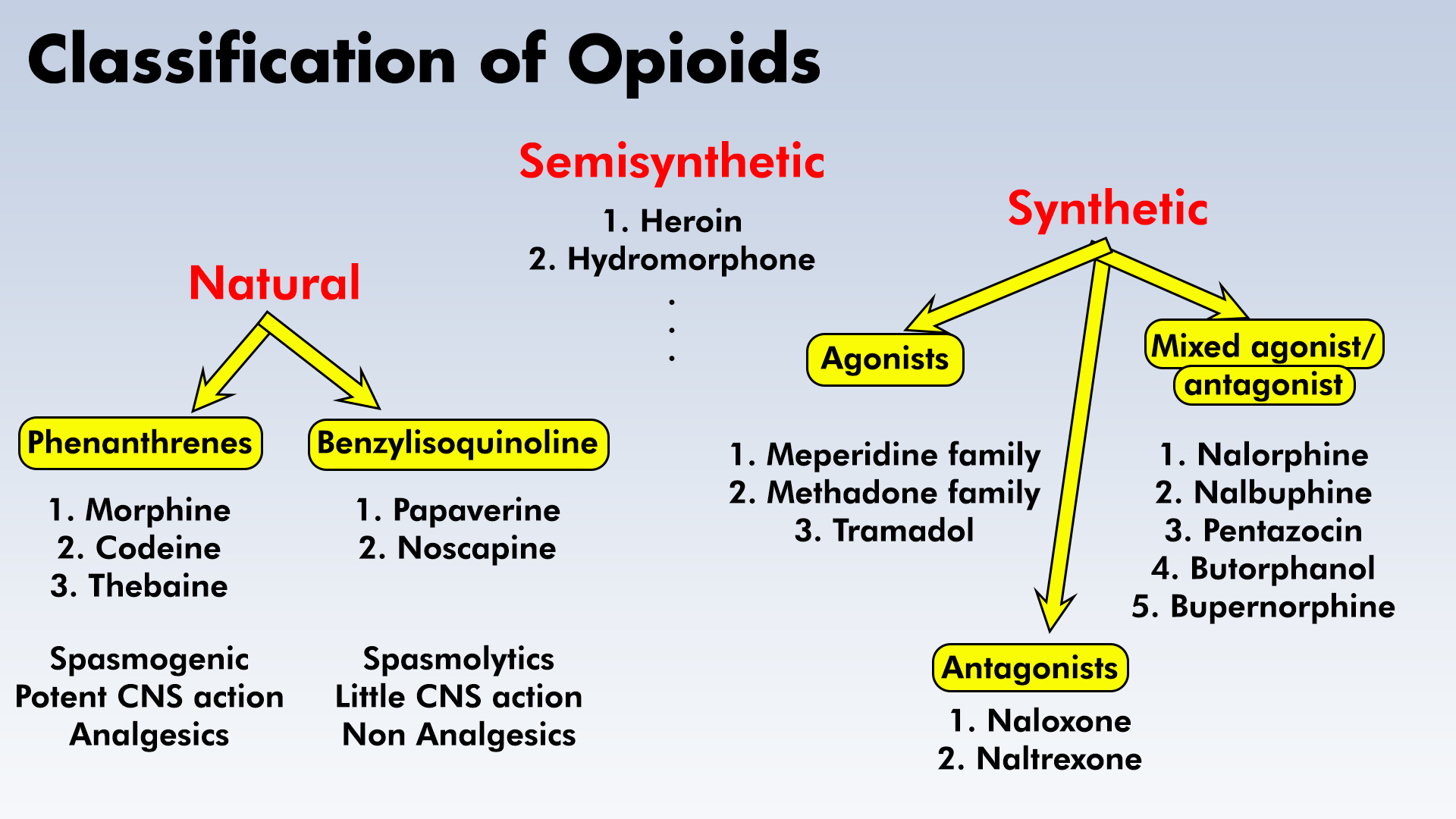
- Morphine is the prototypical opioid, Opioids are analgesic drugs
- Morphine is derived from the opium plant and isolated in 1803
- Name morphine is after Morpheus (the Greek god of dreams)


Pharmacokinetics
- Available as oral, IV, IM and subcutaneous
- Good oral absorption
- Bioavailability after oral administration is 25% due to significant first pass effect
- Distribution: morphine quickly leave the blood and into the tissues mainly brain, lungs, liver, kidneys and spleen
- Half life is 4-5 hours
- Metabolized in the liver by conjugation into active and inactive metabolites
- Excretion 90% through kidneys, 10% through bile
Morphine mechanism of action
- Morphine works on the opioid receptors which are three major receptors Mu (μ), delta (δ) and kappa (κ)
- Each of these receptors has subtypes, μ has μ 1 and μ 2, δ has δ1 and δ2, κ has κ1 and κ2
- All of these receptors are G protein coupled receptors
- These receptors all located everywhere in the body including brain, spinal cord (esp. dorsal horn) and peripheral tissues
- morphine bind to these receptors and act as agonists on those receptors
- Morphine exhibit a greater affinity to μ receptors
Morphine Pharmacologic Effects
Activation of these opioid receptors by morphine lead to several central effects (CNS effects):
- Analgesia
- Euphoria
- Sedation
- Respiratory depression
- Cough suppression
- Miosis
- Nausea and vomiting
- Pruritus
Activation of these opioid receptors by morphine lead to several peripheral effects including:
- CVS
- GIT
- RS
- Renal
- Endocrine
- Immune
Morphine analgesia
- Dose dependent analgesia, patient stay conscious and can locate the source of the pain
- Morphine analgesia is sensory and emotional so the patient pain improves if it was due to physical problem or if it was psychological
Morphine analgesic mechanisms
- Morphine achieves analgesia by 4 mechanisms
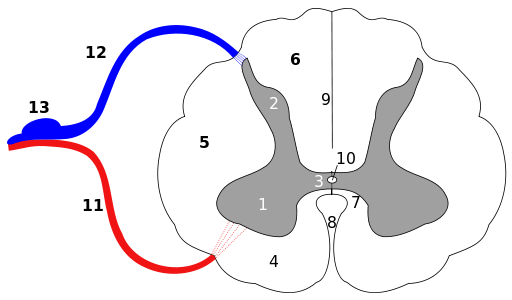
- Morphine works on the opioid receptors (mu, kappa, delta) in the posterior horn of the spinal cord, those receptors are located in high densities in the posterior horn and once activated would decrease release of substance P which lead to decrease pain sensation and this is called spinal analgesia
- Morphine also work by activating the opioid receptors in the brain which once activated there it would activate the descending inhibitory pain control pathways which also lead to decrease pain sensation, and this is called supraspinal analgesia
- Morphine decrease norepinephrine release in the CNS, this lead to decrease the psychological pain
- Morphine also work on the peripheral opioid receptors in the painful tissue
Euphoria
- Pleasant sensation with decrease anxiety
- People seek this effect during recreational use of this drug
- Result from decreasing norepinephrine release in some CNS areas
Sedation
- Decrease consciousness (drowsiness)
- Some amnesia
- Sometimes sleep (patient can be easily aroused) in comparison with sedative hypnotics drugs may results in deep sleep
Respiratory depression
- All the opioids agonists including morphine lead to respiratory depression by inhibiting the respiratory center in the brainstem
- Dose dependent
- CO2 retention occurs with cerebral vasodilatation and increase ICP
- Respiratory depression is worse in patients with asthma, COPD, head trauma
Cough suppression
- Morphine suppresses cough
- May lead to accumulation of respiratory secretions and atelectasis

Miosis
- Constriction of the pupils occur with all opioid agonists due to vagal stimulation, miosis is when pupil size less than 2 mm
- Mediated by parasympathetic pathway which can be blocked by atropine
- Severe miosis is indicative of toxic doses
- Miosis is a fixed feature in all addicts

Nausea and vomiting
- Occur due to activation of chemoreceptor trigger zone => nausea and vomiting
Temperature
- Endogenous opioid peptides partially regulates body temperature through their action on mu receptors
- Exogenous opioids (like morphine) will affect body temperature too, morphine produces hyperthermia
Morphine aggravate itching
- Morphine effect decrease pain but not itching, because itching has its own receptors which are different than pain receptors
- The mechanism of pruritus is through peripheral release of histamine and central activation of pruriceptive neural circuits
CVS system
- Morphine lead to bradycardia due to vagal stimulation
- Hypotension may occur with opioid use if there is some pathology in the CVS system
- Histamine release aid in development of hypotension
Respiratory system
- Morphine lead to Bronchoconstriction due to
- vagal stimulation
- histamine release
- Morphine also works on mu and delta receptors in the bronchi leading to bronchoconstriction
GIT tract
- Opioid receptors exist in high density in the GIT, when activation lead to decrease stomach motility and increase the tone ;; HCl secretion decreased
- Small intestine tone increased with periodic spasms, amplitude of nonpropulsive contractions is decreased
- Large intestine propulsive peristaltic waves markedly decreased and tone is increased which lead to delay passage of feces and allows more absorption of water which ultimately lead to constipation
- Constipation is a major problem in opioid use for cancer pain…
- This can be advantageous in diarrhea treatment, there is opioids that are modified to not cross blood brain barrier so they work on GIT only to treat diarrhea like loperamide
Biliary tract
- Contraction of biliary smooth muscles => biliary colic
- Contraction of sphincter of oddi => reflux of biliary and pancreatic secretions
Urinary system
- Mu receptors activation in the kidney and CNS have antidiuretic effects and lead to decrease renal function
- Ureteral and bladder tone are increased and sphincter tones also increased which may lead to urine retention especially in postoperative patients
- Ureteral colic could become worse when using opioid as a pain control
Uterus
- Decrease uterine contraction which lead to prolongation of labor
Endocrine
- Morphine stimulate release of ADH which lead to increase water retention
- Also increase secretion of prolactin, somatotropin and inhibit LH secretion, This lead to decrease testosterone in men which subsequently decrease libido, energy and mood
- Women can experience dysmenorrhea and amenorrhea
Immune
- Natural killer cells and lymphocyte proliferation is inhibited by opioids
- This allows infections to become worse and allow tumor progression in cancer patients
- Mechanisms are complicated
Therapeutic uses
- Analgesia: for severe pain, e.g. acute MI, cancer, surgery…
- Acute pulmonary edema
- Relieve stress and anxiety of the patient
- Relieve sensory and emotional pain
- Lead to Venodiltation because of histamine release which lead to decrease vascular resistance and preload and subsequently decrease pulmonary congestion
- Decrease tachypnea caused by CNS response to hypoxemia due to its inhibitory effect on the respiratory center, this make the patient relaxed
- Anesthesia
- As adjuvant to the anesthetic agent
- Regional anesthesia (spinal and epidural)
- Used in severe colicky pain with the atropine because morphine is spasmogenic (aggravate the spasm) and atropine is spasmolytic
Adverse effects
- Respiratory system: Bronchoconstriction which make it contraindicated in asthmatic patients
- Cardiovascular system: Postural hypotension and bradycardia
- Smooth muscles: constipation, urgency with difficult micturition, gallbladder spasm, prolongation of labor
- GIT system: nausea, vomiting, constipation and biliary colic
- Genitourinary: may cause urine retention due to detrusor muscle activation especially in patients with benign prostatic hyperplasia
- Eye: miosis is consistent in morphine addiction
Morphine tolerance
- Repeated doses of morphine have a diminishing analgesic effect (same dose with less effect)
- Patient has to increase the dose to get the same effect
- Every opioid drug lead to tolerance but in different period of time, morphine takes 2 days
- Tolerance develop to the analgesia, sedation, and respiratory depression of opioid agonists, it also develops to the antidiuretic, nausea and vomiting, and constipation
- It is possible to produce respiratory depression in 60mg morphine dose in non tolerant person while respiratory depression may not develop after administration of 2000mg morphine in 3 hours in tolerant person
- Tolerance is difficult to predict, it depend on the effect, drug, time and the individual genetics
- Cross tolerance is common. E.g. patient tolerant to morphine would have less effects in analgesic response to other opioids, but it still when changing the opioid there would be much better effect at the same equivalent dose
- Opioid rotation (changing the opioid drug used every period of time to prevent tolerance) is used in patients with cancer and chronic pain, changing opioid would have a much better analgesia at a lower equivalent dose
Morphine dependence
- Physical dependence
- Failure of continuing administration of morphine result in withdrawal syndrome
- Withdrawal syndrome present as rhinorrhea, lacrimation, chills, hyperventilation, anxiety, hyperthermia, mydriasis, muscular aches, vomiting, hostility
- Severity of these symptoms depends on the degree of physical dependence
- Physical dependence
- Physical dependence to morphine can occur within 24-48 hours if given every 4 hours
- Morphine withdrawal signs start after 6 hours of last dose (half life is 6 hours), peak withdrawal signs are seen at 48 hours and gradually subsides within 5 days
- Administration of naloxone to opioid dependent person can give explosive type of withdrawal which occur within 3 minutes of administration
- Physical dependence
- Administration of mixed agonists/ antagonists also precipitates withdrawal syndrome but it is lesser in severity than when administrating a full antagonists
- Psychological dependence (addiction)
- Chronic disease of the brain that affects reward, motivation and memory
- Dysfunction in these circuits leads to biologic, psychological and social manifestations
- Opioid addiction is characterized by inability to impairment in behavioral control, craving, diminished recognition of problems and dysfunctional emotional response
Contraindications
- Head injury and increased ICP: morphine causes respiratory depression and CO2 retention which causes cerebral vasodilation and exacerbate the increase in ICP
- Bronchial asthma: because of bronchoconstriction
- Patient with hypovolemia, hypotension or bradycardia can’t take morphine, meperidine is better because it doesn’t lead to vagal stimulation
- Biliary colic and gallstones: because it lead to spasm of sphincter of Oddi and aggravate the colic
- Benign prostatic hyperplasia: because morphine increase detrusor tone with spasm of internal urethral sphincter => feeling of urgency with difficult micturition and may lead to urine retention
- Hepatic damage: because morphine metabolized by liver and morphine increase risk of hepatic encephalopathy
- Undiagnosed acute abdominal pain: because morphine mask the pain and delay diagnosis
- Infants and geriatrics: more susceptible to respiratory depression
Continue learning
Practice the topics covered in this lecture.