
Pediatrics
Meconium Aspiration Syndrome: Pathophysiology, Signs and Symptoms, Diagnosis and Treatment
Source presentation · 4 min read
Edits save on this browser. Download a copy for your records.
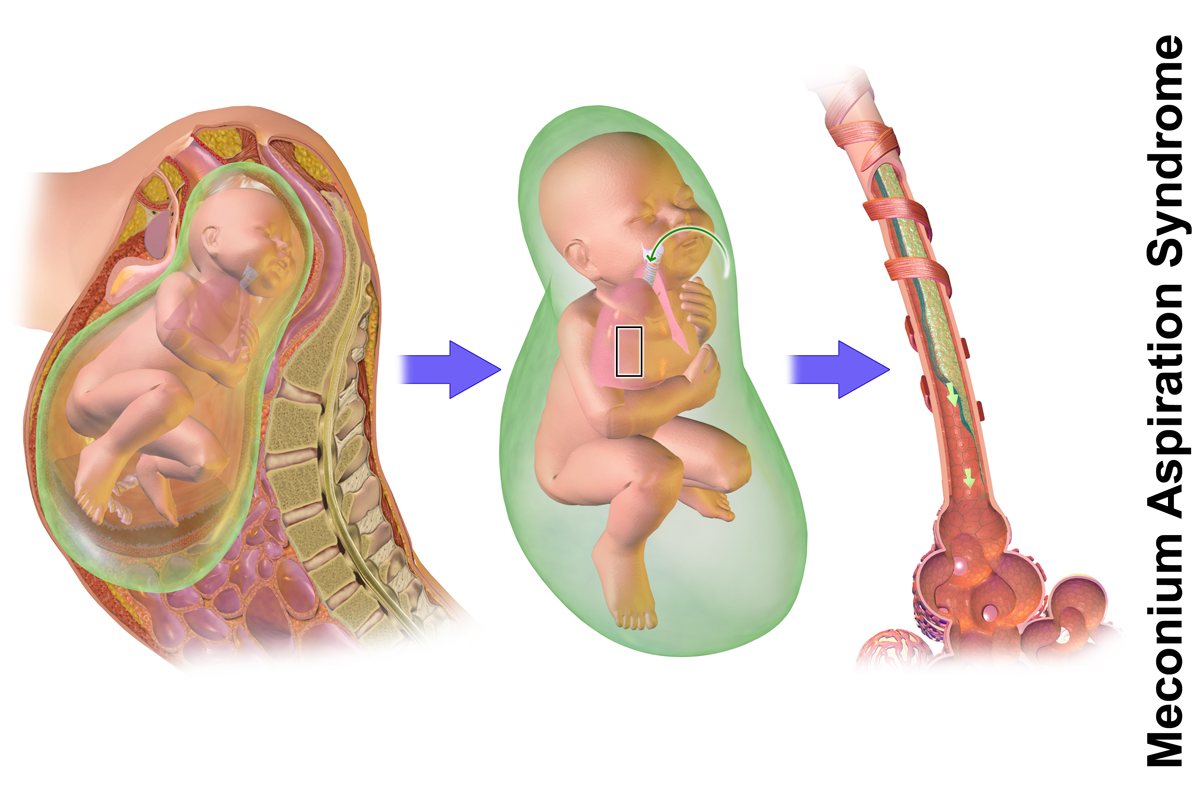
Meconium Aspiration Syndrome
Definition
- MAS is neonatal respiratory distress that occurs when neonate pass meconium in utero leading to meconium stained amniotic fluid and aspirate it during labor resulting in respiratory distress
- MAS is diagnosed only if the respiratory distress can not be attributed to another cause like pneumonia, sepsis, TTN, RDS, CHD
- MAS symptoms can range from mild RS distress to severe RS distress with respiratory failure
Epidemiology
- Meconium stained amniotic fluid is seen in 10-20% of all deliveries
- 5% of those infants have meconium stained amniotic fluid develop MAS
- Mortality is about 2% of MAS infants
- MAS is common in infants with breech presentation
Causes
- Fetal distress and hypoxia: hypoxic stress on the fetus => enhance intestinal peristalsis and relax anal sphincter => passage of meconium into the amniotic fluid
- Fetal maturity: intestinal parasympathetic innervation and myelination increases in later pregnancy => parasympathetic increase intestinal peristalsis => passing of meconium into amniotic fluid
Pathophysiology
- Baby passes meconium in utero due to the causes mentioned before
- During the delivery process, hypoxia cause the fetus to start breathing and gasping which lead to aspiration of the meconium stained amniotic fluid into the lungs
- Meconium is thick material (contains cellular debris of skin, GI tract and hair, also contains GI secretions, blood, and mucus) when aspirated, it blocks the respiratory airways (same with foreign bodies), so meconium can cause lung atelectasis when it completely obstruct the right or left bronchi, or it can cause partial obstruction
- Meconium triggers inflammation, in 24-48 hours after birth the airways get inflamed in form of chemical pneumonitis and respiratory distress occurs
- Inflammation lead to inactivation of surfactant => surfactant deficiency lead to increase surface tension of the alveoli => alveoli collapsing => which furtherly aggravate the respiratory distress
- Blood supply to the Obstructed airways and collapsed alveoli would be decreased due to vasoconstriction, as an attempt from the lungs to shunt more blood towards the open airways to maintain oxygenation
- If the previous process occurs extensively in the lungs, this will lead to substantial increase vascular resistance in the lungs which lead to a condition called persistent pulmonary hypertension of the newborn (PPHN), PPHN may cause right heart failure
- All of these factors lead to ventilation- perfusion mismatch => hypoxemia
- Meconium obstruct airways leading to air trapping, overdistension of the lungs, extra alveolar air leaks and subsequently pneumothorax
Risk factors of MAS
- Fetal distress during labor
- Post term pregnancy: the greater infant’s gestational age, the greater the risk of passing meconium in utero
- Prolonged labor: increase chance of fetal hypoxia
- maternal related risk factors: diabetes, hypertension => Placenta problems => increase resistance to blood flow through the placenta => fetal hypoxia
- IUGR
- Maternal substance abuse: tobacco, amphetamines or cocaine
Clinical features
- A term or post term infant present with respiratory distress and meconium stained amniotic fluid
- Respiratory distress present as tachypnea (> 60/m), intercostal and subcostal retraction, nasal flaring, and use of accessory muscles
- On physical exam, there might be signs of post maturity like peeling skin, long fingernails and vernix
Diagnosis
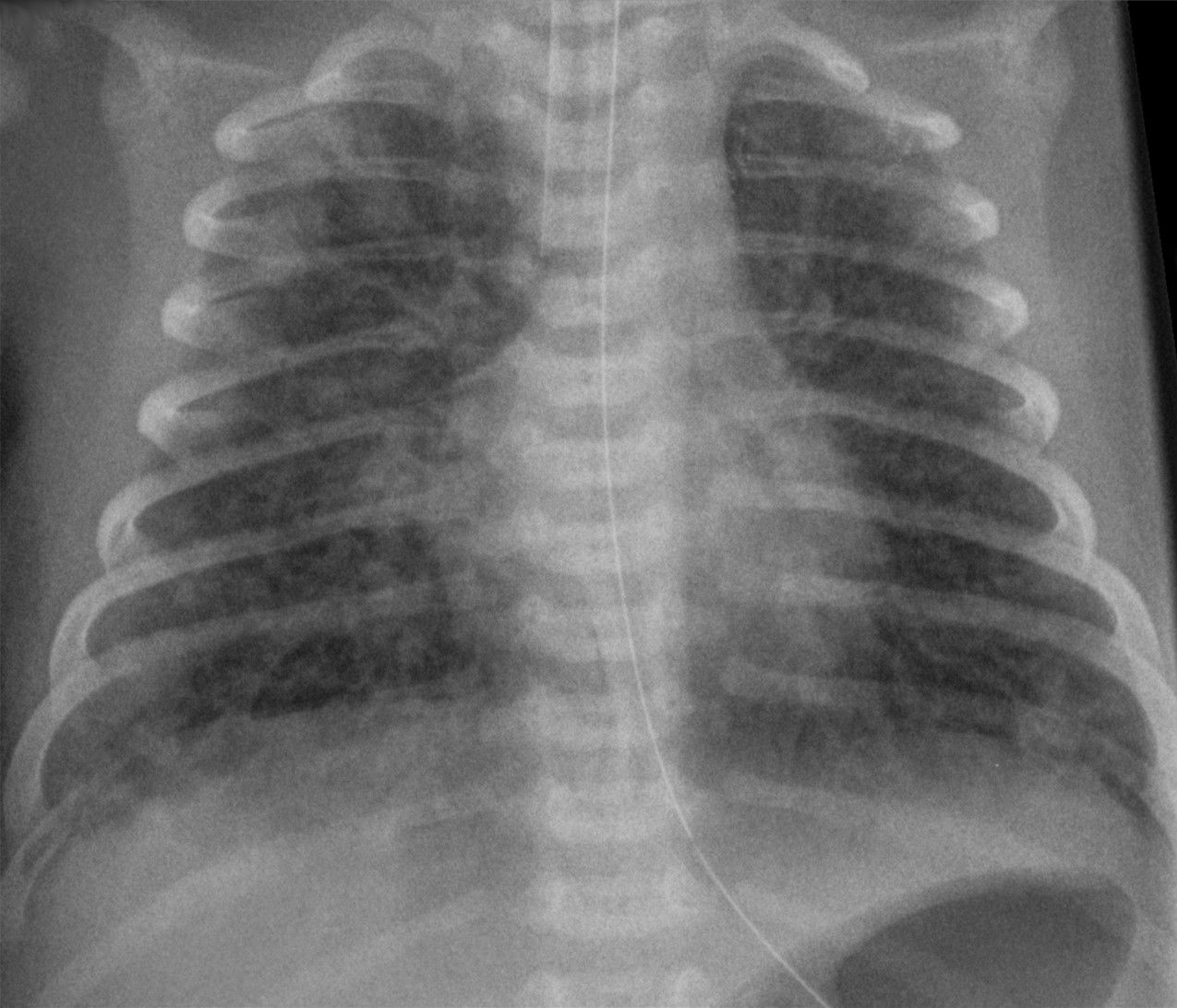
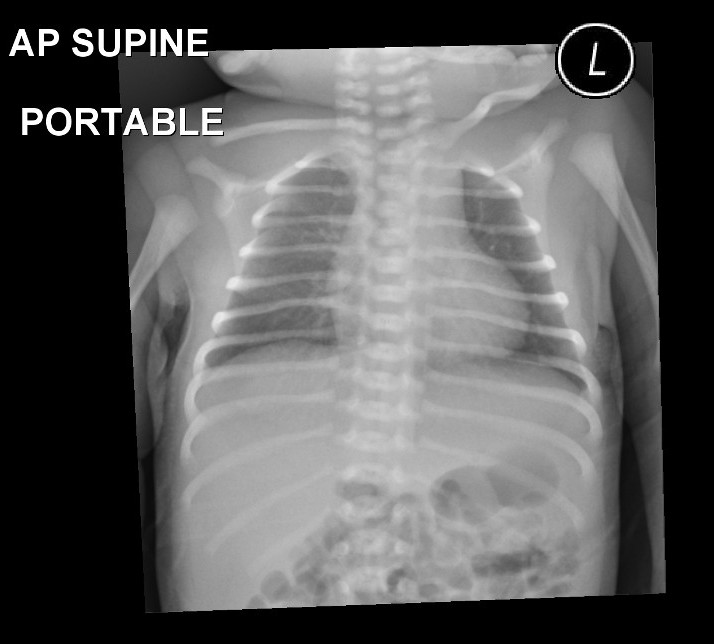
Chest x ray shows:
- Multiple patchy densities bilaterally
- Hyperinflation
- Flattening of diaphragm
- Atelectasis
- Collapsed lung due to pneumothorax
- Oxygen saturation
- Arterial blood gas analysis: to evaluate for respiratory failure and acid-base balance
- Echocardiography to look for right ventricular dysfunction due to PPHN
- Blood cultures looking for sepsis, empirical antibiotic should be considered
Treatment
- Infant born to meconium stained amniotic fluid should have routine postnatal care with monitoring for signs of respiratory distress, endotracheal suctioning is no longer recommended
- If infant developed respiratory distress then management is supportive
- Oxygen supplementation is needed if oxygen saturation drops below 95%
- Assisted ventilation techniques are used if the hypoxemia is refractory to oxygen therapy
- Blood glucose
- Surfactant maybe needed
- Nitric oxide is pulmonary vasodilator that can be used in persistent pulmonary hypertension of the newborn
- Glucocorticoids can be used to suppress inflammation
- Antibiotics are used if cultures positive
Complications
- PPHN
- Pneumothorax
- Neonatal hypoxic-ischemic encephalopathy
Prevention
- If meconium stained amniotic fluid is seen by obstetrician then obstetrician should suction the infant oropharynx before delivering the rest of their body
Continue learning
Practice the topics covered in this lecture.