
Pediatrics
Croup (Laryngotracheobronchitis) Explained: Pathophysiology, Signs & Symptoms, Diagnosis & Treatment
Source presentation · 4 min read
Edits save on this browser. Download a copy for your records.
Introduction
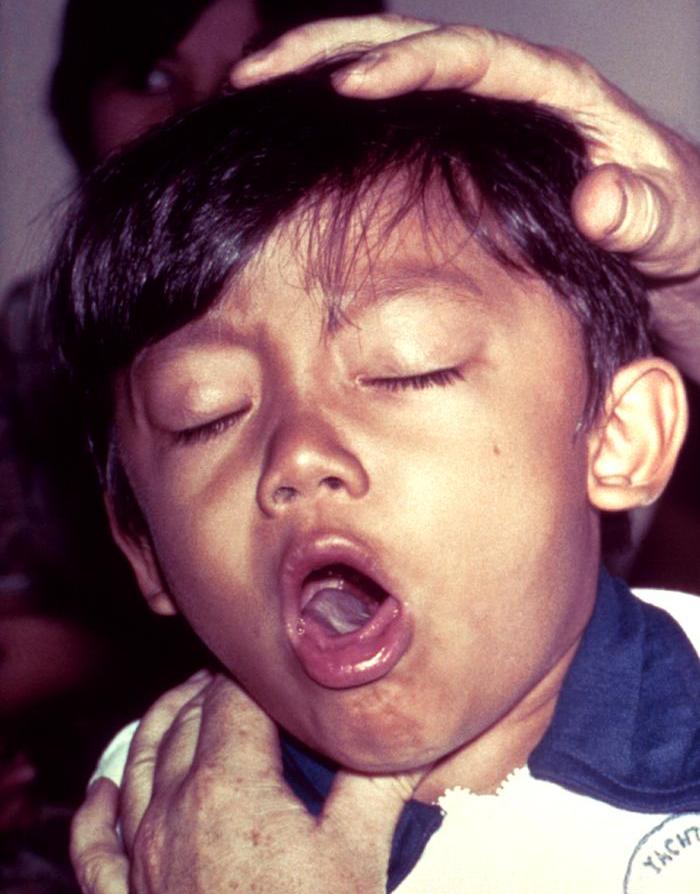
- Croup (laryngotracheobronchitis) is the most common infection of the middle respiratory tract (larynx, trachea and bronchi) in children and it is responsible for most cases of stridor after the neonatal period.
- Croup is most prevalent in the fall and early winter, and children ages 6 months to 3 years are most affected, with a peak at an age of 12 to 24 months. In adolescents, it manifest as laryngitis
- Croup could be mild, moderate or severe but most cases are mild, benign, and self-limited
Etiology
- The most common causse of croup are parainfluenza viruses (types 1,2,3, and 4) and respiratory syncytial virus (RSV)
Pathophysiology
- It lead to inflammation and swelling of the subglottic area which interferes with normal breathing and produces barking cough, stridor and hoarse voice
- It affects children because of small trachea diameter which means that a small decrease in this diameter due to inflammation and swelling increase airway resistance and work of breathing
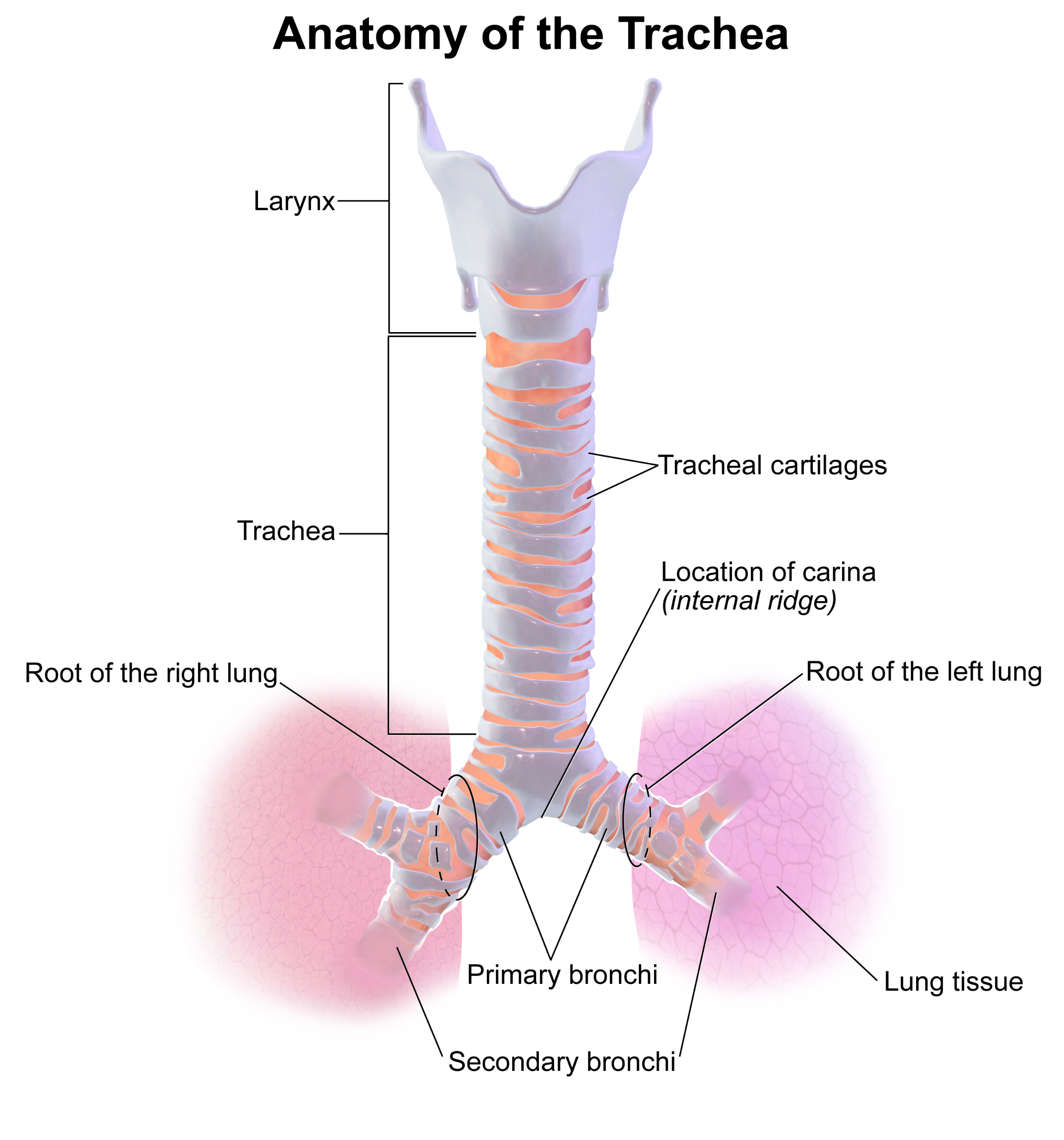
- During inspiration, the walls of the subglottic space are drawn together, aggravating the obstruction and producing the stridor
Stridor
- Stridor is a harsh, high pitched respiratory sound produced by turbulent air flow through a narrowed trachea
- It is usually inspiratory but could be biphasic
- It is a sign of upper airway obstruction
Severe croup
- Severe croups present with signs of upper airway obstruction
- Significant Stridor at rest
- Labored breathing
- Cyanosis
- Marked suprasternal, intercostal and subcostal retractions
- Wheezing maybe present if there is associated lower airway involvement
Clinical features
- Croup typically begins with a 1-to-3-day prodrome of cough, coryza, inspiratory stridor and low-grade fever, followed by a 3- to 4-day period of classic barking cough, in some cases cough and stridor may be abrupt in onset.
- Symptoms peak on days 3 to 4 and are often more severe at night.
- Physical examination classically shows stridor, with a greater inspiratory component.
Diagnosis
- The diagnosis of croup is clinical: a barking cough, stridor and low grade fever.
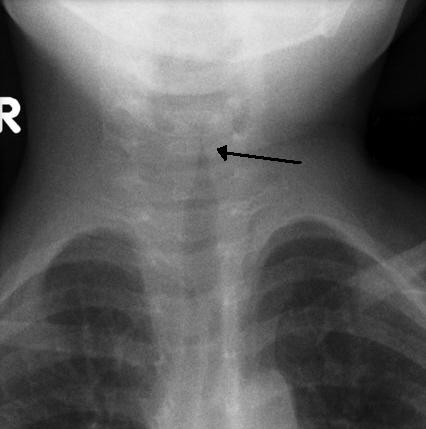
- Radiographs are not necessary, unless other causes are being considered and Neck or chest radiographs may demonstrate subglottic narrowing or the “steeple sign,”
- Laboratory studies are not useful in diagnosis, but used to exclude more serious differentials, leukocytosis suggest epiglottis and bacterial tracheitis
- Many PCR tests are available for parainfluenza and RSV viruses
Differential Diagnosis
- The differential diagnosis includes epiglottitis, bacterial tracheitis, parapharyngeal abscess
- Non infectious differential include foreign body aspiration, laryngomalacia, subglottic stenosis, hemangioma, vascular ring and vocal cord paralysis
Treatment
- Patients with significant stridor should be kept in a position of comfort with minimal disturbance; monitor pulse oximetry and provide oxygen as needed.
- Dexamethasone reduces symptoms and need for hospitalization in croup and it is administered as one dose orally or IM 0.6- 1 mg/kg (IV formulation can be given orally). Prednisolone can be used as an alternative dosed 2 mg/kg given in two to three divided doses, Nebulized budesonide (2 mg) may also be used.
- All patients with croup benefit from corticosteroids Even those with mild symptoms
- Nebulized racemic epinephrine (2.25%), 0.05 mL/kg/dose up to 0.5 mL, or nebulized L-epinephrine (1:1000), 0.5 mL/kg/dose up to 5 mL, should be used to treat moderate to severe cases (which present with significant stridor at rest).
- Epinephrine works by reducing subglottic edema by adrenergic vasoconstriction, temporarily producing marked clinical improvement, peak effect within 10- 30 minutes and fades within 60- 90 minutes and a rebound worsening of symptoms may occur so epinephrine need to be repeated every 20 minutes for no more than 2 hours in severe cases
- Epinephrine decreases intubation rates
- Children with persistent stridor at rest, tachypnea, retractions, or hypoxia, or those who require more than two treatments of epinephrine should be admitted to the hospital.
Complications
- Prognosis is excellent and illness last for 5 days
- Most common complication is viral pneumonia which occur in 1% of croup cases
- Secondary bacterial tracheitis: very rare complication and occur in immunocompromised patients
Continue learning
Practice the topics covered in this lecture.