
Pharmacology
Drug Factors Affecting Patient Response: Drug Structure, Molecular Weight and Combination
Source presentation · 3 min read
Edits save on this browser. Download a copy for your records.
Drug Structure
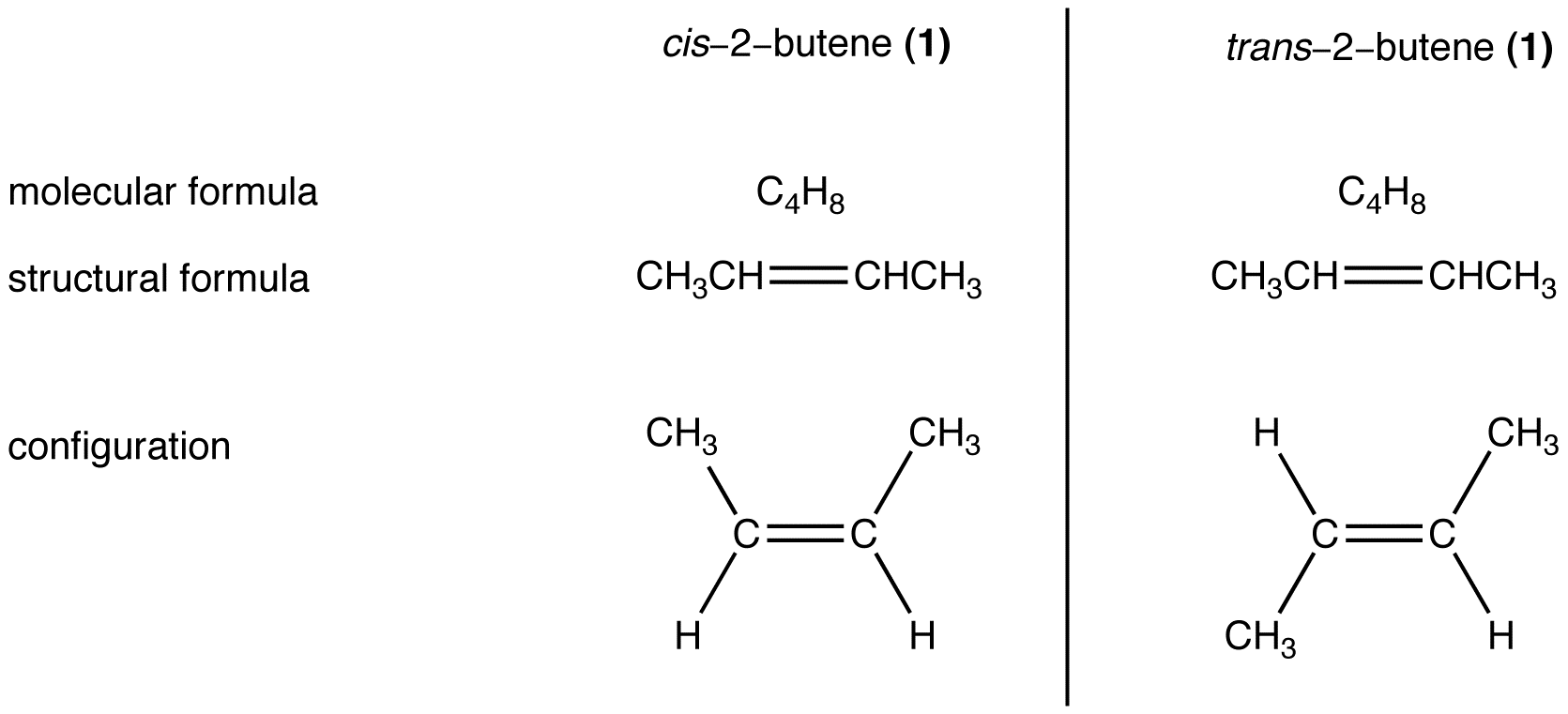
- Most drugs have multiple stereoisomers
- Stereoisomers are compounds of the drug that contain the same number of atoms but they differ in spatial arrangement of atoms.
Example:
- The receptor site is usually sensitive for one stereoisomer and not sensitive for another , this means that one isomer maybe hundred times more potent than the other
- Sometimes one isomer is beneficial and other is toxic of the same drug
- The sensitivity to certain stereoisomers is different between people
Molecular weight
- Most drugs have molecular weight between 100-1000.
- Drugs larger than 1000 can’t be absorbed.
- The lower the molecular weight is, the better absorption.
Time of drug administration
- Many body function have daily circadian rhythm (e.g. liver metabolism, blood pressure, heart rate, gastric emptying time). And some enzymes responsible for metabolism of drugs are active in the morning or evening.
- Also many diseases are circadian phase dependent. (e.g. asthma attacks at night, myocardial infarction at morning, etc…)
- Chronopharmacology is the study of how the effects of drugs vary with biological timing (circadian rhythm) and giving the drugs in the best time to get better response and/or to avoid possible side effects.
- Examples: acute asthma attack is common at the night because of circadian variation of cortisol leading to decrease sympathetic tone and increase parasympathetic tone that lead to bronchoconstriction so it is better to give asthma meds at night
- Blood pressure is at its peak in the afternoon , so it is better to give antihypertensive meds at morning
Drug accumulation
- Drug accumulation occurs when the rate of drug administration exceeds the rate of its elimination and as result of that we get drug accumulation and toxicity
- Drug accumulation occur in increased administration, renal failure, liver failure
- Example is digoxin we give it 5 days a week and we give two days so body eliminate the drug
Drug combination
Drug combination is very common in clinical practice. When two or more drugs are combined together, one of the following may occur:
- Summation or addition
- the combined effect of two drugs is equal to the sum of their individual effects (1+1=2).
- It usually occurs between drugs having the same mechanism.
- for example, the use of two simple analgesics together.
- 2. Synergism
- that the combined effect of two drugs is greater than the sum of their individual effects (1+1=3).
- The two drugs usually have different mechanisms of action.
- For example, the use of penicillin with aminoglycosides.
- 3. Potentiation
- Similar to synergism but in potentiation, the effect of one drug itself is greatly increased by intake of another drug that has no effect (i.e. 1+0=2),
- For example, Phenobarbitone has no analgesic action but it can potentiate the analgesic action of aspirin.
- 4. Antagonism: One drug antagonize the effect of the other i.e. 1+1=0
Continue learning
Practice the topics covered in this lecture.