
Pharmacology
Gabapentin Pharmacology: Mechanism of Action, Therapeutic Uses and Adverse Effects
Source presentation · 3 min read
Edits save on this browser. Download a copy for your records.
Antiepileptic drugs classification
| First generation (Classic, Older) drugs | Second generation (Newer) drugs |
|---|---|
| Phenytoin | Vigabatrin |
| Carbamazepine | Lamotrigine |
| Valproic acid | Topiramate |
| Ethosuximide | Levetiracetam |
| Phenobarbital | Gabapentin & pregabalin |
| Benzodiazepines | Tiagabine |
Overview
- Famous trade name: Neurontin
- Gabapentin is an analog of GABA, but it doesn’t work on the GABA receptors
- It was discovered in 1975 by Satzinger & Hartenstein and got FDA approval for treatment of epilepsy in 1993
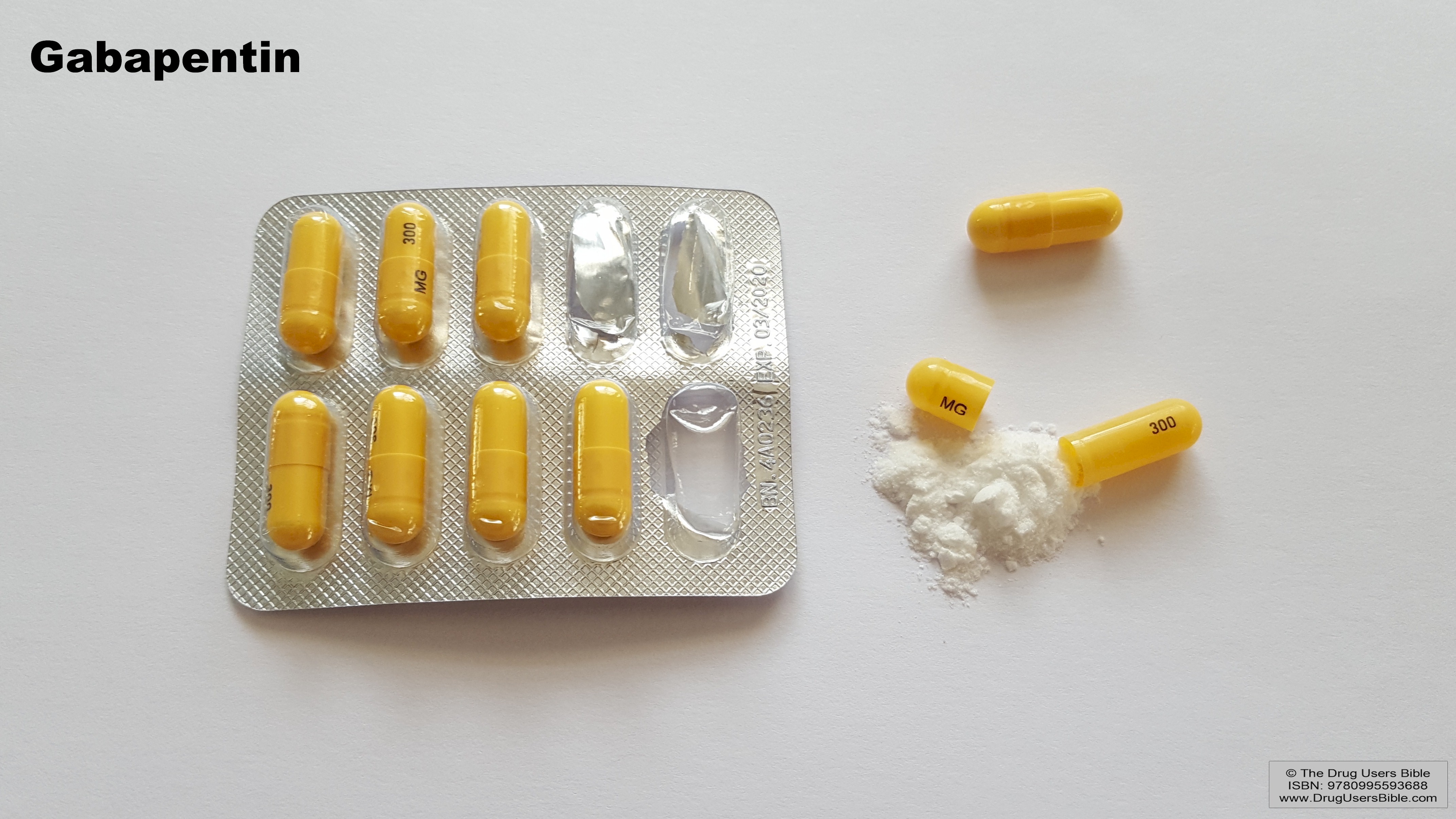
Mechanism of action
- it doesn’t work at the GABA receptors
- The precise mechanism is not fully understood, but it seem to be related to inhibiting the alpha 2 delta voltage gated calcium channels => that lead to decrease the excitatory neurotransmitters release into the synapse
Therapeutic uses
It is FDA approved for treatment of:
- Postherpetic neuralgia (type of neuropathic pain)
- Add on therapy for focal onset seizures
- Moderate to severe restless leg syndrome
Off label uses:
- Other types of neuropathic pain: e.g. diabetic neuropathy and trigeminal neuralgia, it is NOT used for sciatica
- Fibromyalgia, bipolar disorder, anxiety, mood disorders, depression, IBS, alcohol withdrawal, headache …
Adverse effects
- CNS: ataxia
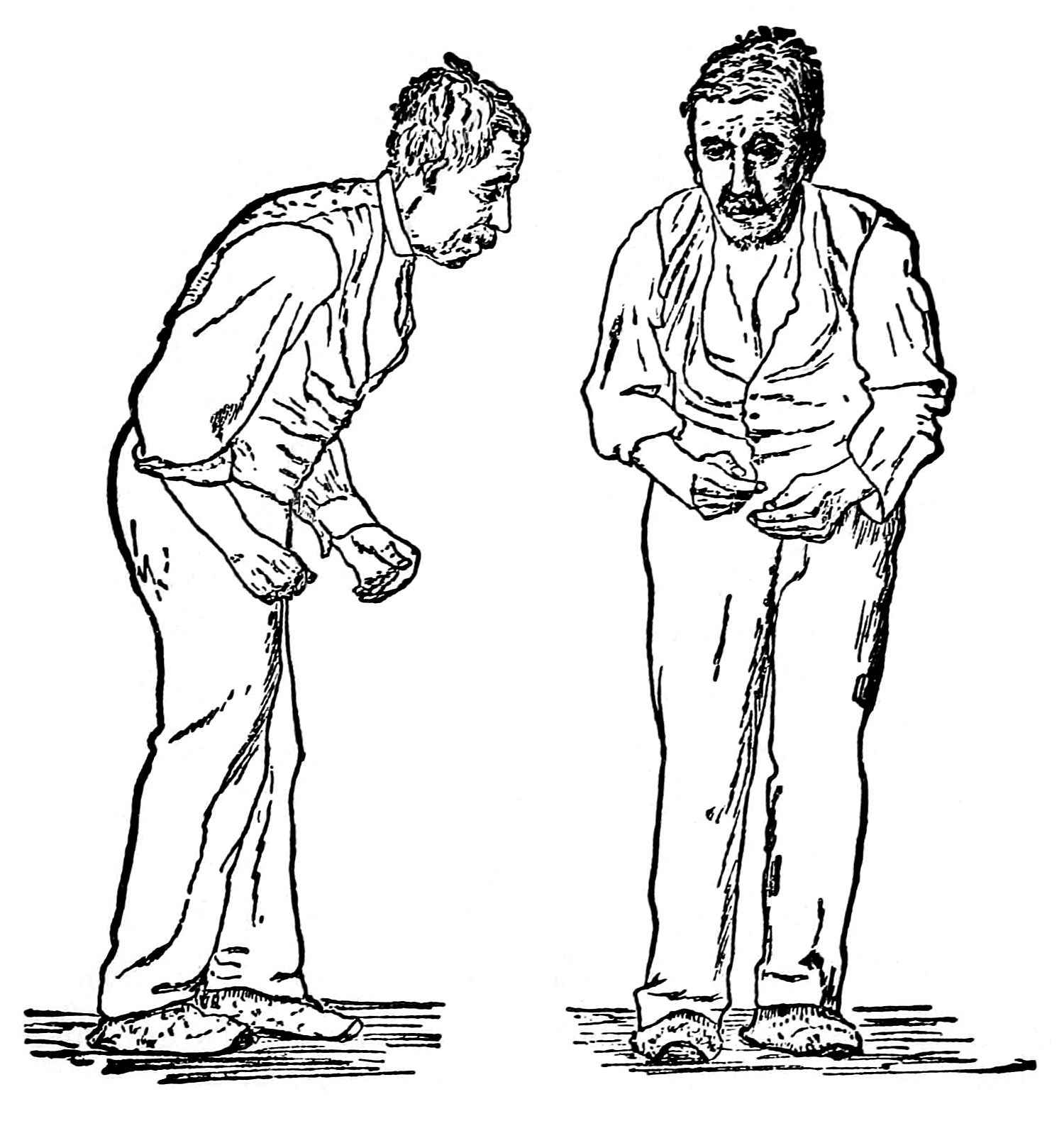
- CNS: nystagmus

- Headache, tremor and dizziness
- Fatigue and sleepiness
- Most of these adverse effects occur initially in the start of the treatment and go away with time
- Rarely may lead to suicidal ideation, Steven Johnson syndrome, respiratory depression and rhabdomyolysis
- Withdrawal symptoms occur after abrupt stopping of this medications, patient agitated, confused and disoriented followed by GI complaint and sweating, tremor tachycardia, hypertension and insomnia also occur
- Dependence also occur with this medication
Pharmacokinetics
- Gabapentin is absorbed via LAT2 amino acid transporter in the upper intestine, this absorption system is saturable, this lead to bioavailability of 80% if only 100 mg is given per dose and 60% bioavailability if 300mg given and so on
- Gabapentin is not bound to plasma proteins, the full dose get distributed to body tissues including the brain
- Gabapentin undergoes minimal metabolism
- Eliminated renally with short Elimination half life of around 6 hours
Dosing
- Initially start with 300 mg/ day and titrate up to 3 times per day of the same dose, max dose is 4800 mg/day
- In renal impairment dose should be reduced
Gabapentin toxicity
- Drowsiness
- Sedation
- Blurred vision
- Slurred speech
- Anxiety
- Respiratory suppression
- Coma and death
Continue learning
Practice the topics covered in this lecture.