
Clinical medicine
Alcoholic Hepatitis: Pathophysiology, Signs and Symptoms, Diagnosis and Treatment
Source presentation · 3 min read
Edits save on this browser. Download a copy for your records.
Alcoholic Hepatitis
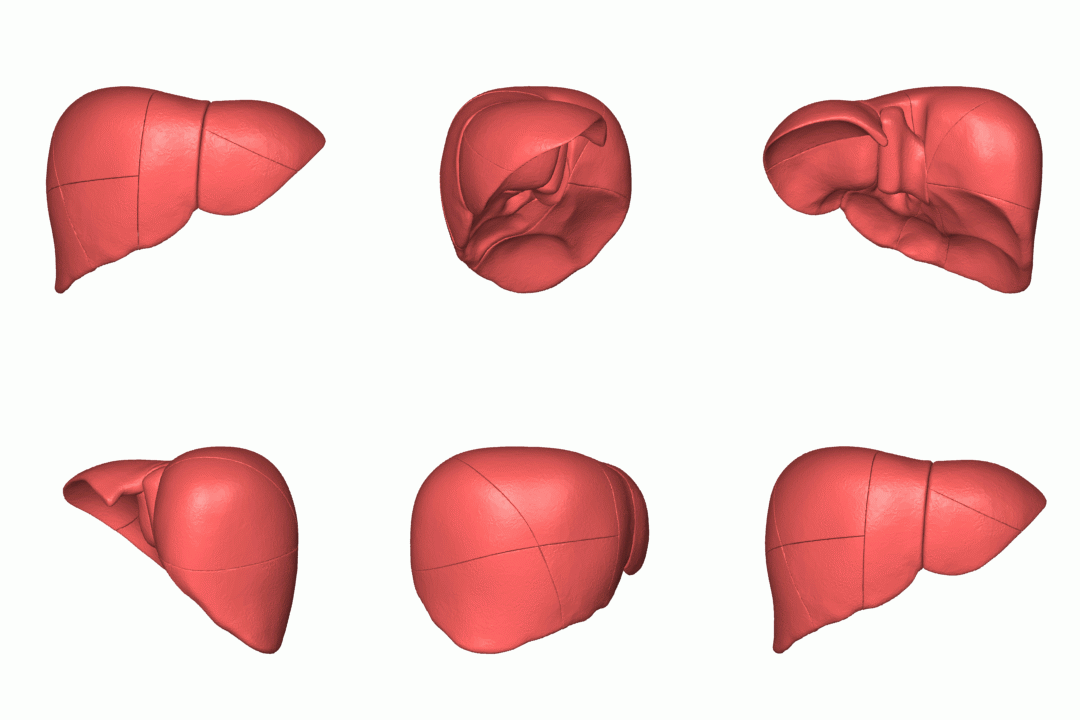
Alcoholic liver disease stages
- Alcoholic fatty liver disease: accumulation of fatty acids in the liver in heavy drinkers
- Alcoholic hepatitis: inflammation after binge drinking
- Liver cirrhosis: recurrent injuries to the liver caused by alcohol end up with fibrosis
Alcoholic hepatitis
- It is hepatitis (inflammation of the liver), it is a severe disease that occur after heavy drinking
- Patients mostly have a history of at least 10 years of heavy alcohol drinking
- Alcoholic hepatitis can range from mild to severe, mortality in untreated cases is 50% in 30 days
- The condition comes suddenly and progress rapidly
Pathophysiology
- There is direct hepatocyte damage by alcohol and its metabolites like acetaldehyde
- Alcohol damages enterocytes and disrupt the tight junctions between them, this increase intestinal permeability and allows bacteria and fungi to enter portal circulation and travel to liver and cause damage to it too
- These two mechanisms acutely lead to alcoholic hepatitis and with time lead to liver fibrosis (cirrhosis)
Signs and symptoms
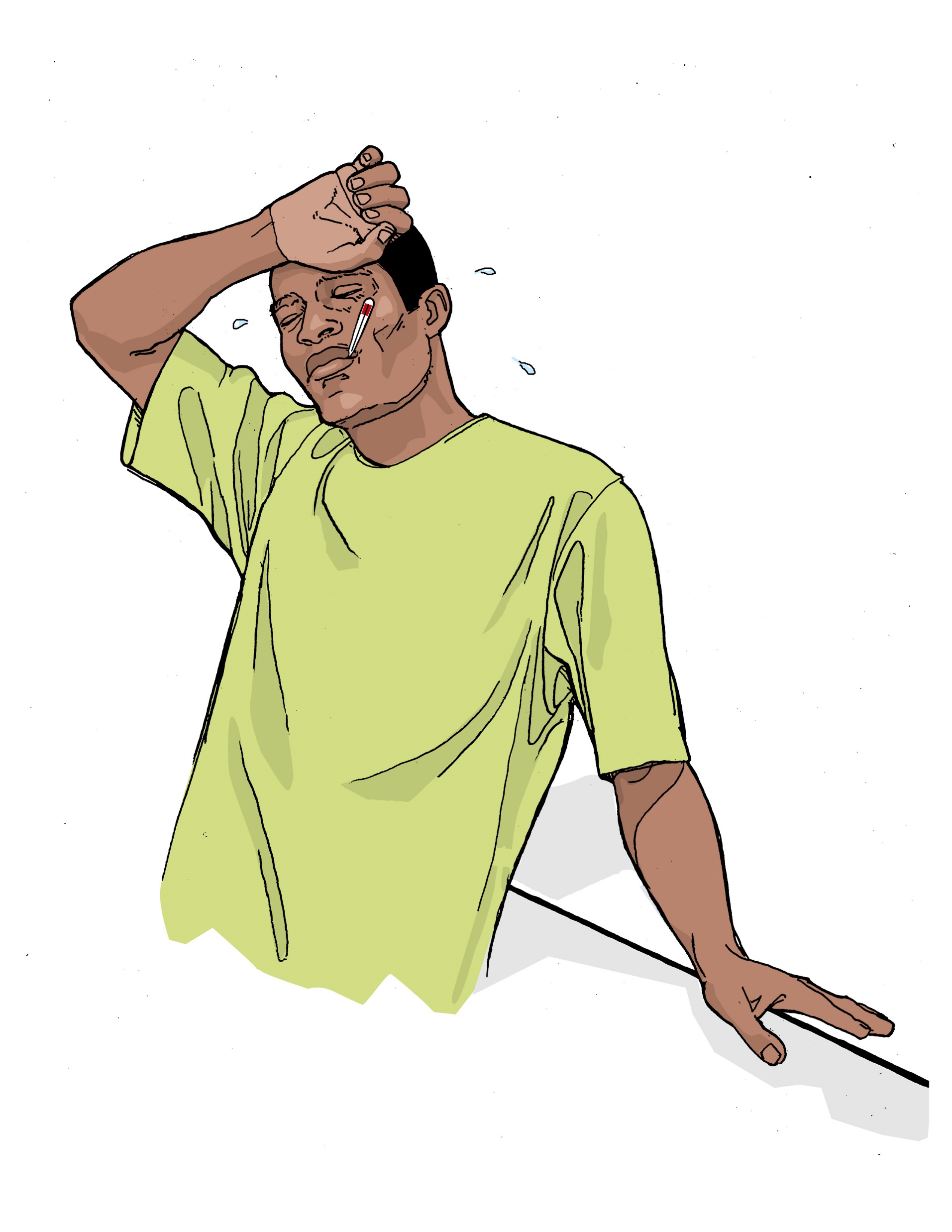
- Fever
- Fatigue
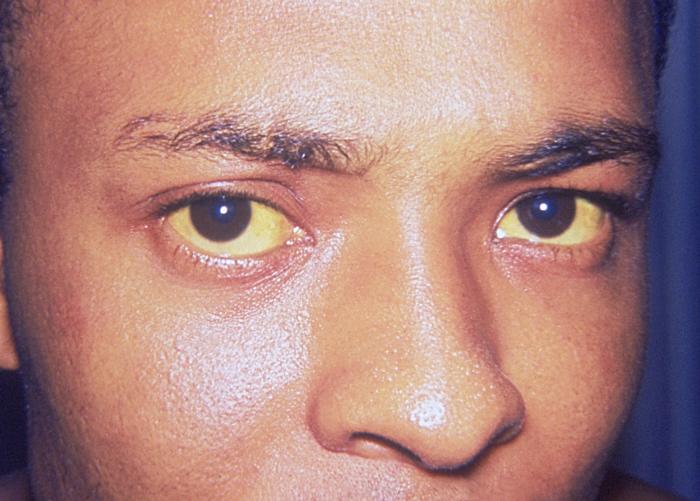
- Jaundice (yellowish discoloration of skin and mucous membranes)
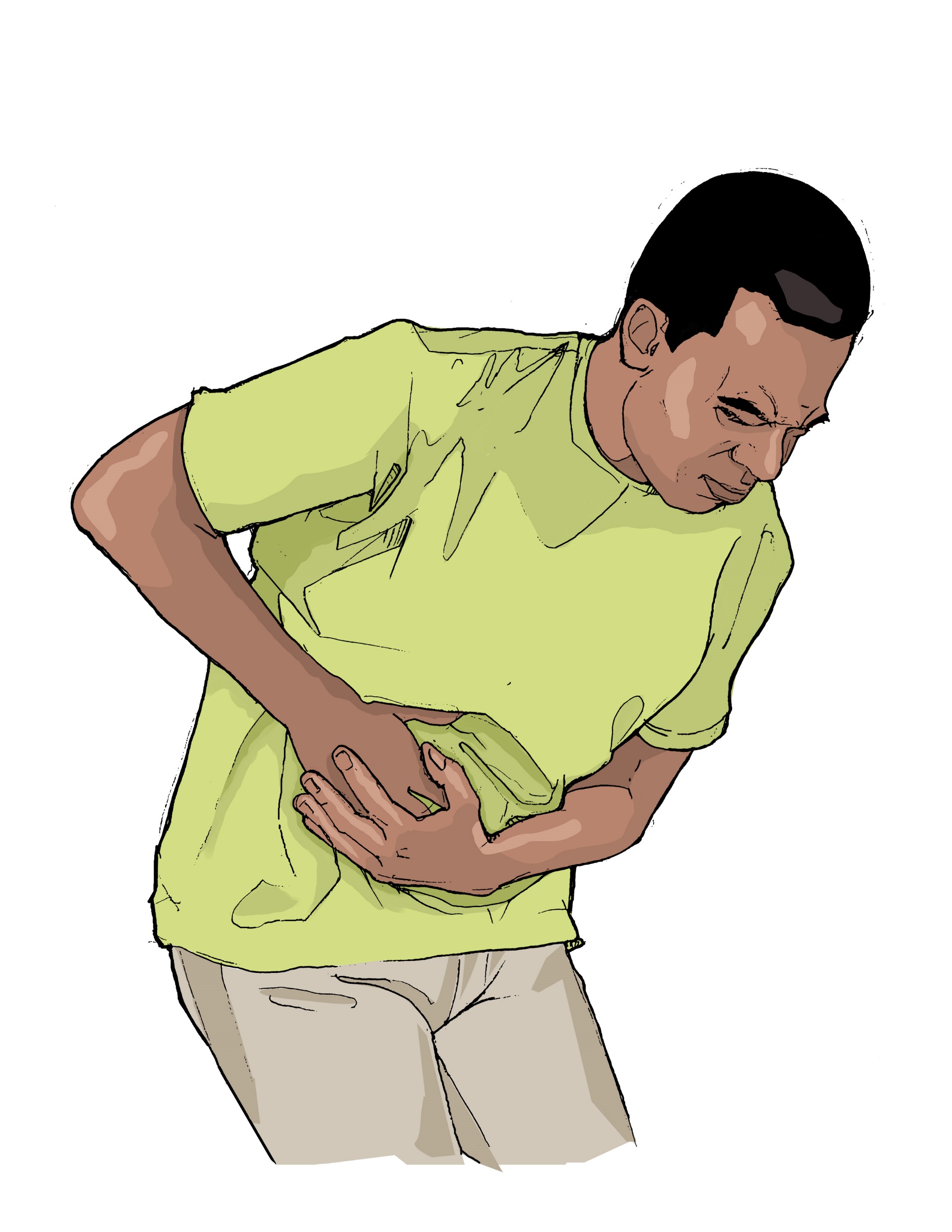
- Abdominal pain, especially right upper quadrant with tenderness
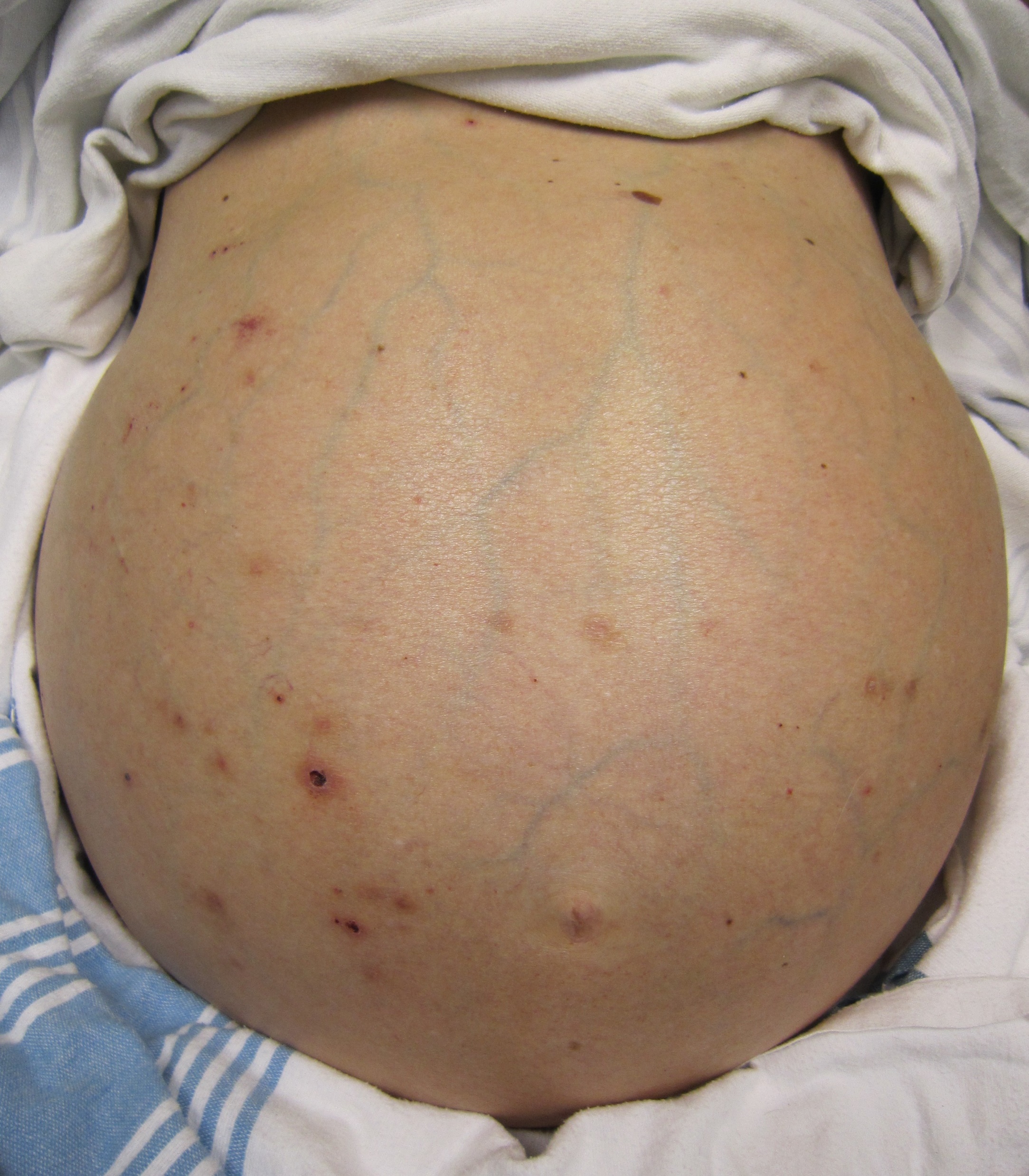
- Ascites: fluid accumulation in the abdominal cavity
- Hepatic encephalopathy: brain dysfunction due to liver disease, present with
- DLOC
- Asterixis
- Change in behavior

Diagnosis
- History of heavy alcohol intake
- For men, consuming 5 or more drinks on any day or 15 or more per week.
- For women, consuming 4 or more on any day or 8 or more drinks per week.
- Physical examination reveals tachycardia, tachypnea, fever, hepatomegaly and RUQ pain and tenderness, there might be also spider naevi, muscle wasting, gynecomastia..
- LFTs: AST/ ALT ratio is more than 1.5
- AST in most cases between is less than 500 U/L and ALT is normal
- Bilirubin > 3 mg/dL
- Liver biopsy not required
- US is used to exclude differential diagnosis
Treatment
- Abstain from alcohol
- Glucocorticoids can be used to suppress inflammation for patients with severe disease (elevated PT/PTT or very high bilirubin)
- Nutrition supplementation with proteins and calories
- N acetylcysteine
- Liver transplantation maybe needed
Alcoholic hepatis vs alcoholic steatohepatitis
- ASH is diagnosis based on liver histology while AH is a clinical diagnosis
- ASH liver biopsy shows steatosis, infiltration of neutrophils (inflammation) and fibrosis
- AH is characterized by history of heavy alcohol consumption until at least 4 weeks before onset of symptoms (jaundice, fever hepatomegaly…)
Continue learning
Practice the topics covered in this lecture.