
Clinical medicine
IV Fluids Types and Uses (SIMPLIFIED): Normal Saline, Ringer's Lactate, D5W, D5NS & more
Source presentation · 3 min read
Edits save on this browser. Download a copy for your records.
Intravenous Fluids
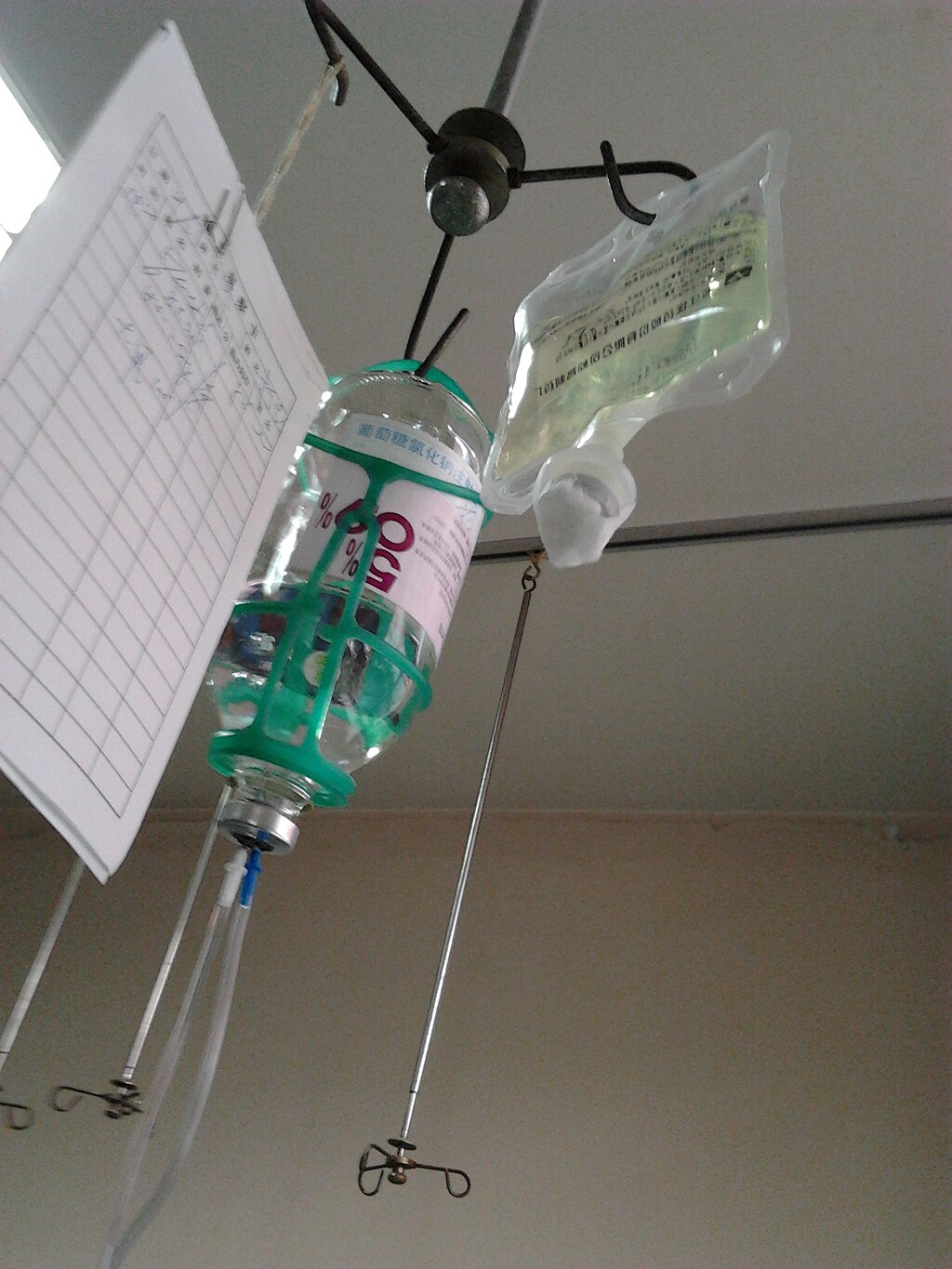
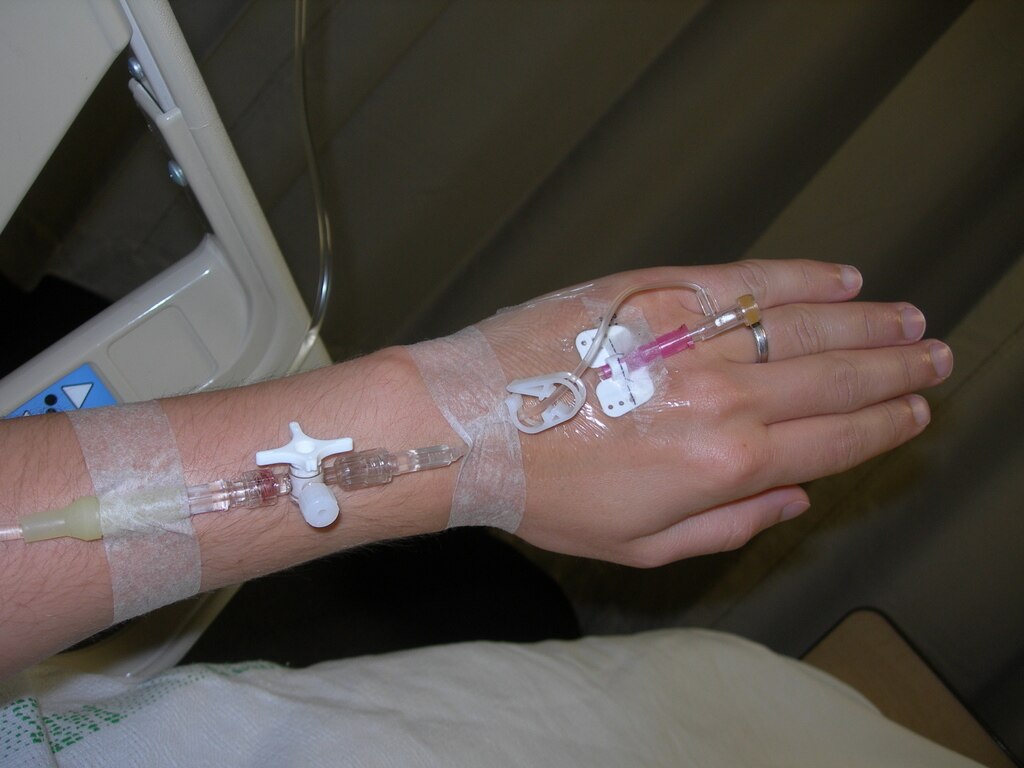
IV fluid types
- Crystalloids
- Solutions that contain small molecules that can pass through semipermeable membrane (blood vessel wall). They are typically composed of water, electrolytes (sodium, potassium, chloride ...) and small molecules like glucose ….
- E.g.: saline, half saline, D5W
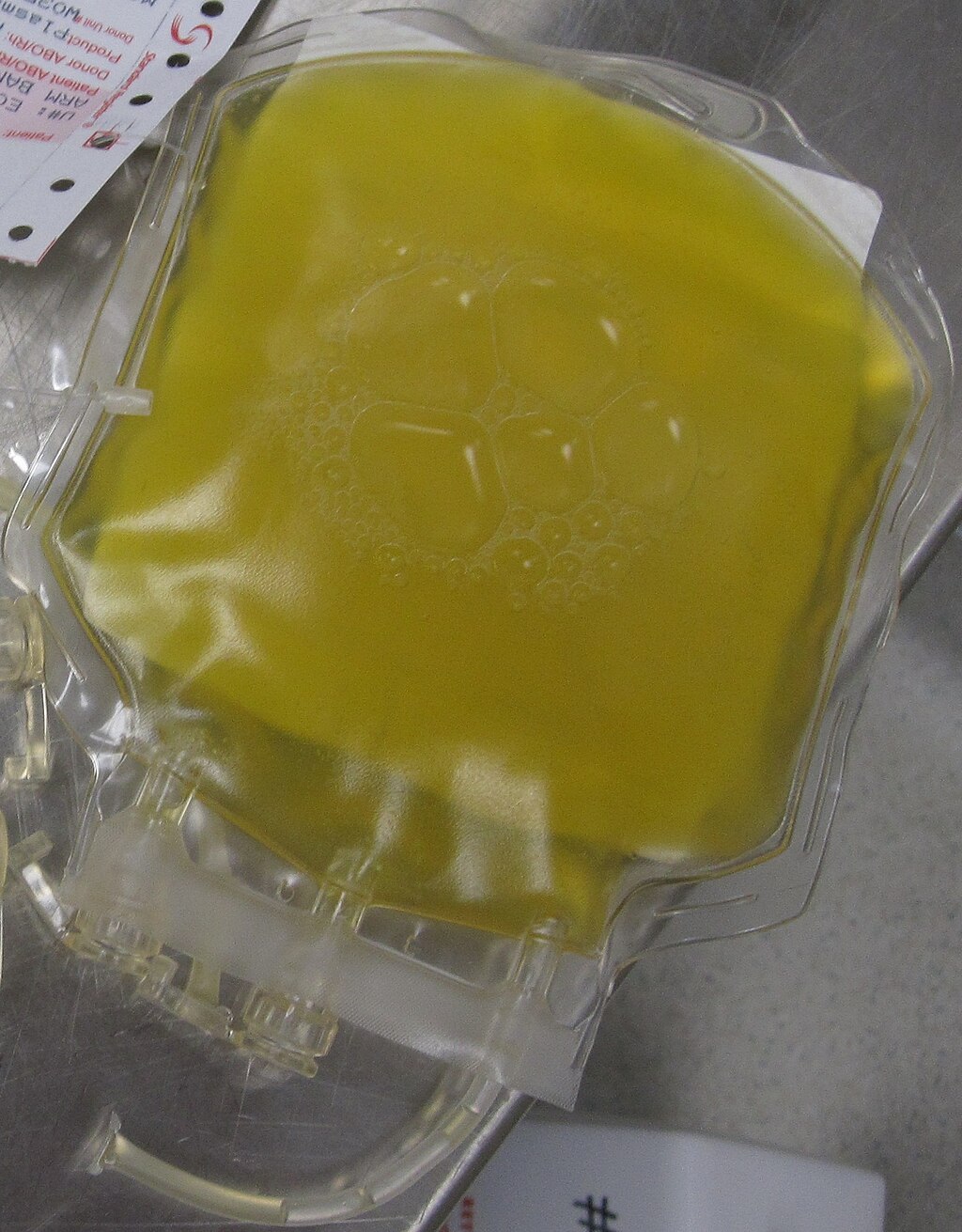
- Colloids
- Solutions that contain larger molecules like proteins which don’t cross the semipermeable membrane like blood vessels wall, they are expensive
- E.g.: albumin, fresh frozen plasma, cryoprecipitate
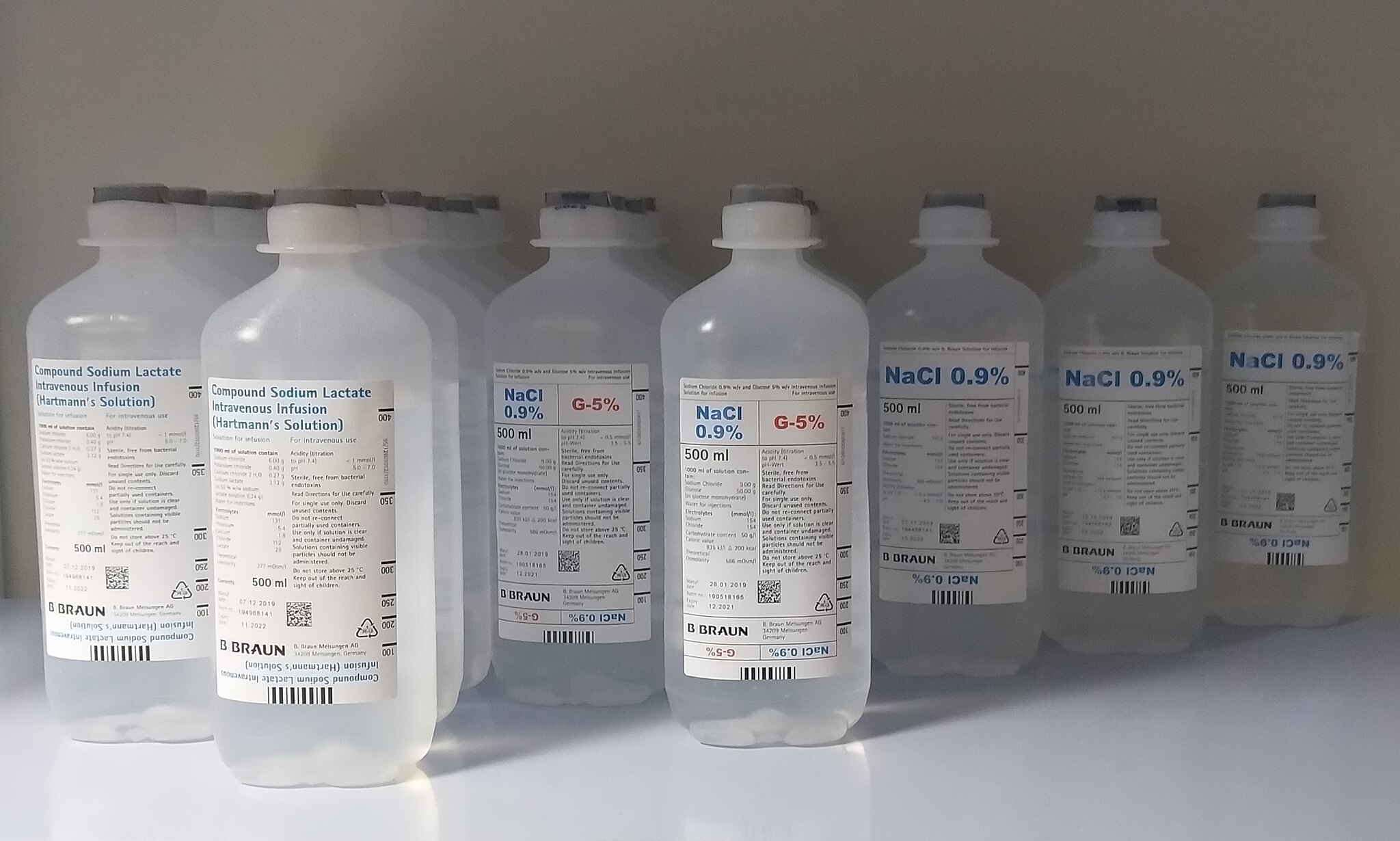
Crystalloids
- Normal saline
- Ringer’s lactate
- Half saline
- D5W
- Hypertonic saline
Normal saline
- 0.9% normal saline
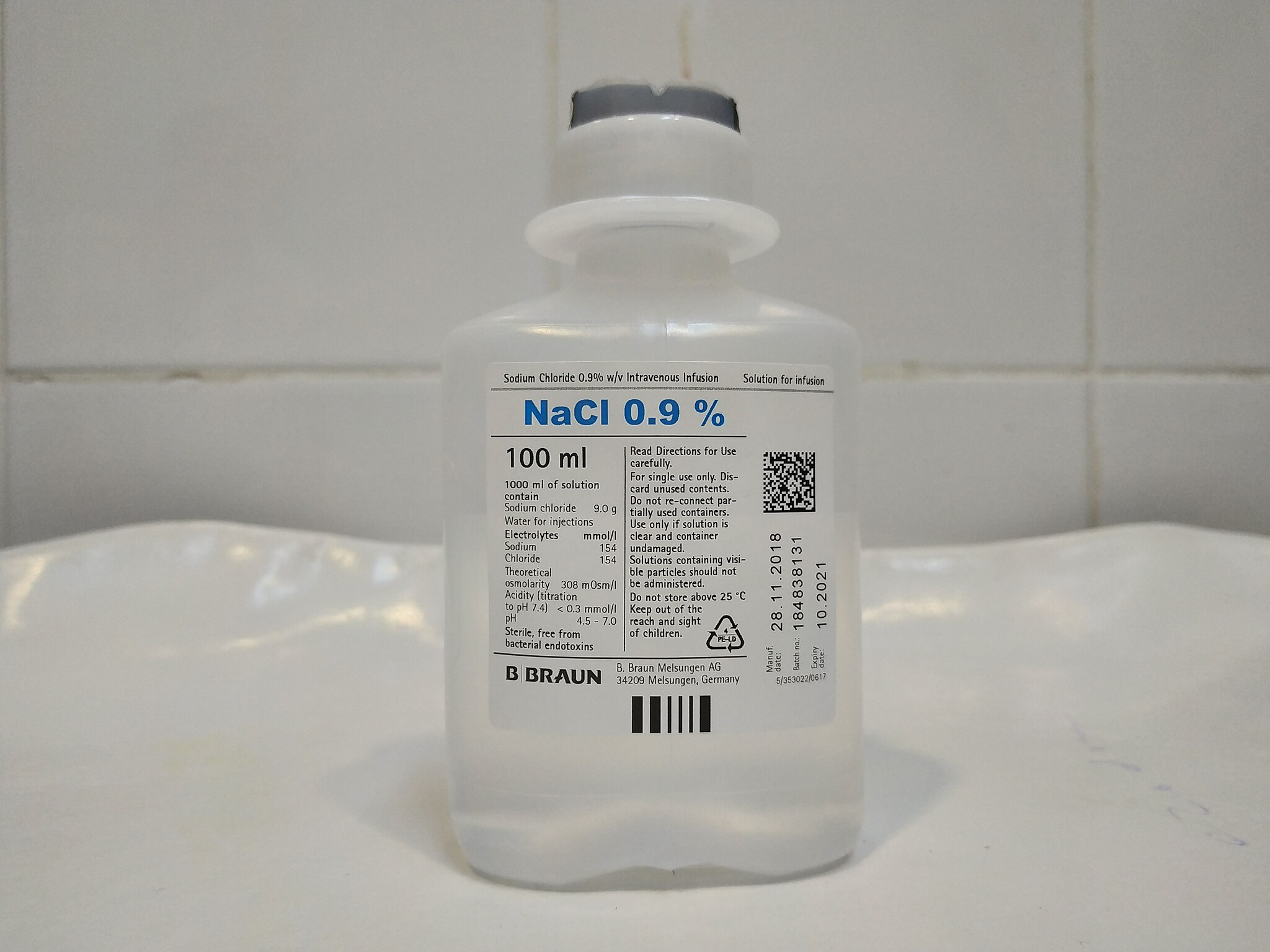
- Saline means fluid containing salt
- Normal saline is 9 grams of NaCl dissolved in 1 L of water
- Approximately same osmolarity as plasma (isotonic) and that is why it is called normal
- 308 mOsm/L vs. 275-295 mOsm/L plasma
- Uses
- Used for volume replacement in hypovolemic and septic shocks
- Wound care: clean and irrigate wounds to help prevent infection and promote healing
- It is used for diluting medications and administration of IV medications
- Laboratory and diagnostic procedures
If normal saline supplied in high quantity:
- Results in influx of chloride ions (Cl-) because it contain chloride and this causes the bicarbonate ions (HCO3-) to shift into cells which causes acidosis
- Because of the acidosis, the potassium shifts out of the cell into the circulation which lead to hyperkalemia
- And that is why the lactated ringers are superior in supplying large quantities
Ringer’s lactate
- Composed of Sodium, chloride, potassium, calcium and lactate
- Osmolarity 286 mOsm/L (isotonic)
- Lactate metabolized to bicarbonate so it act as a buffer in acidosis and doesn’t cause hyperkalemia
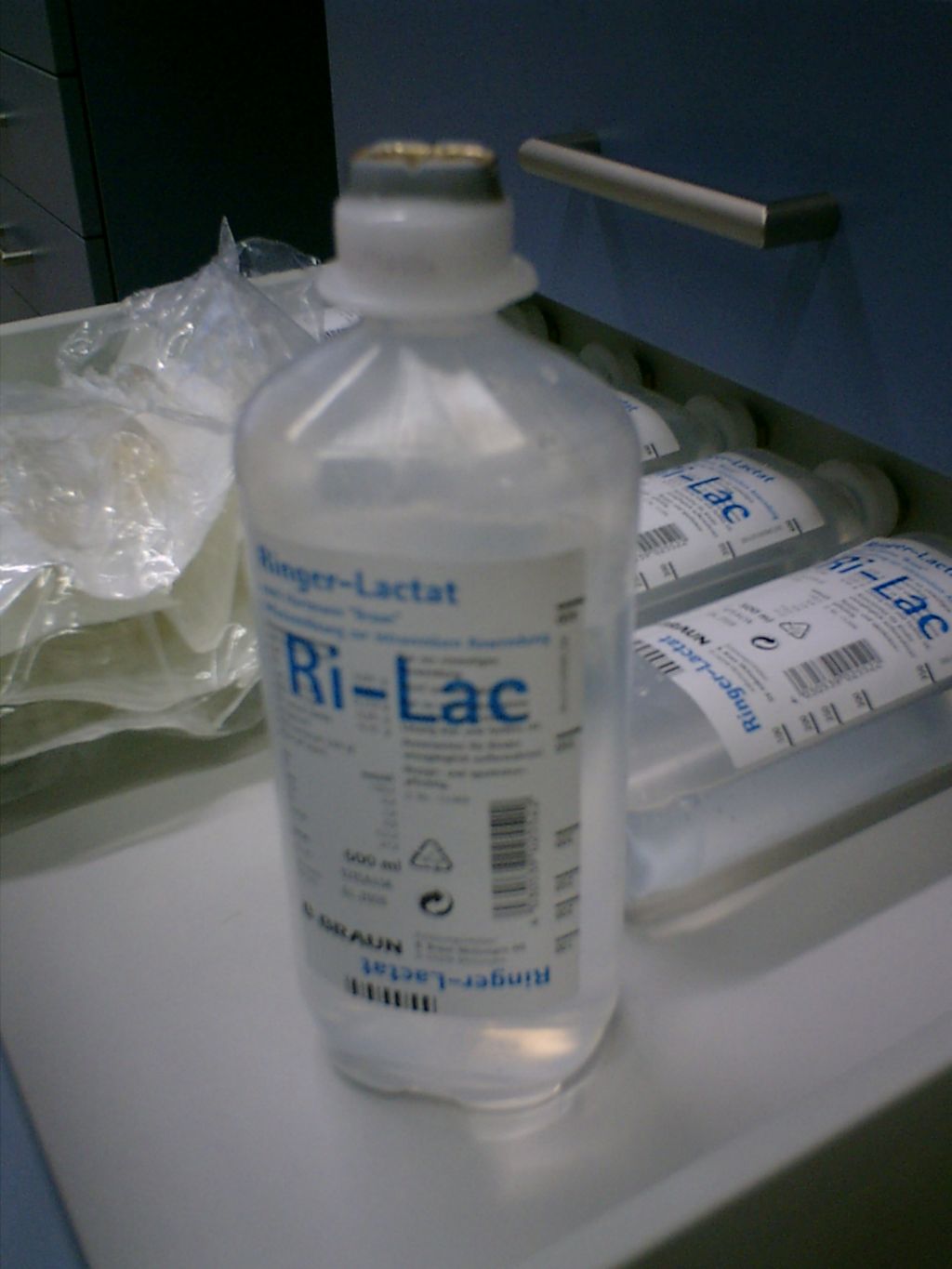
- The same uses as the normal saline but it is better in supplying large quantities
- The concentration of potassium in Ringer’s lactate is lower than plasma potassium and that ‘s why when given to hyperkalemic patient, it lowers the potassium
Half saline
- 0.45% normal saline
- 4.5 grams of NaCl dissolved in 1 L of water
- 140 mOsm/L = hypotonic relative to plasma
- Doesn’t remain intravascular, shifts to tissues
- Used in replacing fluids in patients who have hypovolemia with hypernatremia
- And also used as maintenance fluid to replace daily losses in patients with low oral intake
D5W
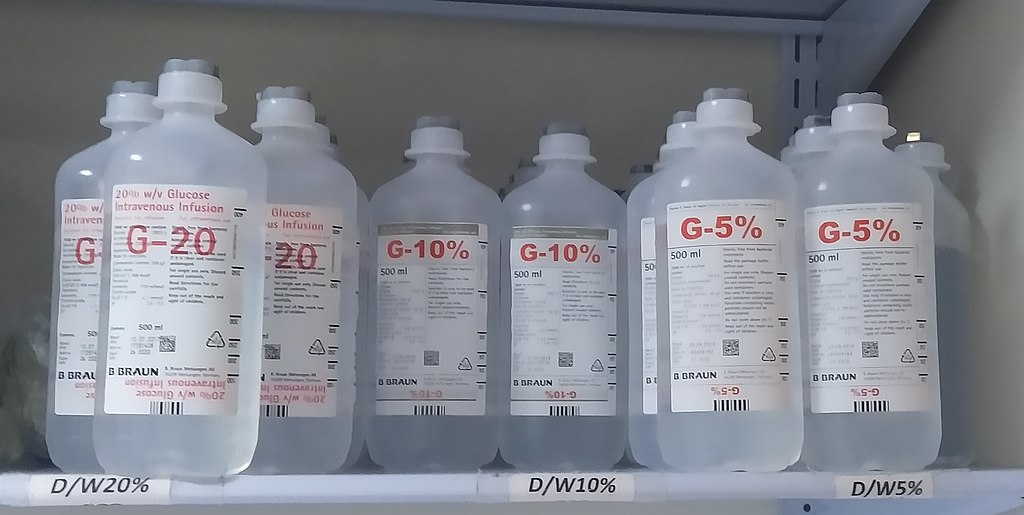
- Dextrose 5% in water
- Osmolarity = 252 (hypotonic)
- Used for calorie and fluid replacement and dilution of medications
D5NS
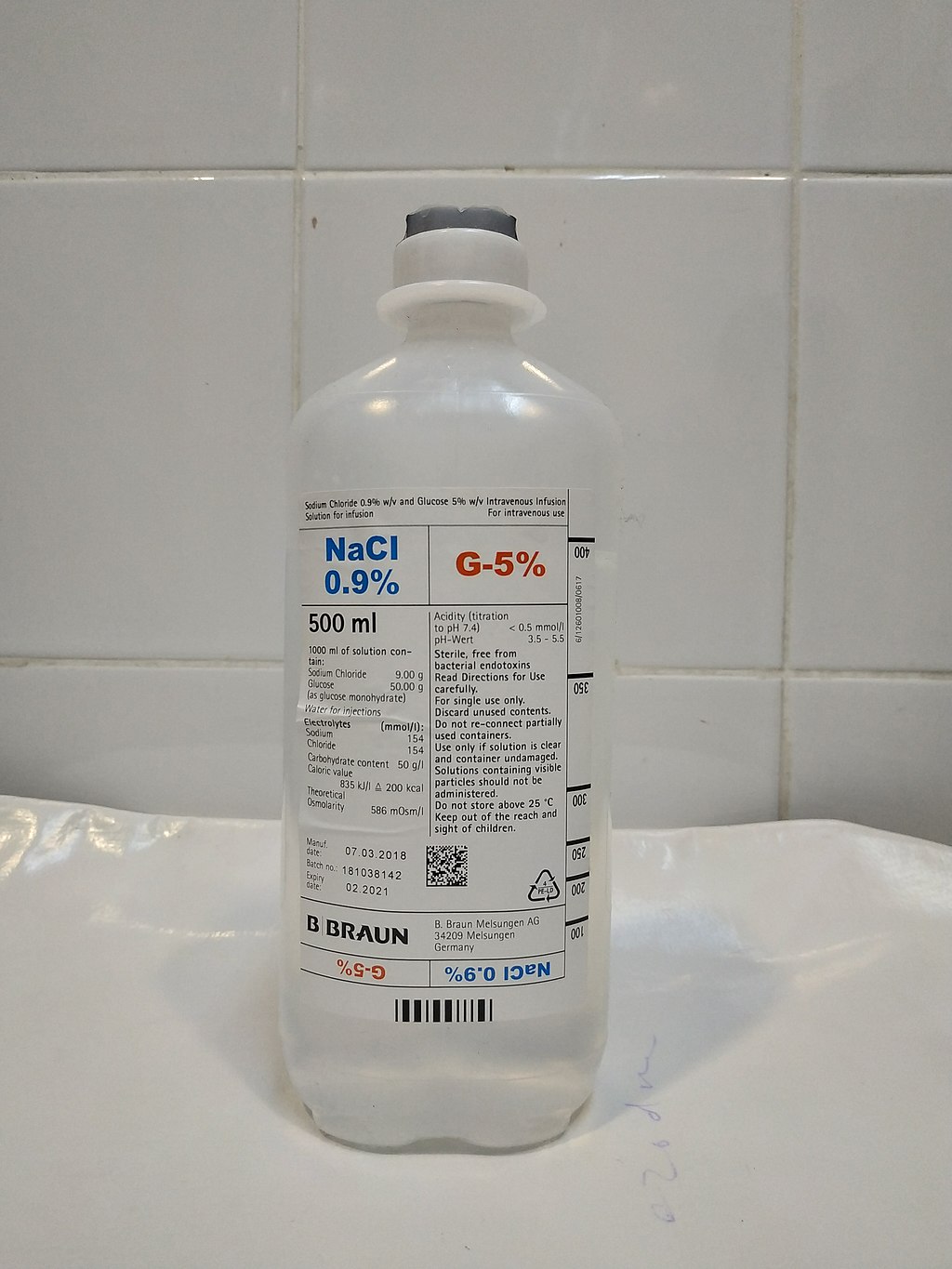
- Dextrose 5% in normal saline
- Isotonic
- Used in nutritional support and hydration
Hypertonic saline
- 3% saline
- Hypertonic: 900 mOsm/L
- Draws fluid out of tissues into circulation
- Used in elevated intracerebral pressure and in severe hyponatremia
Continue learning
Practice the topics covered in this lecture.