
Pharmacology
Lactulose Pharmacology: Mechanism of Action, Therapeutic Uses & Adverse Effects
Source presentation · 3 min read
Edits save on this browser. Download a copy for your records.
Lactulose
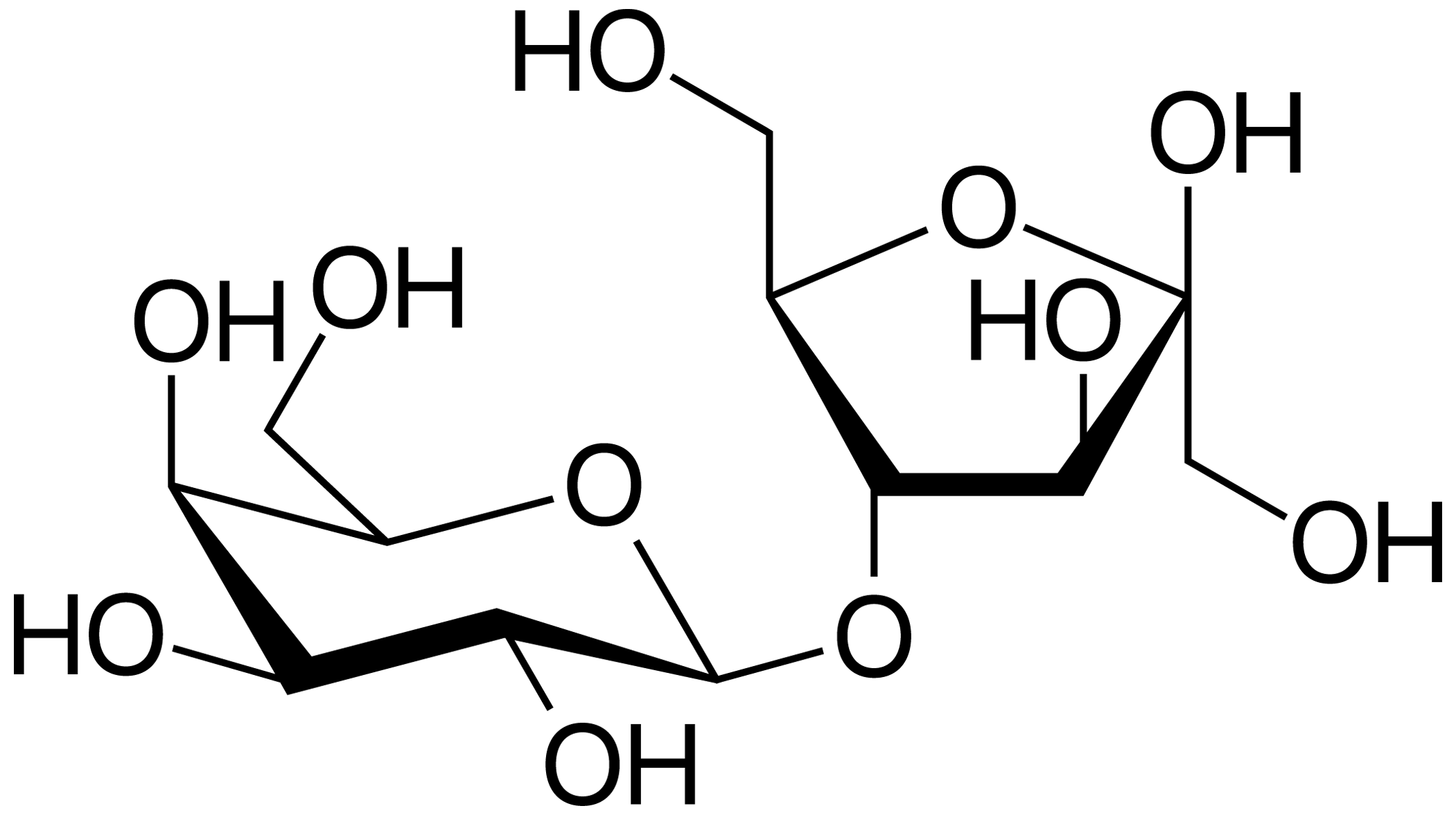
- Lactulose is a non absorbable synthetic disaccharide made of galactose and fructose
- Lactulose can’t be metabolized in the small intestine so it reaches the large intestine unchanged and that is where it get metabolized by the colonic bacteria to monosaccharides and then to fatty acids, hydrogen and methane
Mechanism of action
- Monosaccharides in the colon act as an osmolyte that draws water out of the colon wall (osmotic effect) and it also lead to increased gas formation (methane) => more water and gas in the colon lead to laxative effect => reduction in transit time => treatment of constipation (it is classified as osmotic laxative)
- By this mechanism, lactulose work to treat constipation and it is FDA approved for this indication
- Breakdown of lactulose to short chain fatty acids (e.g. lactic acid and acetic acid) lead to Reduction in PH which facilitates conversion of ammonia NH3 into ammonium NH4+ in the large intestine
- Ammonium NH4+ would not diffuse to bloodstream as much as ammonia NH3 diffuses due to its charge; also it can’t cross BBB for the same reason
- The acidic PH also work to destroy urease producing bacteria involved in the production of ammonia => less ammonia produced
- Also, lactulose inhibit intestinal glutaminase activity which blocks the conversion of glutamate to glutamine and its metabolism to ammonia
- By these 3 mechanisms, lactulose work to lower blood ammonia and treat hepatic encephalopathy and that is also an FDA approved therapeutic use for this medication
Therapeutic uses
- FDA approved therapeutic uses
- Prevention and treatment of hepatic encephalopathy, lactulose decreases blood ammonia levels by 25% to 50% and this improve patient mental state
- Used as a third line in Management of chronic constipation (after lifestyle modifications and increasing fiber intake have failed)
- Off label uses
- Management of subacute clinical encephalopathy
- Because of its ability to reduce intestinal transit time, lactulose can also reduce deoxycholic acid’s hypersaturation => leading to inhibition of cholesterol stone formation
Pharmacokinetics
- Lactulose is available as syrup for oral administration and a rectal enema
- Lactulose is poorly absorbed from GI tract and it work locally there
- Less than 3% of the total dose is absorbed to the blood and excreted through urine
Adverse effects
- Since lactulose doesn’t get absorbed into the blood, it produces side effects limited to the GI tract
- The most significant side effect is diarrhea which is dose dependent and decreases in severity with dose reduction
- Diarrhea may lead to electrolyte disturbances
- It also may lead to increased bowel sounds, increased flatus, and sensation of bloating
Notes
- Lactulose is contraindicated in galactosemia patients requiring galactose free diet
- Sorbitol is superior in treatment of constipation in elderly patients
- Lactulose may lead to electrolyte imbalances due to its osmotic effect, electrolyte might require monitoring especially in elderly and critically ill patients
- Lactulose may induce lithium toxicity in psychiatry patients due to its ability to induce dehydration through its osmotic action leading to poor renal excretion of lithium
Continue learning
Practice the topics covered in this lecture.