
Pathology
Cellular Adaptations (Growth Adaptations): Hypertrophy, Hyperplasia, Atrophy, Metaplasia
Source presentation · 3 min read
Edits save on this browser. Download a copy for your records.
Essential knowledge
- Organ is in homeostasis with stress placed on it
- Increase, decrease, or change in stress on an organ can result in cellular adaptations
Cellular adaptations
- Physiologic
- Pathologic
Hypertrophy
- Hypertrophy is increase in cell size
- Caused by increase in stress
- It can be physiologic or pathologic
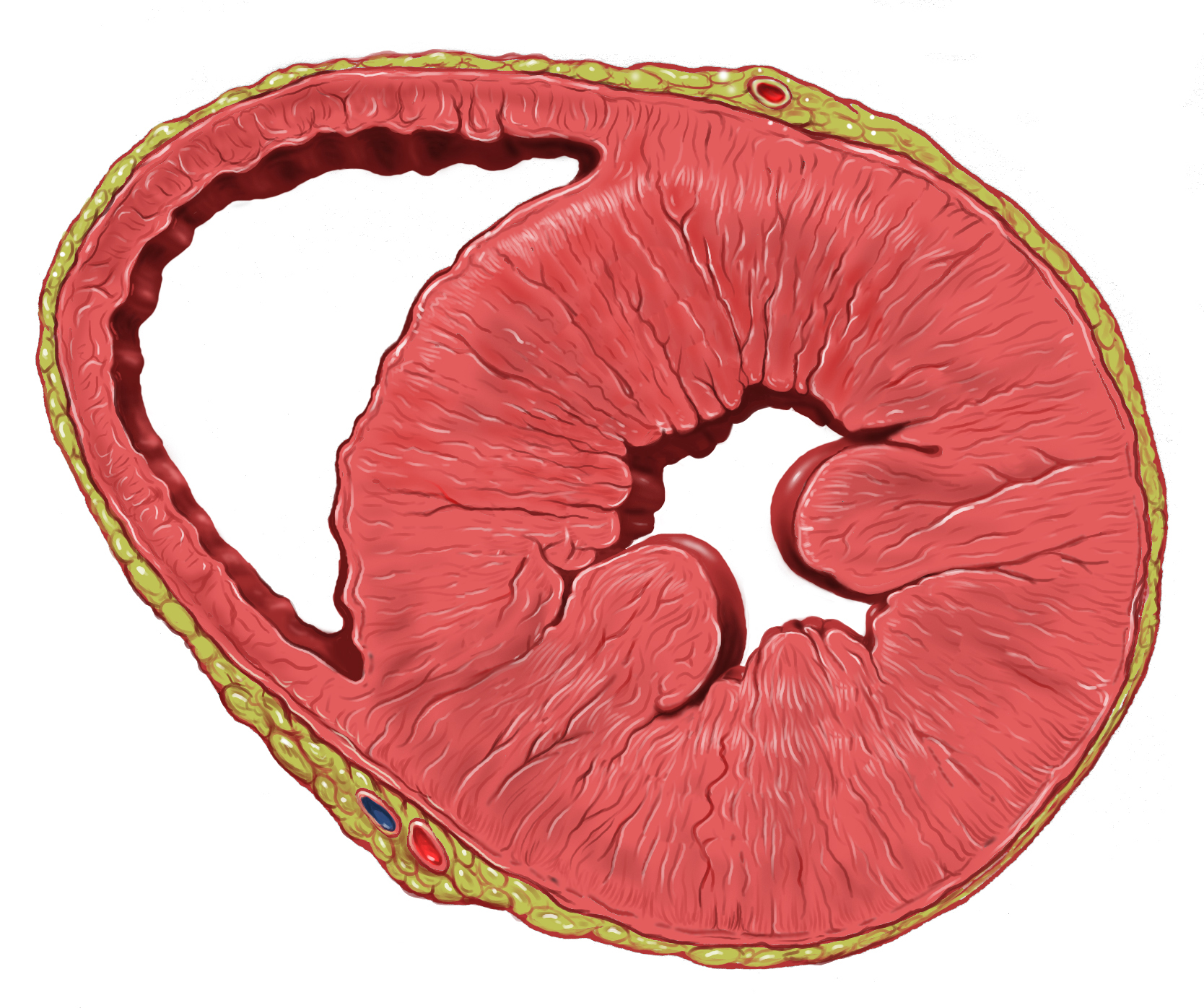
- Pathologic hypertrophy if not relieved can progress to cell injury and cell death
Mechanism of hypertrophy
- Cardiac hypertrophy: Occur due to stretch
- Release of mediators that stimulate cell growth (growth factors and hormones) => turn on signal transduction => induce expression of genes => genes encode number of cellular proteins => one result is synthesis of myofilaments which increases force generated with each contraction => cell meets increased work demands
- Other mechanism is maybe the switch of contractile proteins from adult to fetal or neonatal forms (e.g. switch of α myosin heavy chain to β myosin heavy chain) => this will produce slower and stronger contractions
Hyperplasia
- Hyperplasia is increase in the number of cells in an organ
- It can be physiologic or pathologic
- Pathologic hyperplasia vs cancer: responsive vs unresponsive to regulatory signals
Atrophy
- Atrophy is reduced organ size caused by reduction in size and number of cells
- Atrophy can be physiologic or pathologic
Mechanism of atrophy
- Combination of decreased protein synthesis and increased protein degradation
- Decrease protein synthesis is due to reduced metabolic activity
- Protein degradation occur mainly by the ubiquitin-proteasome pathway
- Atrophy also accompanied by increased autophagy
Metaplasia
- Metaplasia is a change in which one adult cell type is replaced by another adult cell type
- Caused by change in stress
Mechanism of metaplasia
- Reprogramming of stem cells
Examples of metaplasia
- Respiratory epithelium metaplasia from ciliated columnar to stratified squamous epithelium due to prolonged cigarette smoking
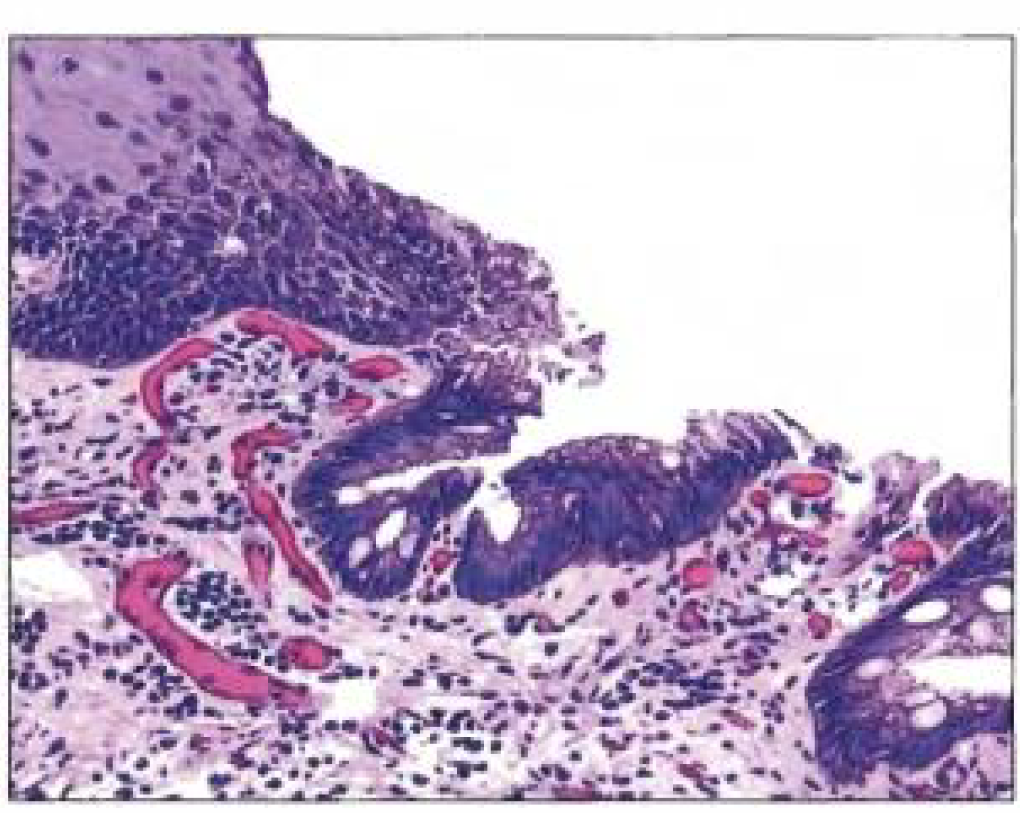
- Lower esophagus stratified squamous metaplasia to intestinal type columnar epithelium due to chronic gastric reflux
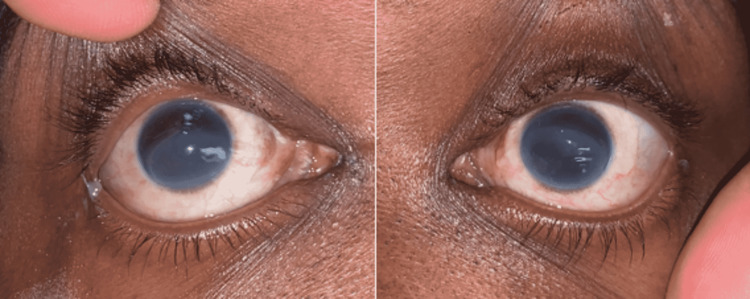
- Keratomalacia: squamous epithelium of conjunctiva undergoes metaplasia to stratified keratinizing squamous epithelium
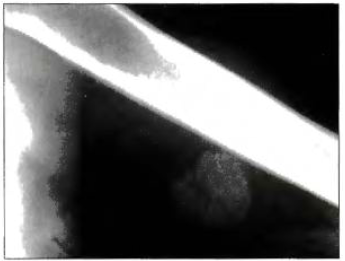
- Myositis ossificans
Malignant transformation in metaplasia
- If the causes that led to metaplasia are persistent then it may predispose to malignant transformation of the epithelium
Continue learning
Practice the topics covered in this lecture.