
Pharmacology
Fentanyl Pharmacology: Mechanism of Action, Therapeutic Uses & Adverse Effects
Source presentation · 4 min read
Edits save on this browser. Download a copy for your records.
Fentanyl
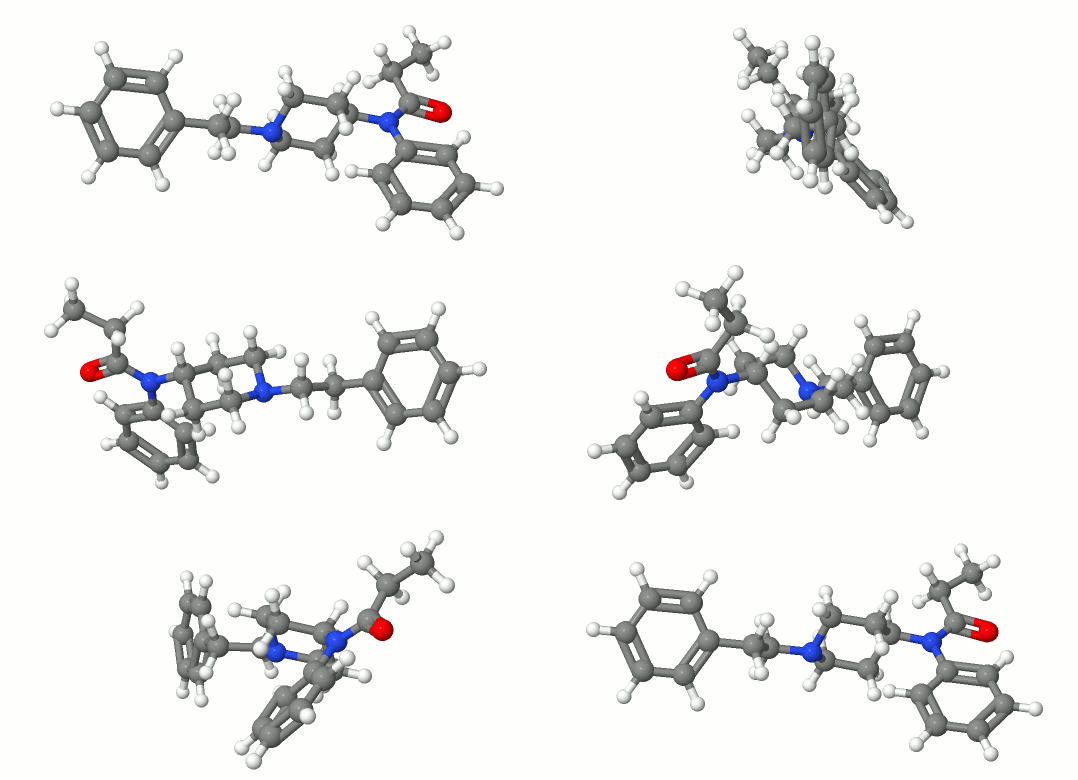
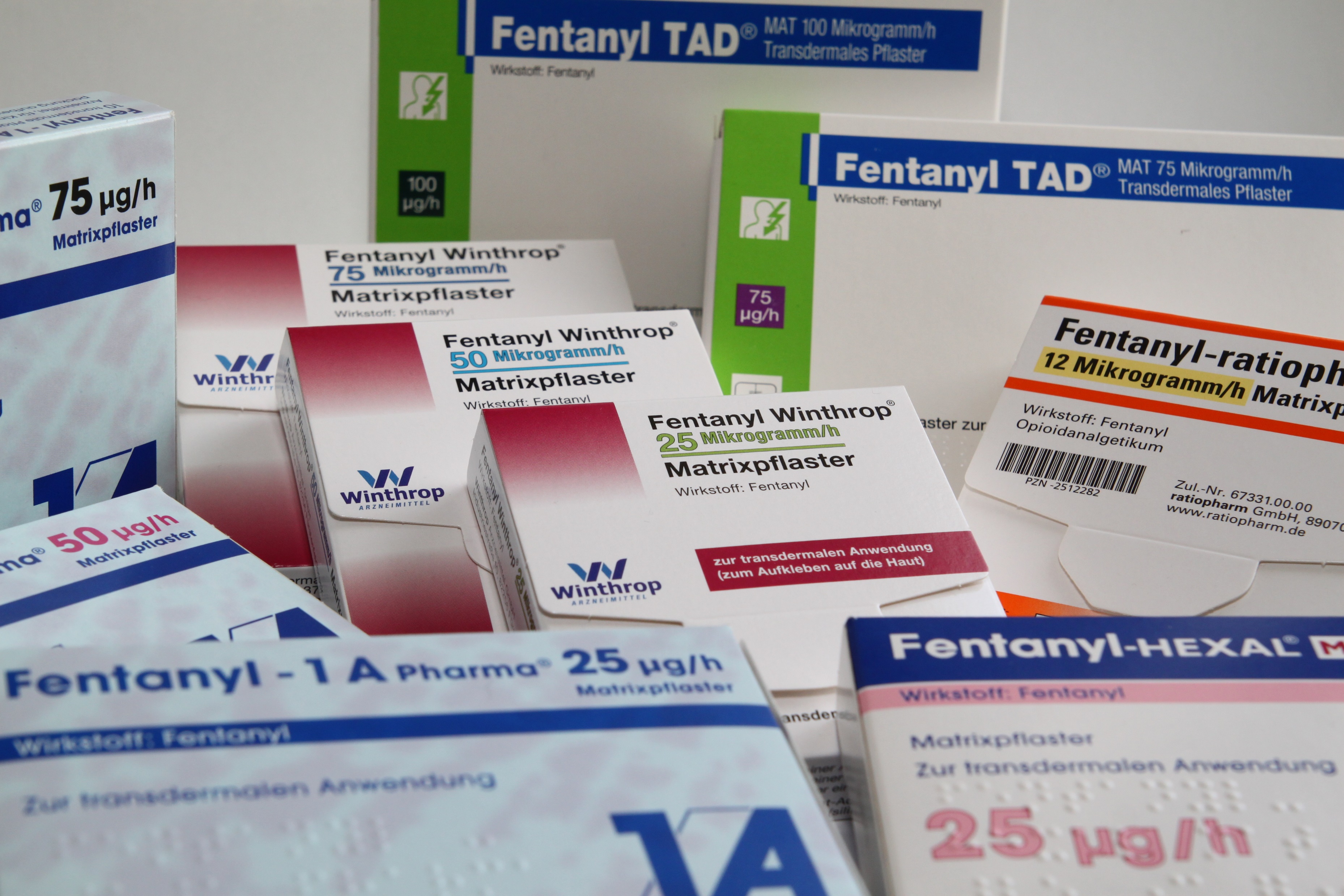
Overview
- Highly potent opioid analgesic drug, 50- 100 times more potent than morphine
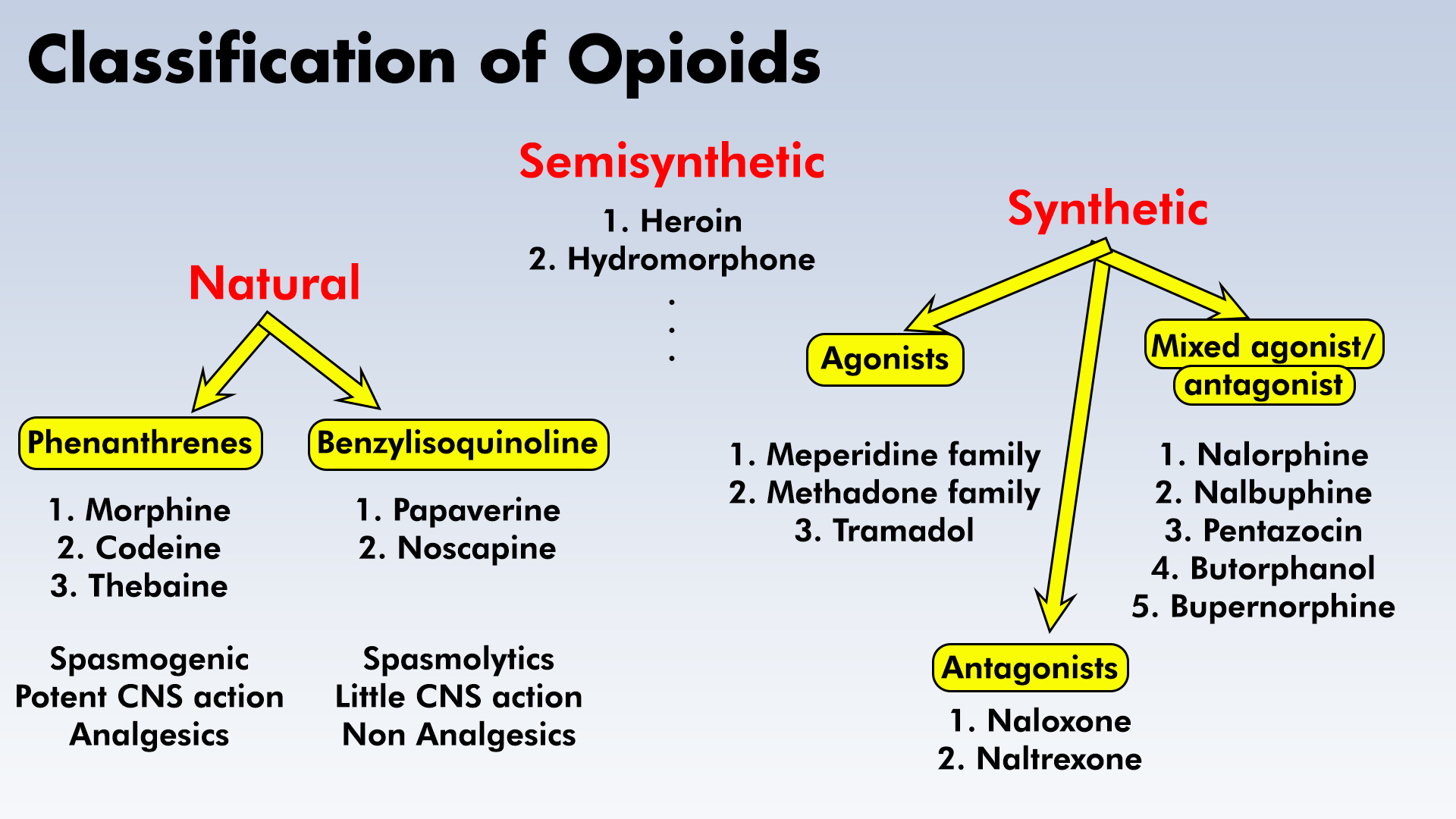
- Synthetic opioid from phenylpiperidines family
- Mainly used in management of cancer pain and after painful surgical operations
- Relatively small quantity of Fentanyl can cause overdose and death
- Fentanyl was first synthesized by the Belgian physician Paul Janssen in 1959, by modifying the meperidine
- Fentanyl is the most widely used synthetic opioid (the most used natural opioid being the codeine)
- Fentanyl and its analogues are responsible for the most drug overdose deaths in US
- There is a number of drugs that are analogous to fentanyl, they include sufentanil, alfentanil, remifentanil and carfentanil and many more
Pharmacokinetics
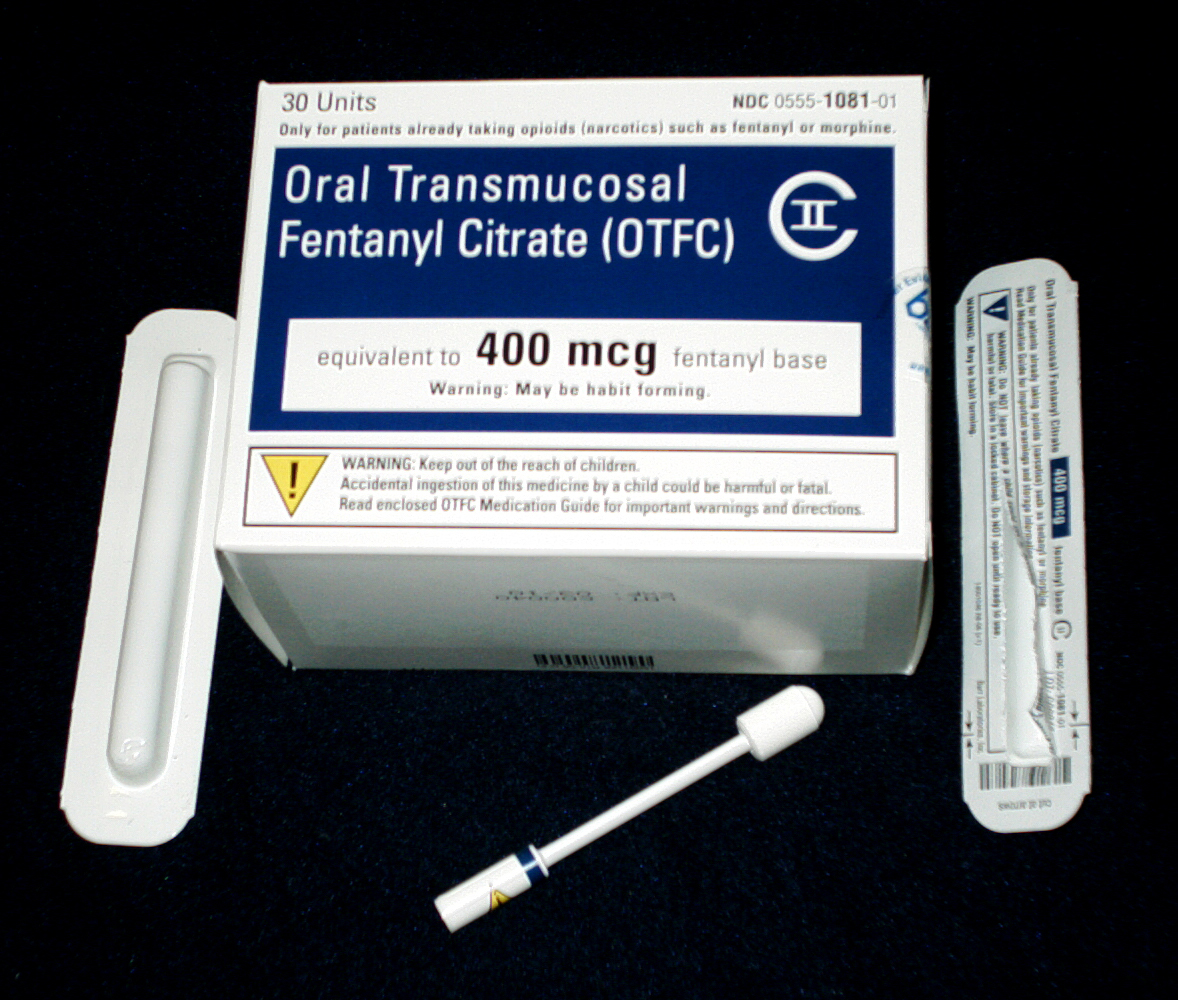
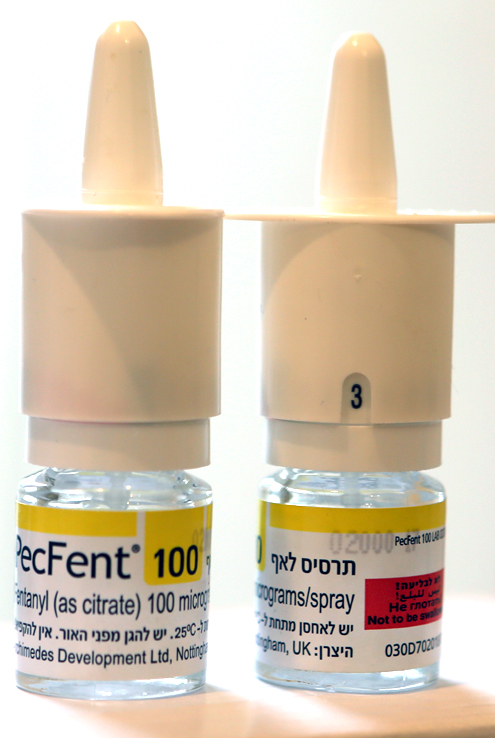
- Available as oral, IM, IV, transdermal patches, transmucosal, intranasal formulations
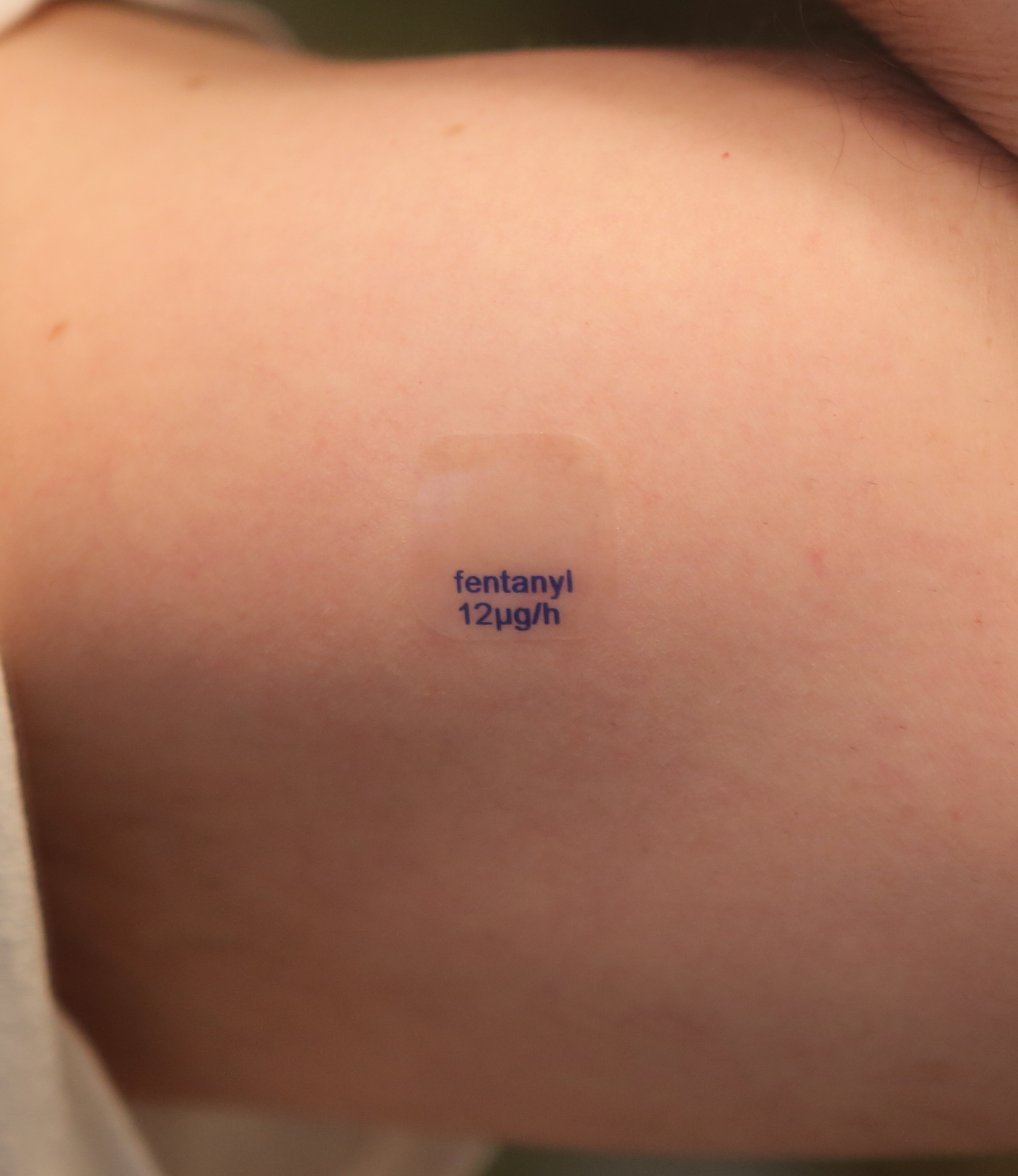
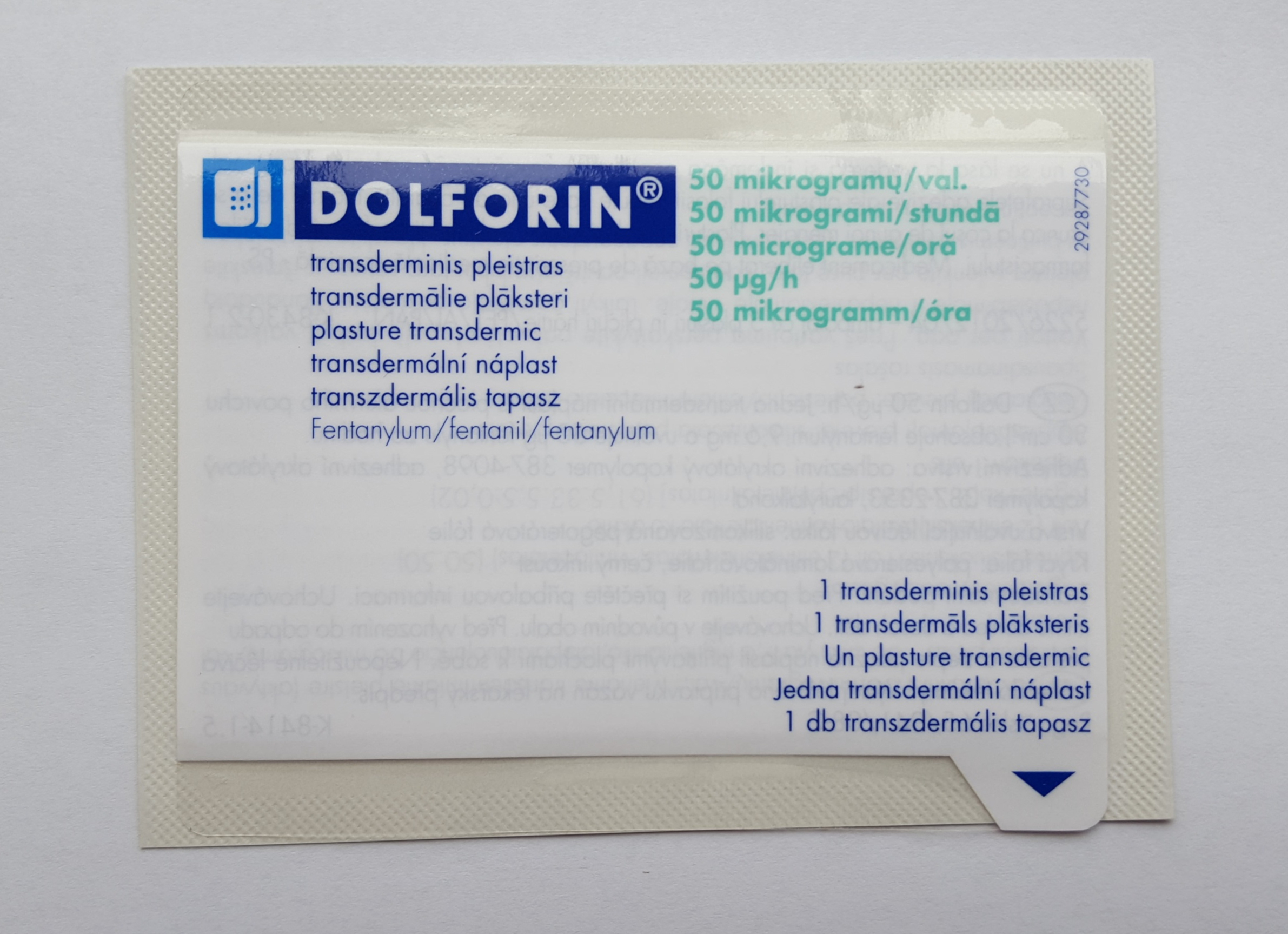
- When used in transdermal patches fentanyl absorbed slowly through skin which provide continuous, extended pain relief over a period of 2- 3 days
- It is rarely used as oral formula because of the low bioavailability due to extensive first pass metabolism
- Distribution: some of the dose bind to plasma proteins but the rest is delivered to tissues, especially CNS
- Metabolized to nor fentanyl (active) which is less potent than fentanyl
- Excreted through liver and kidney
- After removal of the patch, there is some residual left which might lead to overdose
Mechanism of action
- Fentanyl work as agonist on the opioid receptors (mu, kappa and delta) which are available everywhere in the human body, especially the CNS
- Fentanyl is 50- 100 times more potent than morphine when working on these receptors
Pharmacologic Effects
Activation of these opioid receptors lead to several central effects (CNS effects):
- Analgesia
- Euphoria
- Sedation
- Respiratory depression
- Cough suppression
- Nausea and vomiting
- Miosis
- Pruritus due to histamine release
- Truncal rigidity
Activation of these opioid receptors lead to several peripheral effects including:
- CVS: bradycardia and hypotension
- GIT: constipation
- RS: less bronchoconstriction compared to morphine (less histamine release)
- Urinary system: may lead to urine retention
- Immune: decrease immunity
Therapeutic uses
- Fentanyl used in anesthesia as analgesic
- It is the most commonly used agent in regional anesthesia, it has quick onset of action (5-10 min) and intermediate duration (60-120 min)
- Used in pain management for severe pain in form of transdermal patches
- Transdermal fentanyl 12 microgram/h patch equates to approximately 30 mg oral morphine daily
- Fentanyl is safer for renal failure patients than other opioids
- Opioids that are safe in renal failure are fentanyl, alfentanil and buprenorphine
Adverse effects
- Nausea and vomiting (less than the morphine)
- Constipation
- Dry mouth
- Headache, Confusion, weakness, hallucinations
- Respiratory depression: common with Fentanyl because it is very potent opioid so it inhibit respiratory center more than other opioids do, even sustained release preps may lead to unexpected respiratory depression
- Hypotension
- Tolerance
- Physical dependence
- Addiction
- Serotonin syndrome
Wooden chest syndrome (rare)
- During Fentanyl overdose
- Fentanyl increase tone in chest and abdominal muscles and also in the diaphragm due to release of noradrenaline and activation of cholinergic receptors which lead to activation of alpha adrenergic receptors and muscle contraction
- This induces respiratory failure and death
Continue learning
Practice the topics covered in this lecture.