
Pharmacology
Opioids Pharmacology: Classification, Mechanism of Action, Therapeutic Uses & Adverse Effects
Source presentation · 9 min read
Edits save on this browser. Download a copy for your records.
Opioid Pharmacology
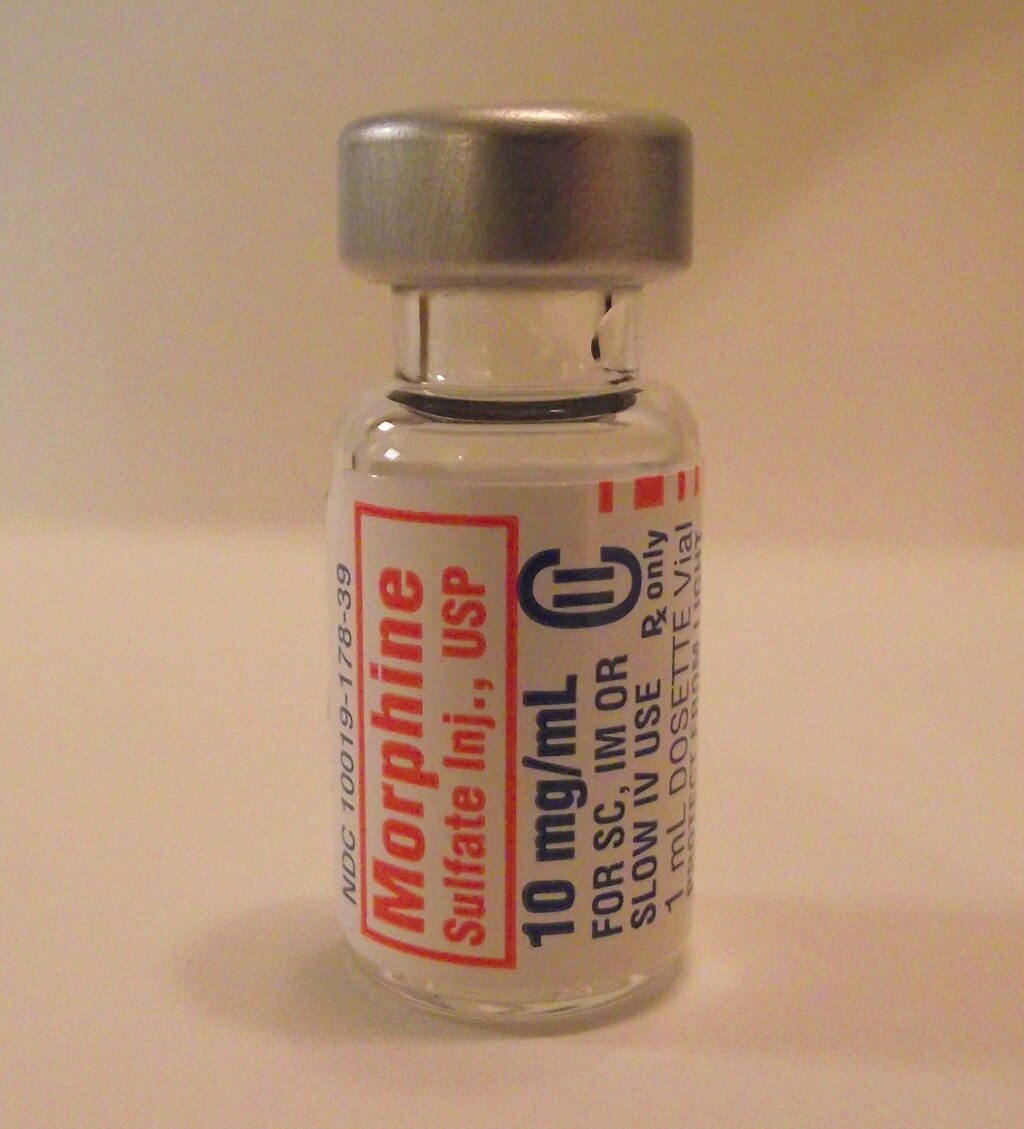
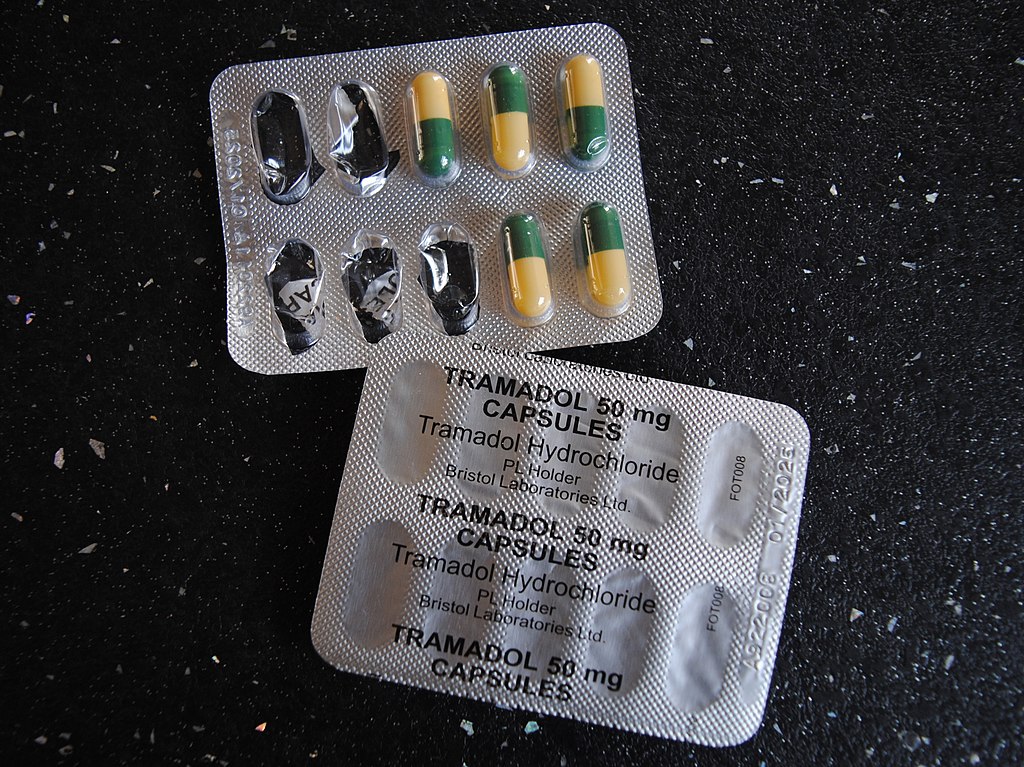
Classification of analgesics
- Opioid analgesics
- NSAIDs
- Analgesics antipyretics drugs: e.g. paracetamol, dipyrone and nefopam
- Non analgesic drugs that work as analgesics for some conditions: e.g. carbamazepine (antiepileptic drug) used for trigeminal neuralgia, duloxetine (anti depressant) used for diabetic neuropathy
Opioids
- Drugs that relieve or decrease pain sensation
- They also lead to sedation, euphoria, decreased GI peristalsis and physical dependence
- They may lead respiratory depression
- Opioids are classified as analgesic drugs
Opioids terminology
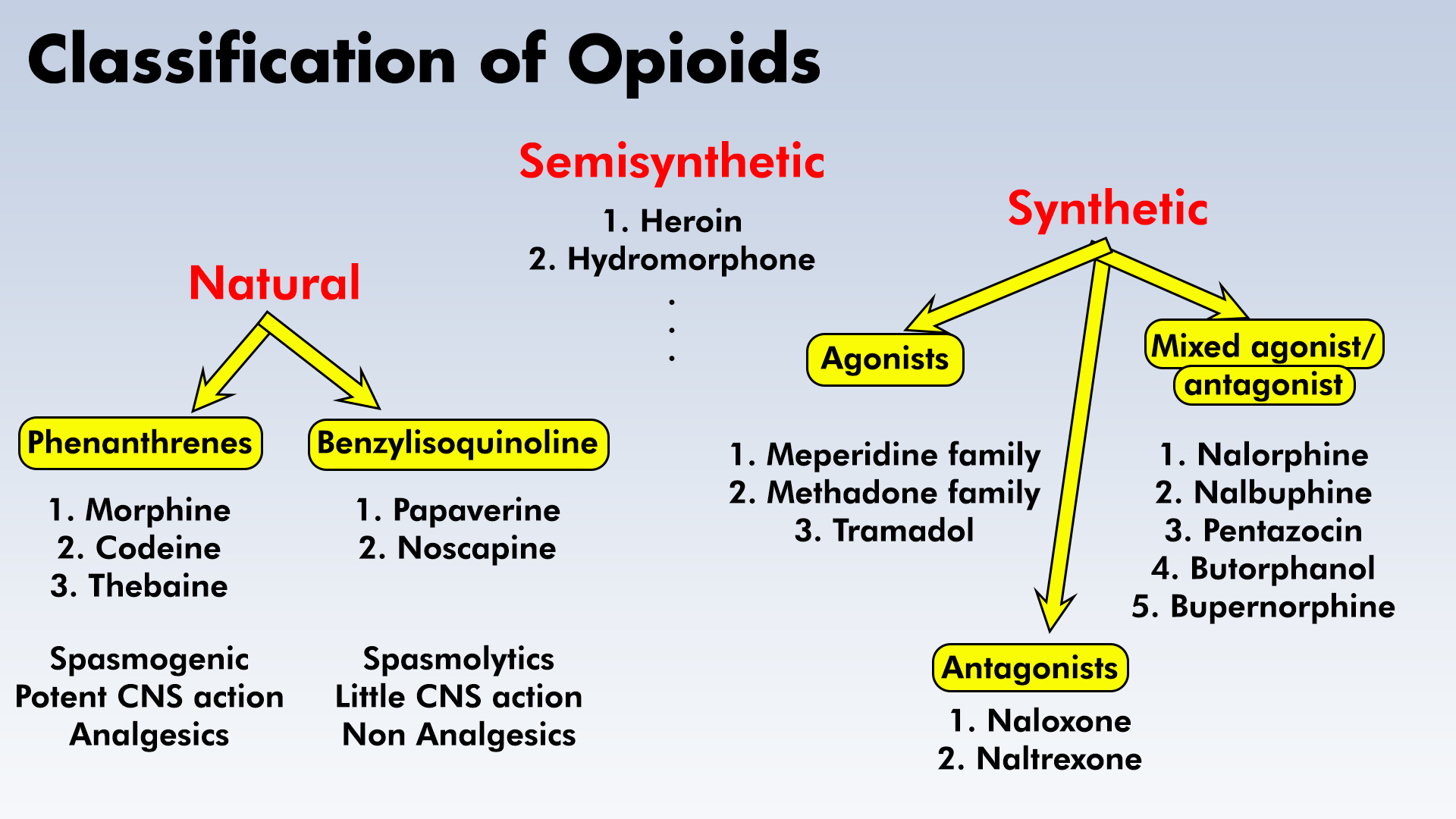
- Opioids: refers to all drugs that work at opioid receptors (natural, semisynthetic and synthetics)
- Opiates: refers to the drugs that are isolated from opium plant, they include mainly morphine, codeine and papaverine (natural)


- Endogenous peptides with opioid like activity in the human body, they include endorphins, enkephalins and dynorphins
- Narcotics: drugs that produce narcosis (drowsiness or stupor but not complete loss of consciousness), narcotics is a legal term for opioids (not medical)
Opioids mechanism of action
- Opioids work on the opioid receptors which are three major receptors Mu (μ), and delta (δ), kappa (κ)
- each of these receptors has subtypes, μ has μ 1 and μ 2, δ has δ1 and δ2, κ has κ1 and κ2
- All of these receptors are G protein coupled receptors
- These receptors all located everywhere in the body including brain, spinal cord (esp. dorsal horn) and peripheral tissues
- Opioids bind to these receptors and either work as agonists, partial agonists and antagonists on those receptors (opioid classification is discussed later in this video)
- Opioids may also differ in receptor binding affinity, e.g. morphine exhibit a greater affinity to μ than codeine
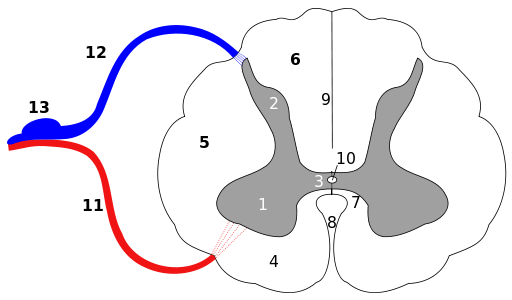
Opioids receptors pharmacologic effects
- Every receptor of those when activated lead to CNS effects (analgesia, euphoria, sedation, respiratory depression, cough suppression, miosis, truncal rigidity, nausea and vomiting, temperature changes, sleep changes, pruritus), CVS system effects, GIT effects, biliary tract, renal, uterus, endocrine, and immune effects
- Some receptors would be better in specific results than others, like mu receptor gives better analgesic effects than the others
- The effects above occur with agonist opioids, antagonists do the opposite
Analgesia
- Pain consists of sensory and emotional components and opioid analgesics suppress both of these components
Euphoria
- Pleasant sensation with decrease anxiety, agonist opioids lead to euphoria
- Dysphoria is unpleasant state with restlessness which can be a side effect of antagonist opioids

Sedation
- Decrease consciousness (drowsiness)
- Some amnesia
- Sometimes sleep (patient can be easily aroused) in comparison with sedative hypnotics drugs may results in deep sleep
Respiratory depression
- All the opioids agonists lead to respiratory depression by inhibiting the respiratory center in the brainstem
- Dose dependent
- CO2 retention occurs with cerebral vasodilatation and increase ICP
- Respiratory depression is worse in patients with asthma, COPD, head trauma
Cough suppression
- Codeine used in treatment of pathologic cough
- May lead to accumulation of secretions and atelectasis

Miosis
- Constriction of the pupils occur with all opioid agonists due to vagal stimulation, miosis is when pupil size less than 2 mm
- Mediated by parasympathetic pathway which can be blocked by atropine
- Severe miosis is indicative of toxic doses
- Miosis is a fixed feature in all addicts

Truncal rigidity
- Some opioids increase tone in the trunk muscles
- It has supraspinal mechanism
- It interferes with ventilation
- Occur especially with fentanyl, sufentanil, alfentanil and remifentanil
Nausea and vomiting
- Occur due to activation of chemoreceptor trigger zone => nausea and vomiting
Temperature
- Endogenous opioid peptides partially regulates body temperature through their action on mu receptors
- Exogenous opioids will affect body temperature too, e.g. morphine produces hyperthermia
Pruritus
- Most opioids like morphine lead to pruritus, flushing of the skin and itching
- The mechanism of pruritus is through peripheral release of histamine and central activation of pruriceptive neural circuits
Sleep architecture
- Opioids decrease stage 3 and 4 of the sleep by unclear mechanisms
- This lead to sleep disorders and fatigue in dependent people
CVS system
- Most opioids lead to bradycardia due to vagal stimulation except meperidine which has antimuscarinic action which result in tachycardia
- Hypotension may occur with opioid use if there is some pathology in the CVS system
GIT tract
- Opioid receptors exist in high density in the GIT, when activation lead to decrease stomach motility and increase the tone ;; HCl secretion decreased
- Small intestine tone increased with periodic spasms, amplitude of nonpropulsive contractions is decreased
- Large intestine propulsive peristaltic waves markedly decreased and tone is increased which lead to delay passage of feces and allows more absorption of water which ultimately lead to constipation
- Constipation is a major problem in opioid use for cancer pain…
- This can be advantageous in diarrhea treatment, there is opioids that are modified to not cross blood brain barrier so they work on GIT only to treat diarrhea like loperamide
Biliary tract
- Contraction of biliary smooth muscles => biliary colic
- Contraction of sphincter of oddi => reflux of biliary and pancreatic secretions
Renal
- Mu receptors activation in the kidney and CNS have antidiuretic effects and lead to decrease renal function
- Ureteral and bladder tone are increased and sphincter tones also increased which may lead to urine retention especially in postoperative patients
- Ureteral colic could become worse when using opioid as a pain control
Uterus
- Decrease uterine contraction which lead to prolongation of labor
Endocrine
- Opioids stimulate release of ADH which lead to increase water retention
- Also increase secretion of prolactin, somatotropin and inhibit LH secretion, This lead to decrease testosterone in men which subsequently decrease libido, energy and mood
- Women can experience dysmenorrhea and amenorrhea
Immune
- Natural killer cells and lymphocyte proliferation is inhibited by opioids
- This allows infections to become worse and allow tumor progression in cancer patients
- Mechanisms are complicated
Opioid therapeutic uses
- Analgesia: severe pain
- Acute pulmonary edema from heart failure: especially morphine (reduce anxiety, reduce cardiac preload and afterload, reduce pain)
- Diarrhea
- Used to be used for cough but now not
- Shivering: especially meperidine
- Anesthesia: before anesthesia as sedative and anxiolytic and during anesthesia also used as a part of the anesthesia to decrease sympathetic system effects, also used in regional anesthesia
Adverse effects
- Respiratory depression
- Nausea and vomiting
- Constipation
- Tolerance
- Dependence
Opioid tolerance
- Repeated doses of opioids have a diminishing analgesic effect (same dose produce less effect) due to neuroadaptation and receptor upregulation
- Patient has to increase the dose to get the same effect
- Every opioid drug lead to tolerance but in different period of time, e.g. morphine takes days while remifentanil in hours
- Tolerance develop to the analgesia, sedation, and respiratory depression of opioid agonists, it also develops to the antidiuretic, nausea and vomiting, and constipation
- It is possible to produce respiratory depression in 60mg morphine dose in non tolerant person while respiratory depression may not develop after administration of 2000mg morphine in 3 hours in tolerant person
- Tolerance is difficult to predict, it depend on the effect, drug, time and the individual genetics
- Tolerance also develops to partial agonists opioids
- Cross tolerance is common. E.g. patient tolerant to morphine would have less effects in analgesic response to other opioids, but it still when changing the opioid there would be much better effect at the same equivalent dose
- Opioid rotation (changing the opioid drug used every period of time to prevent tolerance) is used in patients with cancer and chronic pain, changing opioid would have a much better analgesia at a lower equivalent dose
Opioid dependence
- Physical dependence
- Failure of continuing administration of opioid drug result in withdrawal syndrome because the body has physiologically adapted to the opioid drug
- Withdrawal syndrome present as rhinorrhea, lacrimation, chills, hyperventilation, anxiety, hyperthermia, mydriasis, muscular aches, vomiting, hostility
- Severity of these symptoms depends on the degree of physical dependence
- Physical dependence
- Examples: morphine withdrawal signs start after 6 hours of last dose (half life is 6 hours), peak withdrawal signs are seen at 48 hours and gradually subsides within 5 days, meperidine withdrawal syndrome subsides within 1 day; methadone withdrawal syndrome takes 2 weeks to subside
- Administration of naloxone to opioid dependent person can give explosive type of withdrawal which occur within 3 minutes of administration
- Physical dependence
- Administration of mixed agonists/ antagonists also precipitates withdrawal syndrome but it is lesser in severity than when administrating a full antagonists
- Psychological dependence (addiction)
- Chronic disease of the brain that affects reward, motivation and memory
- Dysfunction in these circuits leads to biologic, psychological and social manifestations
- Opioid addiction is characterized by impairment in behavioral control, craving, diminished recognition of problems and dysfunctional emotional response
Opioid contraindications
- Giving a partial agonist to patient on full agonist opioid: this lead to diminishing analgesia and might lead to withdrawal syndrome. E.g. giving pentazocine to patient on morphine
- Use in patient with head injury: increase ICP
- Use in pregnancy: fetus become physically dependent on opioids and manifest withdrawal symptoms in early postpartum period, symptoms including irritability, crying, diarrhea and seizures
- Use in patients with impaired pulmonary function
- Use in patients with impaired hepatic or renal functions: opioids metabolized by liver and if liver impaired then their half lives are prolonged
- Use in patients with endocrine disease: patients with Addison’s and hypothyroidism mostly have exaggerated responses to opioids
Continue learning
Practice the topics covered in this lecture.