
Clinical medicine
Portal Hypertension: Pathophysiology, Signs and Symptoms, Diagnosis and Treatment
Source presentation · 3 min read
Edits save on this browser. Download a copy for your records.
Portal hypertension

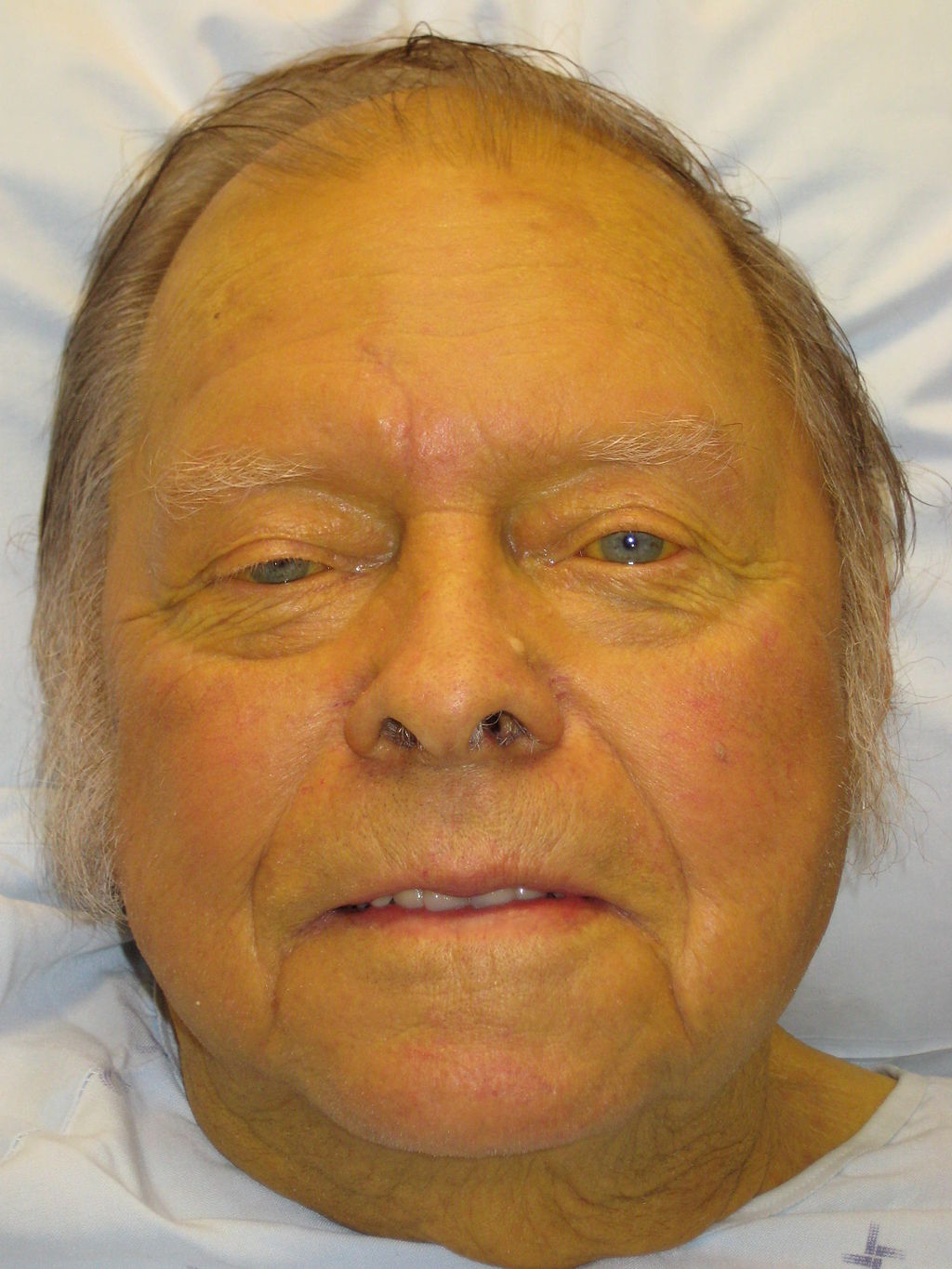
Overview
- Portal hypertension is increased pressure within the portal venous system
- Pressure difference of 6 mmHg or more between the portal vein and the inferior vena cava confirms portal hypertension diagnosis
- Liver cirrhosis is the most common cause for portal hypertension
Pathophysiology
- Portal vein collects blood from bowel and go through the liver and into the hepatic vein and then to inferior vena cava
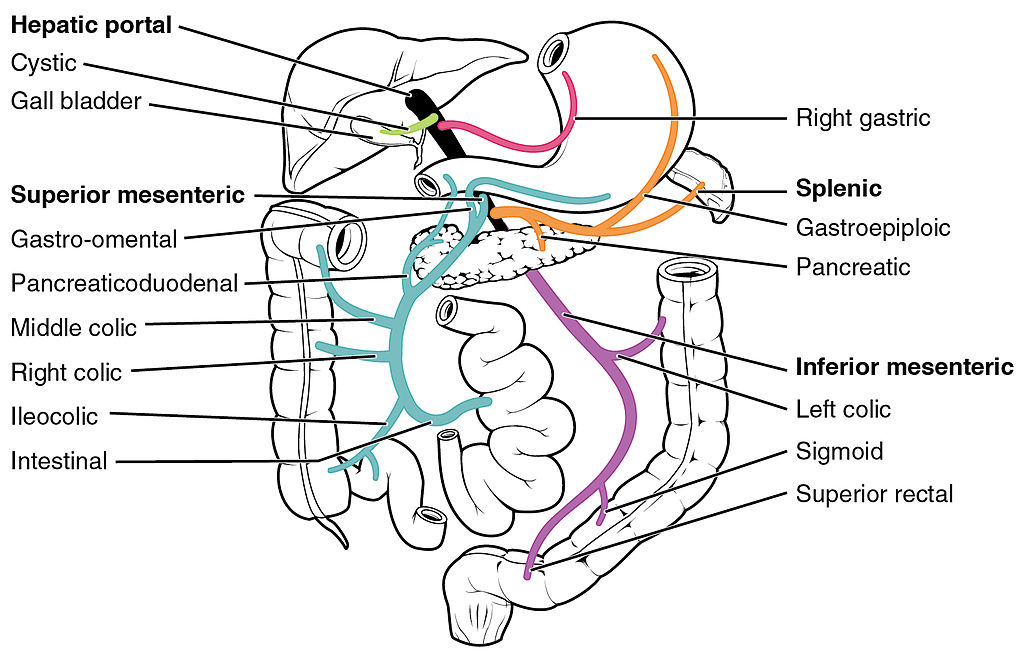
- Portal hypertension develops when the resistance to the portal blood flow increases leading to increase the pressure difference between portal and inferior vena cava
- Resistance could be in the liver in form of cirrhosis, or it could be prehepatic in the portal vein in form of portal vein thrombosis, or it could be post hepatic like Budd Chiari syndrome (occlusion of the hepatic vein)
When the portal blood pressure remains elevated, body tries to decrease this pressure by opening the collateral vessels that bypass the liver’s normal circulation (thus bypassing the resistance), examples of the collaterals include:
- Esophageal varices
- Gastric varices
- Rectal varices
- Periumbilical veins (caput medusa)
- Splenic collaterals
- Retroperitoneal collaterals
Causes
- Prehepatic: portal vein thrombosis, arteriovenous malformations or fistulas involving the portal vein
- Intrahepatic: congenital hepatic fibrosis, schistosomiasis, liver cirrhosis, veno-occlusive disease
- Post hepatic: Budd-Chiari syndrome, inferior vena cava obstruction, constrictive pericarditis
Clinical features
- No symptoms until complications arise
- Cirrhosis is the most common cause of portal hypertension and when patient have it, they present with jaundice, palmar erythema, spider nevi, gynecomastia, ascites, asterixis and hepatic encephalopathy
- Patient might present with hematemesis or melena from bleeding varices
- Splenomegaly is reliable sign in the diagnosis of portal hypertension, if no splenomegaly think of other differential diagnosis
Diagnosis
- CBC to look for anemia from bleeding, thrombocytopenia from bleeding or liver failure
- LFT, RFT looking for liver or renal failure
- Coagulation profile to look for deficiencies in the coagulation factors from liver failure
- Doppler US of the portal vein looking for stenosis or thrombosis
- Abdominal US looking for liver cirrhosis, ascites and splenomegaly
- Endoscopy looking for varices
- Patient with ascites need paracentesis to look for the cause
- Measurement of portal pressure often not required to make the diagnosis because the clinical features are enough
Treatment
- Treat the cause: e.g. portal vein thrombosis treated with anticoagulation, liver cirrhosis treated with liver transplantation
- Treat the complications: e.g. hematemesis treated with supportive measures (blood transfusions…) and endoscopic therapy
- Empiric antibiotics for prophylaxis against SBP
- Ascites treated with sodium restriction, diuretics and paracentesis
Continue learning
Practice the topics covered in this lecture.