
Clinical medicine
Serum Ascites Albumin Gradient (SAAG)
Source presentation · 2 min read
Edits save on this browser. Download a copy for your records.
Serum Ascites Albumin Gradient (SAAG)
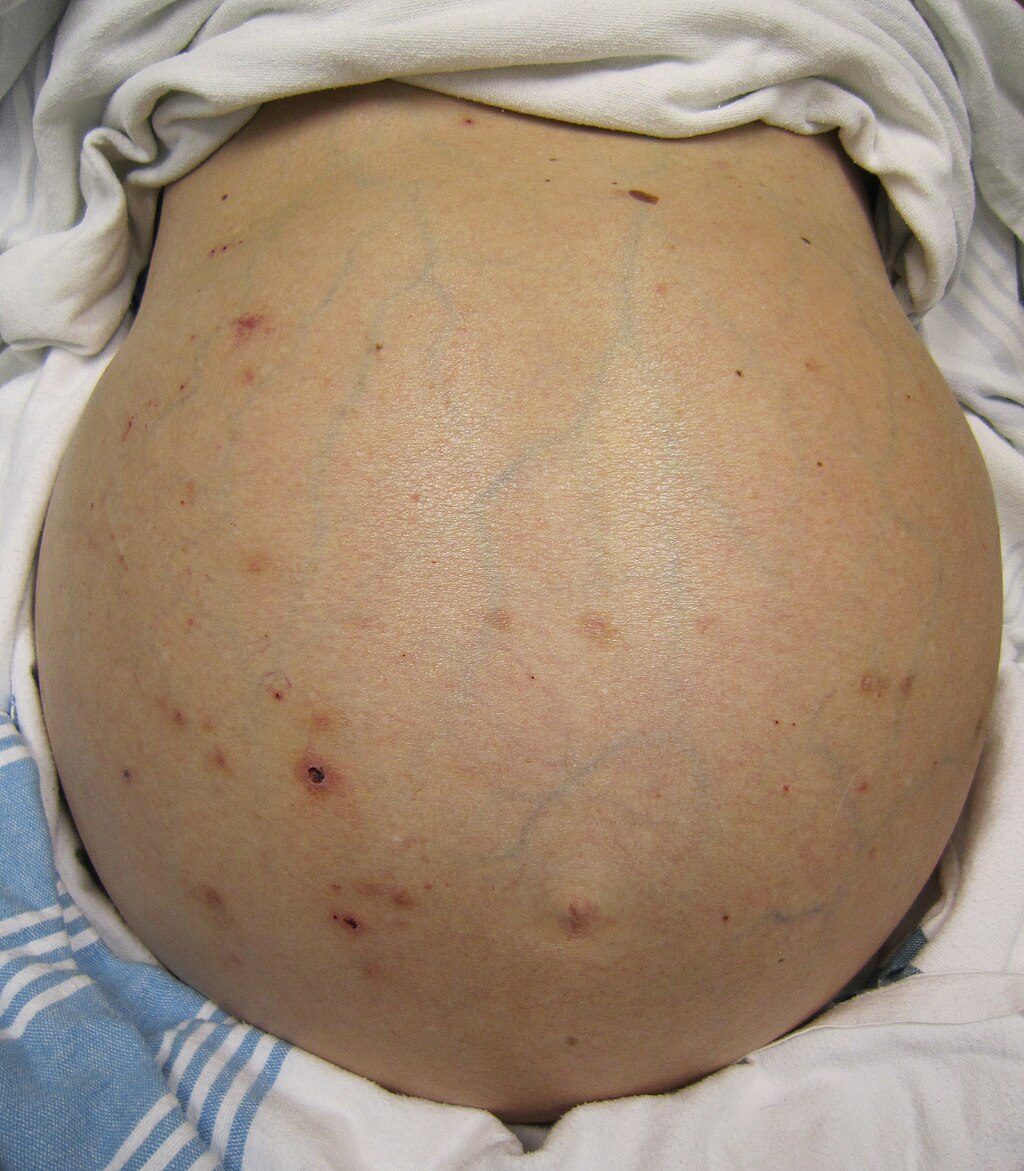
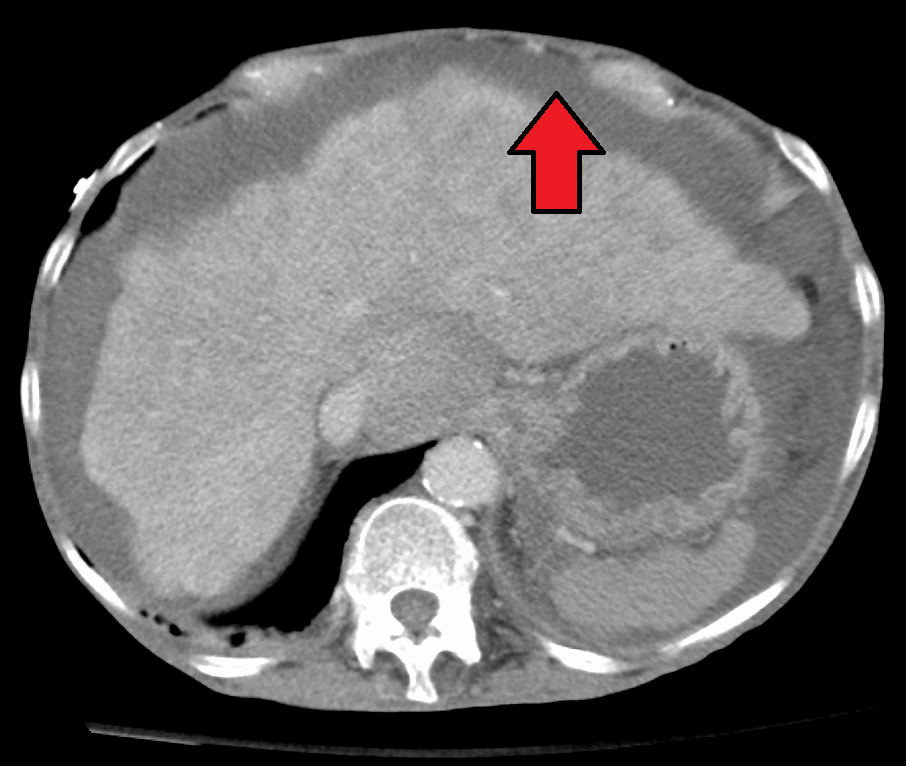
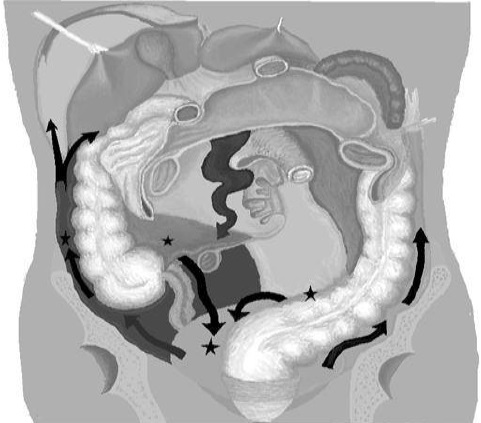
SAAG
- It is one of the investigations used to evaluate newly diagnosed or worsening ascites
- It is used to distinguish the causes of ascites whether it is caused by portal hypertension or malignancy or other causes
- Sample of the ascitic fluid is taken via paracentesis
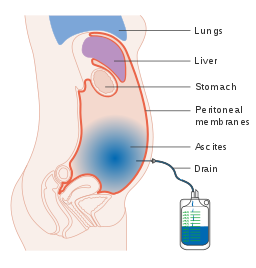
- And then the sample taken to laboratory to calculate albumin level and also sample of patient blood also taken for albumin level calculation
- Then SAAG = serum albumin – ascites albumin
- If SAAG > 1.1 g/dL
- Means the albumin level in blood is much higher than the ascitic fluid
- This means that the ascitic fluid is forming due to high pressure driving the fluid into the peritoneum (from the vessels into peritoneum)
- This high pressure is caused by portal hypertension
- Portal hypertension is caused by: liver cirrhosis, heart failure, Budd Chiari syndrome …
- If SAAG < 1.1 g/dL
- Means the albumin level in blood is little higher than the ascitic fluid
- Here the problem is in the vessels, they are leaking the albumin and the fluid into the peritoneum
- Causes: malignancy, infections, pancreatitis …
Total ascitic protein
- Total protein of the ascitic fluid is used with the SAAG to identify the cause of ascites
- Same ascites sample taken for SAAG is used to calculate total protein
- If total ascitic protein < 2.5 g/dL
- Total ascitic protein is low
- Mostly due to portal hypertension, other causes include nephrotic syndrome and tuberculosis peritonitis
- If total ascitic protein > 2.5 g/dL
- Total ascitic protein is high
- Causes include: heart failure, malignancy
| SAAG | |||
|---|---|---|---|
| < 1.1 g/dL | > 1.1 g/dL | ||
| Total protein | < 2.5 g/dL | Nephrotic syndrome | Liver cirrhosis, Budd Chiari syndrome |
| > 2.5 g/dL | Cancer, pancreatitis, infection | Heart failure, veno occlusive disease | |
Continue learning
Practice the topics covered in this lecture.