
Pharmacology
Wellbutrin (Bupropion) Side Effects & Why They Occur
Source presentation · 3 min read
Edits save on this browser. Download a copy for your records.
Intro
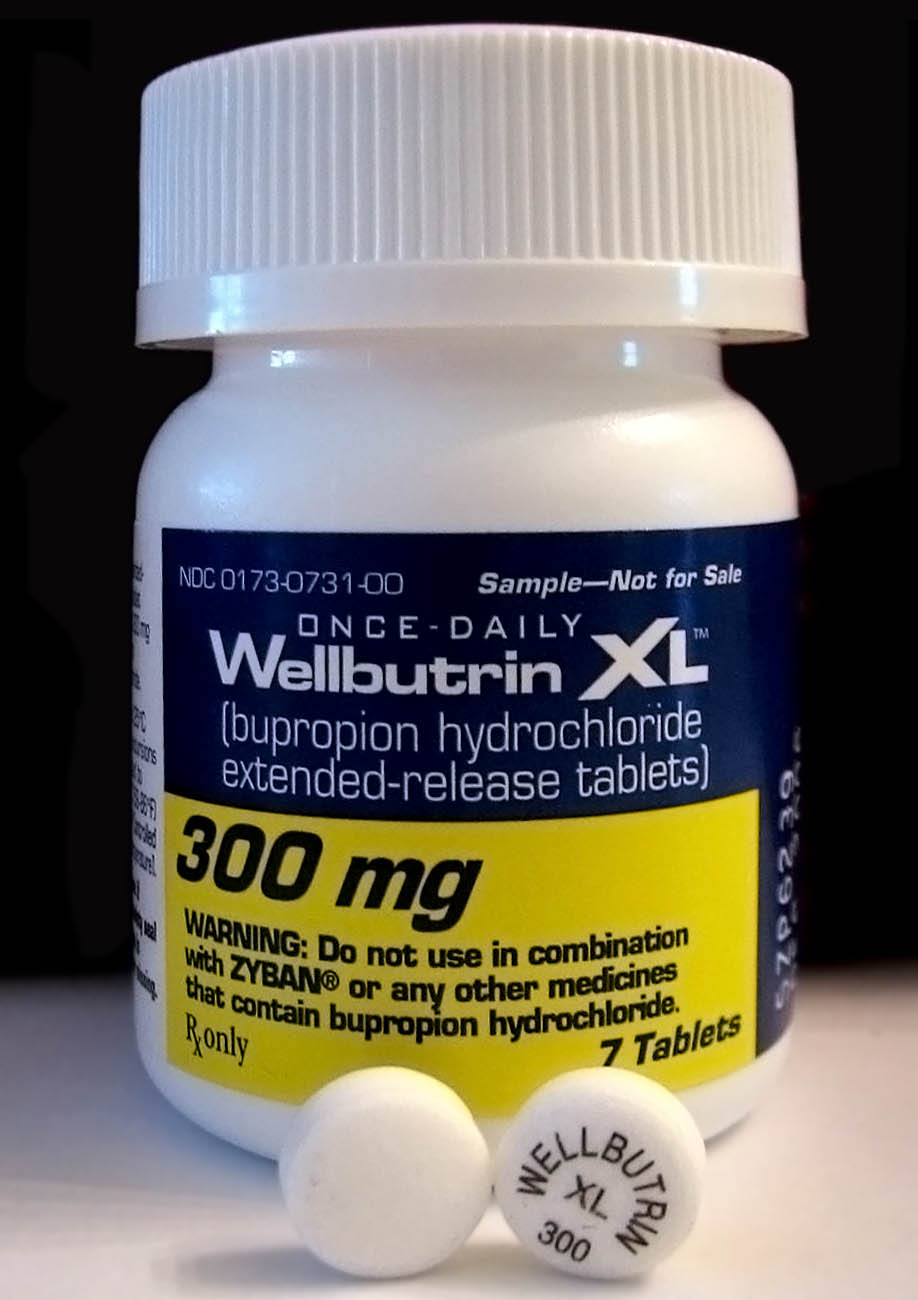
- Wellbutrin (Bupropion) is atypical antidepressant medication that is used in the treatment of depression and in smoking cessation.
- It works by blocking the reuptake of norepinephrine and dopamine, leading to higher levels of these neurotransmitters available in the neurons synapse
- In this video, I will explain the side effects of this medication
Cardiovascular side effects
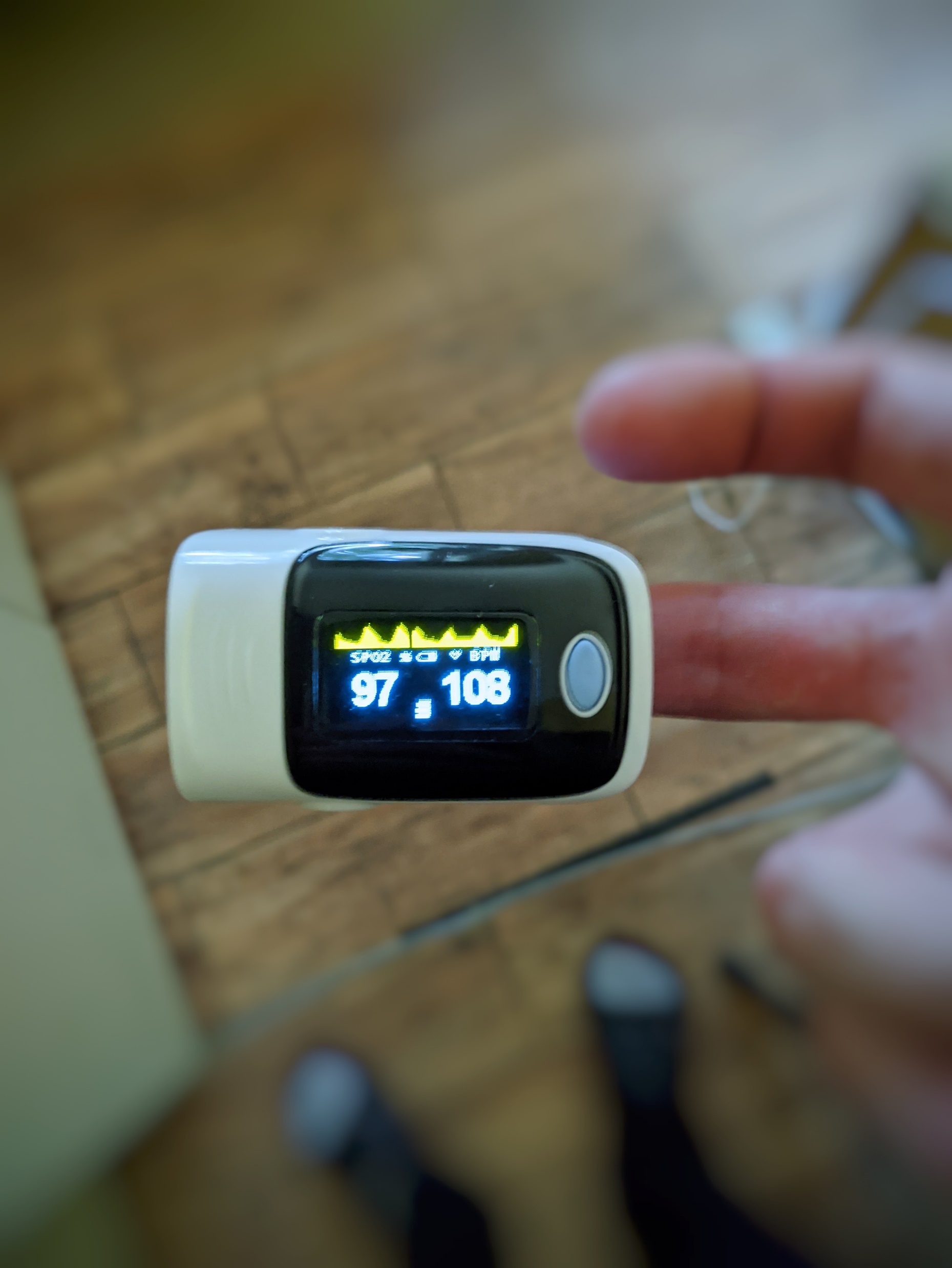
- Tachycardia and Higher blood pressure
- Higher norepinephrine levels lead to activation of the sympathetic system (fight or flight response) leading to tachycardia and higher blood pressure
Central nervous system
- Insomnia: higher dopamine levels stimulate the brain leading to increase alertness and energy levels leading to insomnia
- Headache: changes in neurotransmitter levels can affect brain chemistry leading to headache
- Anxiety and agitation: higher levels of norepinephrine and dopamine may lead to anxiety and agitation

GIT side effects
- Nausea and vomiting
- That is because Increased norepinephrine levels also affects the enteric nervous system leading to nausea, vomiting
- Also Elevated norepinephrine levels may stimulate the chemoreceptor trigger zone in the brain leading to nausea and vomiting
Respiratory side effects
- Rhinitis
- Pharyngitis
Diaphoresis
- Excessive sweating
- Caused by increased body temperature caused by the elevations in norepinephrine levels

Dry mouth
- Higher norepinephrine levels lead to activation of the sympathetic system (fight or flight response) leading to dry mouth
Tremor (jitteriness)
- Caused by sympathetic nervous system activation
Weight loss
- Higher dopamine levels lead to stimulant effect that can suppress the appetite leading to less food intake and weight loss
Hepatotoxicity
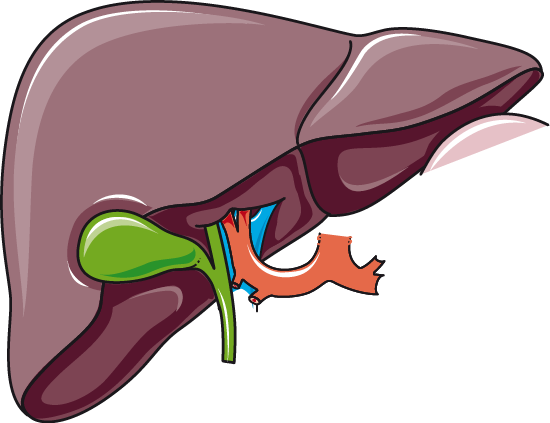
- Bupropion is metabolized in the liver and in some cases it may cause damage to the liver
- Symptoms include yellow, skin and eye, itching, upper abdominal pain and dark urine
Ophthalmologic
- Higher risk of Triggering closed angle glaucoma attack
- On the other hand, it mya decrease the risk of development of open angle glaucoma
Seizures
- Bupropion Lowers seizure threshold because it alters neurotransmitters concentrations in the brain
- The effect is highly dose dependent
Higher suicide risk
- Worsening suicidal ideation especially in people younger than 25 years old
Psychosis
- Hallucinations and delusions
- Because it increases the levels of dopamine in the brain
Trigger mania or hypomania
- Especially in patients with bipolar disorders

Withdrawal syndrome
- Occur where there is abrupt interruptions or sudden withdrawal of the medication
- Symptoms include dizziness, insomnia, anxiety, agitation and irritability
Continue learning
Practice the topics covered in this lecture.