
Pharmacology
Haloperidol Pharmacology: Mechanism of Action, Therapeutic Uses & Adverse Effects
Source presentation · 4 min read
Edits save on this browser. Download a copy for your records.
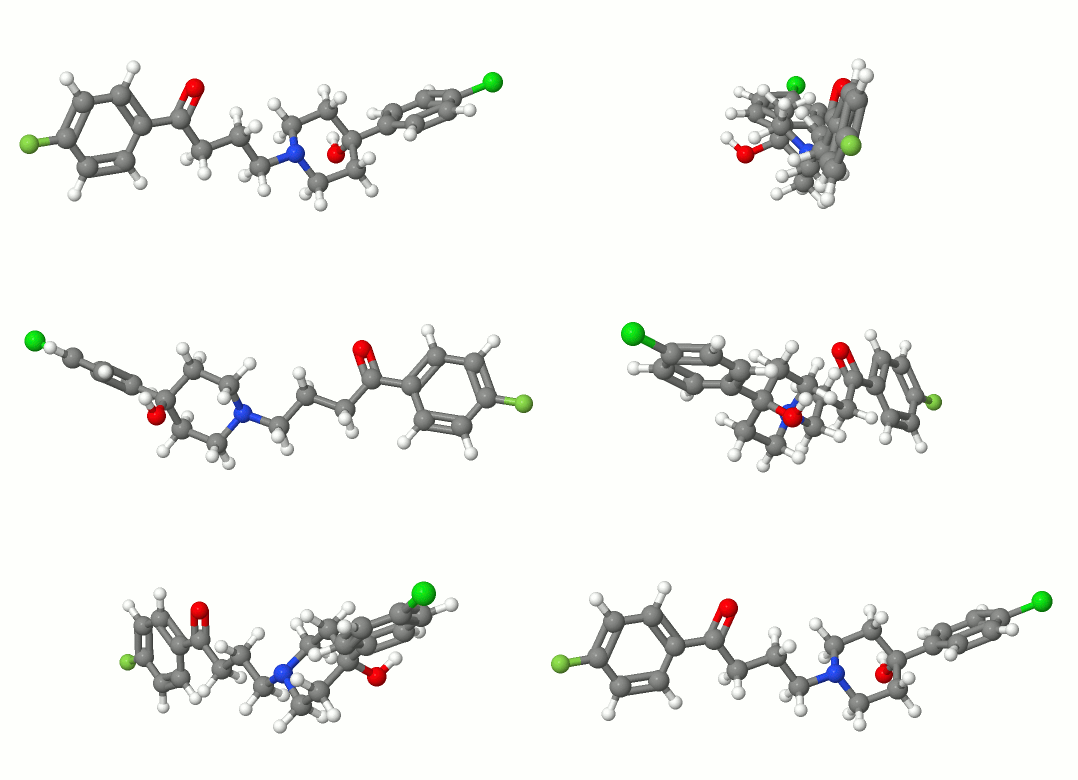
Haloperidol
Overview
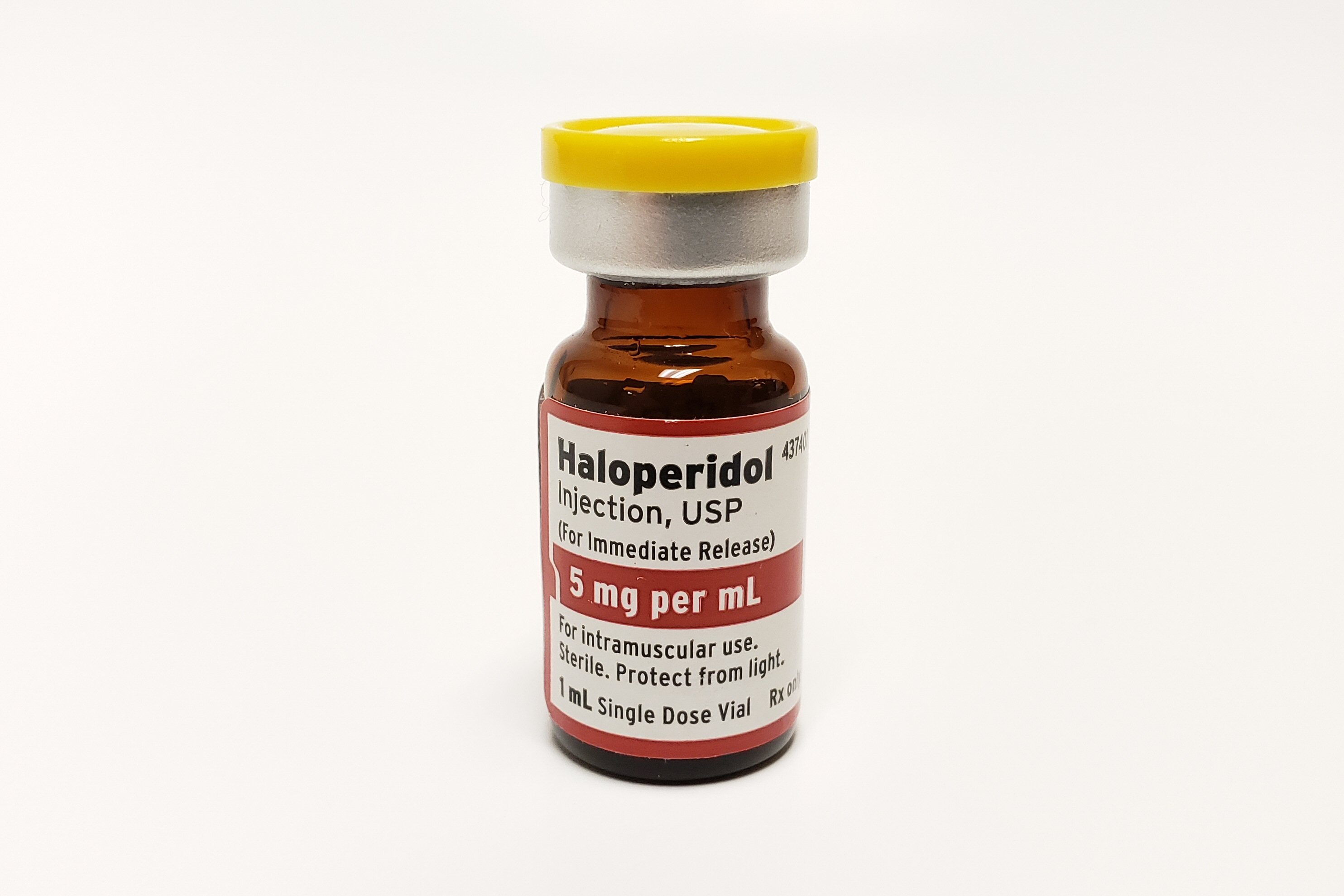
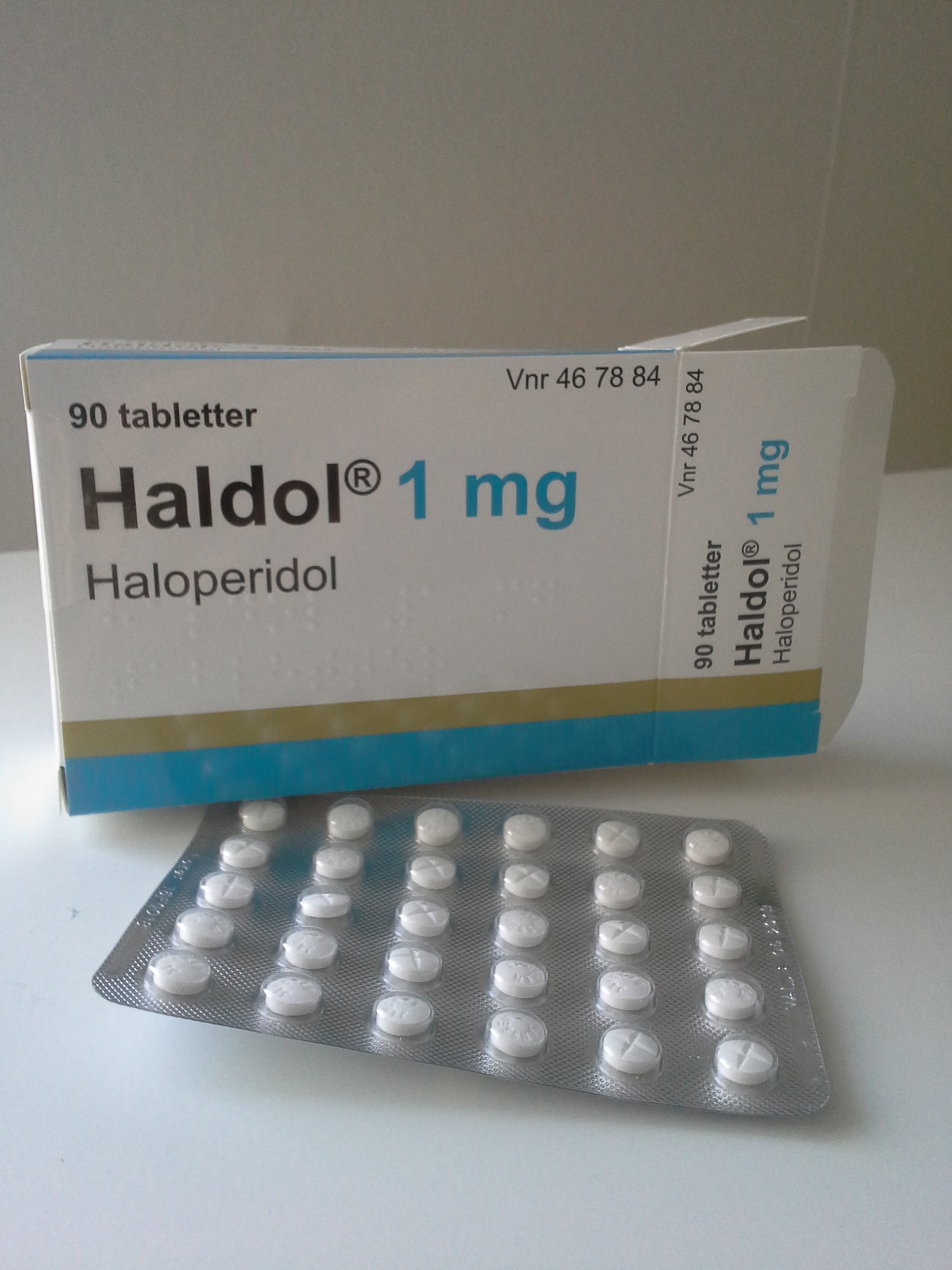
- Famous trade name is Haldol
- It is classified as high potency typical antipsychotic drug from butyrophenones family
- Used in treatment of schizophrenia and some other mental disorders
- Haloperidol was discovered in 1958 by the Belgian physician Paul Janssen
Pharmacokinetics
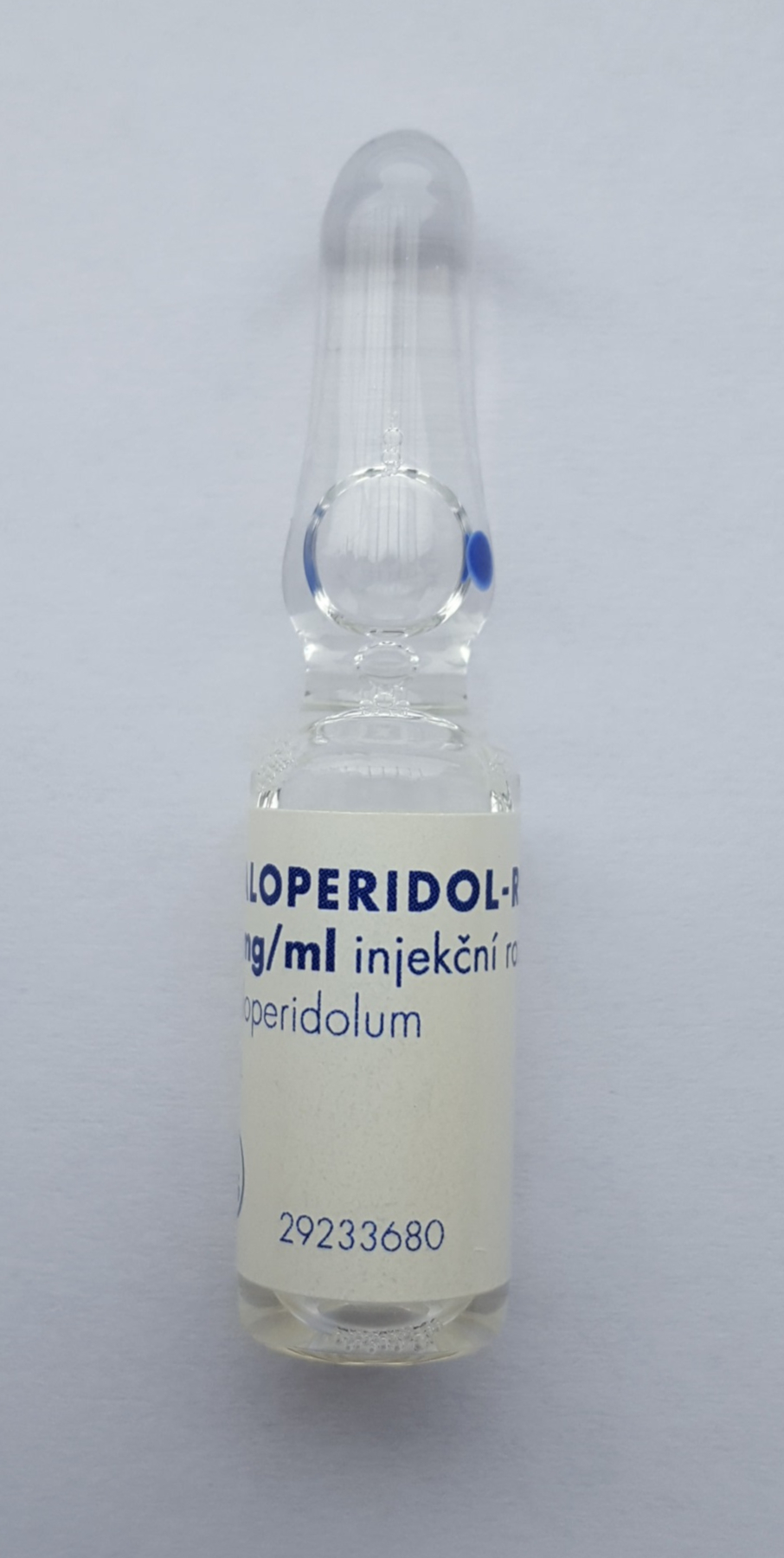
- Available as oral, IM and IV formulas
- Good absorption of oral formula with bioavailability of 60-70%
- Distribution: haloperidol is heavily protein bound by 90%, free part distributed to different body tissues
- Metabolized by the liver through glucuronidation and CYP oxidation by CYP3A4
- Excreted through bile and urine
Mechanism of action
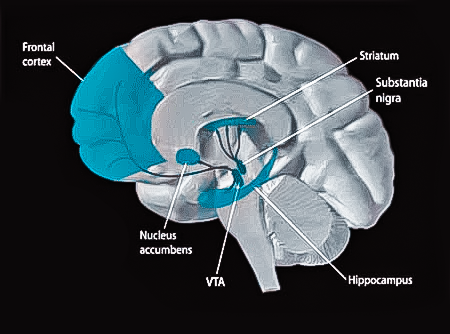
- Haloperidol work by antagonizing dopamine D2 receptors in the brain
- It blocks dopamine in the mesolimbic and mesocortical pathway which lead to relieving the psychotic symptoms
- It also blocks dopamine in the nigrostriatal pathway which lead to extrapyramidal symptoms as adverse effects
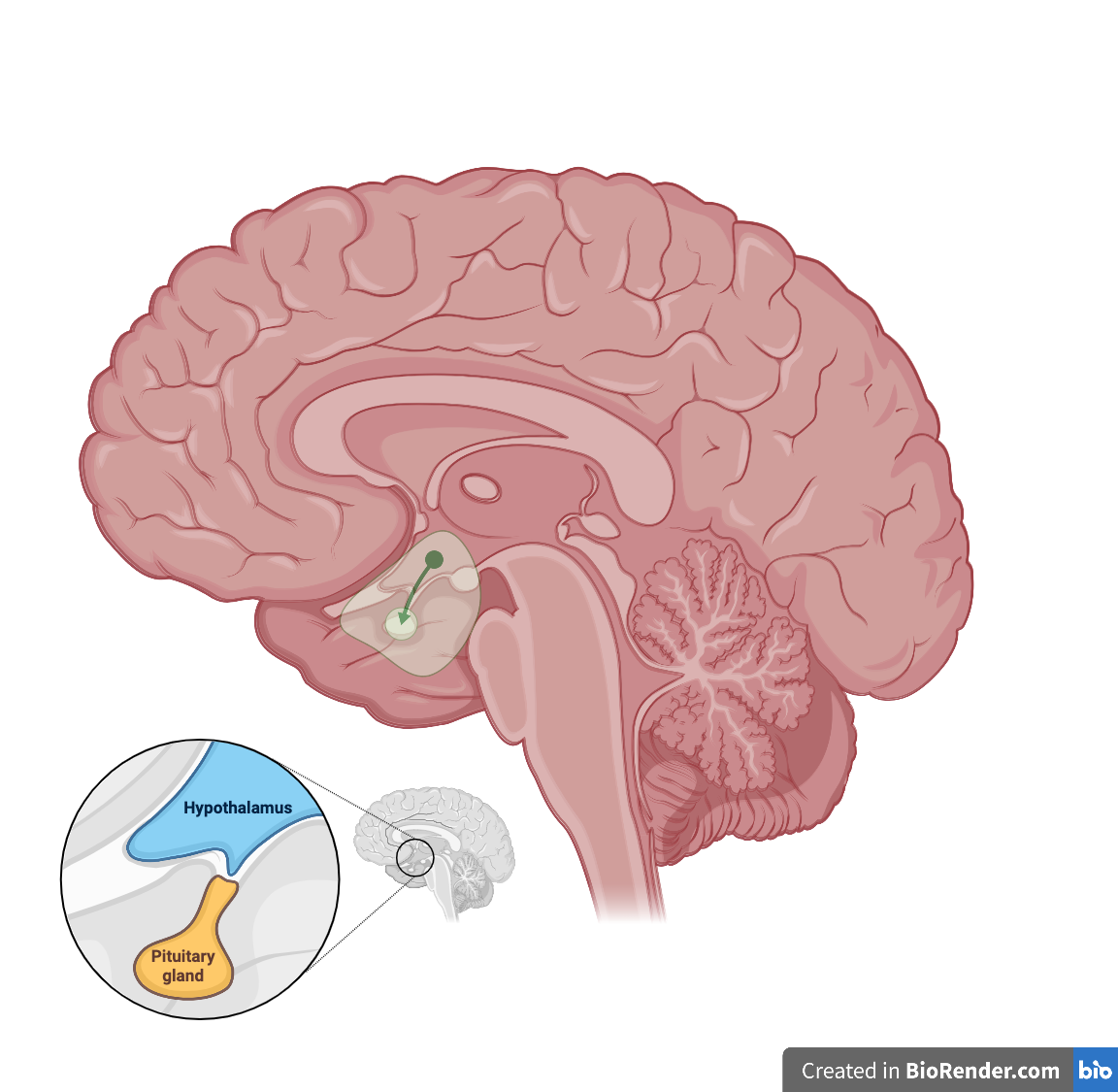
- It also blocks dopamine in the tuberoinfundibular pathway lead to hyperprolactinemia as an adverse effect
- Haloperidol also has anti serotonin, antimuscarinic and anti histamine activity
- It blocks alpha adrenergic receptors to some degree too
Therapeutic uses
- Psychotic disorders like schizophrenia and acute psychosis
- Tics in Tourette syndrome
- Manic phase of bipolar disorder
- Agitation and aggressive behavior
- Alcohol withdrawal
- Treatment of intractable hiccups
- Severe nausea and vomiting not responding to first line medications
Dosing
- For schizophrenia and Tourette syndrome: dose is 0.5 to 2 mg orally 2 to 3 times a day, max dose is 30 mg/day
- For acute agitation: 2 to 5 mg intramuscular every 4 to 8 hours
Treatment considerations
- In long term use of haloperidol for schizophrenia and other chronic disorders, daily dose should be reduced to the lowest level possible for maintenance
- In long term use of this medication, routine monitoring including measurement of BMI, BP, fasting blood sugar, and lipid profile is recommended due to risk of side effects
Adverse effects
- Extrapyramidal symptoms (movement disorders): those are more common than with use of other antipsychotics
- Acute dystonia: muscle spasm develops within hours to days after initiation
- Akathisia: restlessness develops days to months after initiation
- Tardive dyskinesia: uncontrollable repetitive movements develops after years of initiation
- Neuroleptic malignant syndrome
- Muscle rigidity
- Hyperthermia
- Autonomic disturbance
- Anticholinergic side effects: elevated temperature, dry mouth, sedation, constipation and urinary retention
- Weight gain
- Hyperprolactinemia which lead to erectile dysfunction in males, amenorrhea, galactorrhea in females
- It also block alpha adrenergic receptors to some degree leading to postural hypotension, reflex tachycardia and palpitation
- Eye Lens opacities if haloperidol used for long time , because it accumulates in the lens
- QT interval prolongation => torsades de pointes
Contraindications
- Previous hypersensitivity reaction in the individual
- Parkinson’s disease
- Lewy body dementia
- CNS depression, coma patients, concurrent use with barbiturates, benzodiazepines and opioids
Warning
- There is increased risk of death if haloperidol is used in elderly patient with dementia related psychosis, that is why it is not FDA approved for this use
- IV use with higher doses may lead to torsades de pointes arrhythmia and sudden death
- Motor instability, orthostatic hypotension may lead to falls and fractures while on this medication
Haloperidol toxicity
- Symptoms of toxicity include
- Severe extrapyramidal symptoms
- Hypotension
- Sedation
- Coma with severe respiratory depression
- There is no antidote for Haloperidol and treatment is supportive
- Gastric lavage and activated charcoal
- ABCs, endotracheal intubation and ventilation
- IV fluids, albumin and vasopressors
Drug Interactions
- Amiodarone: both prolong QT interval => torsades de points
- Amphetamine and methylphnidate: haloperidol antagonize the action of norepinephrine and dopamine in patients taking these medications
- Epinephrine: haloperidol antagonize eipinephrine leading to decrease BP
- Levodopa: antagonize
- Lithium: rare cases of encephalopathy if these medications used together
- Methyldopa: increased extrapyramidal side effects
- CYP inducers and inhibitors affect metabolism of haloperidol: inducers such as carbamazepine , phenobarbital and rifampicin associated with low levels of haloperidol, inhibitors such as quinidine, buspirone and fluoxetine associated with higher plasma levels of haloperidol
- Tricyclic antidepressant metabolism decreases if used with haloperidol together and this might lead to toxicity
Continue learning
Practice the topics covered in this lecture.