
Clinical medicine
Acute Liver Failure: Symptoms, Causes, Diagnosis and Treatment
Source presentation · 3 min read
Edits save on this browser. Download a copy for your records.
Acute Liver Failure
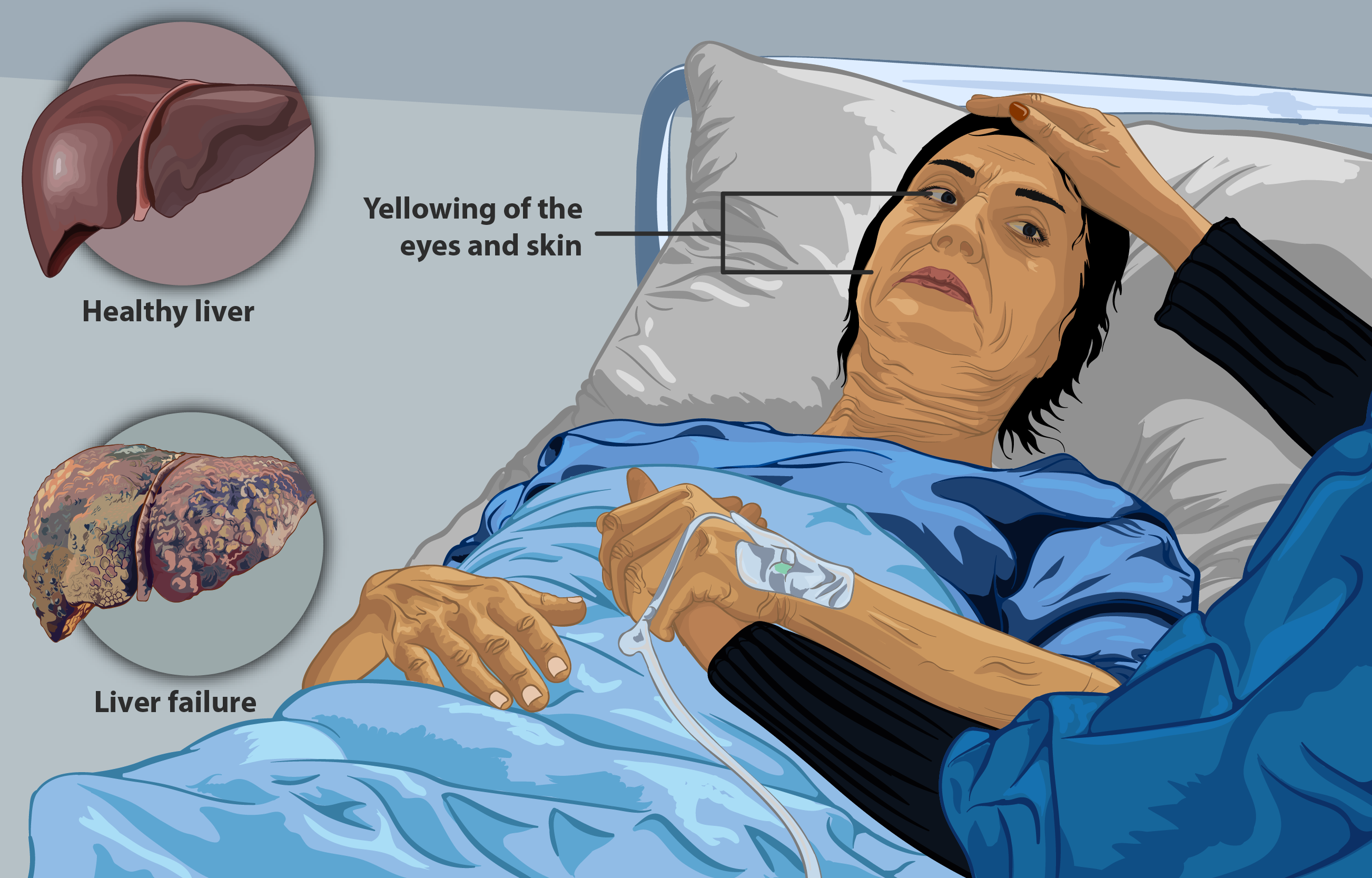
Liver functions
- Liver is responsible for
- Detoxification
- Support metabolism
- Immunity
- Digestion
- Synthesis of protein such as albumin, coagulation factors…
Definition
Acute liver failure should have all of these elements to be considered acute liver failure :
- Severe acute liver injury (hepatocyte necrosis)
- Duration is less than 26 weeks
- Evidence of encephalopathy: DLOC, change in behavior
- Impaired Synthetic function of the liver: abnormal coagulation profile (INR ≥ 1.5)
- The patient should not have liver cirrhosis or pre existing liver disease
Causes
- When patient present with acute liver failure, think of liver diseases that cause a lot of damage in short period of time
- Drug induced hepatitis due to paracetamol ingestion (first most common)
- Viral hepatitis (second most common)
- Shocked liver (ischemia or hypoxia)
- Budd Chiari syndrome (hepatic vein thrombosis)
- Veno occlusive disease
- Mushroom ingestion
- Wilsons disease
- Sepsis
- Autoimmune hepatitis
- Acute fatty liver of pregnancy
- HELLP syndrome
- Heat stroke
- Malignant infiltration
- Slow progressive liver diseases don’t cause acute liver failure, but rather cause chronic liver failure
- NAFLD
- Hemochromatosis
- Primary sclerosing cholangitis
- Primary biliary cirrhosis
- Alpha 1 antitrypsin deficiency
Pathophysiology
- Most causes lead to hepatocyte ATP depletion and cellular swelling => cell membrane disruption
- Massive hepatocyte necrosis and apoptosis => liver failure
Signs and Symptoms
- Fatigue, weakness
- Confusion because of hepatic encephalopathy
- Jaundice due to hyperbilirubinemia
- Hepatomegaly (liver congestion)
- Abdominal pain especially right upper quadrant
- Abnormal LFTs
- Abnormal coagulation profile, elevated PT/PTT
- Thrombocytopenia due to loss of TPO
Medical history
Comprehensive history helps to exclude DDX, ask for:
- Timeline of symptoms and progression
- Any history of hepatic disease
- Drug history looking for acetaminophen toxicity
- Family history looking for Wilson disease and thrombotic disorders
- Any recent surgeries looking for possible toxic medications used like some anesthetic agents
Examination
- Check vitals looking for hypotension (sepsis)
- Abdominal palpation looking for pain and tenderness
- Special tests looking for ascites
- Altered mental status
- Fever (infection)
Diagnosis
- Requirements to diagnose Acute liver failure
- Evidence of liver injury: Elevated AST/ALT
- Evidence of hepatic encephalopathy: change in behavior, decreased level of consciousness, coma
- INR more or equal to 1.5
- Follow up investigations
- Look for hypoglycemia
- Look for hyperbilirubinemia
- Low PLT
- US to look for Budd Chiari syndrome
- Look for acute kidney injury (elevated urea and creatinine)
- Electrolyte abnormalities
- Abdominal imaging looking for cirrhosis, features of portal hypertension, hepatocellular carcinoma, vascular problems
Histopathology
- Done only if the cause didn’t get identified through history, examination, investigations
- Trans jugular liver biopsy taken and examined
Management - Definitive management
- Admit to ICU
- If you already know the cause then treat the cause
- If you don’t know the cause then give N acetylcysteine (paracetamol antidote) and then you can look for the cause
- Treat the identified cause
- Liver transplantation if treatment not succeeded
Management - Supportive management
- IV fluid with controlling acid base balance and electrolytes
- Monitor for any bleeding (patient have coagulopathy) and treat with blood products
- Blood and urine cultures and start empirical antibiotics if patient have fever
- Monitor hepatic encephalopathy and protect airway
- Provide nutrition
- Monitor for hypoglycemia and maintain blood glucose between 160- 200
Complication
- Renal failure
- Sepsis
Hypoglycemia
- Cerebral edema (most common cause of death in ALF) : edema lead to intracranial hypertension, ischemic brain injury and herniation, triggers include hypoxia, hypotension, decreased cerebral perfusion and increased ammonia levels
Complications
- Encephalopathy
- Coagulopathy
Continue learning
Practice the topics covered in this lecture.