
Pharmacology
Proton Pump Inhibitors: Mechanism of Action, Therapeutic Uses & Adverse Effects
Source presentation · 2 min read
Edits save on this browser. Download a copy for your records.
Mechanism of action
- PPIs decrease acid secretion in the stomach by inhibiting the H/K ATPase (the proton pump) in the parietal cells
- Meaning they inhibit the final step of acid secretion and that is why they have the highest efficacy in suppressing acid secretion
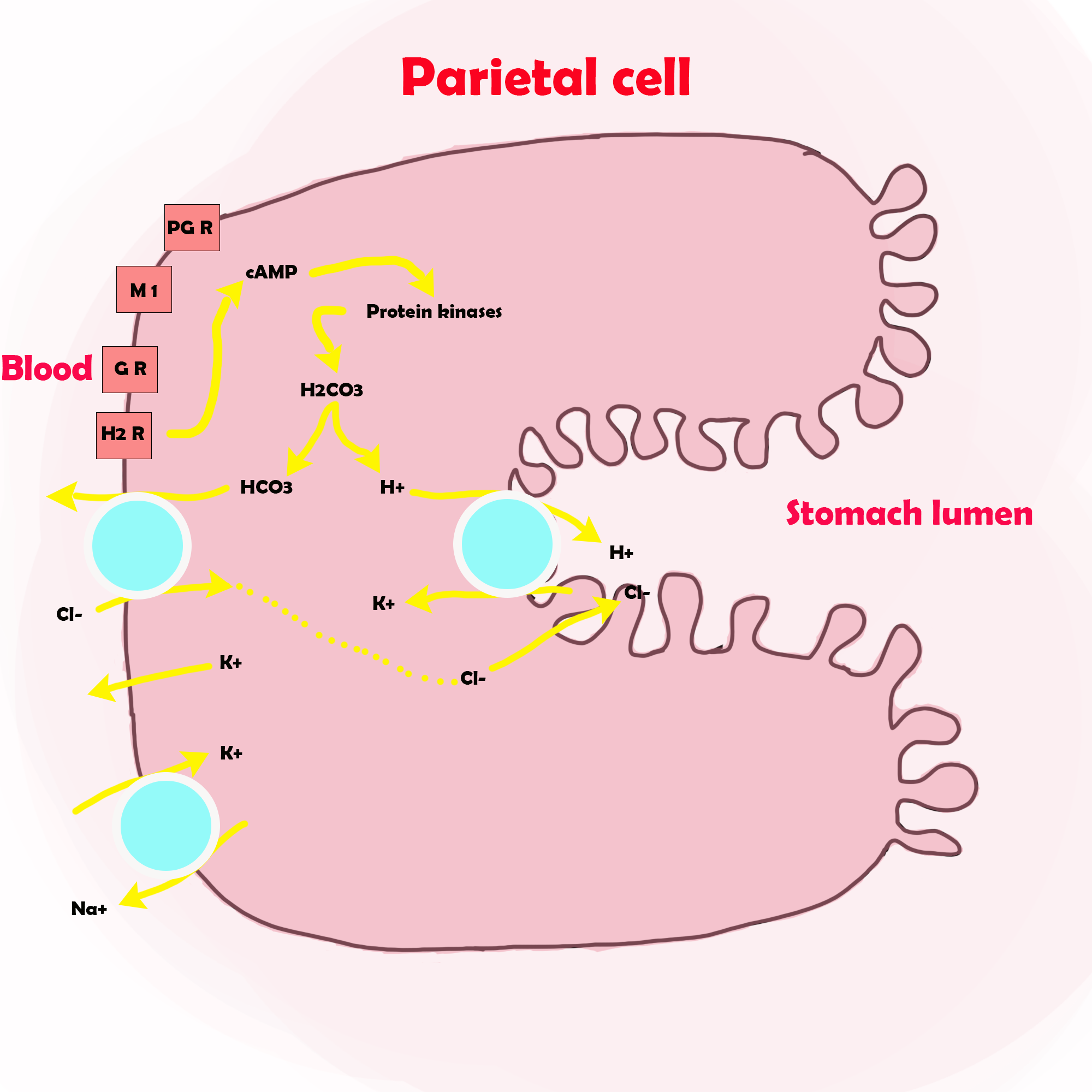
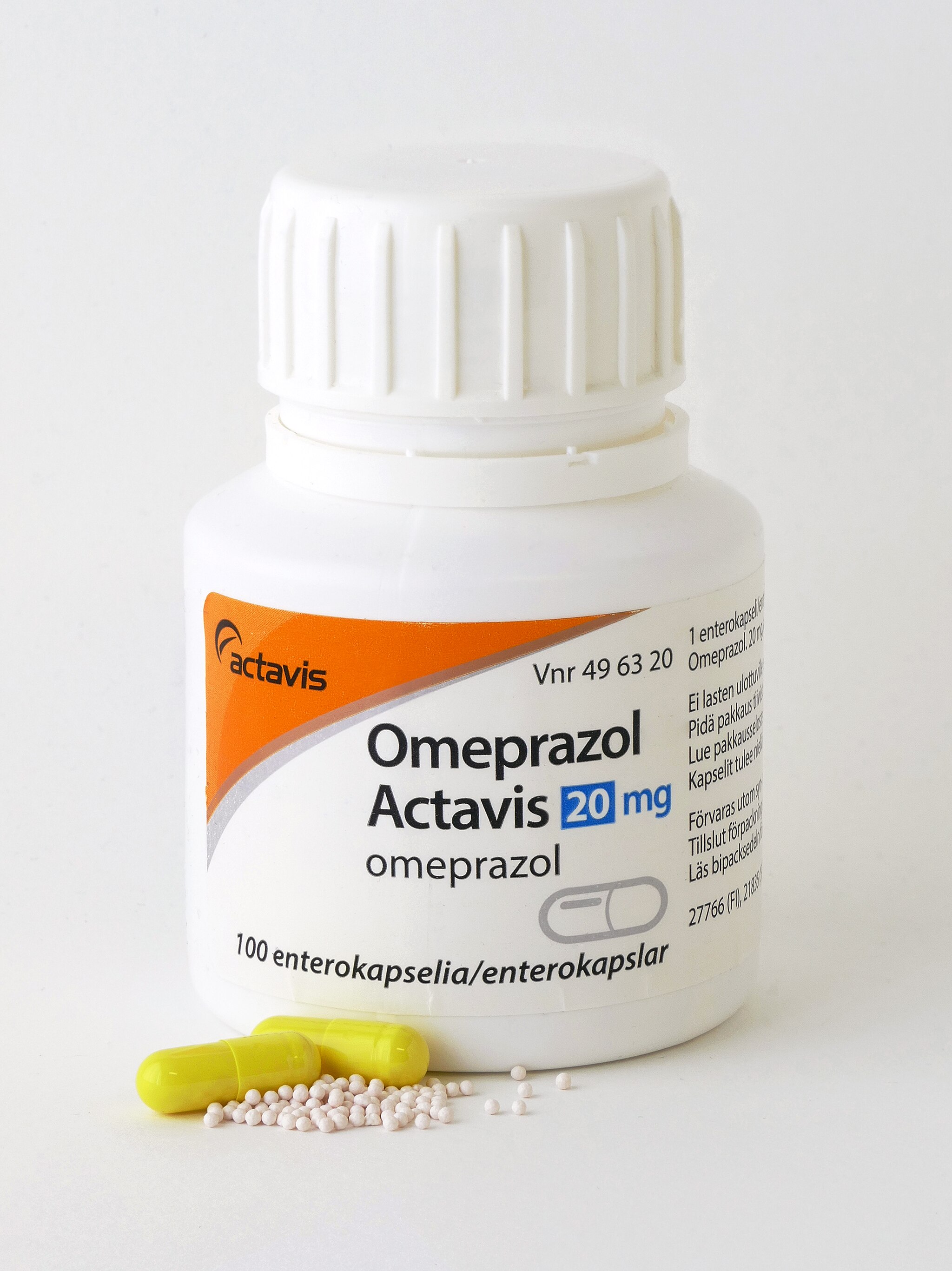
Proton Pump Inhibitors
FDA approved PPIs include:
- Omeprazole
- Esomeprazole
- Lansoprazole
- Dexlansoprazole
- Pantoprazole
- Rabeprazole
Therapeutic uses
PPIs are used as a first line for treatment of:
- Peptic ulcer disease
- Esophagitis
- GERD
- Prevention of NSAIDs induced PUD
- Zollinger Ellison syndrome
- In H. Pylori triple therapy
- Off label uses include in patients on antiplatelet therapy before or after endoscopy procedure (high risk for bleeding)
Pharmacokinetics
- They are available as oral and IV formulations, and they are best administered before food intake
- PPIs are prodrugs, they are activated after undergoing an acid catalyzed cleavage in the acidic secretory canaliculi of the parietal cells in the stomach
- PPIs are metabolized by hepatic CYP2C19 enzyme, higher blood levels in patients from Asian ethnicities and in elderly patients
Adverse effects
- Common adverse effects include: headache, nausea, diarrhea, abdominal pain, fatigue and dizziness
- Infrequent adverse effects include: rash, constipation, anxiety, depression and myopathies
- Rarely it may lead to hypomagnesemia, in this case magnesium level can’t be replenished by supplementation so PPIs has to be discontinued; hypomagnesemia present as tetany, seizure, muscle weakness, delirium and cardiac arrhythmias
- Infection: acidic environment act as a chemical barrier against bacterial infections, PPIs suppress acid secretion leading to increased risk of C difficile infections, other enteric infections and CAP
- Rebound acid secretion: prolonged acid suppression lead to increased levels of gastrin and histamine which when the PPIs are discontinued, they act to increase acid secretion to levels higher than before initiation of PPIs treatment
- Vit B12 deficiency with prolonged use: due to interference with IF secretion by the stomach (it needs acidic environment to be secreted)
- Iron, calcium, magnesium deficiencies all due to lack of acid (because acid is important for breakdown of foods and release of micronutrients)
Monitoring
- On prolonged use, Magnesium level and vit B12 level have to be monitored
Continue learning
Practice the topics covered in this lecture.