
Pharmacology
Nefopam (Acupan): Mechanism of Action, Therapeutic Uses & Adverse Effects
Source presentation · 2 min read
Edits save on this browser. Download a copy for your records.
Nefopam (Acupan)
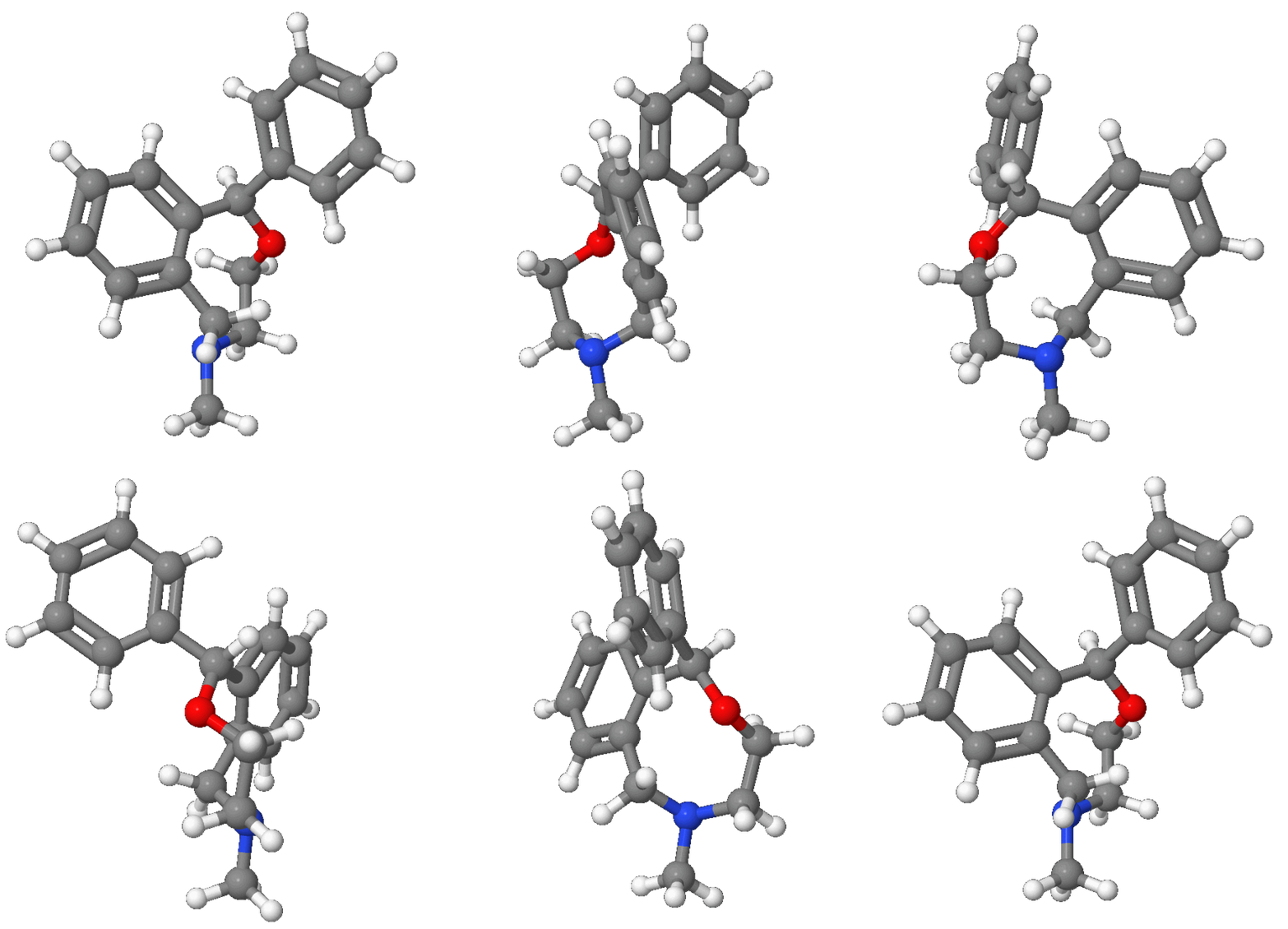
Overview
- Scientific name is Nefopam, trade name is Acupan
- Non opioid, centrally acting analgesic medication
- It was originally synthesized in 1960
Pharmacokinetics
- Available in oral and IV formulations
- Oral formula is well absorbed with low bioavailability
- After absorption it is bound by 70% to plasma proteins are the rest is distributed to the tissues, especially brain where it exert its effects
- Metabolized by the liver and excreted through urine and bile
- Elimination half life is 3 to 8 hours
Mechanism of action
- Nefopam act on the brain to relive pain through inhibition of the reuptake of serotonin, norepinephrine and dopamine, it also reduce glutamate signaling
- It has no antipyretic or anti inflammatory activity
Therapeutic uses
- It is used to treat moderate to severe pain
- it is more potent analgesic than aspirin
- Compared to morphine, 20mg of nefopam gives about same analgesia as 10 mg of morphine and there is no risk of respiratory depression in nefopam
- Nefopam is also used to combat severe hiccups
- It is used for prevention of shivering during surgery or recovery from surgery
Adverse effects
- Sweating, dizziness and nausea especially at higher doses
- Precipitation of seizures in epilepsy patients (thus it is contraindicated)
- Urinary retention
- Headache
- Tachycardia (aggravate angina)
- Rash
Contraindications
- Convulsive disorders
- MI
- It is also contraindicated in patients who are being treated with monoamine oxidase inhibitors and tricyclic antidepressant because there is a risk for serotonin syndrome or hypertensive crisis
Overdose
- Overdose manifest as convulsions, hallucinations, tachycardia and hypertension
- Nefopam overdose may lead to death
- Treatment is supportive by limiting drug absorption by activated charcoal and managing the tachycardia (with beta blockers)
Continue learning
Practice the topics covered in this lecture.