
Orthopedics
Salter Harris Classification for Pediatric Growth Plate Fractures
Source presentation · 2 min read
Edits save on this browser. Download a copy for your records.
Definition
- It is five grades system to describe physeal injuries
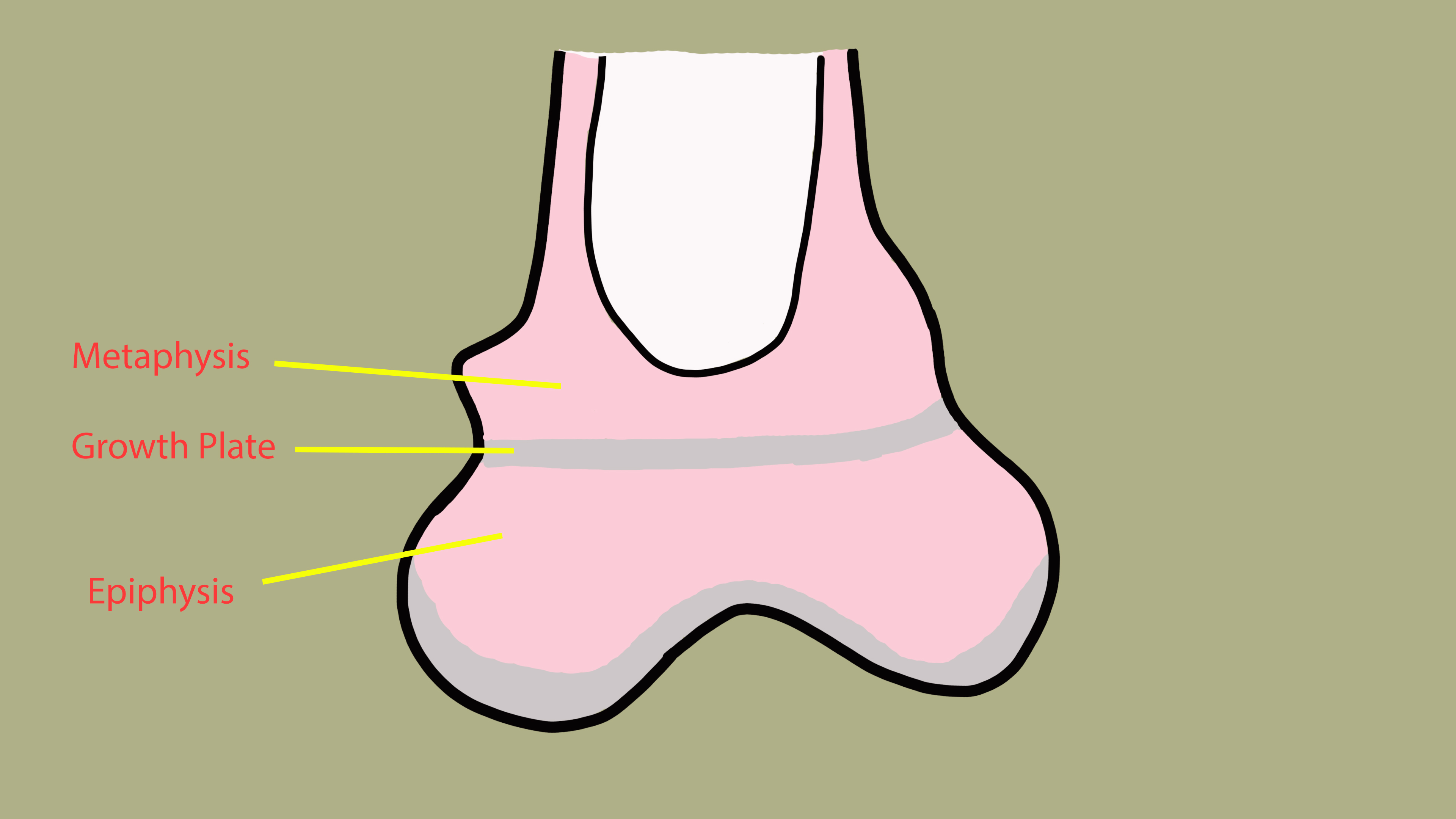
- It is based on the fracture location in relation to the physis, metaphysis and epiphysis, fracture pattern, and prognosis
- Those injuries occur in children and they involve the Physis (growth plate)
Classification
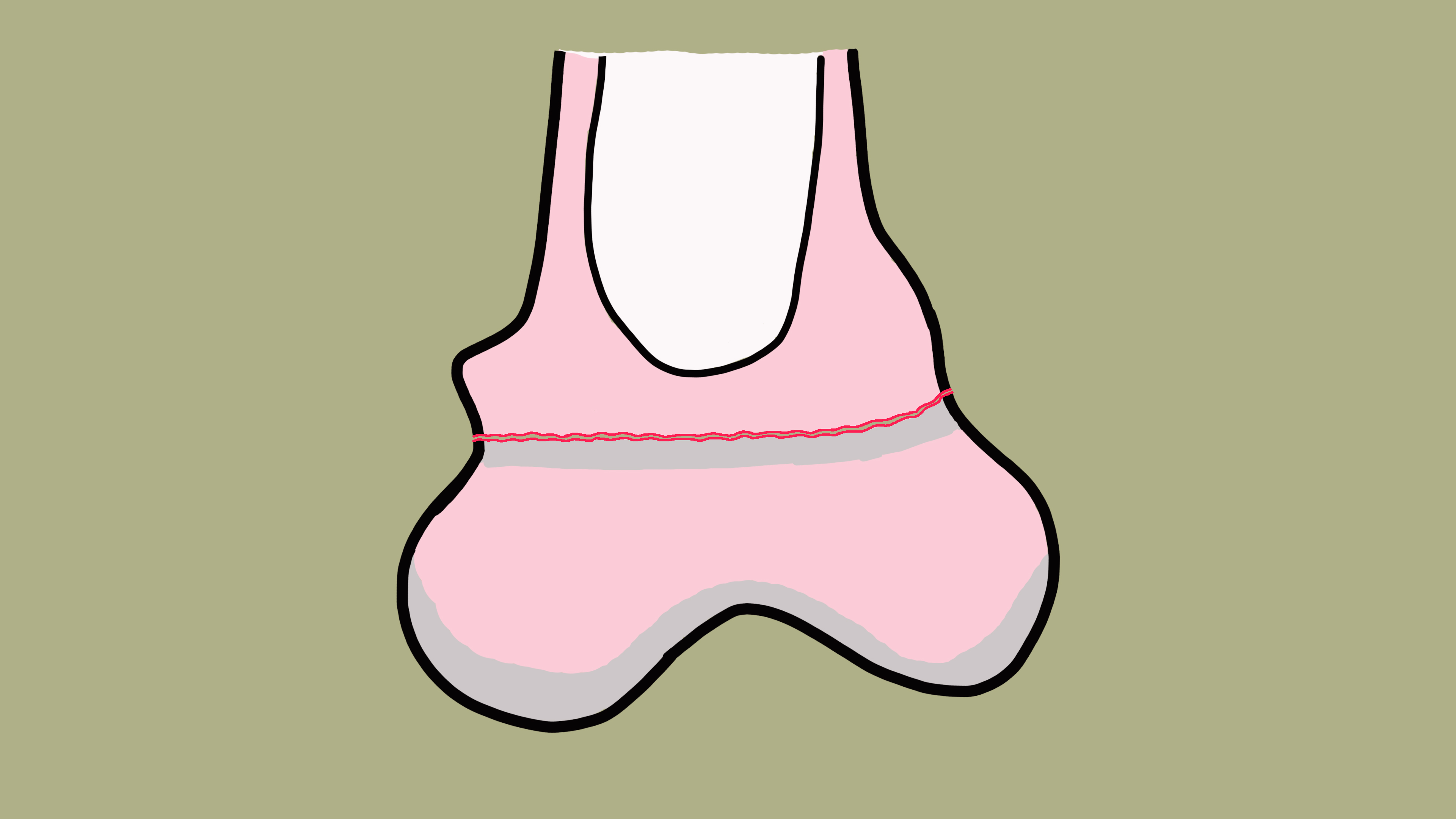
- Grade 1: Transverse fracture through the physis
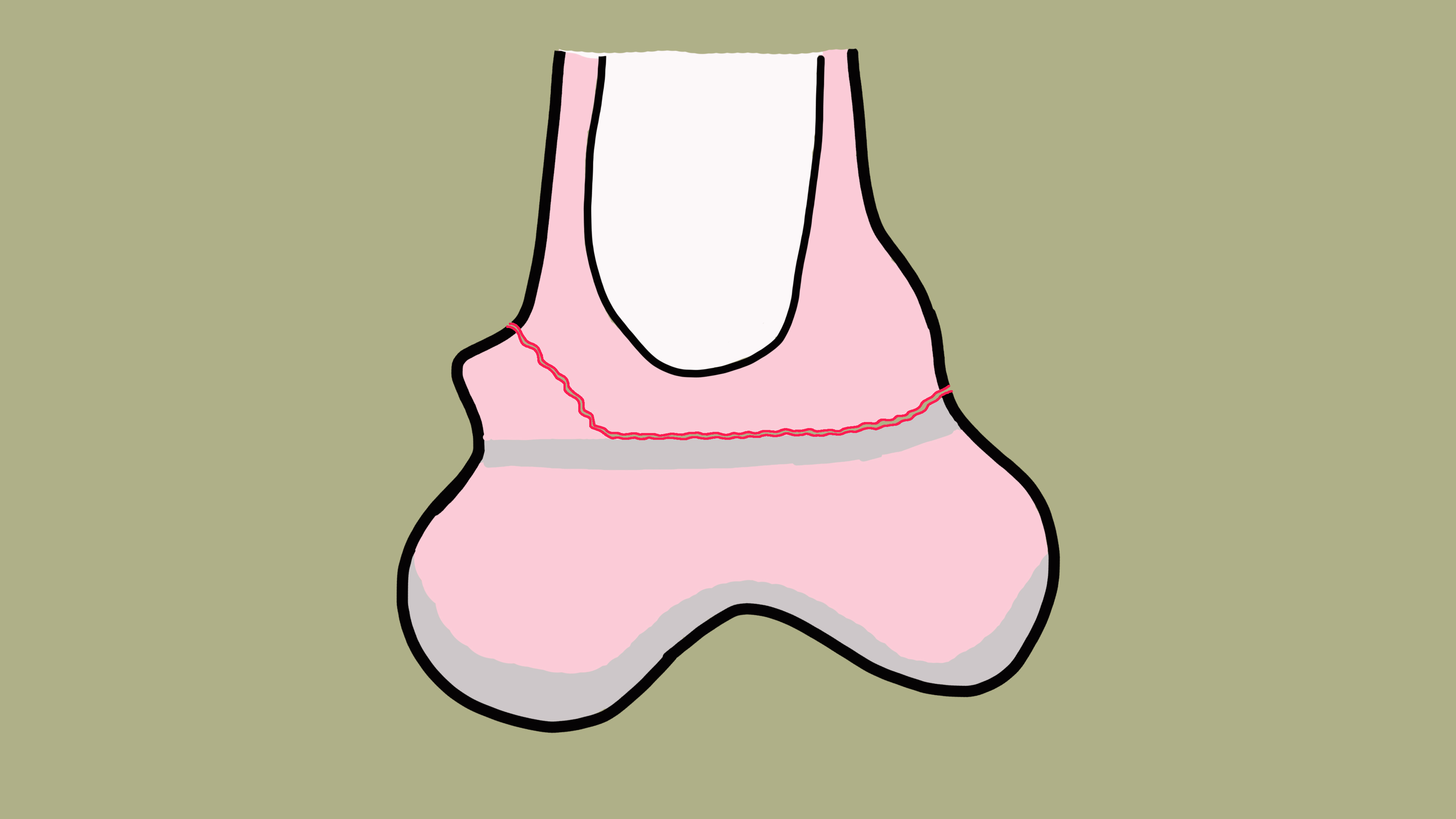
- Grade 2: Transverse through the physis and deviates to the metaphysis
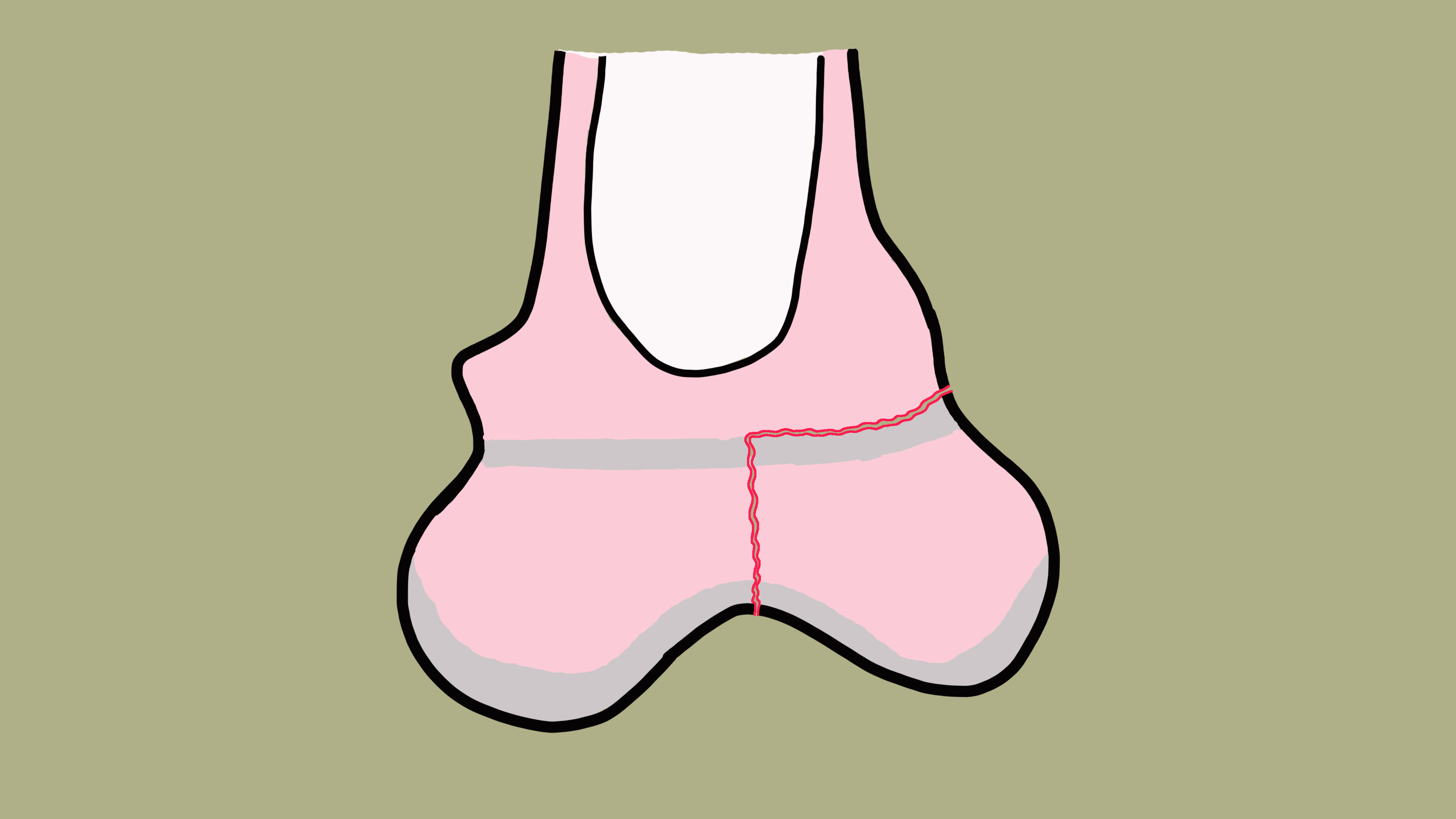
- Grade 3: Transverse through the physis and deviates to the epiphysis
- Grade 4: fracture pass through the epiphysis, physis and metaphysis
- Grade 5: Compression injury to the physis
Presentation section
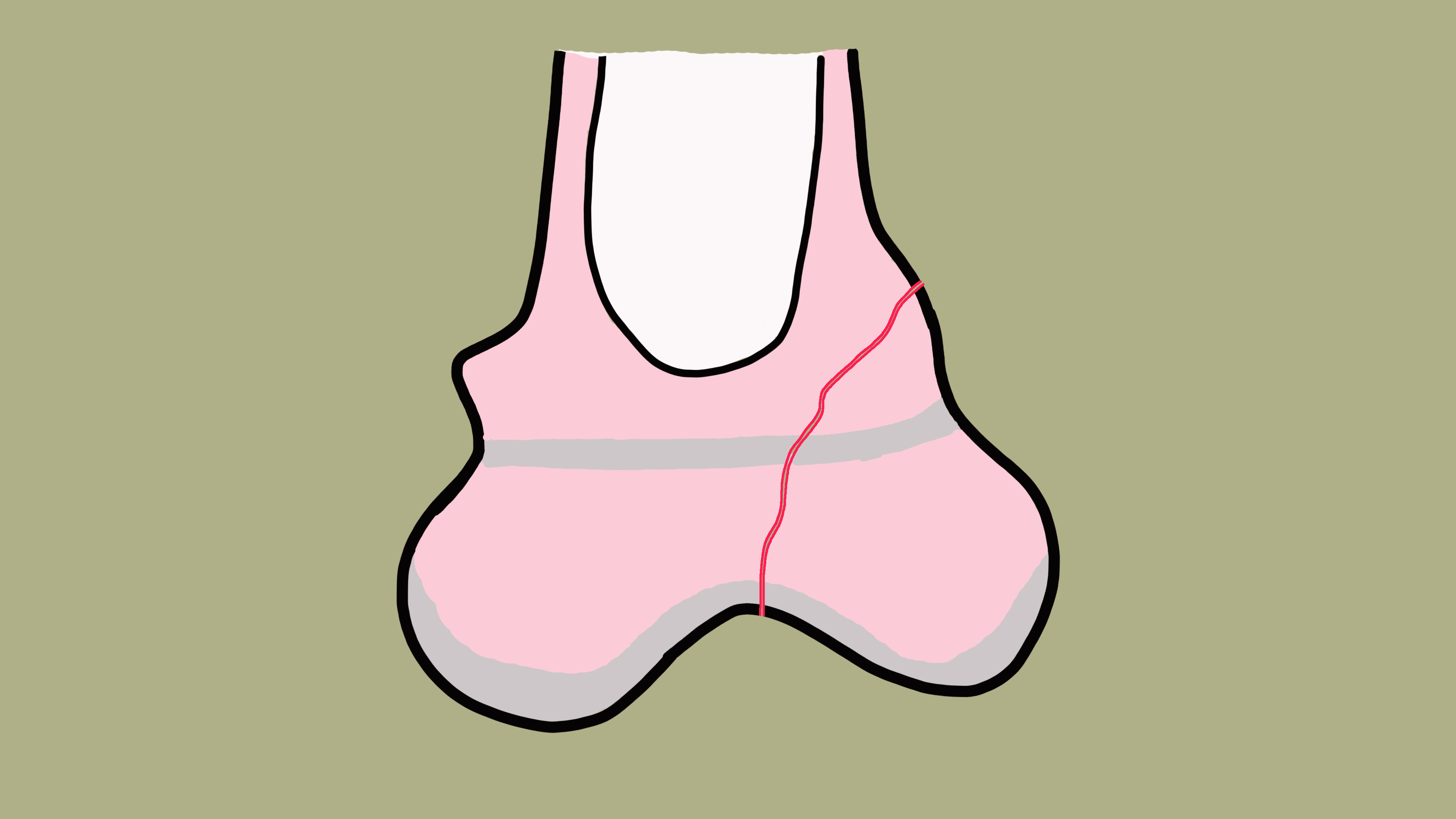
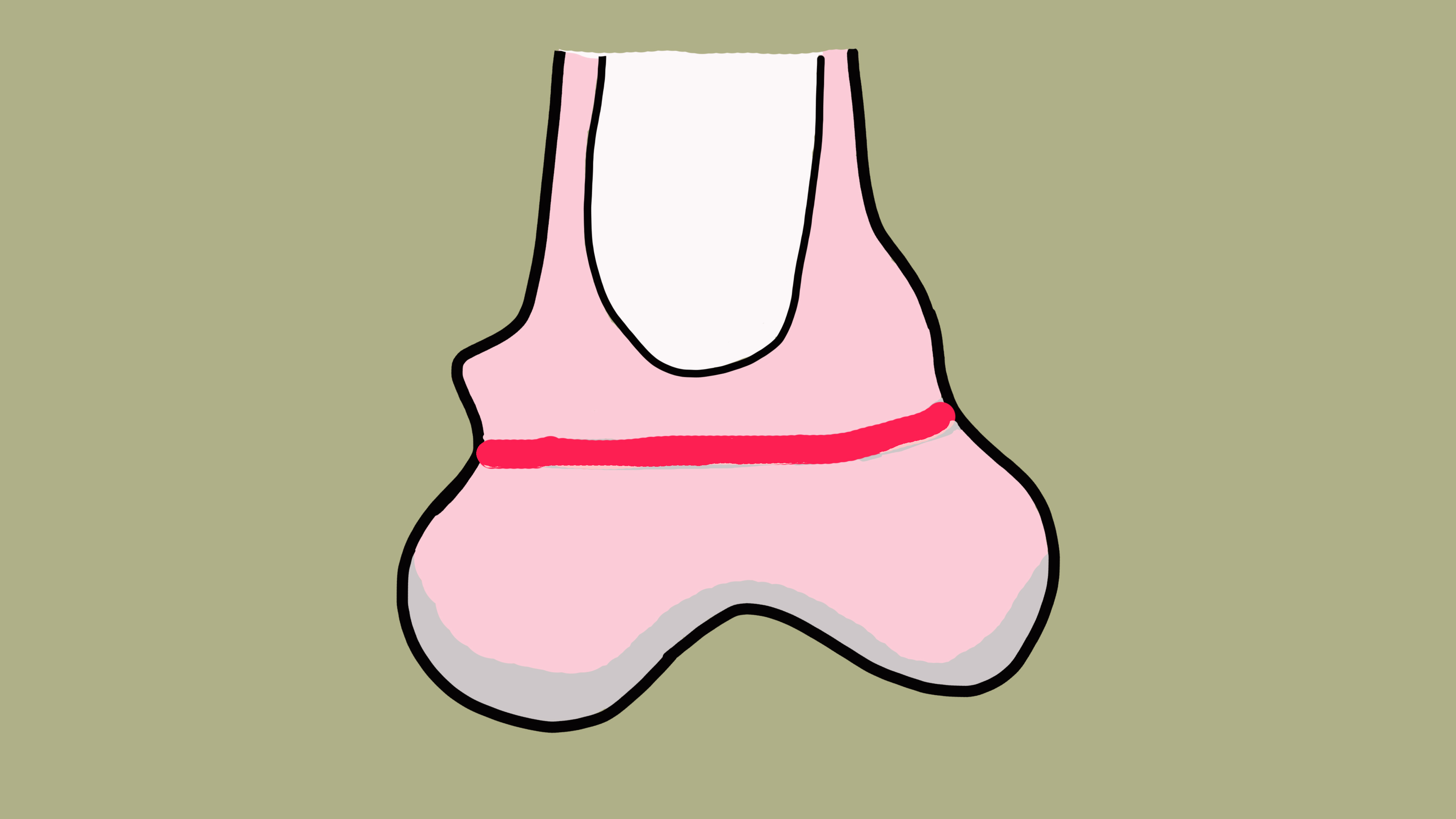
Grade 1
- Fracture location: transverse through the hypertrophic or calcified zone of the plate
- Growth plate state: not injured
- Good prognosis
Grade 2
- Fracture location: transverse through the growth plate and it deviates away from the physis to split off a triangular metaphyseal fragment of bone
- Growth plate state: not injured
- Most common grade
- Good prognosis
Grade 3
- Fracture location: transverse fracture through the physis and then deviates to the epiphysis
- Growth plate state: injured
- Intra articular
- Poor prognosis
Grade 4
- Fracture location: fracture travels through the epiphysis, physis and metaphysis and it is liable to displacement which if happened result in asymmetrical growth
- Growth plate state: injured
- Intra articular
- Poor prognosis
Grade 5
- Fracture location: longitudinal compression injury of the physis
- Growth plate state: compression injury
- Worst prognosis
Pneumonic SALTR
- S = Slipped
- A = Above
- L = Lower
- T = Through
- R = Ruined
Continue learning
Practice the topics covered in this lecture.