
Clinical medicine
Liver Function Test Interpretation: AST, ALT, ALP, GGT, Bilirubin and Albumin
Source presentation · 4 min read
Edits save on this browser. Download a copy for your records.
Liver Panel Tests Interpretation

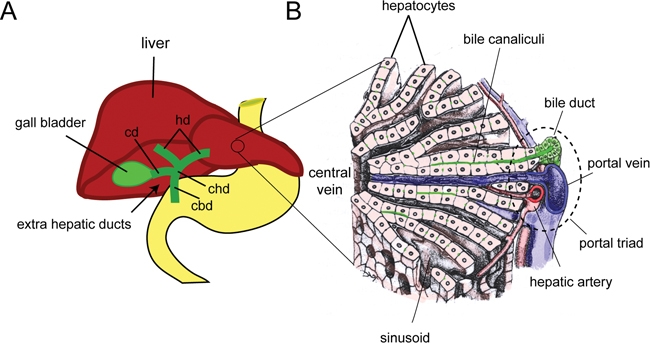
Standard liver panel tests
- Alanine aminotransferase (ALT or SGPT)
- Aspartate aminotransferase (AST or SGOT)
- Alkaline phosphatases (ALP)
- Gamma glutamyl transpeptidase (GGT)
- Bilirubin
- Albumin
Alanine aminotransferase (ALT)
- found in hepatocytes cytoplasm, also found in kidneys, heart and muscles (catalyzes transamination reactions)
- ALT is elevated more than AST in most types of hepatitis due to cellular damage
- Normal ALT < 50 U/L
ALT elevation
- Rise of ALT up to 300 IU/ L is not specific to the liver (it can be due to damage of other organs containing this enzyme)
- When ALT rises more than 500 IU/L it becomes specific to the liver
- In pregnancy ALT elevate during second trimester but to < 100
Aspartate aminotransferase (AST)
- Found inside the hepatocellular mitochondria and the cytoplasm too, also found in high concentration in heart, muscle, kidney, brain, pancreas and lungs and that make it less specific indicator of liver injury
- Alcohol is a mitochondrial toxin, that’s why in alcoholic liver disease and alcoholic hepatitis AST is much more elevated than ALT
- Normal AST < 40 IU/L
AST & ALT elevation ranges and interpretation
- If AST & ALT both elevated higher than normal limit and up to < 500 then think of
- Cirrhosis
- Chronic viral hepatitis
- Fatty liver disease
- Alcoholic hepatitis
- If elevated 500- 1000 then think of
- Acute viral hepatitis
- Autoimmune hepatitis
AST & ALT elevation
- If AST & ALT elevated > 1000 then think of
- Shocked liver (ischemia)
- Acetaminophen toxicity
AST/ALT ratio
- AST/ALT ratio increases in liver function impairment
- AST/ALT ratio is around 1.45 in alcoholic liver disease, 2 in alcoholic hepatitis, 0.9 in non alcoholic hepatitis,
- AST/ALT ratio is 4.5 in Wilson disease and hyperthyroidism
- AST/ALT ratio is around 1.33 in post necrotic liver cirrhosis
- AST/ALT ratio is around 1.17 in viral cirrhosis
Alkaline phosphatase (ALP)
- enzyme in the cells lining the biliary tract of the liver, it is also found in the small intestine, kidney, bones and placenta, it is important in calcification of bones and lipid transposition in small intestine
- ALP elevates in cholestasis (significant elevation) and most of other liver conditions (mild elevation)
- Serum ALP also increase in pregnancy (placenta secrete the enzyme), thyroid disease and bone disease
- Normal range 40- 140
Gamma glutamyl (GGT)
- Microsomal enzyme found in hepatocytes, cells lining biliary tract, kidney, pancreas and intestine (almost similar to ALP)
- No GGT in the bone so it is not elevated in bone disease (beneficial in differentiating the cause of ALP increase)
- If GGT and ALP both elevated then hepatobiliary cause of elevated ALP
- Also elevated in cholestasis (significant elevation) and other liver conditions (mild elevation)
- Also elevated in heavy alcohol consumption
- Elevated in other conditions like DM, acute pancreatitis, MI, Guillian barre syndrome, hyperthyroidism …
Bilirubin
- Bilirubin is a waste product from heme breakdown (RBC die and give heme => bilirubin)
- Unconjugated bilirubin get conjugated by the liver and gets excreted through bile
- Bilirubin gets elevated when there is a problem in the liver because it can’t be excreted anymore
- Normal total bilirubin is 0.1- 1 mg/dL
- Normal unconjugated bilirubin is 0.2- 0.7 mg/dl
- Normal conjugated bilirubin is 0.1- 0.4
Albumin
- Protein made by liver, it is the main protein of plasma proteins
- Albumin levels decrease in chronic liver disease (e.g. cirrhosis)
- Albumin is a measurement of the synthetic function of the liver, glucose and coagulation factors also measure the synthetic function and all of these decrease in chronic liver disease
Liver test abnormal patterns
- Hepatocellular pattern due to problems in hepatocytes, examples are hepatitis and alcoholic liver disease
- Cholestatic pattern due to problems in the biliary tract, examples are biliary obstruction and primary biliary cirrhosis
| Test | Normal range | Hepatocellular pattern | Cholestasis pattern |
|---|---|---|---|
| ALP | 40- 140 | < 280 | > 420 |
| AST | < 40 | > 400 | Around 80 |
| ALT | < 50 | > 500 | Around 100 |
Follow up testing
Cholestatic pattern on liver function test:
- Best initial test: ultrasound to evaluate biliary ducts
- Dilated: extrahepatic cause of obstruction (stone, mass)
- Normal: intrahepatic cause of obstruction (primary biliary cirrhosis, pregnancy)
Hepatocellular pattern on liver function test:
- Followed by blood tests looking for viral hepatitis and autoimmune hepatitis
Continue learning
Practice the topics covered in this lecture.