
Clinical medicine
Burkitt's Lymphoma: Types, Signs and Symptoms, Pathophysiology, Diagnosis and Treatment
Source presentation · 2 min read
Edits save on this browser. Download a copy for your records.
Facts
- It is one subtype of non Hodgkin's lymphomas, it affects the B cells
- Named after Denis Burkitt, the Irish surgeon who first described it in 1958
- Most common in developing countries and affect children
Classification
- There are three variants of the disease:
- Endemic variant
- Sporadic variant
- Immunodeficiency associated variant
1. Endemic variant
- Endemic variant almost always associated with Epstein-Barr virus infection
- EPV causes infectious mononucleosis
- Endemic variant expresses CD21 (also the same receptor affected by Epstein Barr virus, the virus gains entry to B cells through this receptor)
- Endemic variant common in regions where malaria is endemic such as Africa and new guinea
- Affects children 4-7 years , male to female ratio 2:1
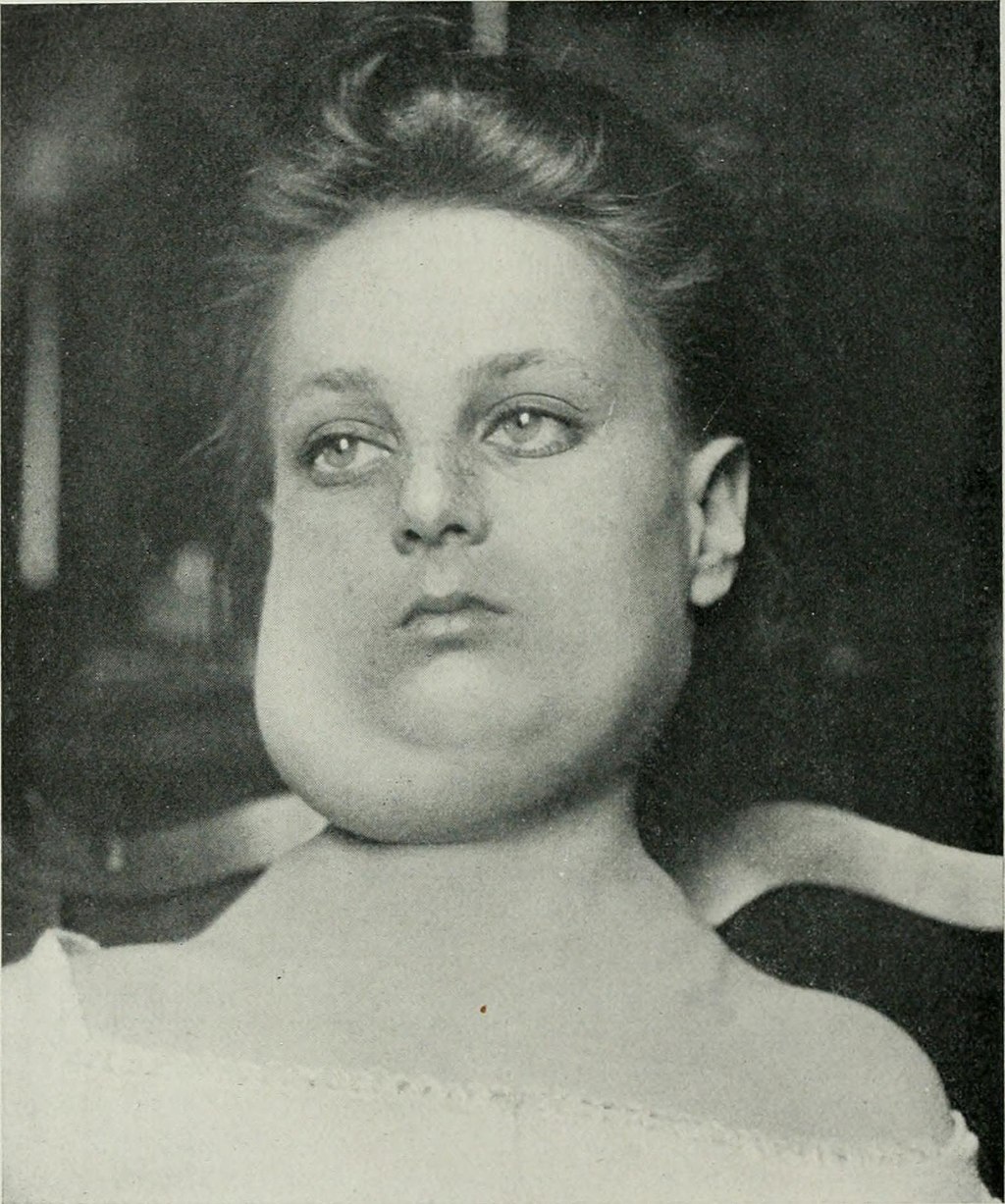
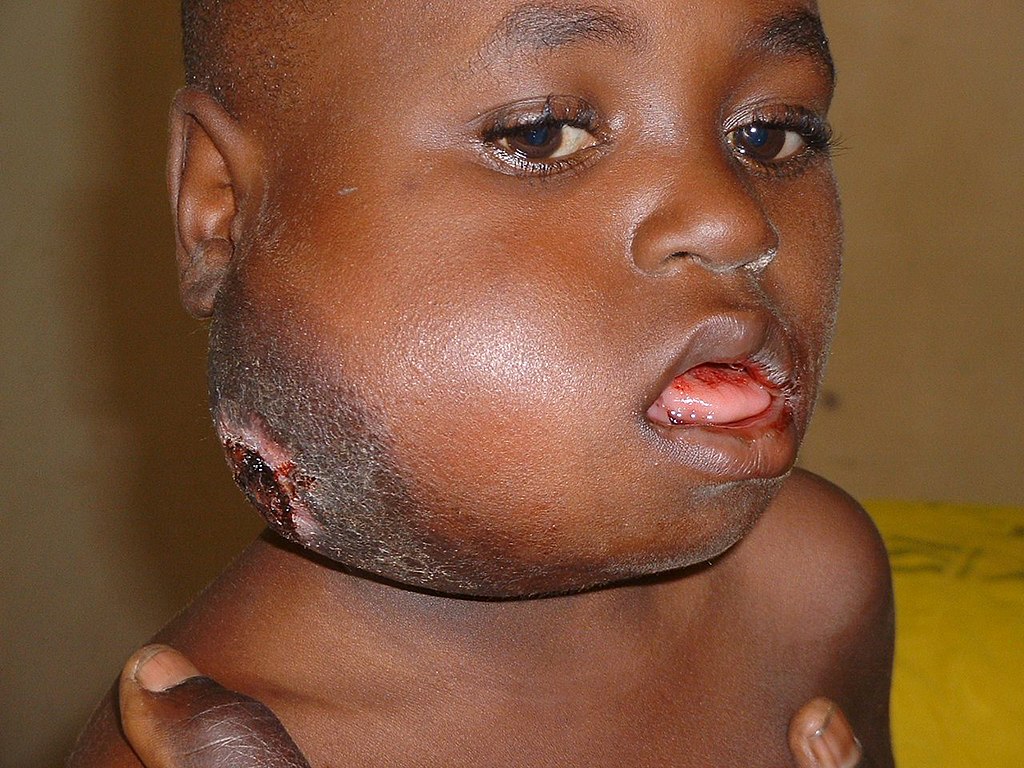
- Presents mostly with facial, mandibular masses, it also presents with abdominal masses or masses affecting nervous system
2. Sporadic variant
- Common in America and Europe
- Sporadic form also occur in children most of the times, male to female ratio is 4:1
- Sporadic form mostly presents with abdominal masses in ileocecum and peritoneum, it also affects the bone marrow and nervous system
3. Immunodeficiency associated variant
- Associated with HIV infection, post transplant patients
- Presents in adults 40-45 years, male to female ratio is 1:1
- Affects GI tract, lymph nodes, bone marrow and nervous system
Pathophysiology
- Dysregulation of c-myc gene by some type of chromosomal translocation
- C-myc is cell growth promotor
- Translocation lead to overexpression of the gene
- This lead to uncontrolled cell growth and tumor growth
Microscopy
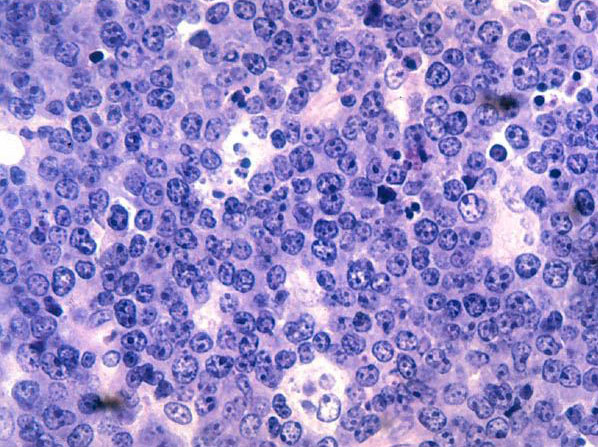
- Tumor consist of cells that are similar in size and morphology with high proliferative and apoptotic activity
- There is also scattered tangible body laden macrophages (containing apoptotic tumor cells) gives the tumor starry sky appearance on low power microscopy
Immunohistochemistry
- Express marker of B cells
- CD19, CD20, CD22
- Also expresses CD10 and BCL6
- mantle cell and diffuse large b cell lymphomas also express CD19, CD20
Treatment
- Chemotherapy
- GMALL-B-ALL/NHL2002 protocol,
- the modified Magrath regimen (R-CODOX-M/IVAC)
- COPADM
- hyper-CVAD
- Tumor lysis syndrome could occur in these patients due to fast response the chemotherapy
Continue learning
Practice the topics covered in this lecture.