
Pediatrics
Bacterial Tracheitis: Clinical Features, Etiology, Diagnosis and Treatment
Source presentation · 3 min read
Edits save on this browser. Download a copy for your records.
Bacterial Tracheitis
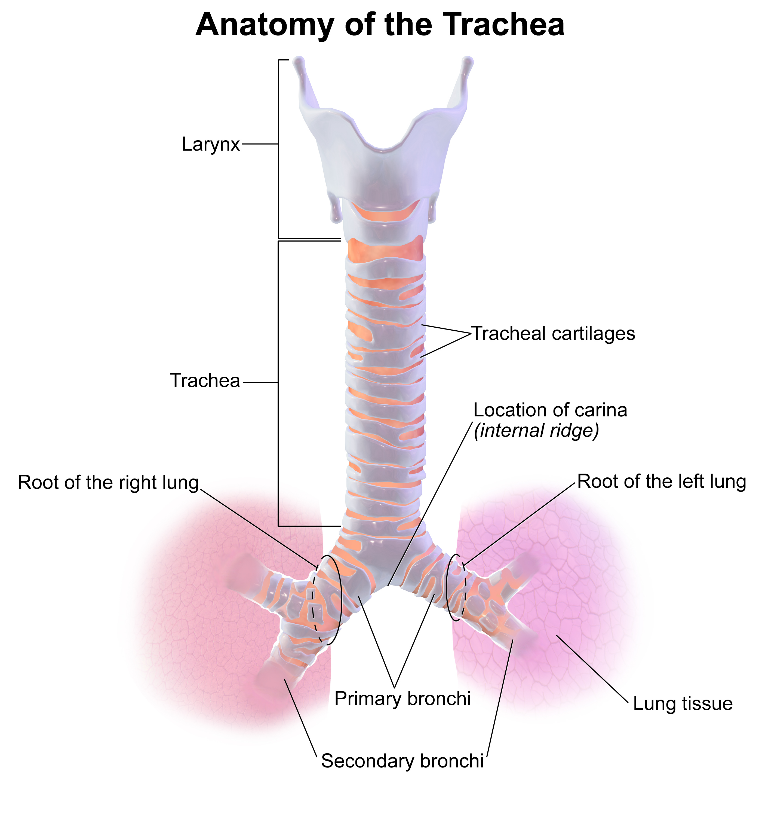
- Bacterial tracheitis (Aka membranous laryngotracheobronchitis or bacterial croup) is an acute bacterial infection of the trachea that is potentially life threatening
- Bacterial tracheitis often follows a viral respiratory infection (especially croup), so it is considered a bacterial complication of a viral disease
Epidemiology
- Bacterial tracheitis is uncommon and can present as either a primary or secondary infection.
- The mean age of presentation is between 5 and 7 years of age, with slight male predominance.
- Bacterial tracheitis is more common than epiglottitis in vaccinated children
Etiology
- It is usually caused by Staphylococcus aureus, Streptococcus pneumoniae, S. pyogenes or β-lactamase–producing gram-negative organisms H. influenzae and Moraxella catarrhalis.
- Anaerobic organisms can also be the cause
Clinical Features
- Classic presentation is a child with croup (barking cough, low grade fever and non toxic looking), after a few days of improvement then develops high grade fever and toxicity with respiratory distress (tachypnea, retractions and use of accessary muscles) and stridor, sore throat and cough productive of thick sputum
- The patient can lie flat, does not drool and doesn’t have dysphagia (symptoms associated with epiglottitis)
- With this disease there is mucosal swelling at the level of cricoid cartilage, complicated by copious, thick , purulent secretions causing pseudo membranes
Diagnosis and Differential
- Diagnosis is clinical: high grade fever, purulent airway secretions and absence of classic findings of epiglottitis
- Purulent material is seen below vocal cords during intubation
- Blood and purulent material cultures should be taken
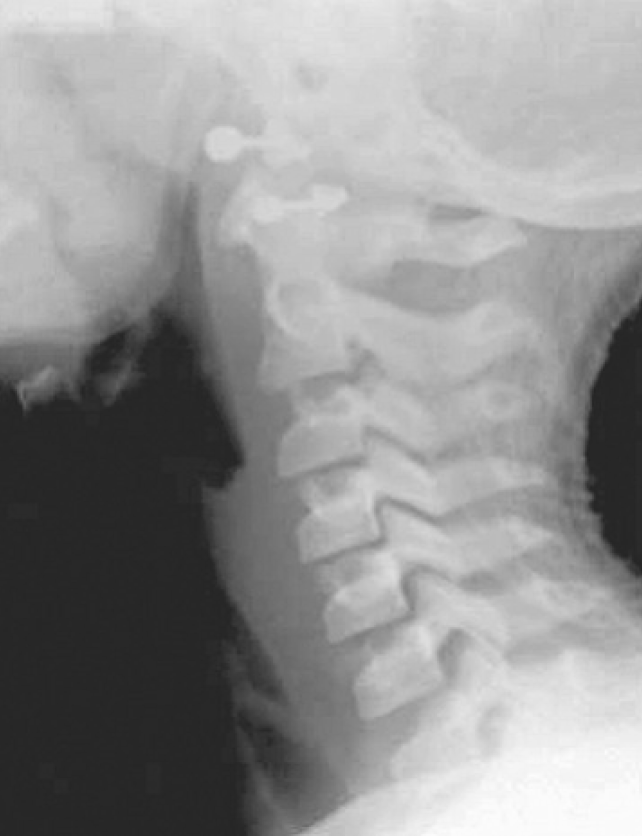
- Lateral neck x rays may show subglottic narrowing of the trachea with irregular densities and ragged and indistinct borders, it may show pseudo membrane detachment in the trachea.
- Bronchoscopy used to confirm the diagnosis if still in doubt
Treatment
- Nebulized epinephrine (which is very effective in croup) is not effective in bacterial tracheitis
- Intubation is required in 50% of patients with this disease, younger patients are more likely to need intubation
- Suctioning of purulent materials causes temporary relief but doesn’t sufficiently prevent the need for intubation
- Provide oxygen
- Administer empiric parenteral antibiotics: ampicillin/sulbactam 50 mg/ kg/dose IV or ceftriaxone 50 mg/kg/dose IV plus clindamycin 10 mg/ kg/dose IV. In areas with increasing S. aureus resistance, consider the addition of vancomycin 10 mg/kg/dose IV.
Prognosis
- Prognosis is excellent, patient become afebrile within 2 days of empirical antibiotics therapy
- Extubation is done when mucosal edema and purulent secretions are decreased
Continue learning
Practice the topics covered in this lecture.