
Pharmacology
Bismuth Subsalicylates: Mechanism of Action, Therapeutic Uses & Adverse Effects
Source presentation · 3 min read
Edits save on this browser. Download a copy for your records.
Mechanism of action
- Bismuth Subsalicylate when it reaches the stomach after administration, it is hydrolyzed into bismuth and salicylic acid
- Salicylate is completely absorbed into the blood while the bismuth remains unabsorbed in the GI tract
- The salicylates part that is absorbed fully work to inhibit the COX enzyme thus inhibiting PG synthesis => inhibition of inflammation and hypermotility (this is helpful in treatment of diarrhea)
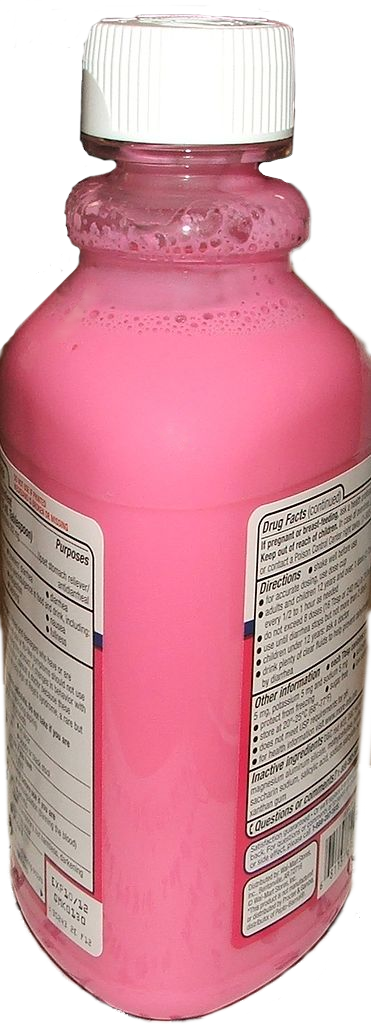
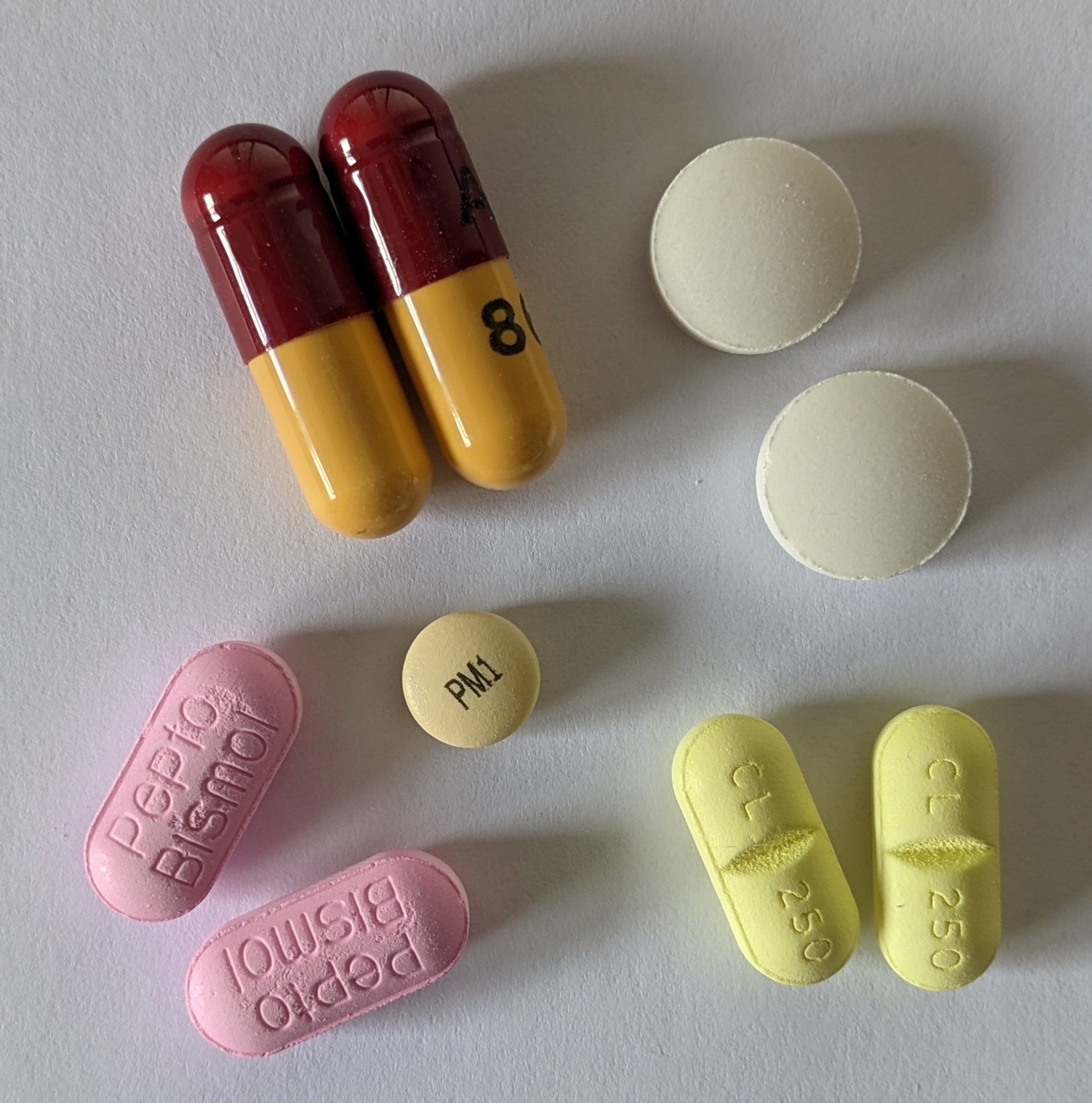
- Bismuth in the GI tract forms bismuth salts which contain bactericidal and antimicrobial activity and prevent bacteria from binding and growing on the lining of the stomach and rest of GI; by this mechanism Bismuth helps in H. pylori and other GI infections treatment
- Bismuth also work to inhibit H. Pylori enzyme activities including phospholipase, protease and urease (helpful in H. pylori treatment)
By preventing bacterial binding to the GI lining, Bismuth also lead to a lot of other benefits, those include:
- Preventing intestinal secretion (helpful in diarrhea treatment)
- Promoting absorption of fluid, sodium and chloride (helpful in diarrhea treatment)
- Reducing inflammation (helpful in diarrhea treatment)
- Promoting of ulcer healing (helpful in peptic ulcer disease treatment)
- Bismuth subsalicylate although it has antimicrobial and bactericidal effects; interestingly enough it does NOT affect the normal flora of the stomach
Therapeutic uses
Bismuth subsalicylate is over the counter med and it is FDA approved indications include:
- Diarrhea
- Heartburn
- Nausea
- Gastrointestinal discomfort
- It is the preferred self treatment for mild diarrhea over antimicrobials ( mild diarrhea means < 4 stools passed a day without dehydration)
Off label uses:
- H. Pylori infection treatment: American gastroenterological association recommends using Bismuth subsalicylate in quadruple therapy for H. pylori infection treatment (with PPI, tetracycline and metronidazole) and this is recommended for patients with previous macrolide exposure or who are allergic to penicillin (because if the patient doesn’t have previous macrolide exposure and is not allergic for penicillin then treated with H. pylori triple drug therapy)
- In treatment or prophylaxis against traveler’s diarrhea: antibiotics are superior
- Treatment of cholera in children: antibiotics are superior
- Treatment of symptomatic microscopic colitis in patients unable to undergo budesonide therapy
Adverse effects
- Common adverse effects: bitter taste, nausea, diarrhea, black tongue and black stools
- Black tongue and stool in some patients occur due to sulfur in saliva and color binding to bismuth and forming bismuth sulfide which insoluble black salt and this discoloration is temporary and harmless
- Uncommonly, this medication might lead to toxicity (if used for more than 6 weeks); toxicity present as fatigue and deterioration of mental status
- Rarely, this medication might lead to fatal neurotoxicity
- Other reported ADR: hearing loss, tinnitus, muscle spasm, anxiety, confusion, depression, headaches and slurred speech
Contraindications
- Patient allergic to salicylates (e.g. aspirin)
- Children or adolescents with flue like symptoms : salicylates may lead to Reye’s syndrome in these patients
- Patients with bleeding problems (salicylate aggravate bleeding)
- Patients on medications increasing risk of bleeding like anticoagulants, sulfinpyrazone, probenecid, methotrexate and any medication with high salicylate concentrations
Continue learning
Practice the topics covered in this lecture.