
Pharmacology
Inhaled Corticosteroids (ICS): Mechanism of Action, Therapeutic Uses & Adverse Effects
Source presentation · 3 min read
Edits save on this browser. Download a copy for your records.
Why NSAIDs can’t be given in bronchial asthma
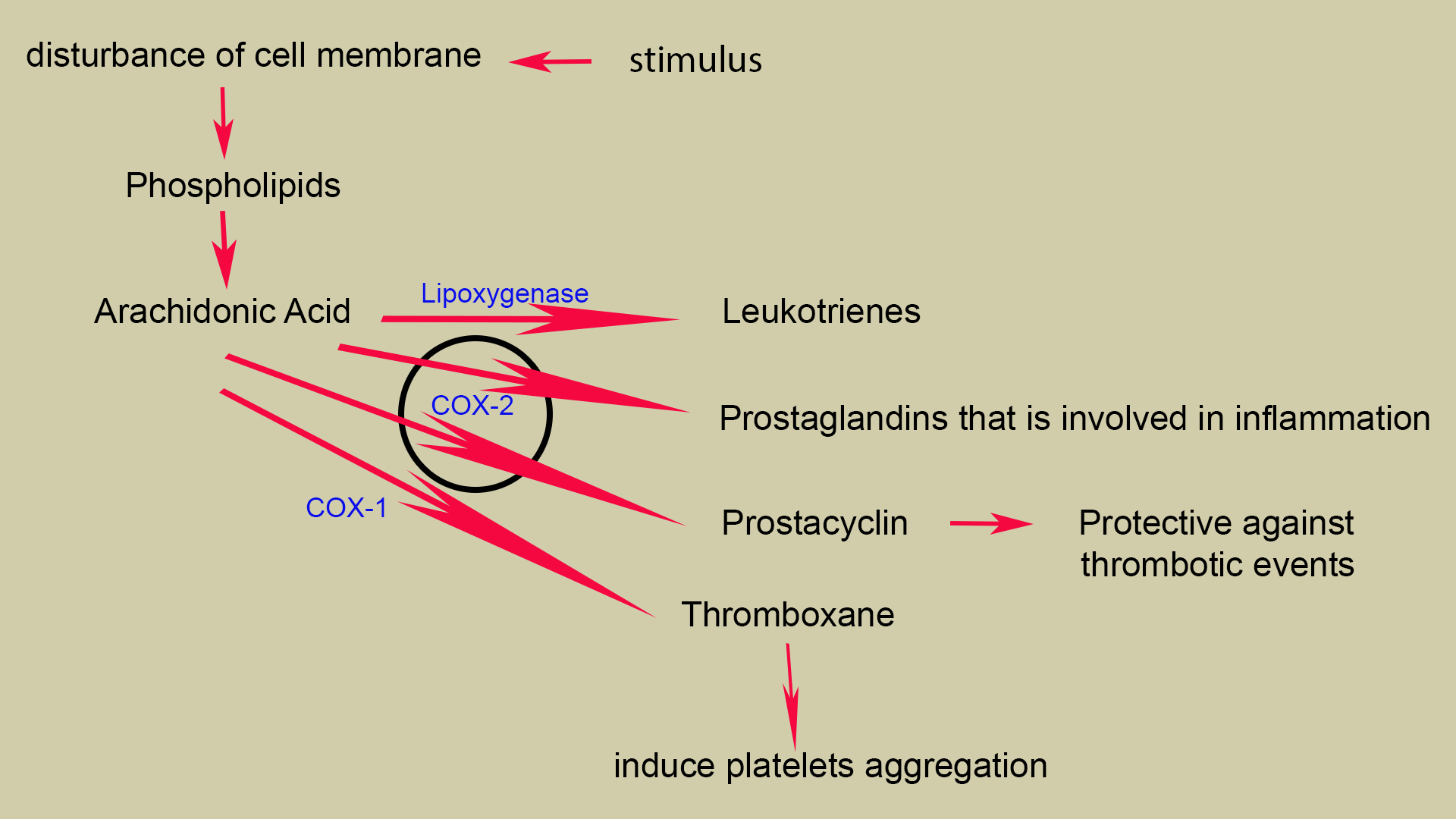
- Because NSAIDs inhibit COX enzyme but not lipoxygenase enzyme leading to accumulation of leukotrienes which are potent bronchoconstrictors
- Aspirin induced asthma

Corticosteroids
- Corticosteroids work by inhibiting phospholipase A2 enzyme leading to less arachidonic acid and less synthesis of prostaglandins and leukotrienes which ultimately lead to anti inflammatory effect
Mechanism of action
Corticosteroids can effectively decrease bronchial inflammation and hyperresponsiveness through:
- They inhibit B cell function => decrease antibody release and subsequently decrease antigen-antibody reaction
- They inhibit T cell function => decrease mediators and cytokine release
- They inhibit macrophage activity and stabilize lysosomal membranes => less inflammation
- They inhibit mast cells => decrease histamine release and lowers capillary permeability
- Corticosteroids cause up regulation of B2 receptors because it lowers inflammation => better response to b2 agonists medications
- Their onset of action is gradual and may take anywhere from several days to several weeks for maximal benefit with consistent use
Pharmacokinetics
- There is oral, IV and inhaled formulations
- Inhaled formulations include liquid capsule formulation given through nebulizer, metered dose inhalers and dry powder inhalers
- Widely used ICS include budesonide, fluticasone and beclomethasone
Use in asthma
- In acute severe asthmatic attack: IV hydrocortisone
- Chronic asthma
- ICS: Inhaled corticosteroids (e.g. beclomethasone): FDA indicated treatment of choice for preventing asthma exacerbations in patient with persistent asthma; regular use of these medications reduce frequency of asthma symptoms, bronchial hyperresponsiveness and risk of serious exacerbations; they have minimal systemic side effects, but an appropriate inhalation technique is critical for success of therapy
- Oral prednisolone or dexamethasone
Adverse effects
Inhaled corticosteroids (ICS) are associated with much less systemic side effects compared to oral and IV corticosteroids, but it may lead to some local side effects:
- Dysphonia in 50% of the patients due to myopathy of laryngeal muscles an mucosal irritation
- Oropharyngeal candidiasis due to corticosteroid decreasing mouth immunity; this can be avoided by rinsing the mouth after each inhalation and can be treated by nystatin mouthwash or miconazole
- Reduction in growth velocity in children using them, these effects in low doses are small and reversible but in higher doses they are significant
- ICS may rarely lead to cataract, glaucoma, hypothalamic pituitary adrenal axis dysfunction and impaired glucose metabolism
Oral and IV corticosteroids lead to systemic adverse effects, including:
- Osteoporosis
- Myopathy
- Higher glucose levels
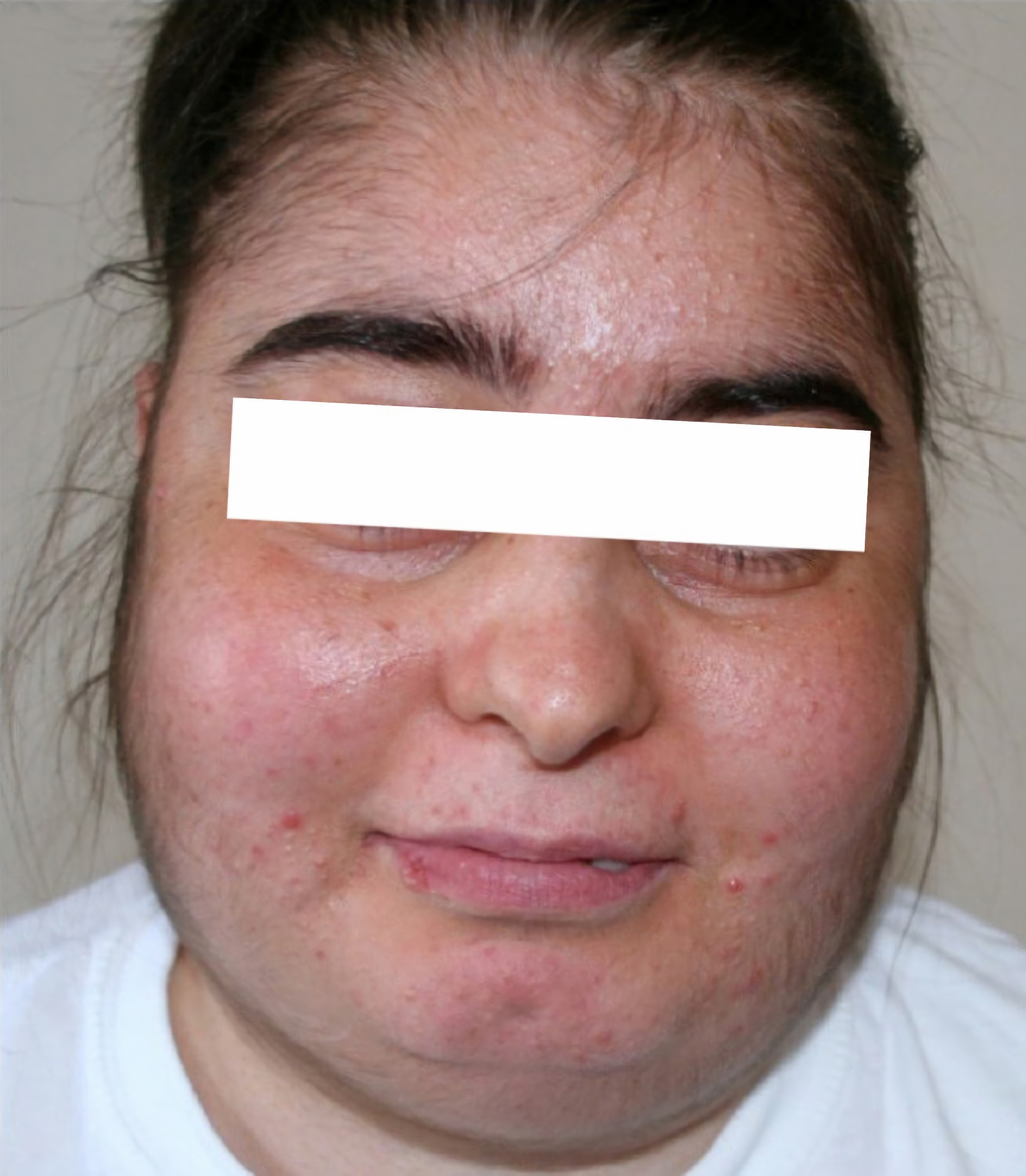
- Cushingoid features (truncal obesity, buffalo hump and moon face)
- Suppression of HPA
- Impairment of growth in children
- Infections
- Hypertension, edema, arrhythmias
- Ecchymosis, skin thinning, stria and impaired wound healing
Precautions
- Oral or IV corticosteroids if used for a long period of time, must be withdrawn gradually to avoid acute Addisonian crisis
- Corticosteroid lowers potassium levels so Diet should be rich in K
- Continuous check for any increase in weight, edema, sugar in urine or BP
- If the patient develops acute infection, they must be treated by adequate antibiotics with decreased dose of steroids
Continue learning
Practice the topics covered in this lecture.