
Clinical medicine
Neuroleptic Malignant Syndrome: Pathophysiology, Signs and Symptoms, Diagnosis and Treatment
Source presentation · 3 min read
Edits save on this browser. Download a copy for your records.
Neuroleptic Malignant Syndrome

Overview
- Neuroleptic malignant syndrome ?
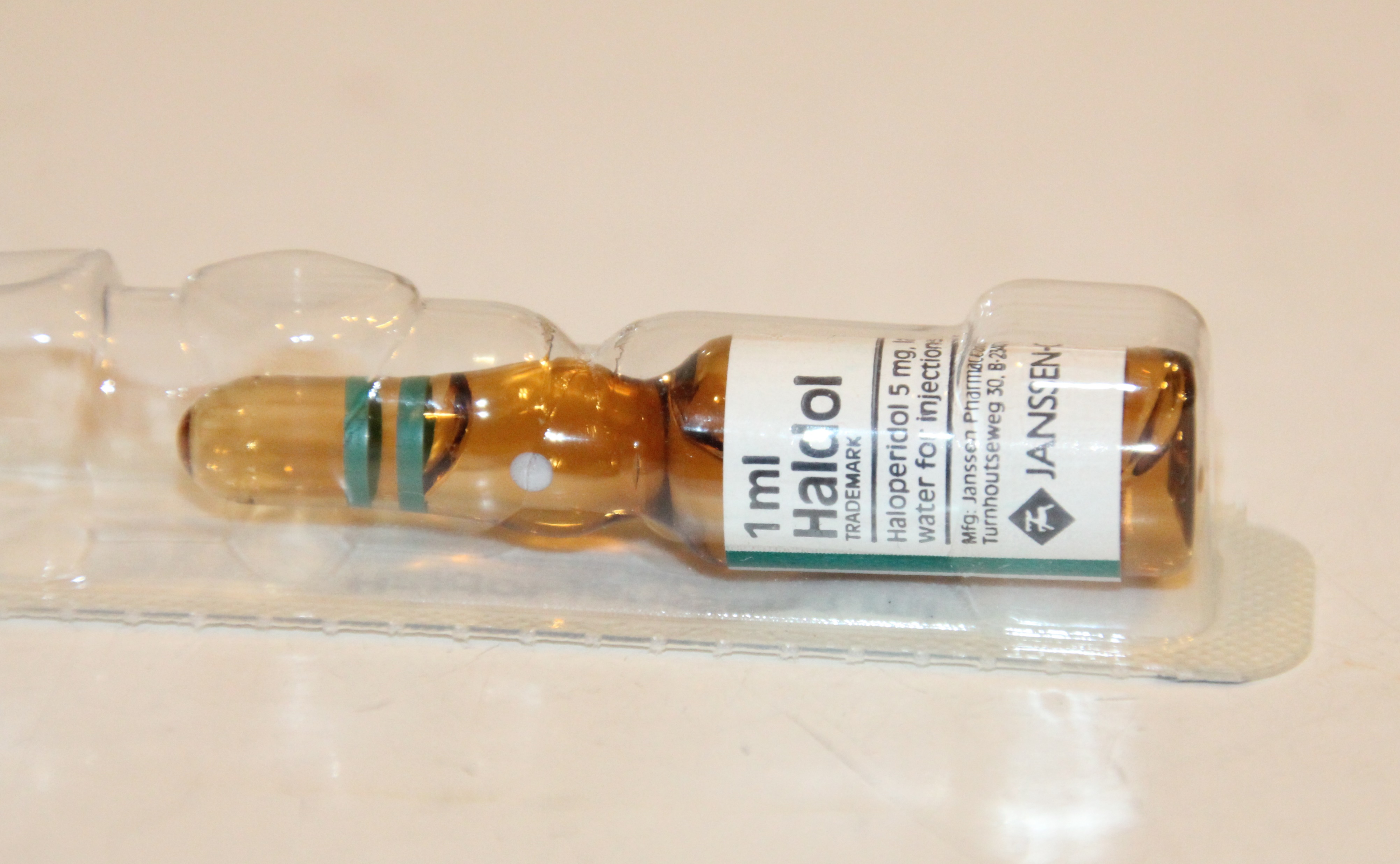
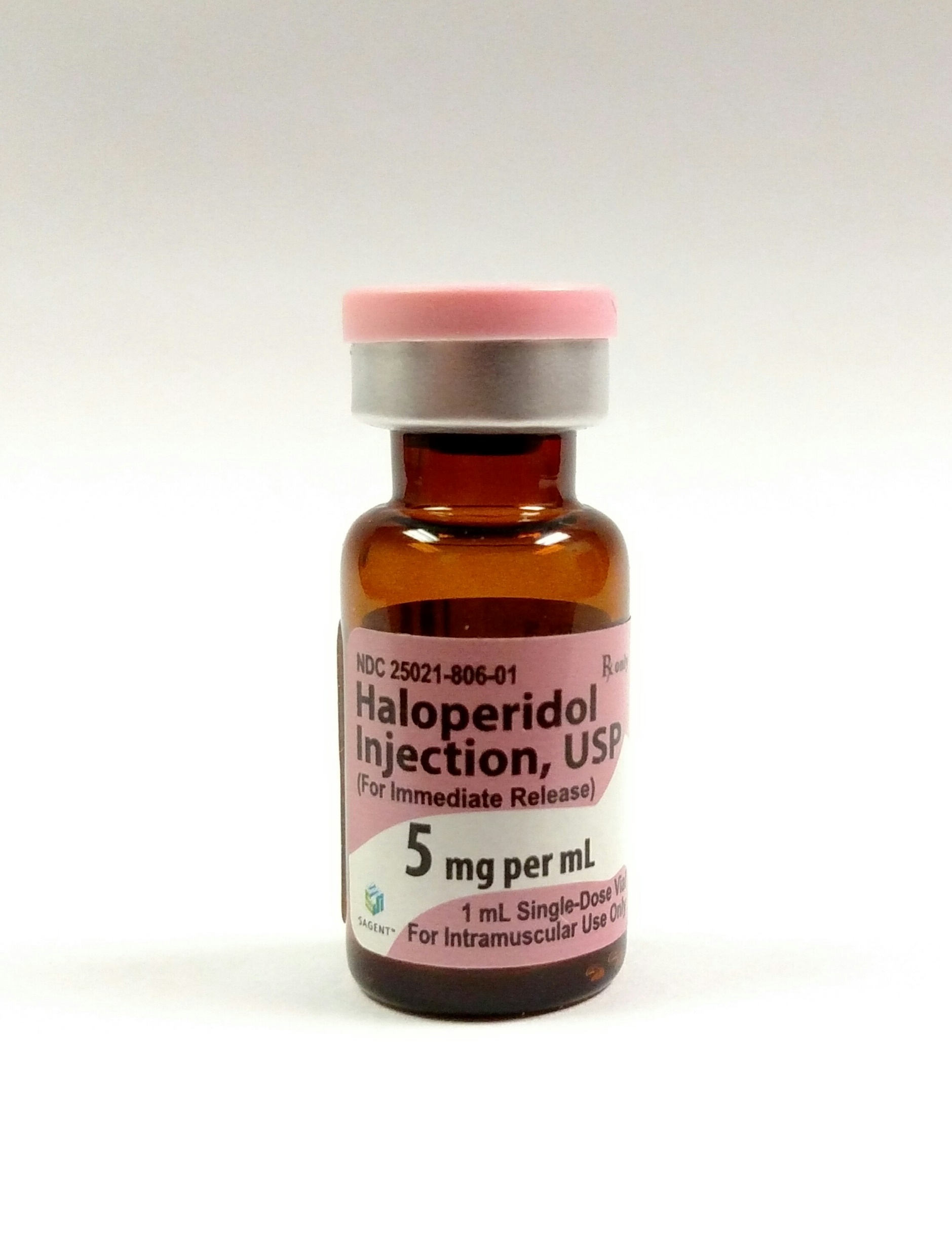
- It happen mainly as an adverse effect to typical and atypical antipsychotic drugs, but it also occur after sudden discontinuation of antiparkinsonian drugs
- Life threatening condition with mortality rate of 20%
- It is a set of symptoms
Signs and symptoms
- Patient develop NMS within hours to days after exposure to causative medication
- Initially present as muscle rigidity
- Then fever develops because sweating is impaired in these patients due to the anticholinergic effects of antipsychotics
- Stress leukocytosis starts
- Stress leukocytosis and fever may mislead you into thinking it is infectious process but it is not
- Altered mental status: confused or stuporous patient
- Autonomic instability in form of altered blood pressure and heart rate is present
- Muscle creatine kinase is elevated reflecting muscle damage
- Tachypnea, tachycardia, sialorrhea, flushing, skin pallor and incontinence maybe present
- Other extrapyramidal mtoor findings (other than rigidity) maybe present like tremor, chorea, akinesia and dystonia
- Other symptoms include dysphagia, dyspnea, abnormal reflexes, mutism and seizures
Pathophysiology
- This syndrome occurs due to excessive blocking of dopamine receptors in the nigrostriatal pathway by the antipsychotic medications administered to the patient
- This lead to severe form of extrapyramidal symptoms in form of NMS
- With sudden discontinuation of antiparkinsonian drugs, there is already dopamine receptor upregulation but dopamine suddenly decreased which gives the same dopamine deficiency thus leading to severe extrapyramidal symptoms in form of NMS
Risk factors
- Main risk factors include
- Use of high potency antipsychotics
- Rapid increase in the dose of the antipsychotic medications
- The use of long acting forms of antipsychotics (e.g. intramuscular depot)
- Concomitant use of lithium
Diagnosis
- NMS diagnosed according to DSM IV criteria
In DSM IV criteria for NMS, there should be:
- Development of severe muscle rigidity and elevated temperature associated with the used of antipsychotic medication
Two or more of the following has to be present in the patient:
- Diaphoresis
- Dysphagia
- Tremor
- Incontinence
- Altered mental status (from confusion to coma)
- Mutism
- Tachycardia
- Change in blood pressure
- Leukocytosis
- Elevated creatine phosphokinase in lab testing
- The symptoms in criteria A and B are not due to another medication or any other neurological or medical condition
- The symptoms in criteria A and B are not better explained by any mental disorder
Differential diagnosis
- Stroke
- CNS infections
- Encephalitis
- Delirium
- Status epilepticus
- Heat stroke
Treatment
- Neurologic emergency
- Stopping the antipsychotic medication or if it happen when withdrawing an antiparkinsonian medication then put the patient on that medication again quickly
- Aggressive hydration to prevent renal failure due to rhabdomyolysis
- Diazepam used to as a muscle relaxant
- Metabolic abnormalities should be corrected
- Cooling of the patient body to relieve fever
- The patient might require hemodialysis to solve the renal failure occurred from rhabdomyolysis
- Switching to atypical antipsychotic drug is indicated after the syndrome resolved
Complications
- Renal failure secondary to rhabdomyolysis
- DIC secondary to rhabdomyolysis
- Venous thromboembolism from dehydration and immobilization
- Aspiration pneumonia because of the altered mental status and difficulty swallowing
- Cardiopulmonary failure
- Seizures
- Arrhythmias
- MI
- sepsis
Continue learning
Practice the topics covered in this lecture.