
Pharmacology
Xolair (Omalizumab): Mechanism of Action, Therapeutic Uses & Adverse Effects
Source presentation · 2 min read
Edits save on this browser. Download a copy for your records.
Mechanism of action
- Omalizumab is a monoclonal antibody and it is recombinant, it is similar to human immunoglobulin G1 and it targets human immunoglobulin E (IgE)
- IgE immunoglobulin plays a critical role in activating mast cells in asthma (and allergic conditions in general) to release inflammatory mediators responsible for producing asthma symptoms, IgE also activates eosinophils and basophils
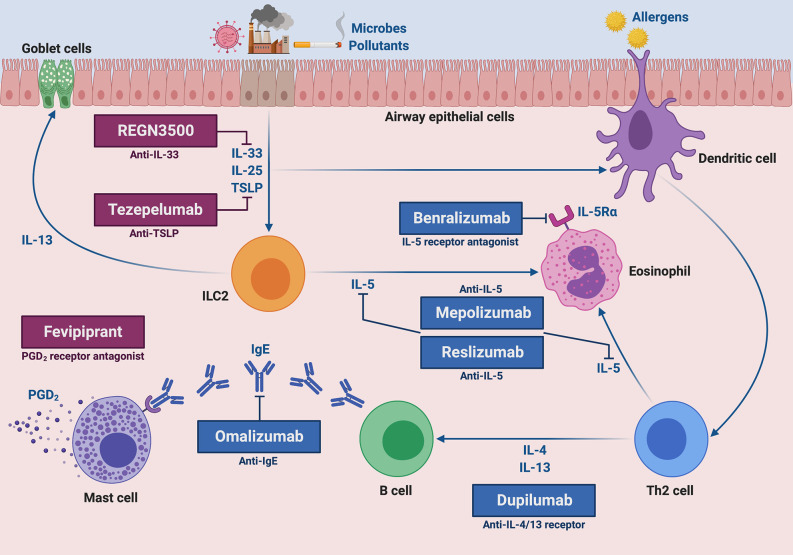
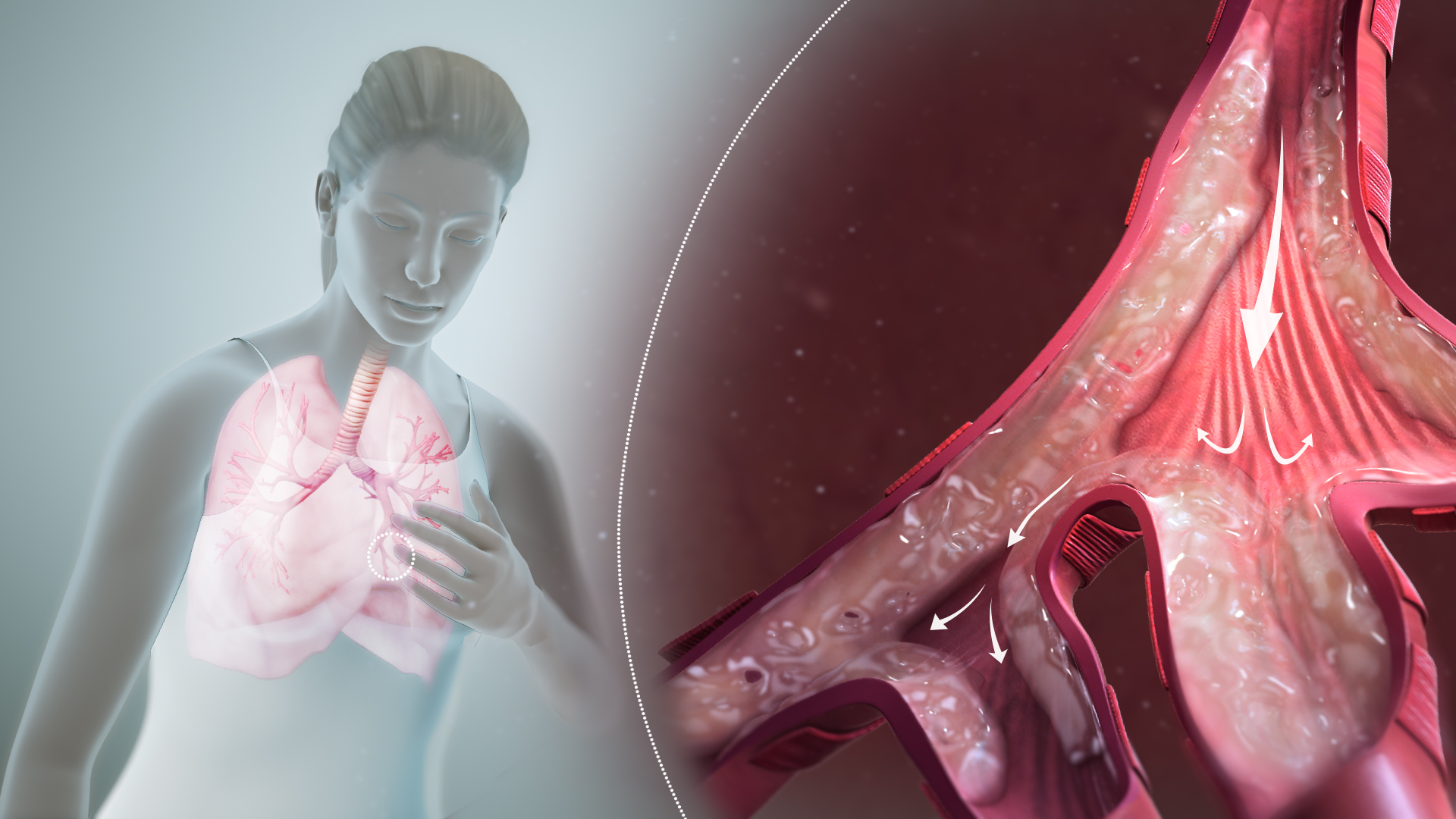
- So by inhibiting IgE, Omalizumab works to inhibit mast cell degranulation and inhibit eosinophils and basophils => this lead to breaking the allergic cascade and control asthma symptoms
Pharmacokinetics
- Omalizumab is administered subcutaneously and its absorption to systemic circulation is slow, peak plasma concentrations achieved after around 7 days
- Omalizumab metabolized by the reticuloendothelial system and endothelial cells and eliminated through bile in around 25 days
Therapeutic uses
Omalizumab is FDA approved for:
- Treatment of moderate to severe asthma in patients (older than 6) whose symptoms not adequately controlled with inhaled corticosteroids; Omalizumab is not approved for use in acute asthmatic attacks
- In treatment of chronic idiopathic or spontaneous urticaria, in patients (older than 12) who received H1 antihistamine treatment and still experiencing symptoms
- It is also approved for patients (older than 18) for treatment of nasal polyps (in case the nasal corticosteroids didn’t work)
Off label uses:
- ANCA vasculitis
- Bronchopulmonary aspergillosis
- Keratoconjunctivitis
- Drug and food allergies
- Eosinophilic otitis media
- Bullous pemphigoid
- Atopic dermatitis
Adverse effects
- Omalizumab is a targeted therapy, that is why it is considered to have an excellent safety profile
- Omalizumab may lead to the following
- Anaphylactic reactions (in the second dose and after in 0.001 of cases)
- Injection site reactions
- URTI
- Sinusitis
- Headache
- Pharyngitis
Contraindications
- Previous hypersensitivity reactions to omalizumab
- Patients must be closely observed for several hours after omalizumab administration due to risk for anaphylaxis
Continue learning
Practice the topics covered in this lecture.