
Pharmacology
Chlorpromazine Pharmacology: Mechanism of Action, Therapeutic Uses & Adverse Effects
Source presentation · 3 min read
Edits save on this browser. Download a copy for your records.
Chlorpromazine
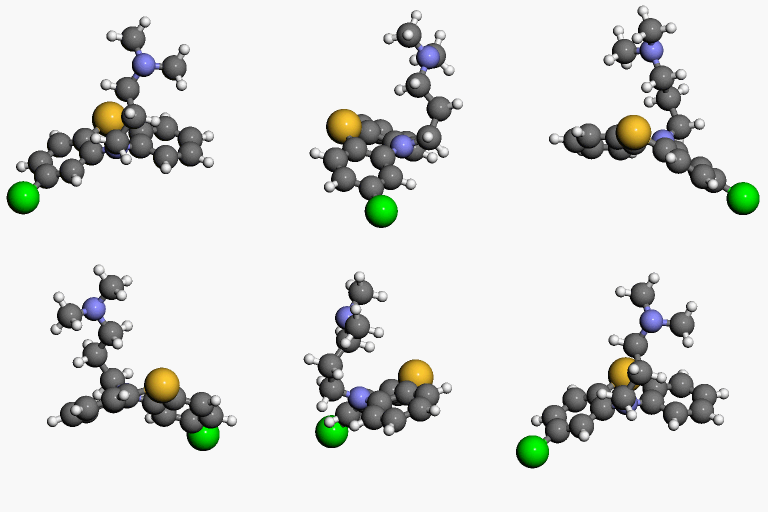
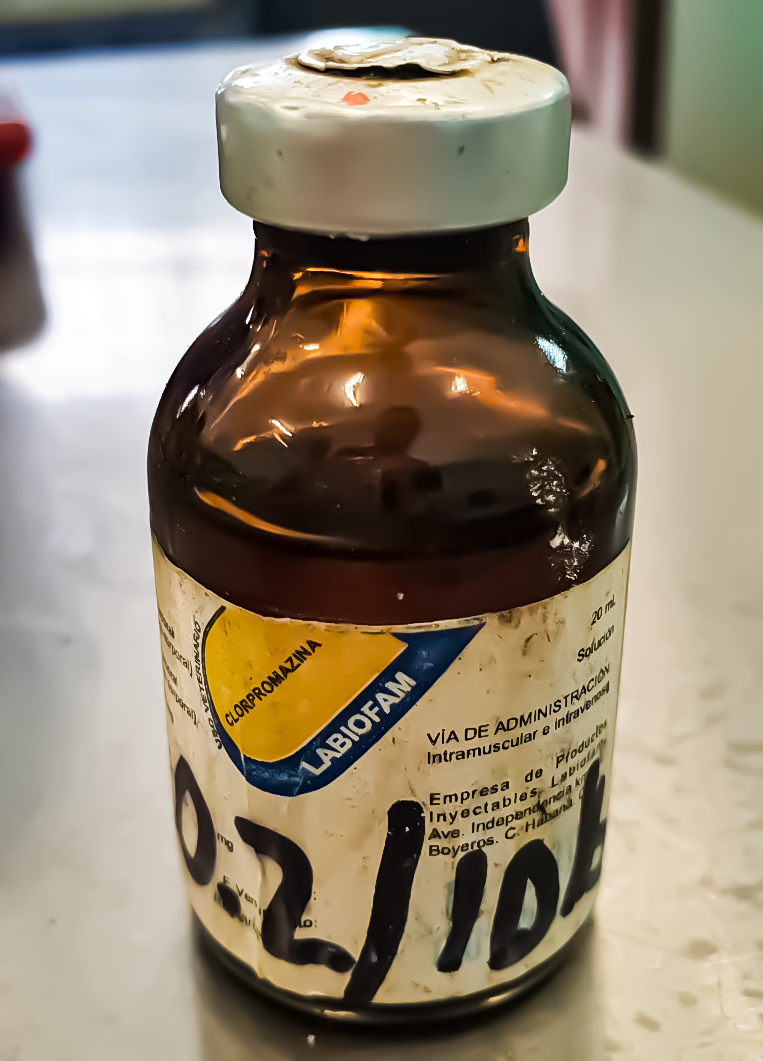
Overview
- Famous trade names: Thorazine and Largactil
- It is classified as low potency typical antipsychotic drug from phenothiazines family
- Used in treatment of schizophrenia and some other mental disorders
- Chlorpromazine was developed in 1950 and it was the first antipsychotic
Pharmacokinetics
- Chlorpromazine is available as oral, IM, IV formulas
- Oral absorption is variable with bioavailability of 10-90%
- Then it is widely distributed through the body, it has high lipid solubility so it easily cross blood brain barrier to distribute to CNS
- It is extensively metabolized in the liver by CYP enzymes especially CYPA12 and 2D6, it is also metabolized by kidney and GIT
- It is excreted in urine
Mechanism of action
- Chlorpromazine work by antagonizing dopamine D2 receptors in the brain
- It blocks dopamine in the mesolimbic and mesocortical pathway which lead to relieving the psychotic symptoms
- It also blocks dopamine in the nigrostriatal pathway which lead to extrapyramidal symptoms as adverse effects
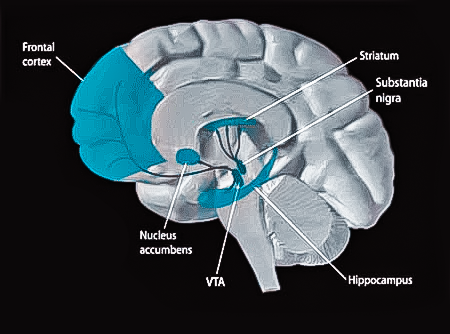
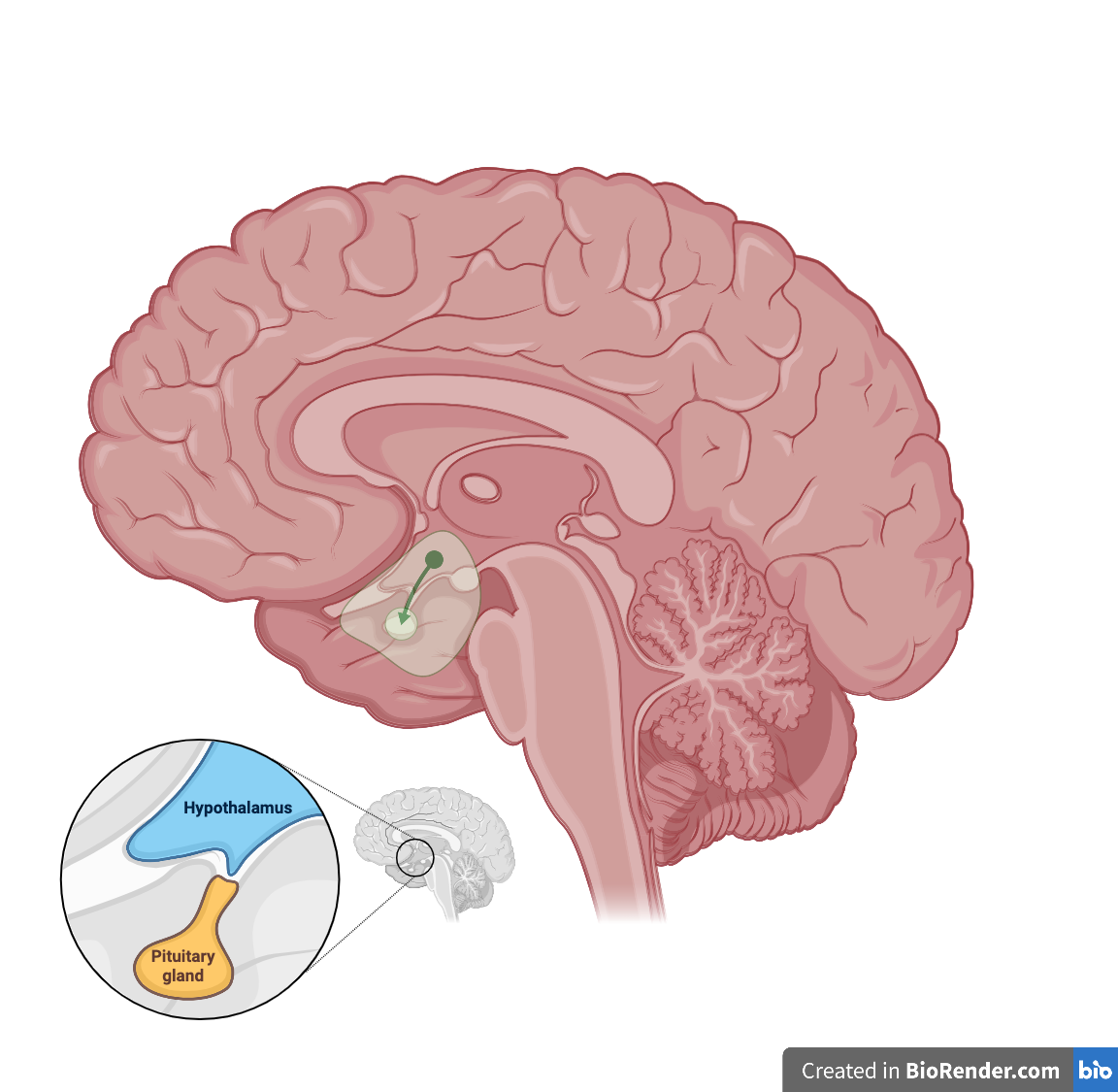
- It also blocks dopamine in the tuberoinfundibular pathway lead to hyperprolactinemia as an adverse effect
- Chlorpromazine also has anti serotonin, antimuscarinic and anti histamine activity
- It blocks alpha adrenergic receptors to some degree too
Therapeutic uses
- Used in treatment of psychosis including schizophrenia
- Manic phase of Bipolar disorder
- Used in treatment of chronic hiccups
- Also used in treatment of nausea and vomiting not responding to first line medications, its anti emetic effect stems from its ability to block dopamine, histamine and muscarinic receptors in the vomiting center
- It is used in treatment of agitation and severe anxiety
- It is used off label in treatment of migraine and serotonin syndrome
Dosing
- For schizophrenia
- Oral dose: patient initially start on 25-75 mg/day orally twice per day and maintained at 200 mg/day and maximum dose is 800mg/day
- IM or IV dose: 25mg then 50mg after 1-4 hours of the first dose and repeated, dose can be 300-800 mg/day
- For nausea and vomiting
- Oral dose: 10-25mg orally every 4 to 6 hours and repeated as needed
- IM or IV dose: 25-50 mg every 4-6 hours and repeated as needed
Adverse effects
- Extrapyramidal symptoms (movement disorders): tremor, dyskinesia and akathisia are seen but to lesser degree than with other typicals
- Neuroleptic malignant syndrome
- Low potency antipsychotics are associated with more anticholinergic side effects due to the blocking muscarinic receptors, those effects include: blurred vision, dry mouth, sedation and constipation
- It also block alpha adrenergic receptors to some degree leading to postural hypotension
- It also lead to mild bone marrow suppression
- It lead to increase prolactin level => decreased libido in both genders, gynecomastia galactorrhea and erectile dysfunction
Contraindications
- Previous hypersensitivity reaction to the drug
- CNS depression, coma
- Bone marrow suppression
- Hepatic failure and acute liver disease
- Pheochromocytoma
Cautions
- There is a risk of closed angle glaucoma in elderly patients taking this medication
Continue learning
Practice the topics covered in this lecture.