
Pharmacology
Methadone Pharmacology: Mechanism of Action, Therapeutic Uses & Adverse Effects
Source presentation · 3 min read
Edits save on this browser. Download a copy for your records.
Methadone
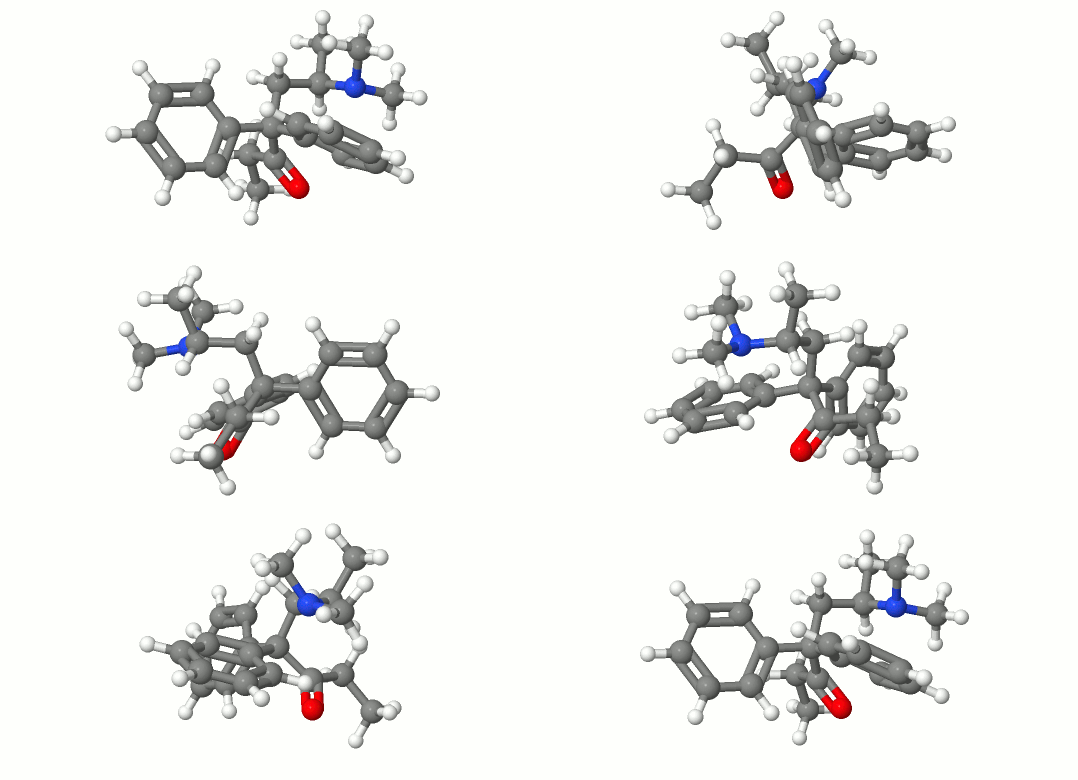
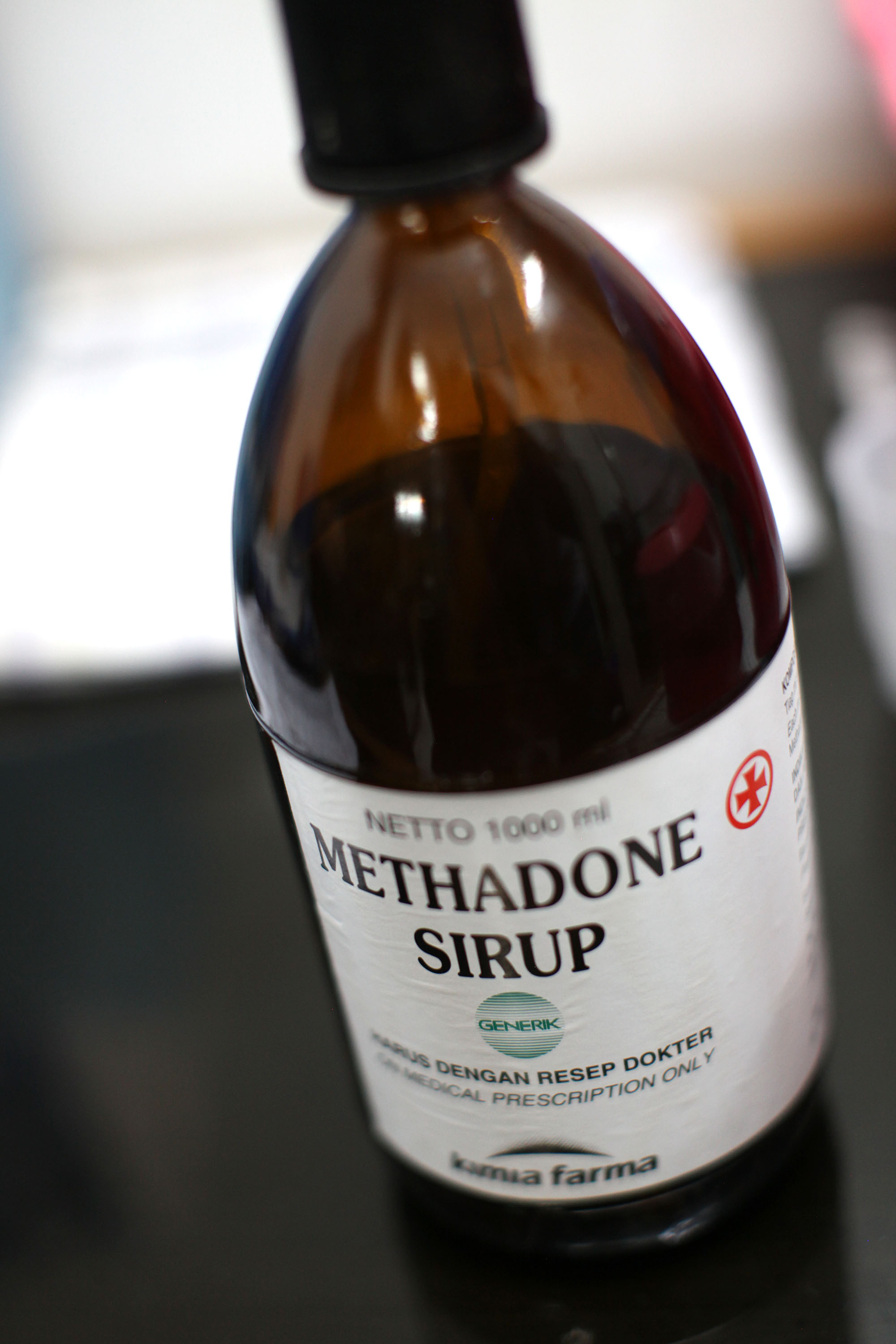
Overview
- Methadone is a synthetic opioid analgesic medication
- It was developed in Germany in 1939 by German chemists Gustav Ehrhart and Max Bockemühl
- Methadone is famous for being used in treatment of opioid dependence
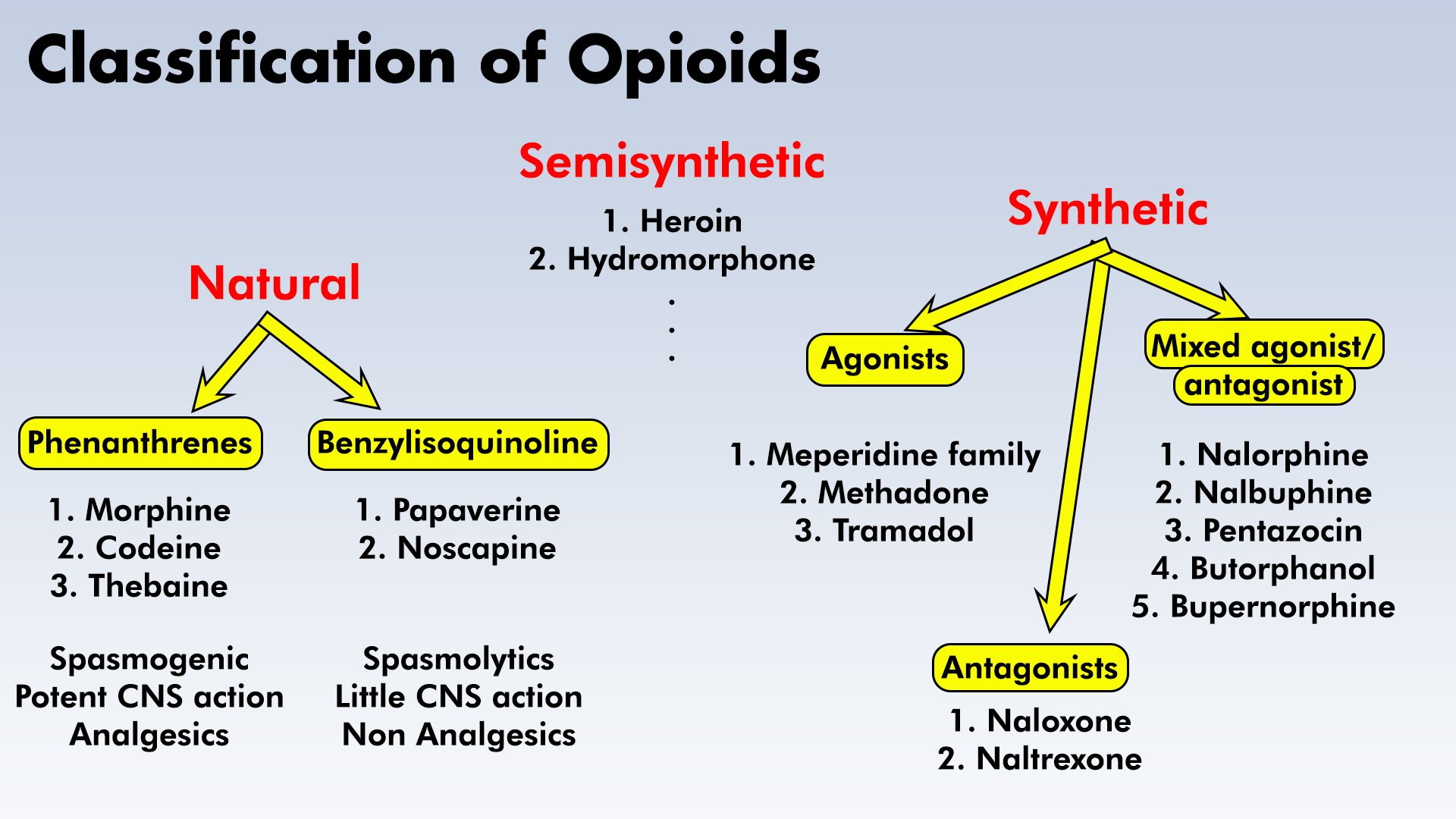
Pharmacokinetics
- Available in multiple oral formulas, including pills, sublingual tablets and drinkable formulas too
- Methadone metabolized by liver by CYP2B6 and CYP3A4
- Methadone is excreted exclusively through bile
- Half life is long (12- 25 hours) but the duration of analgesia is 4- 8 hours
Mechanism of action
- Methadone work as agonist on the opioid receptors, especially mu receptors which are available everywhere in the human body, especially the CNS
- Methadone can also block NMDA receptors and monoaminergic reuptake transporters (both of those are non opioid related receptors), blockage of these receptors explain methadone ability to relieve difficult to treat pain (e.g. neuropathic and cancer pain), when morphine doesn’t work
Pharmacologic Effects
Activation of these opioid receptors lead to several central effects (CNS effects):
- Analgesia: Methadone provide a better analgesia at 10-20% of morphine equivalent dose
- Euphoria
- Sedation
- Respiratory depression
- Cough suppression
- Nausea and vomiting
- Miosis
- Pruritus due to histamine release
- Truncal rigidity
Activation of these opioid receptors lead to several peripheral effects including:
- CVS: bradycardia and hypotension
- GIT: constipation
- RS: less bronchoconstriction compared to morphine (less histamine release)
- Urinary system: may lead to urine retention
- Immune: decrease immunity
Therapeutic uses
- One of the adverse effects of opioid use is opioid dependence
- Methadone is widely used in the treatment of opioid dependence, it maybe used as maintenance therapy or in shorter periods to manage withdrawal symptoms

Methadone is used to treat opioid dependence for these reasons:
- Tolerance and physical dependence develop more slowly with methadone than with other opioids due to its long half life
- After sudden withdrawal of methadone, withdrawal signs and symptoms are milder and prolonged compared to other opioids with shorter half lives withdrawal
- Another use of methadone is in treatment of chronic pain, it is more effective for neuropathic pain due to its action on NMDA receptors
Methadone maintenance therapy (MMT)
- Takes place in outpatient settings, methadone prescribed as a single daily dose for those who wish to abstain from illicit opioid use
- Duration of MMT ranges from few months to years and it maybe life long because opioid dependence characterized by being chronically relapsing and remitting through the patient life
- The starting doses are not exceeding 40 mg/ daily and then tapered gradually
Adverse effects
- Respiratory depression
- Methadone lead to increase QT interval (because of its action of potassium channels in the heart) and may lead to torsade’s de pointes arrhythmia
- Constipation
- Sedation
- Weakness, dizziness and headache
- Dry mouth
- Sleep disturbance
- Nausea and vomiting
- Mild amnesia
Continue learning
Practice the topics covered in this lecture.