
Orthopedics
Trauma Management Using ATLS: Airway, Breathing, Circulation ...
Source presentation · 7 min read
Edits save on this browser. Download a copy for your records.
Trauma systems
- After the patient got injured, you need to do the critical procedures required for them to stay alive and then you manage their fractures and less critical injuries
- There is systems for that including the ATLS developed by American college of surgeons and which we will discuss here but also there is other systems like PHTLS and ETC depending on your institution and what system they follow

ATLS
- ATLS contain three sections: primary survey, resuscitation and secondary survey
- Primary survey is rapid assessment of patients ABCDE
- Airway and cervical spine control
- Breathing
- Circulation and hemorrhage control
- Disability
- Exposure and environment
Airway
- Assessed for patency
- If patient is talking or screaming then airway is patent at the moment
- Noisy or absent breath sounds suggest compromised airway
- Immediate interventions to airway such as head tilt and chin lift or jaw thrust in comatose patients, suctioning relief airway compromise in many patients and use of oropharyngeal or nasopharyngeal airway maybe necessary => search it on YouTube
- Sometimes the immediate interventions are enough but other times you need an advanced airway
Head tilt / chin lift
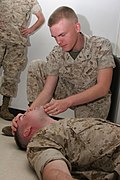
Jaw thrust
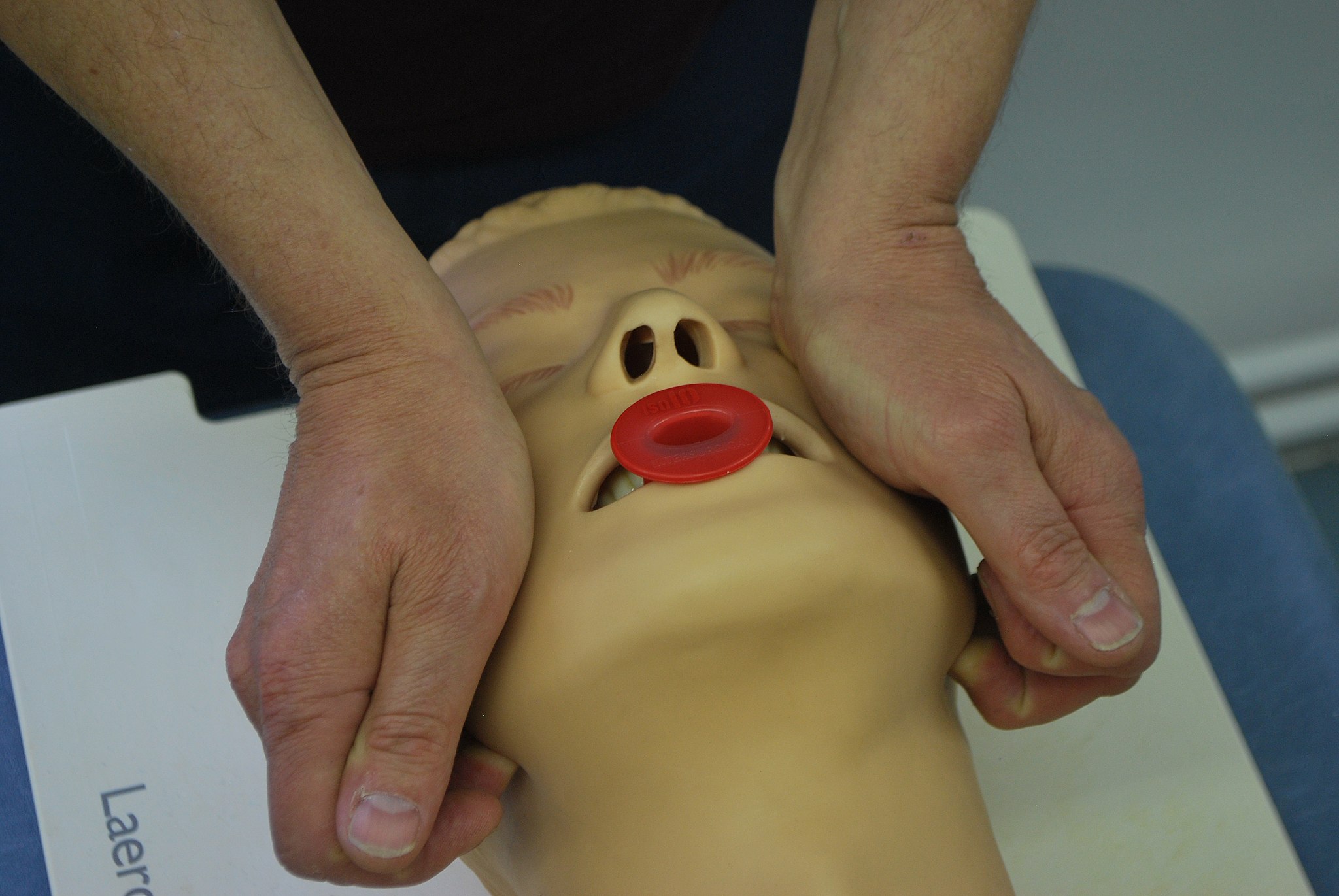
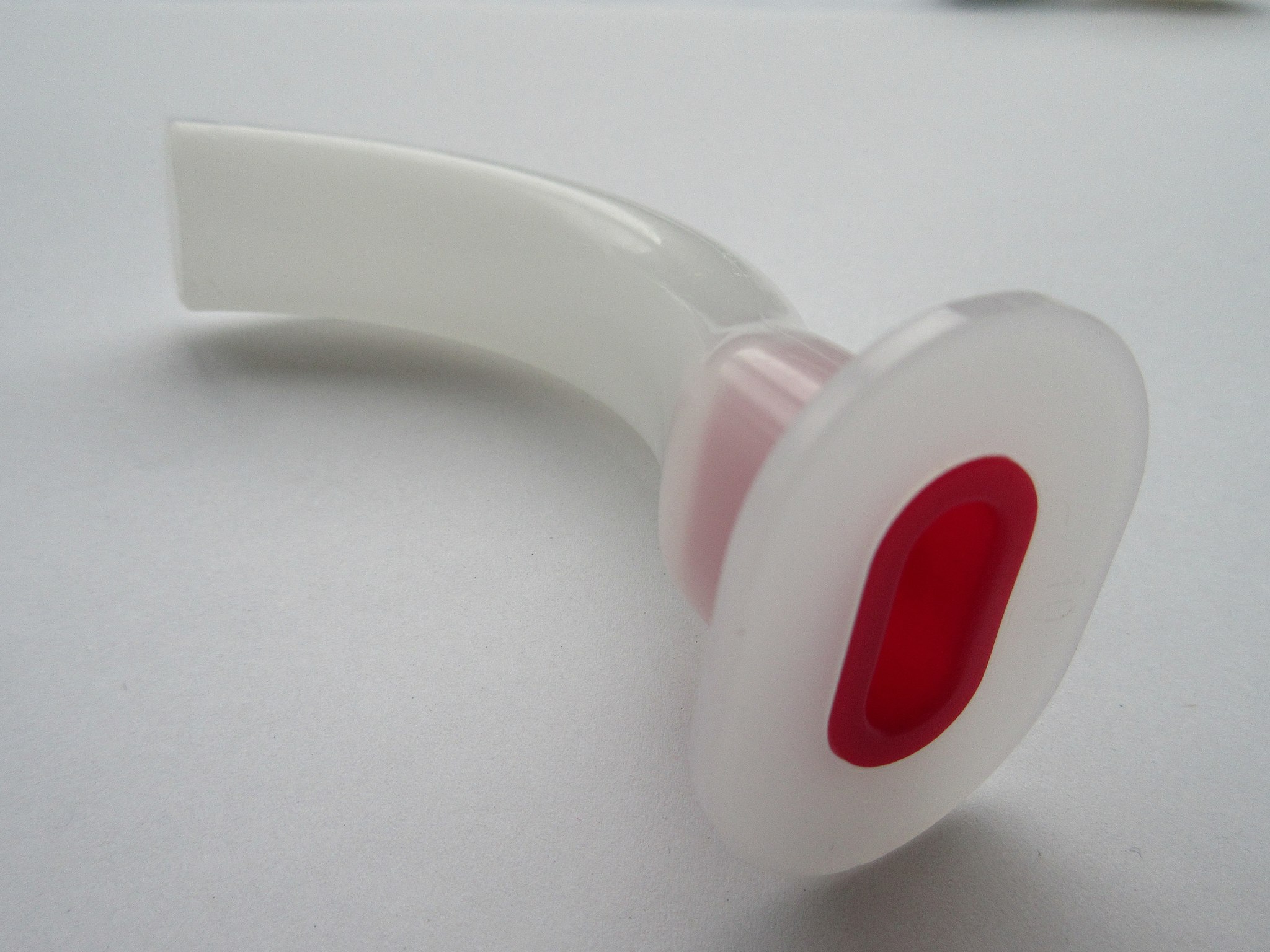
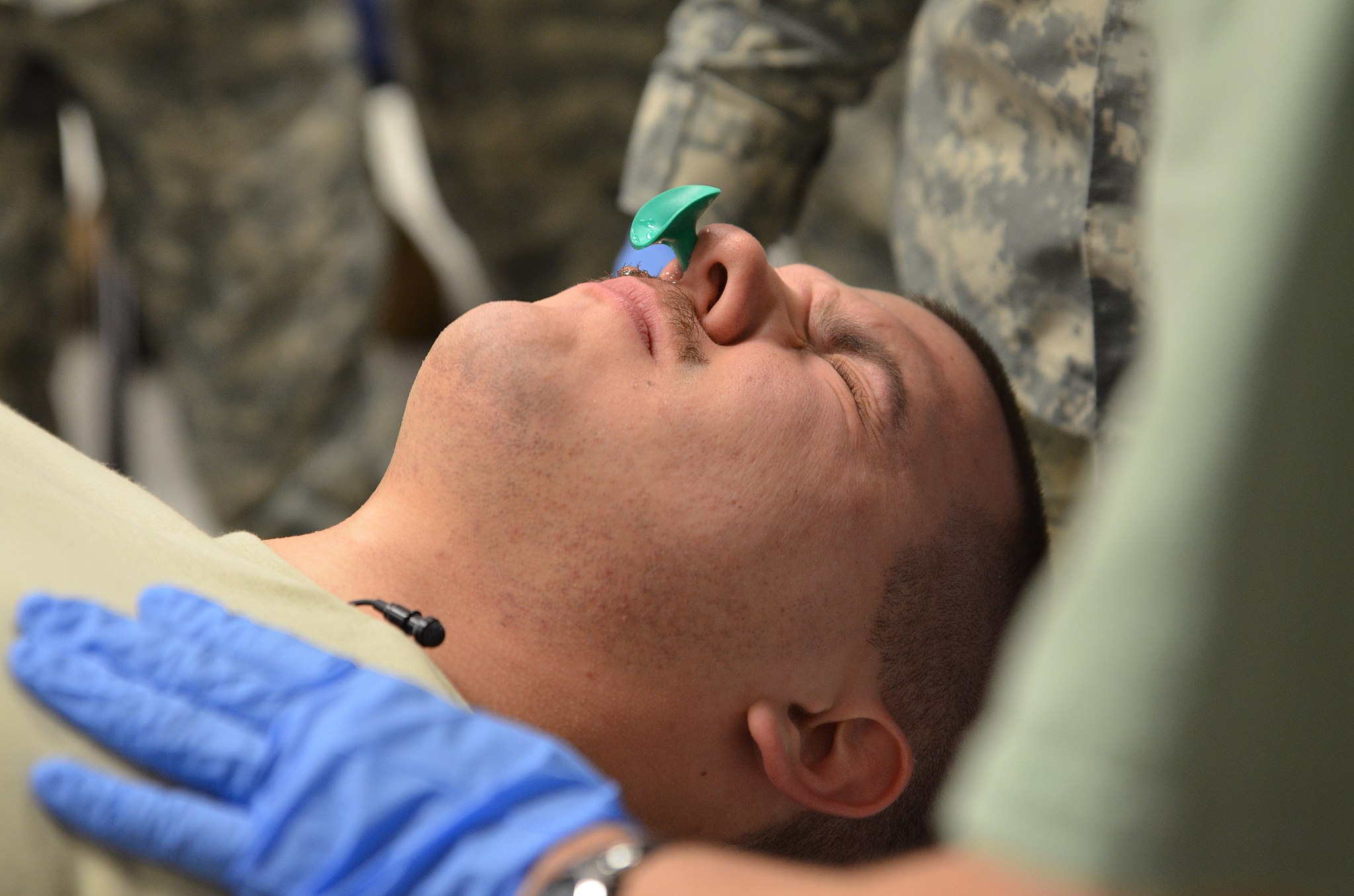
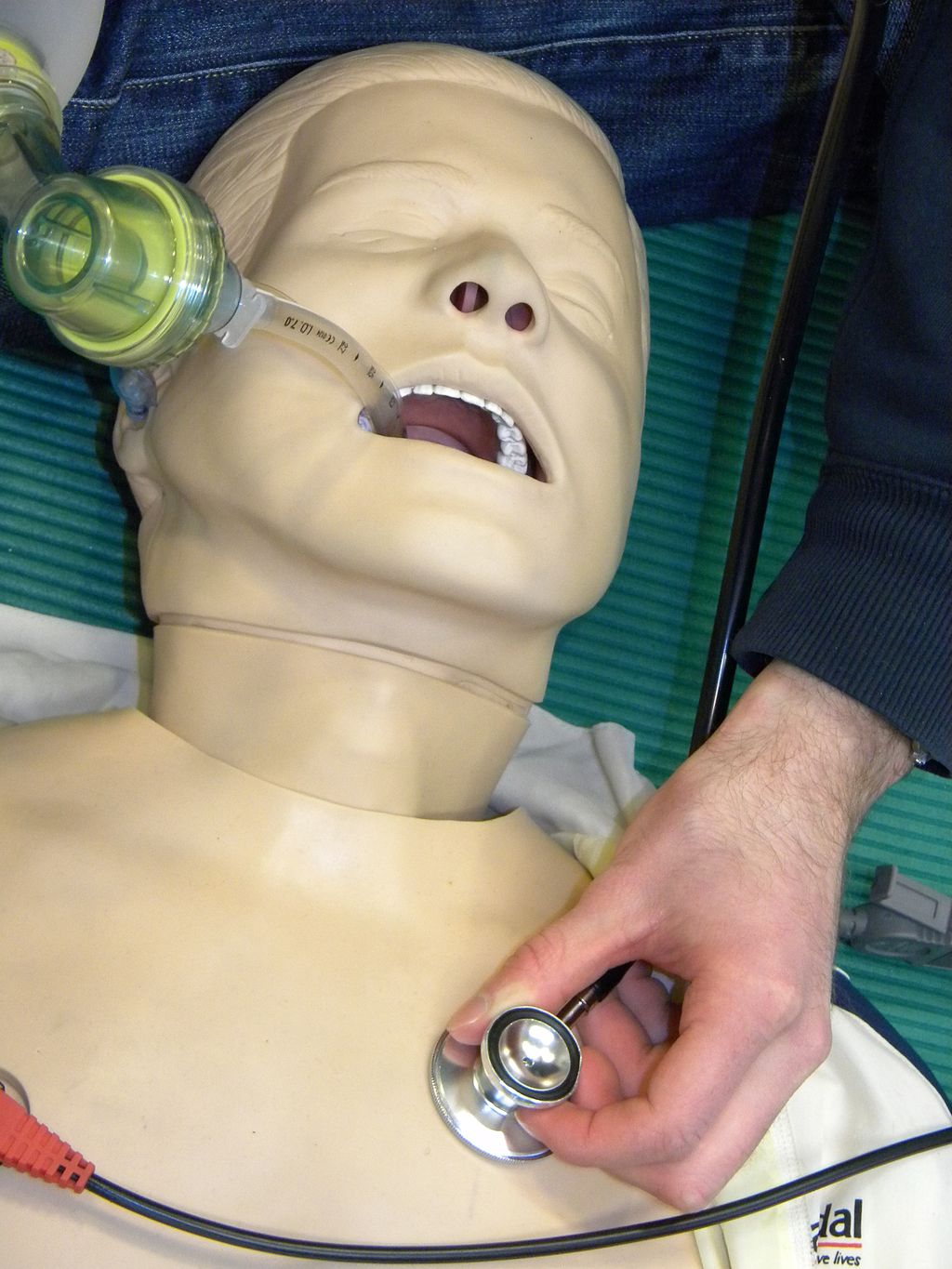
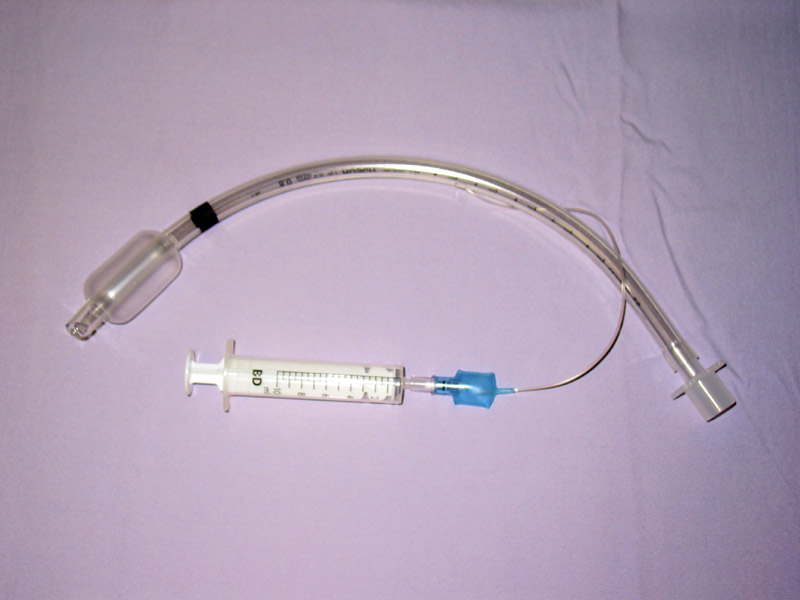
Advanced airway
- Types: orotracheal and nasotracheal intubation (non operative) , if failed then cricothyroidotomy and emergency tracheostomy needed (operative) => search it on YouTube
- Indications of advanced airway
- Apnea
- Inability to protect airway (GCS <8)
- Impending airway compromise in cases of inhalation injury, neck penetrating injuries (hematoma formation)
- Extensive subcut air in the neck
- Inability to maintain oxygenation
Cervical spine control
- All patients with blunt trauma require cervical spine immobilization until injury excluded
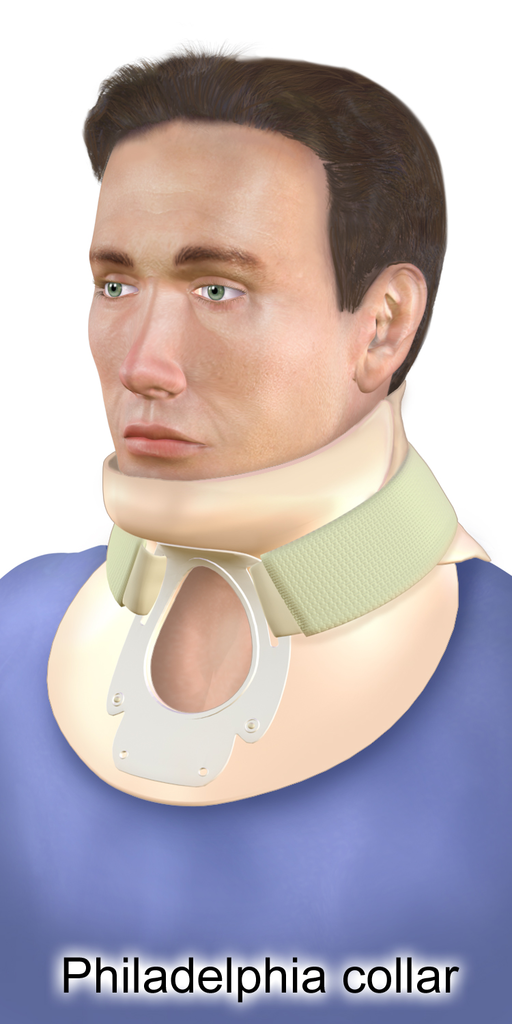
- Immobilization achieved by semi rigid cervical collar or placing sandbags on both sides of the head and the forehead taped across the bags
- Soft collars are not effective
- In penetrating neck wounds, cervical collars not recommended because they interfere with treatment
- Search cervical collars on google and see what is the types and differences
Breathing
- Second priority after the airway
- All trauma patients should receive High flow oxygen and monitored by pulse oximetry
- Watch for chest movement on examination
- Rapid evaluation for life threatening chest injuries
- Tension pneumothorax
- Open pneumothorax
- Massive hemothorax
- Flail chest
Circulation
- Initially palpate pulses to check for CVS status
- Palpable carotid pulse = systolic BP of 60 mmHg
- Femoral pulse = 70
- Radial pulse = 80
- Blood pressure measurement gives you idea about the grade of hypovolemia if the patient is hypovolemic
- Hypotension (systolic BP < 90) assume that it is caused by hemorrhage until proven otherwise
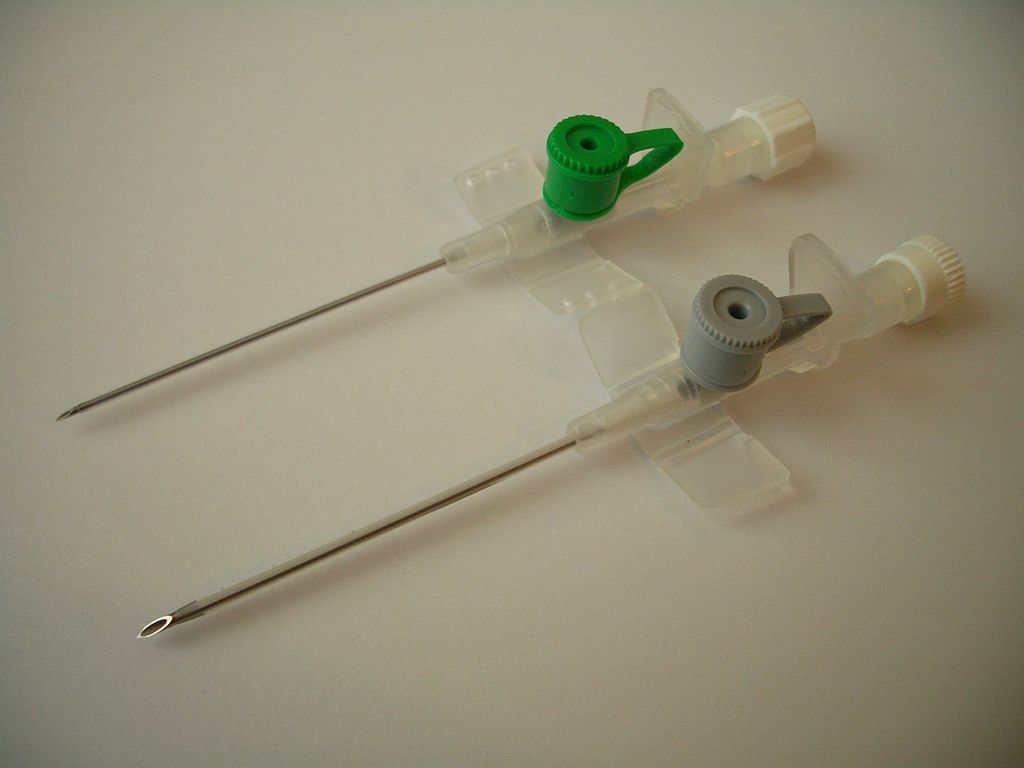
- Place two large bore IV cannula and blood should be drawn before starting resuscitation with fluids to prevent RBC cross linking and agglutination
- Blood drawn for
- Cross matching
- Bedside hemoglobin level and trauma panel
- Coagulation panel
- ABG for base deficit
- Rapid evaluation for
- Massive hemothorax
- Cardiac tamponade
- Massive hemoperitoneum
- Mechanically unstable pelvic fractures with bleeding
Grades of hypovolemic shock
| Clinical feature | Grade I | Grade II | Grade III | Grade IV |
|---|---|---|---|---|
| Blood loss (mL) | Up to 750 | 750-1500 | 1500-2000 | ≥2000 |
| Blood loss (%) | <15 | 15-30 | 30-40 | >40 |
| Pulse rate (beats/min) | <100 | 100-120 | 120-140 | >140 |
| Blood pressure (mmHg) | Normal | Normal | Decreased | Decreased |
| Pulse pressure | Normal or increased | Decreased | Decreased | Decreased |
| Respiratory rate (breaths/min) | 14-20 | 20-30 | 30-40 | >35 |
| Urine output (mL/hr) | >30 | 20-30 | 5-15 | Negligible |
| Mental status | Slightly anxious | Mildly anxious | Confused | Lethargic |
IV Cannula
| Cannula color | Gauge | Flow rate (ml/min) |
|---|---|---|
| Yellow | 24G | 20 |
| Blue | 22G | 36 |
| Pink | 20G | 60 |
| Green | 18G | 90 |
| Gray | 16G | 180 |
| Orange | 14G | 240 |
Hemorrhage control
- Start with manual compression with a single gauze and a gloved hand
- Bleeding of the extremities might be managed with tourniquets for the short term
- Open fracture bleeding is controlled by reduction and stabilization with splints
- Pelvis should be stabilized with a sheet or binder
Fluid resuscitation
- The best resuscitation is achieved with blood but that is not usually ready until later
- So start with isotonic crystalloids typically Ringer’s lactate which is superior to normal saline (avoid hyperchloremic acidosis)
- In massive transfusion give packed RBCs , platelets and fresh frozen plasma in ratio of 1:1:1
- Aim for hypotensive resuscitation systolic pressure target of about 100 in bleeding patient (to protect the clot that has formed and thus decrease bleeding
- Assess by monitoring vitals: pulse, BP, RR, SpO2, urine output
- Also by monitoring labs: Hb, coagulation, lactate and base deficit
The lethal triad
- Lethal triad is 3 physiological abnormalities indicating inadequate resuscitation and increase risk of death
- Coagulopathy PLT<120, INR>1.5: consumption of clotting factors (solved by using platelets and fresh frozen plasma early in the resuscitation)
- Hypothermia <35C: exposure to cold and from fluid resuscitation and lead to impaired enzyme dependent pathways including clotting
- Acidosis pH<7.25: maybe inadequate oxygenation (respiratory acidosis) or inadequate peripheral tissue hypoperfusion
Disability
- Neurologic evaluation include: level of consciousness (conscious, drowsy, confused, stuporous or comatose), pupil size and reactivity and motor function
- Common causes of neurological deficits in trauma include: head injury, hypoxia, shock and alcohol or drugs intake
- Assessment of disability by AVPU scale or GCS
- AVPU: awake , responds to verbal, responds to pain, unresponsive
Adult GCS
| Score | Eye opening | Verbal response | Motor response |
|---|---|---|---|
| 1 | None | None | None |
| 2 | Open to pain | Incomprehensible sounds (like moaning) | Extensor posturing |
| 3 | Open to voice | Inappropriate words (random) | Flexor posturing |
| 4 | Open spontaneously | Confused or disoriented | Withdrawal in response to pain |
| 5 | Oriented | Localize pain | |
| 6 | Follows commands |
GCS interpretation
- When GCS applied to head trauma patients
- GCS 13-15= mild injury
- GCS 9-12= moderate injury
- GCS 3-8= severe injury
Exposure & environment
- All clothes of trauma patient are removed using scissors in order to make sure to examine all body parts from head to toe for trauma
- Keep the body warm using blankets to prevent hypothermia
- Hypothermia is used only in cases of severe brain injury
Secondary survey
- Head to toe examination
- SAMPLE: signs and symptoms of the patient, allergies, medications, past medical history, last meal (when and what), event history
Trauma films
- Blunt trauma: lateral cervical spine x ray + erect AP chest + AP pelvis
- Penetrating trauma: all of the above + x ray for the site of injury
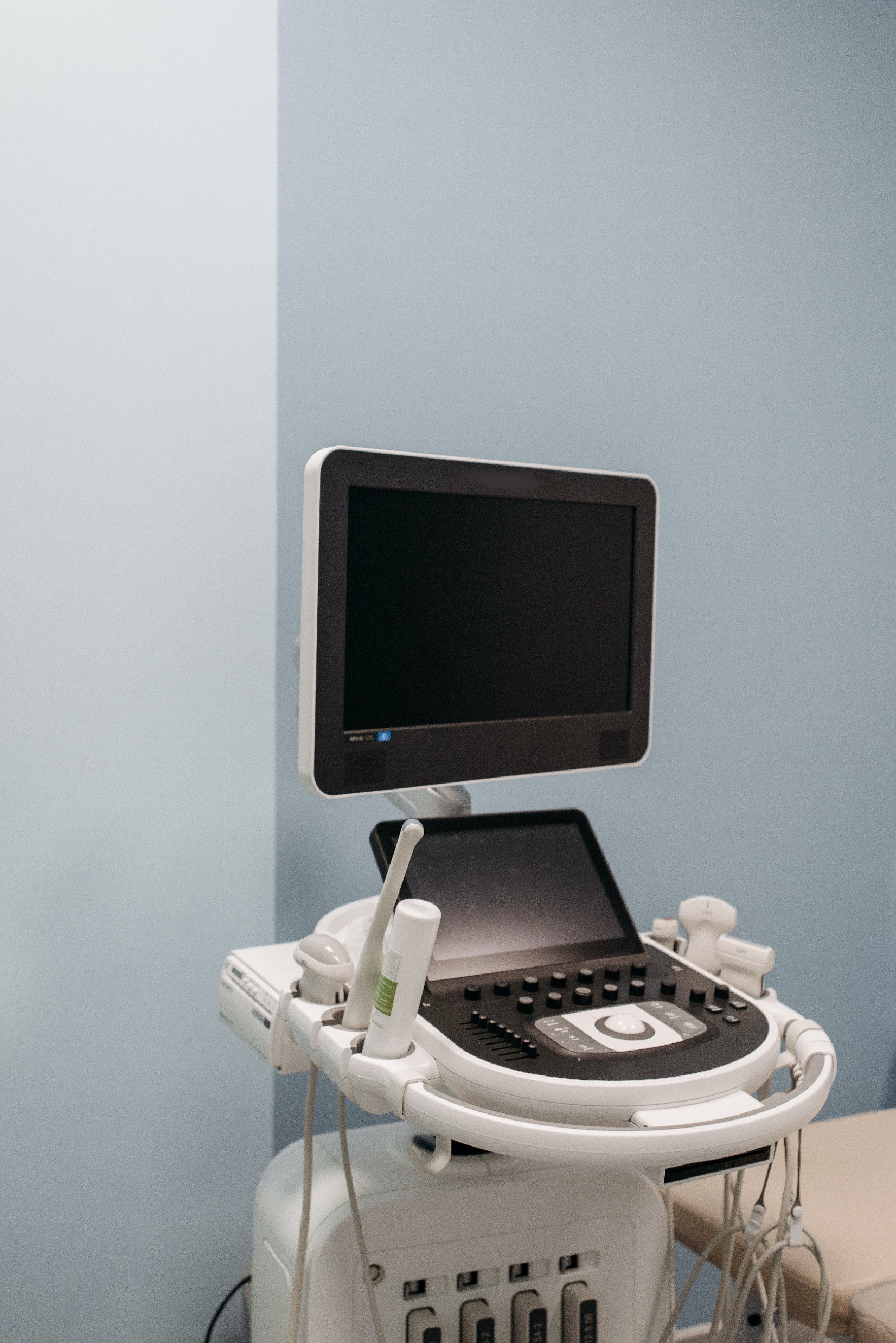
- eFAST
- RUSH: rapid ultrasound for shock and hypotension
Orthopedics trauma management
- Recovery from orthopedic trauma is done by stabilizing the injuries
- Early total care: definitive stabilization of all long bone fractures within 24 hours of injury if the patient is stable within that period
- Damage control surgery: immediate surgery that is required to save life and limb when patient is unable to undergo early total care, other procedures delayed until patient’s condition improved ; DCS include stabilization of unstable fractures (pelvis, femur, vertebrae) also includes decontamination of open wounds, amputation and decompression of limb compartments
- Patient should undergo as much of their surgery as is safe, as soon as they are physiologically able to cope with that surgery
Continue learning
Practice the topics covered in this lecture.