
Pharmacology
Valproic Acid Pharmacology: Mechanism of Action, Therapeutic Uses and Adverse Effects
Source presentation · 3 min read
Edits save on this browser. Download a copy for your records.
Antiepileptic drugs classification
| First generation (Classic) drugs | Second generation (newer) drugs |
|---|---|
| Phenytoin | Vigabatrin |
| Carbamazepine | Lamotrigine |
| Valproic acid | Topiramate |
| Ethosuximide | Levetiracetam |
| Phenobarbital | Gabapentin & pregabalin |
| Benzodiazepines | Tiagabine |
Overview
- Trade name: Depakene
- The greatest antiepileptic drug to be discovered because it treated most types of seizures
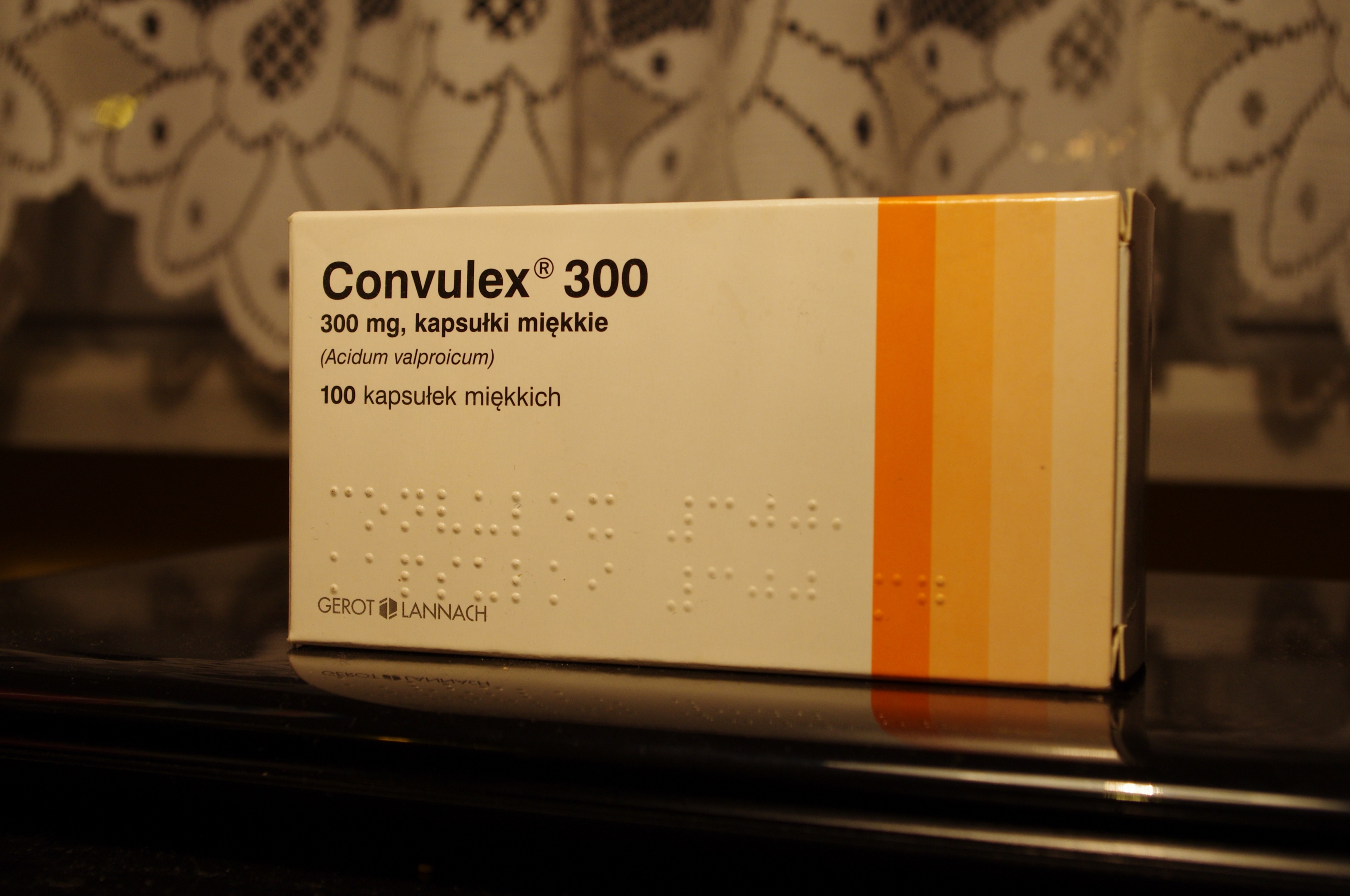
- Valproic acid commonly mixed with sodium valproate salt to improve GI tolerance of the medications and the result called divalproex sodium
- It was first made in 1881 and came into medical use in 1962 after it was discovered by accident that it has an antiepileptic effect
Mechanism of action
Valproate mechanism of action is not well understood but possible theory may include:
- Inhibition of voltage gated sodium channels
- Inhibition of GABA transaminase leading to less breakdown of GABA thus more neuronal inhibition
- Enhancement of GABA synthesis
- Modulation of T type Calcium channels
- Variety of mechanisms gives this medication a broad spectrum of activity against seizures
Therapeutic uses
- Broad spectrum antiepileptic drug work on most types of seizures
- It can be used for myoclonic, atonic, generalized onset tonic clonic seizures and absence seizures
- it is also effective in focal seizures but not as effective as carbamazepine or phenytoin
- IV formulations used for status epilepticus
- It is also used as a mood stabilizer for bipolar disorder
- It is used for migraine prophylaxis
- Diabetic neuropathy
- Schizophrenia
Adverse effects
- Some adverse effect usually occur at the beginning of valproate treatment and they include: nausea, vomiting, abdominal pain, heartburn, thrombocytopenia, tremor, insomnia, depression
- Weight gain, increase appetite and hair loss are common
It also may lead to severe adverse effects such as:
- Hepatotoxicity
- Steven Johnson syndrome
- Psychosis
- Anaphylaxis
- SIADH
- Pancreatitis
- Aplastic anemia
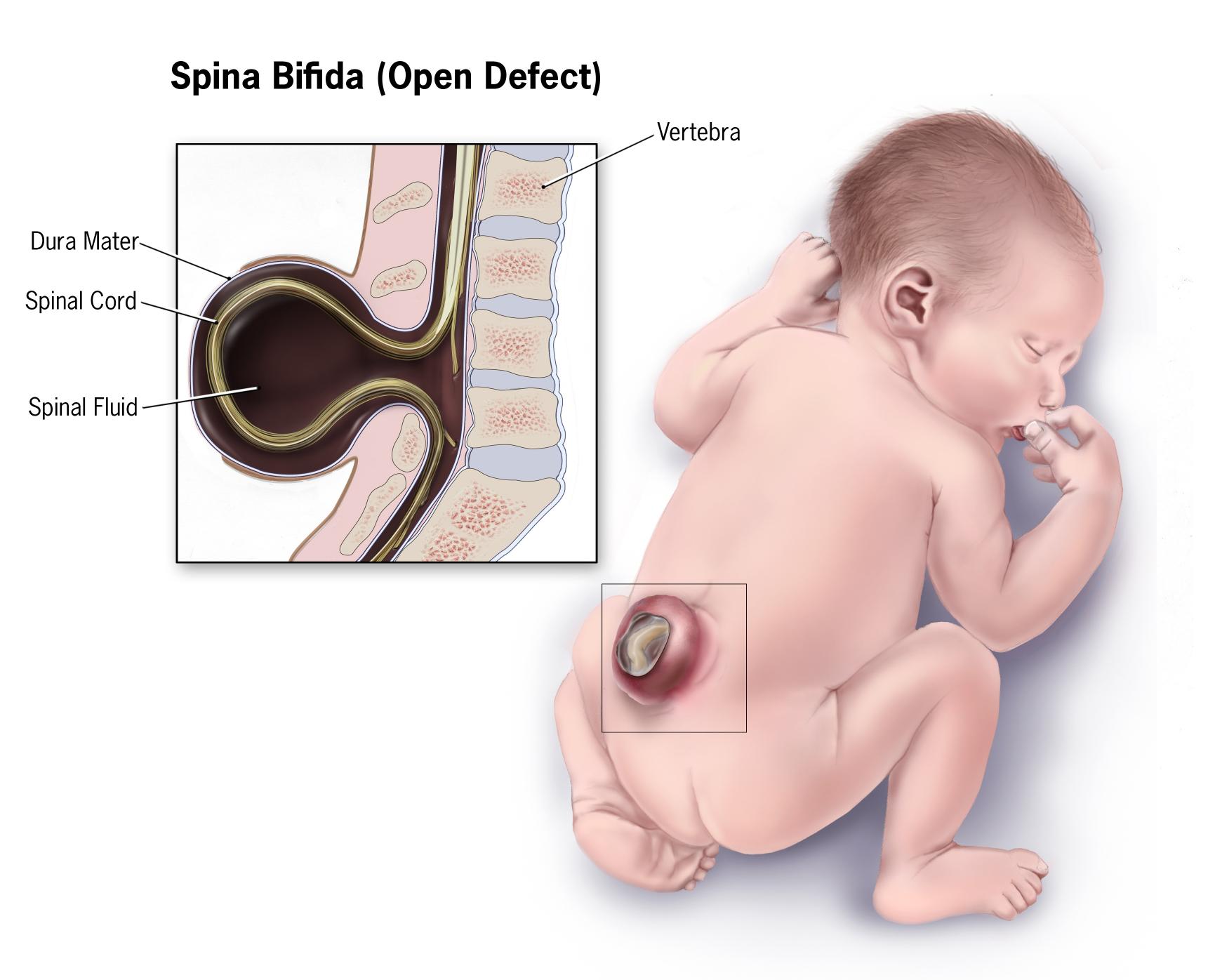
- Pregnancy: teratogenic lead to orofacial, cardiovascular anomalies and neural tube defects (spina bifida) and the risk for these anomalies are higher with valproate in comparison with other antiepileptics
Pharmacokinetics
- Available as oral and IV formulations
- Oral formula is well absorbed with 85 % bioavailability, food delays absorption but drug more tolerated if given after meals
- Distribution: valproate is highly bound to plasma proteins by 90%, Vd is 0.4 L/kg
- Valproate is extensively metabolized by the liver through oxidation, glucuronidation and conjugation
- Valproate is a weak inhibitor of CYP2C9, UGT, and epoxide hydrolase systems
- Valproate eliminated through urine and its Half life is between 10- 15 hours
Dosing
- Initially start with 15 mg/kg/day with slow titration, you can titrate up to 60 mg/kg/day depending on the response
- Therapeutic levels are between 50 – 150 mcg/ml
Drug Interactions
- Valproic acid inhibits the metabolism of phenobarbital and ethosuximide leading to higher levels of these medications, higher levels of phenobarbital may lead to coma and respiratory depression
- Valproic acid displaces phenytoin from plasma proteins and this may lead to phenytoin toxicity
- It also decrease the clearance of lamotrigine leading to prolongation of lamotrigine half life
Contraindications
- Significant hepatic impairment (baseline LFTs is mandatory to check for that)
- Hypersensitivity reactions to the drug
- Pregnancy
Valproic acid toxicity
- Acute valproate toxicity manifest as
- Central nervous system depression in form of drowsiness, confusion, ataxia, nystagmus, diplopia, dysarthria, tremor and coma
- Metabolic acidosis
- Hypernatremia
- Hypoglycemia
- Hyperammonemia
- Hepatotoxicity
- Pancreatitis
- Multiorgan failure
- Management
- Stop valproate
- Supportive care include fluid therapy, monitoring vital signs and maintaining airway patency
- Enhancement of elimination by hemodialysis is an option
Continue learning
Practice the topics covered in this lecture.