
Clinical medicine
Epilepsy Explained: Causes, ILAE Classification, Status Epilepticus & Anti Seizure Meds
Source presentation · 6 min read
Edits save on this browser. Download a copy for your records.
Seizure
- Seizure: is a paroxysmal event due to abnormal, excessive, hypersynchronous discharges from an aggregate of central nervous system neurons, and producing different symptoms
- Seizure a symptom, seizure mostly less than 3 minutes in duration
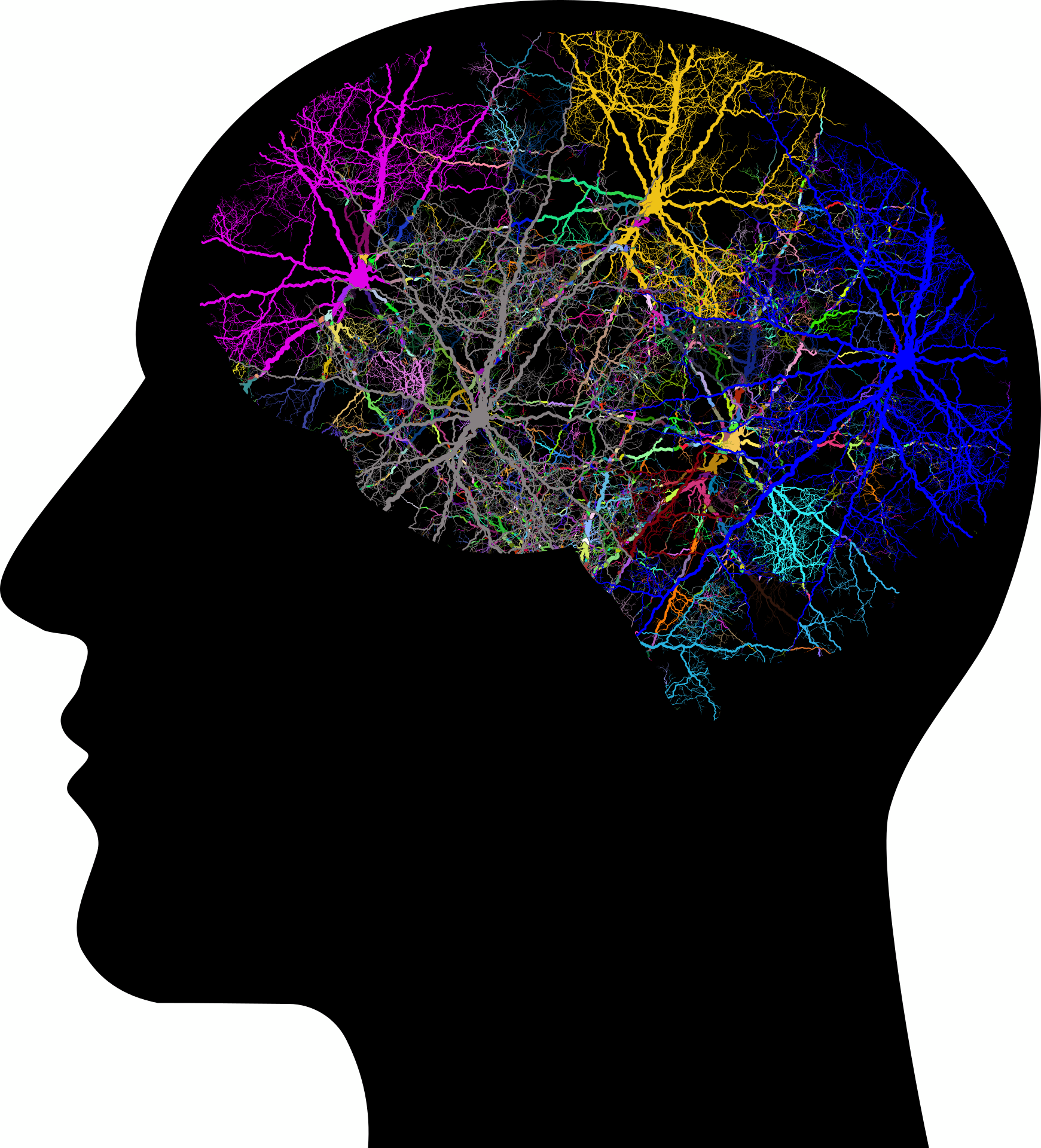
Epilepsy
Epilepsy is a disease of the brain defined by any of the following conditions:
- two or more recurrent seizures 24 hours apart, unprovoked, Unprovoked means that seizure occurs without a known or fixable cause
- One unprovoked or reflex seizure and a high probability for further seizures
- A diagnosis of an epilepsy syndrome

Causes of seizures and epilepsy
- Primary CNS disorders
- Genetic causes
- Cerebral dysgenesis
- Structural causes
- Head trauma
- Vascular: e.g. stroke, vascular malformations
- Brain tumors
- CNS infections: e.g. encephalitis, meningitis, HIV encephalopathy
- Unknown causes
- Systemic causes
- Hypoglycemia
- Hyponatremia
- Hyperosmolar states
- Hypocalcemia
- Uremia
- Hepatic encephalopathy
- Porphyria
- Drug toxicity
- Drug withdrawal
- Global cerebral ischemia in cardiac arrest
- Hypertensive encephalopathy
- Eclampsia
- Hyperthermia
Pathophysiology
- Any of the previously mentioned causes can affect the neurotransmitters in the brain and lead to seizure
Generally speaking we have inhibitory and excitatory neurotransmitters in the brain:
- GABA is inhibitory working on GABA receptors
- Glutamate and aspartate are excitatory working on NMDA receptors, when they bind to the receptor, they open sodium channels
- Normally, the excitatory and inhibitory neurotransmitters are balanced
- But if the balance is disrupted, seizure occurs
- Most types of seizures occur when there is either increase in glutamate and aspartate (increase excitation) or decrease in GABA (decrease inhibition) or sodium channels dysfunction and that may occur when any cause of seizure is present
- Increase excitation or decrease inhibition of CNS lead to synchronous discharge of progressively larger groups of neurons leading to a seizure
- To stop the seizure, we need to either decrease CNS excitation by antagonizing glutamate, aspartate or increase CNS inhibition by enhancing GABA or closing the sodium channels
- And these actions are done by antiepileptic drugs
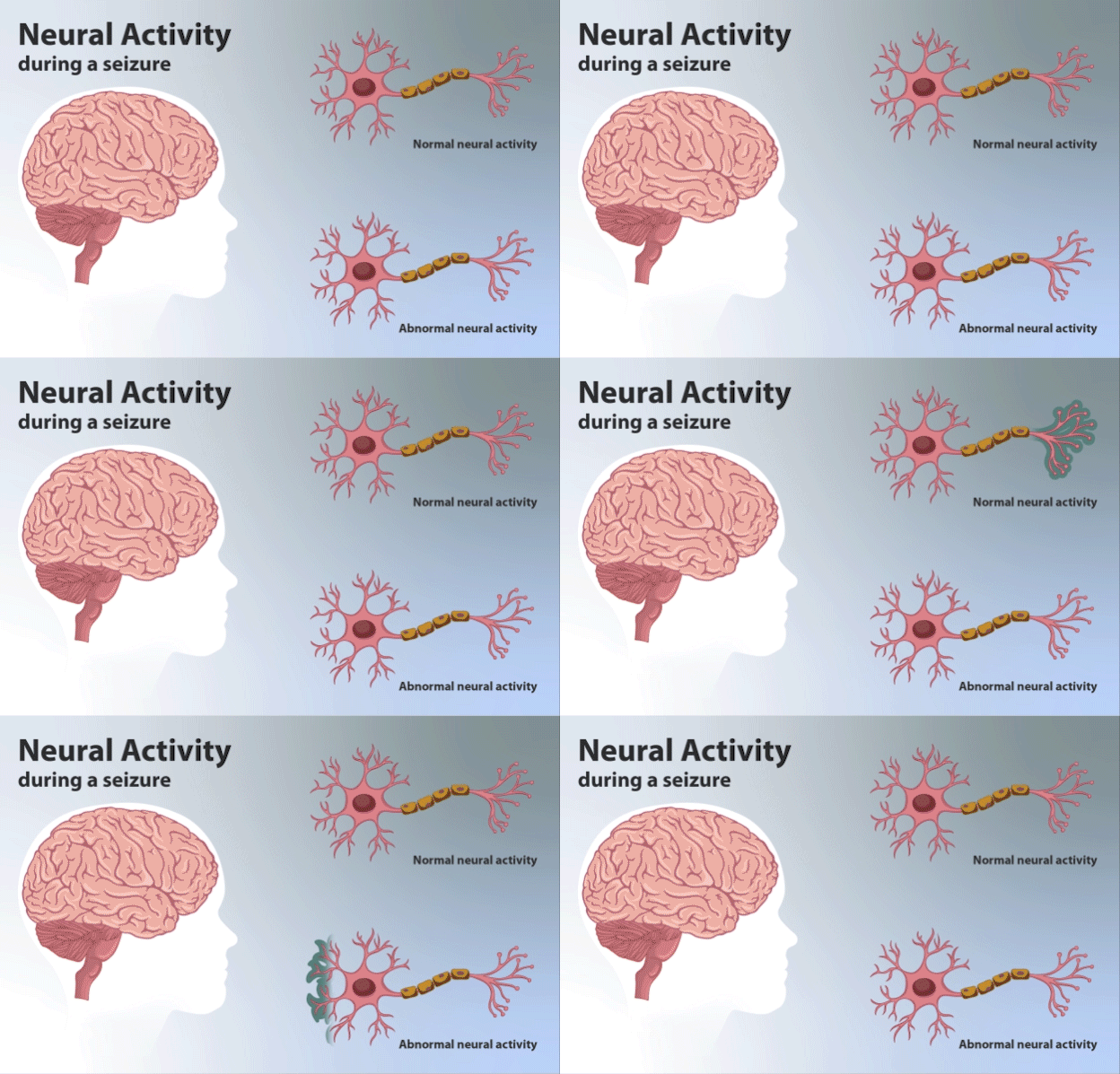
- Absence seizures have a little different of a pathophysiology
- Absence seizures are characterized by abnormal activation of T type calcium channels in the thalamic relay neurons
- T type Ca channels when activated, they cut off the relay neurons and get the body to sleep and that happen during the night only
- Some kids with absence seizures , their T type Ca channels get activated during the day which lead to short periods of unresponsiveness
- So treatment of these type of seizures is by blocking T type ca channels
ILAE 2017 Classification of Seizure Types
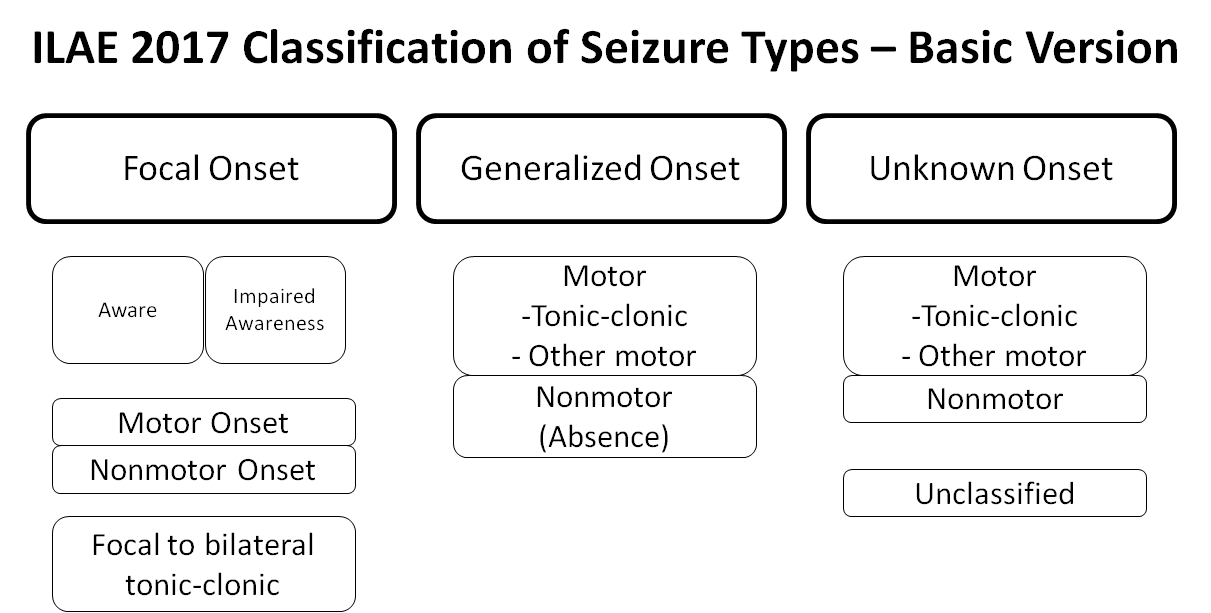
Focal onset seizures
- Previously called partial seizures
- it start in a network of cells on one hemisphere, usually temporal lobe 80%, or medial frontal lobe but it can originate anywhere
- Focal seizures could manifest as motor symptoms such as twitching, jerking (clonic), stiffening movements (tonic), also automatic movements such as licking lips, rubbing hands, walking and running; or they could manifest as non motor symptoms such as changes in sensation, emotions, thinking or experiences
- Focal seizures generally persist for < 3 minutes and bilateral propagation into tonic clonic seizures may occur
- We also mentioned that focal seizures are classified according awareness during the seizure into intact awareness (previous term is simple partial) and impaired awareness (previous term is complex partial)
- With focal seizures, there is always a possibility of them to propagate into bilateral tonic clonic (previous term is secondary generalization)
- I will put some links in the video description for videos of seizure examples
Generalized onset seizures
- Awareness is impaired in most types of generalized onset seizures so it is not used in the classification
- Generalized onset seizures are classified into motor (tonic clonic) and non motor (absence) seizures
Generalized onset seizures – tonic clonic
- Tonic clonic seizures (previous term is grand mal) include tonic phase, clonic phase and post ictal phase
- Tonic phase is stiffening and contraction of limb muscles for around 30 seconds, producing flexion first and then extension, tonic phase also include contraction of back and neck and respiratory muscles producing forced expiration (cry or moan) and cyanosis, it also include contraction of masticatory muscles which may cause tongue trauma, during this phase, patient fall to the ground and may get injured
- Clonic phase comes after tonic phase, clonic phase is characterized by jerking movements (alternating muscle contraction and relaxation), this phase persist for another 30-60 seconds or longer
- Respiration returns in this phase and cyanosis clears
- Salivation out of the mouth may occur and urinary sphincter relaxation or detrusor muscle contraction may occur leading to incontinence
- Post ictal phase: after seizure ends, there is postictal confusion and headache, this phase takes 10-30 min or longer
Generalized onset seizures – absence
- Non motor generalized onset seizures (absence seizures), previous term is petit mal
- Genetically transmitted, present through childhood period, rarely persist after
- Absence seizures are characterized by brief loss of consciousness 5-10 seconds without loss of postural tone
- Motor manifestations may associate the seizure such as eye blinking and head turning
- Full orientation is present immediately after seizure cessation
- Frequency of absence seizures is high, there might be several hundreds a day
- They are induced by hyperventilation
- Characteristic EEG pattern is 3 Hz spike wave activity
Other types of generalized onset seizures
- Tonic seizures
- Clonic seizures
- Myoclonic seizures: characterized by sudden, brief, shock like contractions that are localized to few muscles or one or two extremities
- Atonic seizures: characterized by loss of postural tone
Status epilepticus
- Seizure lasting longer than 5 minutes
- This need emergency treatment, else it may lead to irreversible brain damage and even death
- Incidence is around 50 per 100 000 seizures
Diagnosis
- Clinical: history and physical examination
- Serological tests: CBC (looking for infection), electrolytes, glucose, LFT and RFT
- Lumbar puncture if meningitis is suspected
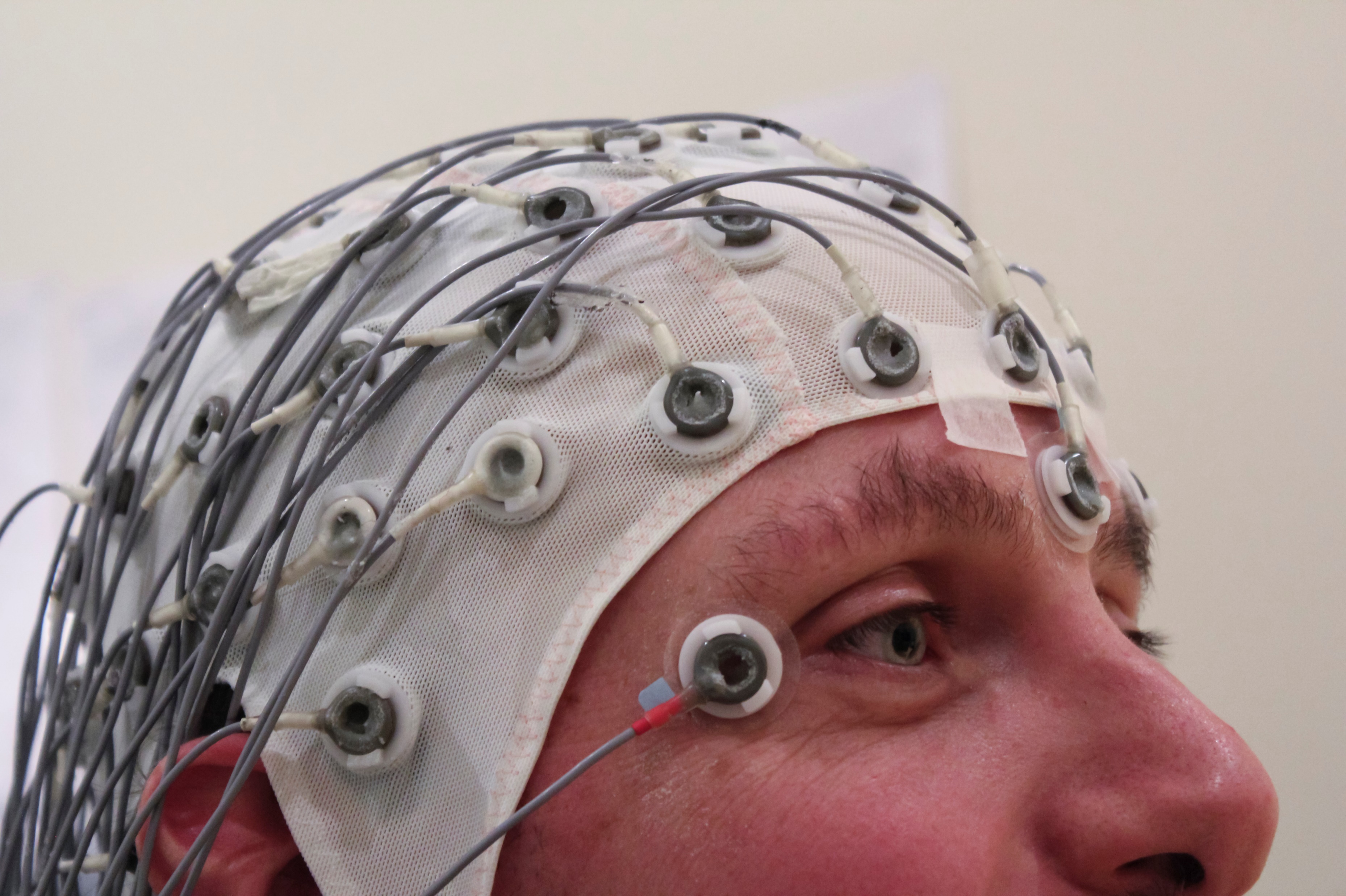
- EEG
- CT or MRI brain
- PET or SPECT maybe needed
Treatment
- Treatment is with antiepileptic drugs
- Surgery might be an option if antiepileptics fail
- Ketogenic diet
- Vagal nerve stimulation
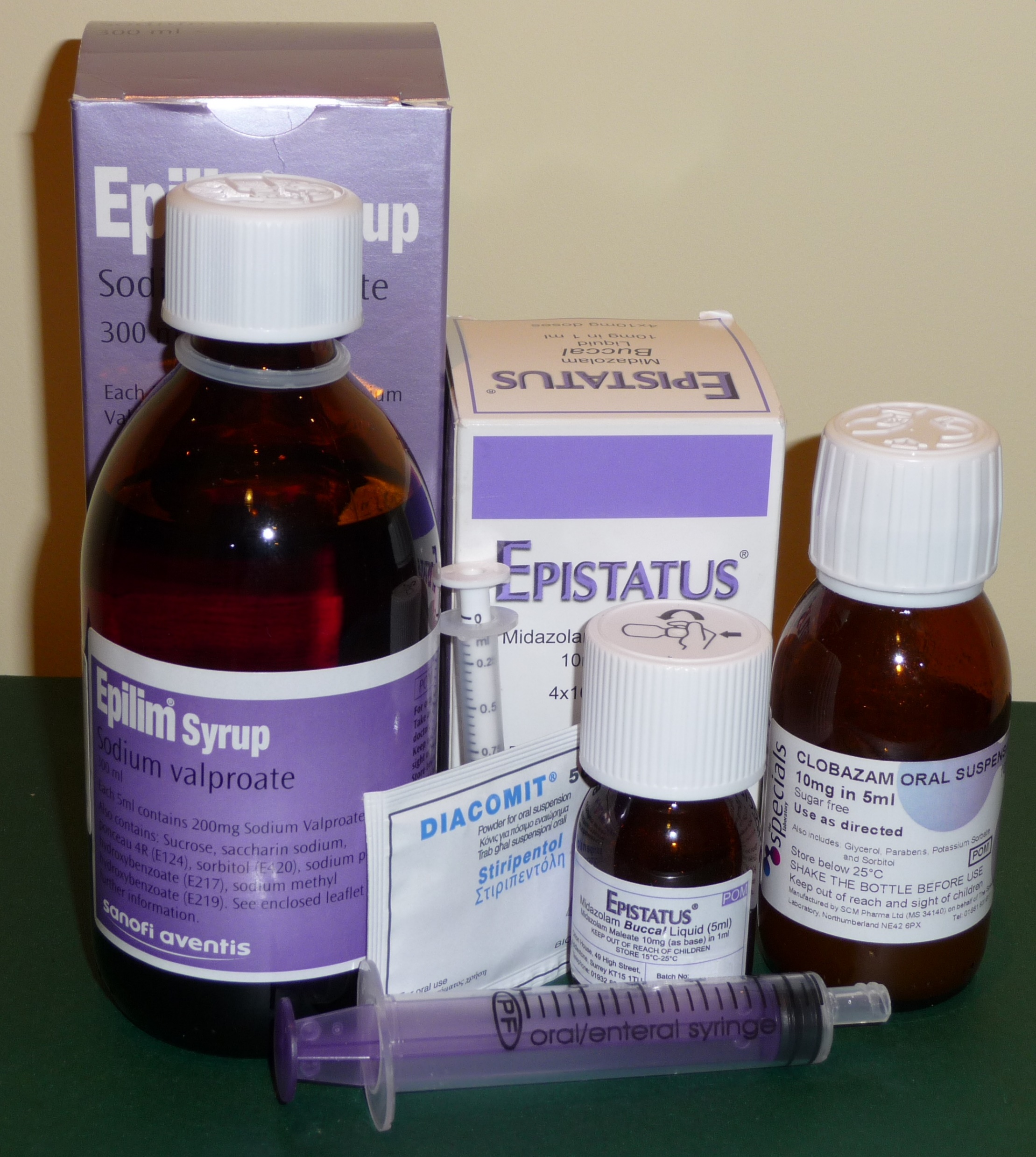
Antiepileptic drugs classification
| First generation (Classic) drugs | Second generation (newer) drugs |
|---|---|
| Phenytoin | Vigabatrin |
| Carbamazepine | Lamotrigine |
| Valproic acid | Topiramate |
| Ethosuximide | Levetiracetam |
| Phenobarbital | Gabapentin & pregabalin |
| Benzodiazepines | Tiagabine |
Continue learning
Practice the topics covered in this lecture.