
Pharmacology
Novalgin Pharmacology: Mechanism of Action, Therapeutic Uses & Adverse Effects
Source presentation · 2 min read
Edits save on this browser. Download a copy for your records.
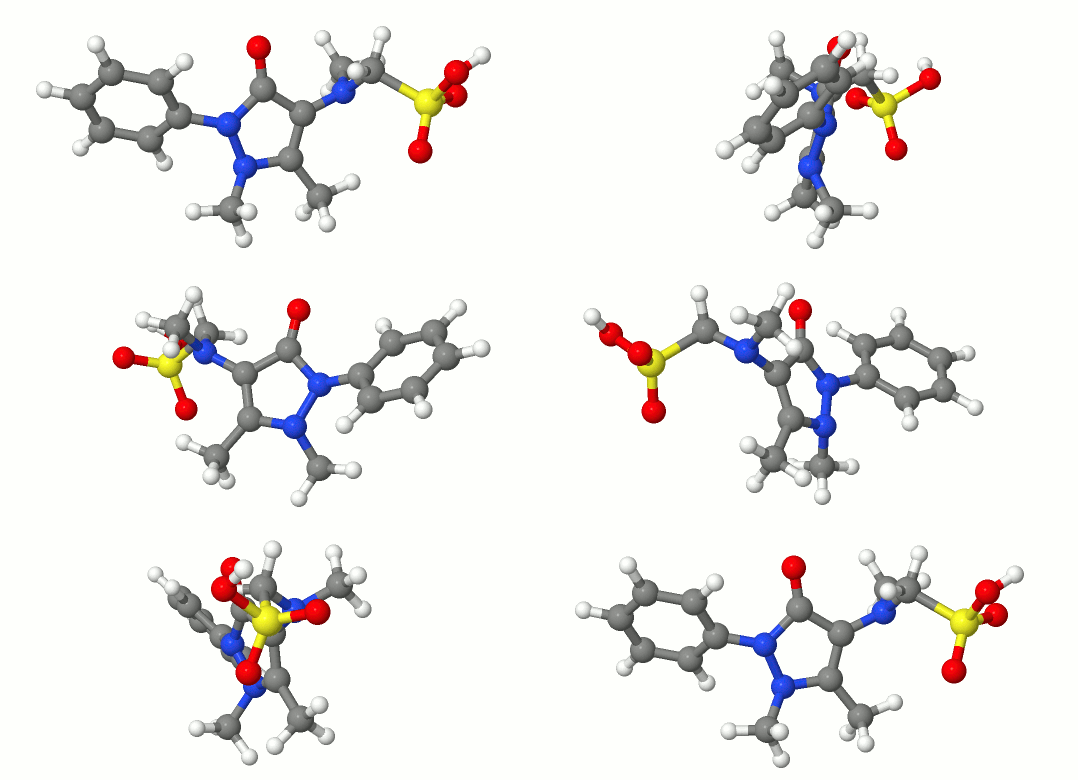
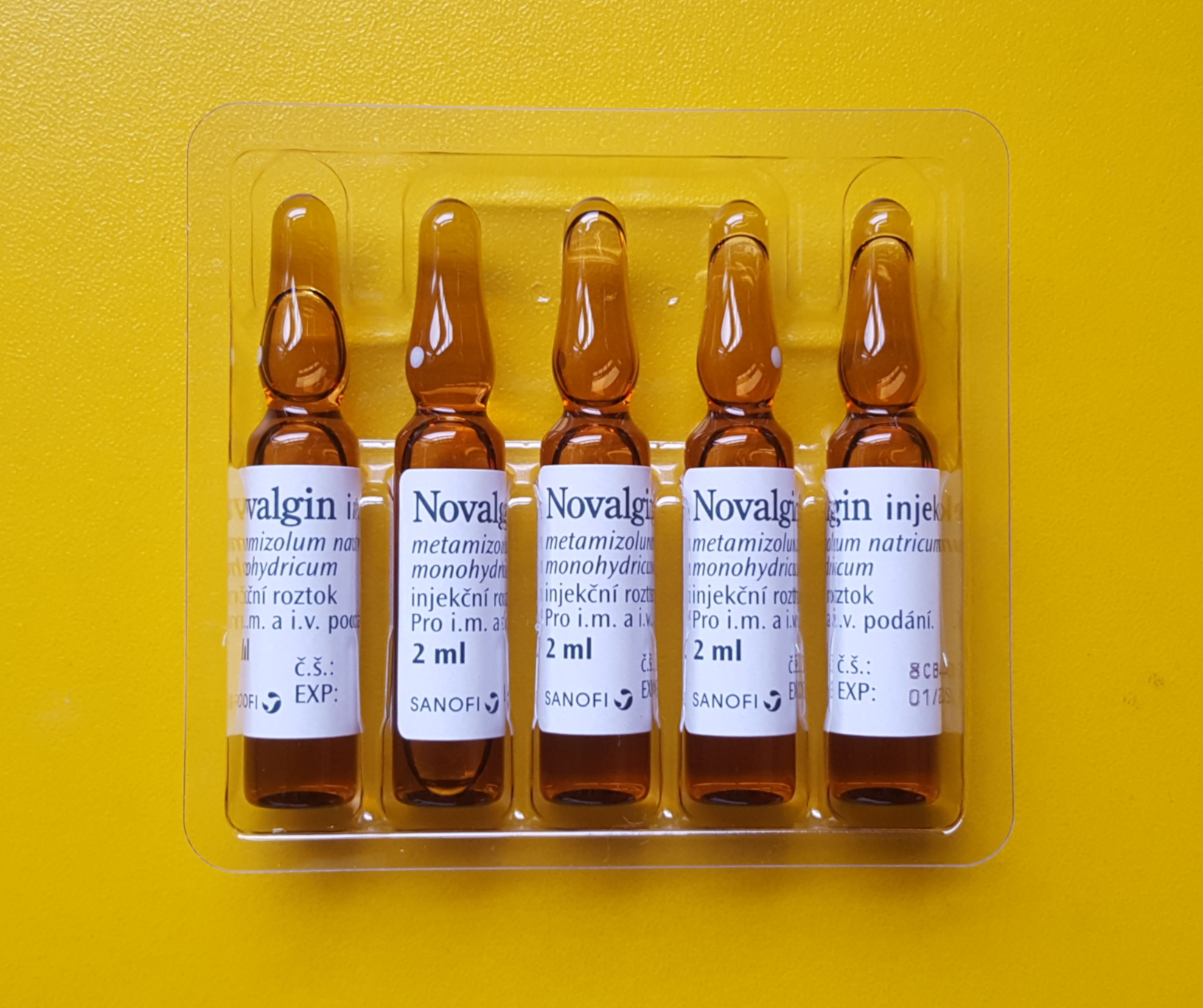
Metamizole (Novalgin)
Classification of analgesics
- Opioid analgesics
- NSAIDs
- Analgesics antipyretics drugs: e.g. paracetamol, Novalgine and nefopam
- Non analgesic drugs that work as analgesics for some conditions: e.g. carbamazepine (antiepileptic drug) used for trigeminal neuralgia, duloxetine (anti depressant) used for diabetic neuropathy
Overview
- Scientific name is metamizole or dipyrone, trade name is Novalgin
- it is an analgesic, antispasmodic and antipyretic medication
- It was first synthesized in 1922 in Germany
- Novalgin is banned in some countries due to studies suggesting severe drug adverse effects such as agranulocytosis
Pharmacokinetics
- It is available in oral, IM and IV formulations
- Oral formula is well absorbed with 100% bioavailability
- Metabolized by liver and excreted in urine and feces
- Elimination half life is 14 minutes for parent compound and 2-4 hours for its metabolites (active metabolites)
Mechanism of action
- MOA is unknown, theory: it work by inhibiting brain and spinal cord prostaglandins to relieve pain and fever, it also work as antispasmodic
Therapeutic uses
- It is used as analgesic for moderate to severe pain, e.g. peri and post operative pain, colic, cancer pain and trauma related pain
- it has more potent analgesia than aspirin but it has no anti inflammatory action
Adverse effects
- Agranulocytosis and aplastic anemia (bone marrow suppression)
- Compared to NSAIDS, Novalgin causes less kidney, CVS and GIT side effects
- It may trigger bronchospasm or anaphylaxis (especially in asthma)
- It also trigger another hypersensitivity reactions like toxic epidermal necrolysis because it is chemically related to sulfonamides
Contraindications
- Previous hypersensitivity reactions to the same drug or to sulfonamides
- Impaired hematopoiesis (e.g. during chemotherapy)
- Third trimester of pregnancy and lactation
- Children with body weight less than 16 kg
Continue learning
Practice the topics covered in this lecture.