
Pharmacology
Carbamazepine Pharmacology: Mechanism of Action, Therapeutic Uses and Adverse Effects
Source presentation · 3 min read
Edits save on this browser. Download a copy for your records.
Antiepileptic drugs classification
| First generation (Classic) drugs | Second generation (newer) drugs |
|---|---|
| Phenytoin | Vigabatrin |
| Carbamazepine | Lamotrigine |
| Valproic acid | Topiramate |
| Ethosuximide | Levetiracetam |
| Phenobarbital | Gabapentin & pregabalin |
| Benzodiazepines | Tiagabine |
Overview
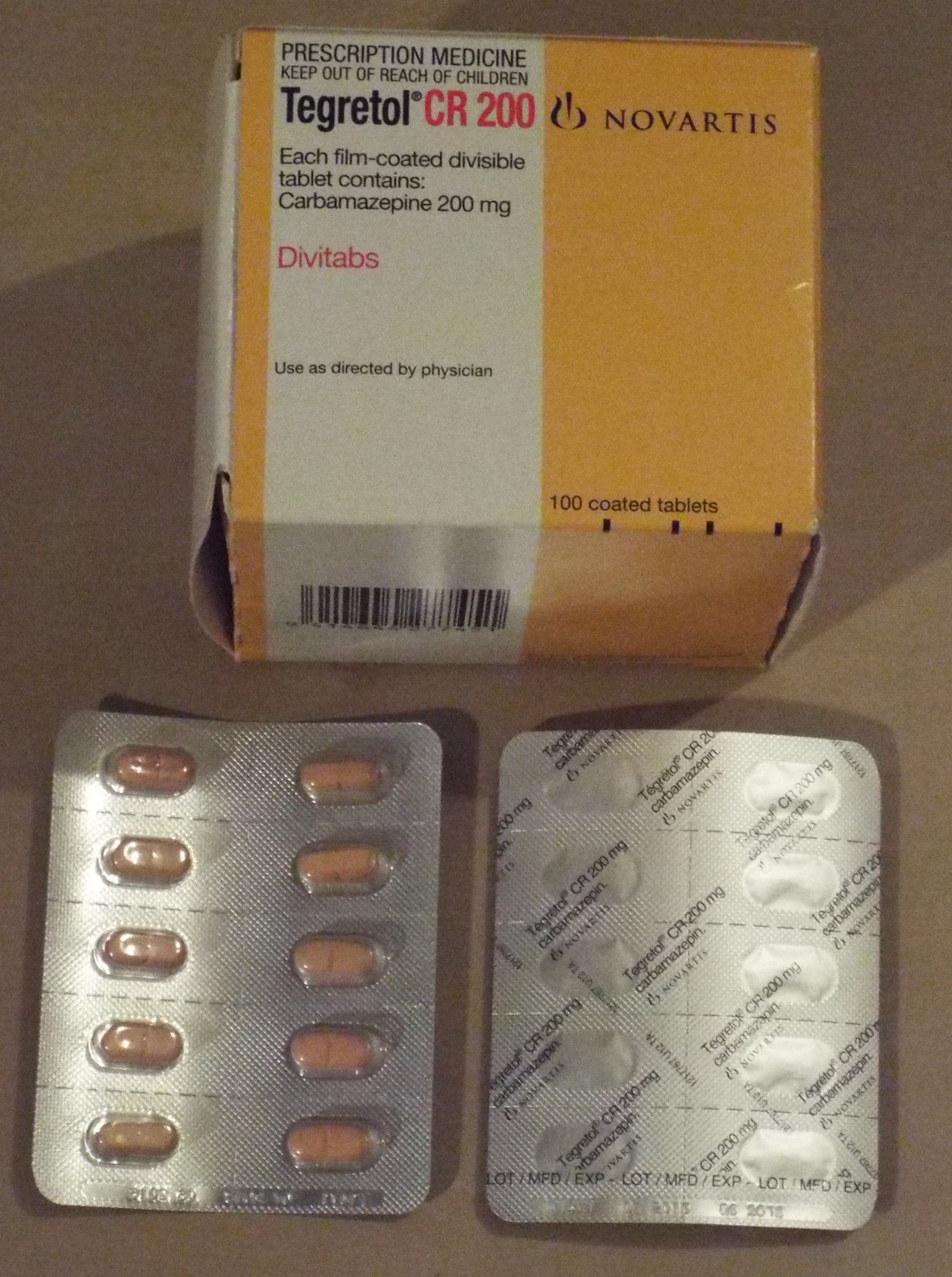
- Trade name: Tegretol
- Carbamazepine is one of the most commonly used antiepileptic drugs
- It was discovered in 1953 by the swiss chemist Walter Schindler
Mechanism of action
- Blocks voltage gated Na+ channels in the brain leading to inhibition of the generation of repetitive action potentials that lead to seizures
Therapeutic uses
- Carbamazepine used in treatment of focal onset seizures of most types and generalized onset tonic clonic seizures
- It can exacerbate absence and myoclonic seizures
- It is effective in treatment of Trigeminal and glossopharyngeal neuralgia
- It is also used as a mood stabilizer in treatment of bipolar disorder
- It is used off label for refractory schizophrenia and it improves both positive and negative symptoms in schizophrenia, also used off label in treatment of neuropathic pain and fibromyalgia
Adverse effects
- Mild gastrointestinal discomfort
- Mild maculopapular Rash, if appeared then drug should be stopped
- SJS is rare, Asians are more susceptible to SJS due to presence of HLA-B*1502 allele which is highly associated with SJS

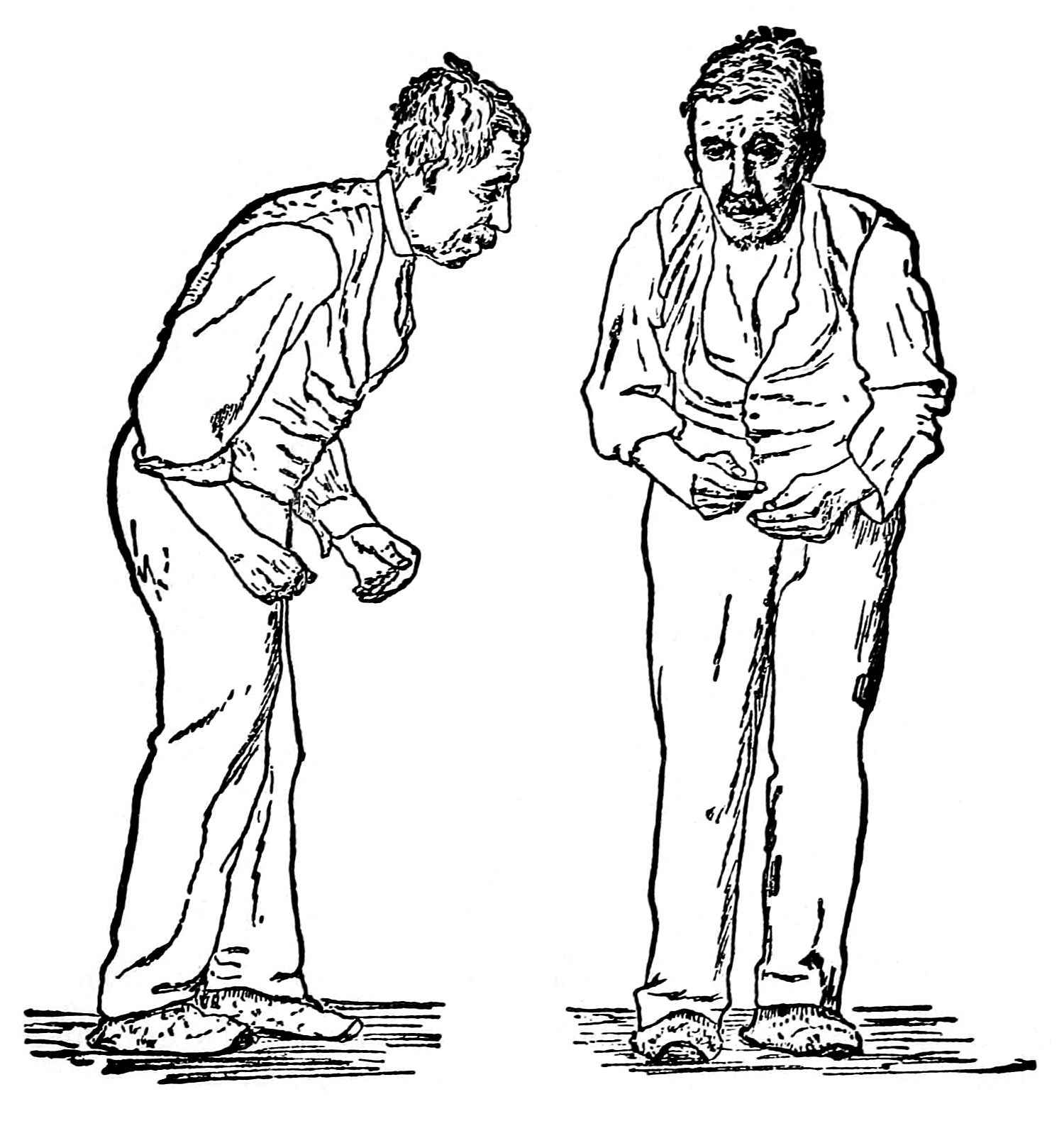
- CNS: diplopia which occur firstly in comparison with other CNS symptoms caused by this medication

- CNS: nystagmus

- CNS: ataxia
- Liver: microsomal enzyme induction (more on that later)
Blood:
- Megaloblastic anemia (due to increase folic acid metabolism)
- Benign leukopenia
- Rarely it may cause agranulocytosis and aplastic anemia (baseline CBC is recommended)
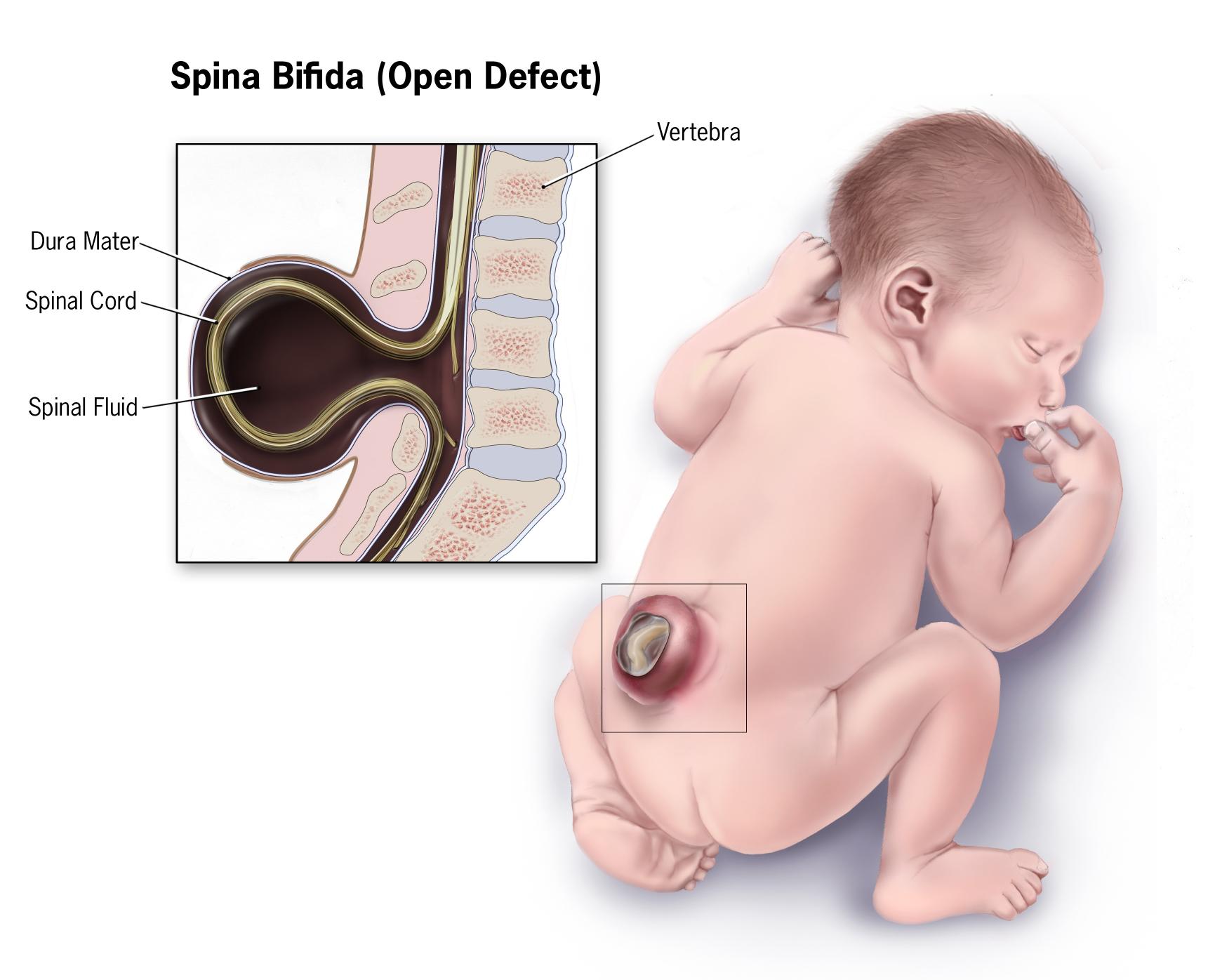
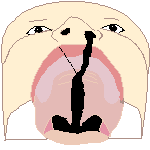
- Pregnancy: teratogenic lead to neural tube defects (spina bifida) and craniofacial anomalies (e.g. cleft palate), risk is lower in comparison with phenytoin or valproic acid
- Increase ADH secretion: hyponatremia and edema
Pharmacokinetics
- Carbamazepine available in oral, and intravenous formulations
- Well absorbed with almost 100% bioavailability
- Distribution is slow, Vd is around 1 L/kg, and plasma protein binding is 70%
- Carbamazepine is metabolized in the liver mainly by CYP3A4
- Carbamazepine is a CYP enzyme inducer, specifically CYP3A4 and CYP2B6 and this increase rate of metabolism of other antiepileptic drugs including primidone, phenytoin , ethosuximide, valproic acid and clonazepam and other drugs
- Carbamazepine Induces its own metabolism (autoinduction) resulting in lower blood concentrations at higher doses
- Its half life is around 36 hours
- Excreted through urine
Contraindications
- Bone marrow suppression
- Hypersensitivity to it or to tricyclic antidepressants (e.g. amitriptyline)
Carbamazepine toxicity
- Doses higher than 24 grams in adults are fatal
- Toxicity appears after 2 hours of intake and present as impaired consciousness which progresses to coma, also tremor, athetoid movements, dizziness, mydriasis and nystagmus
- With higher doses cardiac symptoms appear like ECG changes, tachycardia and shock
Continue learning
Practice the topics covered in this lecture.