
Clinical medicine
Hepatic Encephalopathy: Pathophysiology, Clinical Features, Diagnosis & Treatment
Source presentation · 6 min read
Edits save on this browser. Download a copy for your records.
Hepatic encephalopathy
- Hepatic encephalopathy is a syndrome of disordered consciousness and neuromuscular abnormalities resulting from the buildup of neurotoxic substances in the bloodstream (e.g. ammonia) which affect the brain function
- It commonly affects patients with chronic liver disease, but sometimes it may develop in patients without prior liver conditions who develop acute liver failure
- Because liver function is to detoxify the blood coming from intestine, and once the liver is ill, toxins pass into the systemic circulation
Causes
- Chronic liver disease or acute fulminant liver failure => liver cannot detoxify toxins coming from intestine into systemic circulation => toxins reaching the brain => hepatic encephalopathy
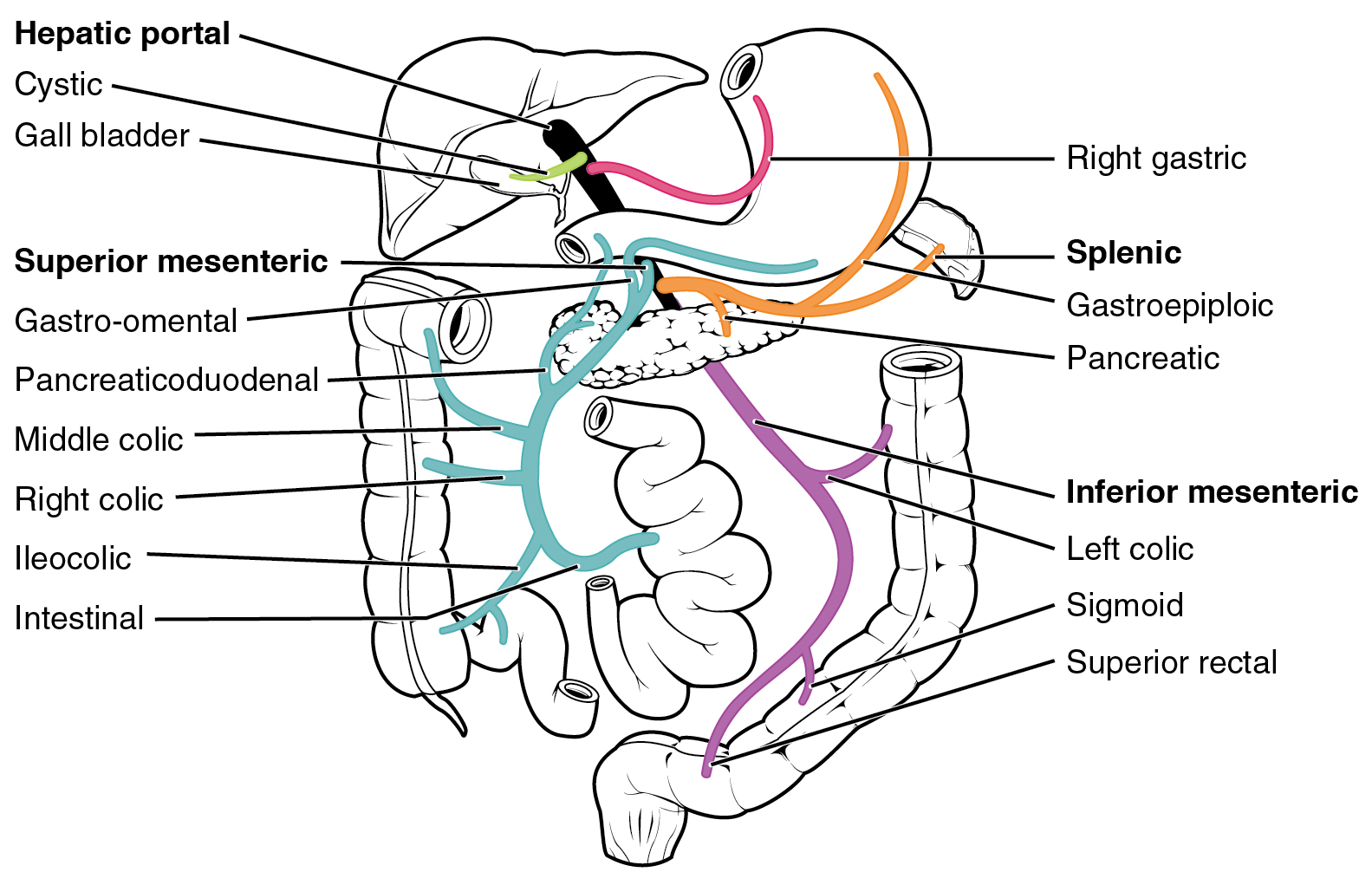
- Redirection of blood flow away from the liver (portosystemic shunting) e.g. TIPS and spontaneous shunts=> toxins are bypassing the liver into the systemic circulation => toxins reaching the brain => hepatic encephalopathy ; Hepatic encephalopathy occur in up to 50% of patients undergone TIPS procedure
- Spontaneous portosystemic shunts occur when fetal shunt pathways between the portal and systemic circulation open due to high blood pressure inside the portal veins in diseases such as cirrhosis, eventually the systemic shunt increases in volume and poral circulation declines
Pathophysiology
- Intestinal bacteria and digestive enzymes breakdown dietary proteins, releasing ammonia within the GI tract. The produced ammonia get absorbed into the venous circulation and to the portal vein into the liver
- In the normal liver, ammonia is converted to urea via the urea cycle and excreted through the kidneys
- In cases of liver failure or systemic shunts, ammonia can accumulate and get diverted to the systemic circulation leading to hyperammonemia
- Ammonia is neurotoxic substance and it can cross the BBB
- Ammonia impairs excitatory neurotransmission leading to disruption of neuronal function and encephalopathy
- Also ammonia will be converted to glutamine in the brain which act as osmolyte causing increase in cerebral volume and brain edema; risk of cerebral edema is really high when arterial ammonia levels surpass 200 micromole/ L; those levels are reached in fulminant acute liver failure more than chronic liver failure
Important note
- If hepatic encephalopathy occur in patients with chronic liver disease, then it is potentially reversible and treatable while if it occurs in patients with acute liver failure then this lead to rapid increase in blood ammonia levels which is difficult to control and result in widespread brain edema and structural brain injuries and those might be irreversible
Clinical features
- Hepatic encephalopathy is characterized by appearance of neurocognitive and neuromuscular manifestations
- Neurocognitive manifestations include reduced awareness of one’s surrounding and stimuli, accompanied by behaviors such as yawning sleeping for short period of times, insomnia or hypersomnia, as the condition progresses, patients develop increased levels of confusion, lethargy, and personality changes
- neurocognitive manifestations are variable and precede neuromuscular manifestations
- Neuromuscular manifestations include bradykinesia, asterixis, slurred speech, ataxia, hyperactive deep tendon reflexes and nystagmus; in later stages, patient may experience jactitation (twitching of a limb or muscle) , and positive Babinski sign
- Less frequently patient may develop areflexia, transient decerebrate posturing and coma
- Some patients develop focal neurological deficit despite negative CT or MRI brain scan
- If hepatic encephalopathy developed in patient with chronic liver disease, then other clinical features related to chronic liver disease might be present: muscle wasting, jaundice, ascites, palmar erythema, edema, spider telangiectasias and fetor hepaticus
- But if hepatic encephalopathy developed in patient with fulminant hepatitis without a history of chronic liver disease then some of these findings such as muscle wasting, spider telangiectasias and palmar erythema are absent
Diagnosis
- To diagnose hepatic encephalopathy, liver disease should be confirmed through LFTs, radiologic imaging or liver biopsy and there should be clinical features of hepatic encephalopathy present
- It is also important to exclude etiologies that mimic hepatic encephalopathy including intracranial lesions, stroke, post seizure encephalopathy, CNS infections or toxic encephalopathy from other toxins such as lead and pesticides
- Ammonia level: elevated ammonia levels in arterial or venous blood is not sufficient for diagnosing hepatic encephalopathy, clinical features are more important
- LFTs: abnormal due to acute or chronic liver disease, manifest as elevated bilirubin, elevated ALT, AST, elevated INR and decreased albumin
- Electrolytes disturbances: such as hyponatremia or hypokalemia due to hepatic dysfunction or use of diuretics
- EEG: abnormal findings would be present but not specific to hepatic encephalopathy
- Imaging tests: such as CT or MRI and utilized to exclude differential diagnoses such as intracranial lesions, stroke or hemorrhage; CT scan may show generalized or localized cerebral edema in hepatic encephalopathy (MRI is superior in showing this change)
Treatment
- Treatment includes supportive therapy and ammonia lowering therapy
- Supportive therapy includes:
- Supporting nutrition
- Avoiding dehydration
- Avoiding electrolyte abnormalities
- Providing safe environment and preventing accidents and falls
Ammonia lowering therapy includes:
- Lactulose/ lactitol
- Rifaximin
- Initiating ammonia lowering therapy is based on clinical signs of hepatic encephalopathy and it is not related to ammonia levels because ammonia levels are not elevated all the time in hepatic encephalopathy patients
Nutritional support
- Proteins should not be restricted for these patients and it should be maintained at around 1.2 to 1.5 g/kg/ day
- Caloric intake should be around 35 to 40 kcal/kg/day
- Consumption of small meals throughout the day and prevent fasting because fasting lead to increased ammonia production
Safe environment
- Hepatic encephalopathy patients maybe agitated and pose risk to themselves and to caregivers
- It is crucial not to use sedative medications such as benzodiazepines in treatment of agitation because they exacerbate encephalopathy
Hepatic encephalopathy triggers in chronic liver disease patients, those include
- Renal failure
- GI bleeding (e.g. from esophageal varices)
- Constipation
- Infections (e.g. spontaneous bacterial peritonitis or UTI)
- Medications noncompliance
- Excessive dietary protein intake
- Dehydration (due to factors like fluid restriction, diuretics, diarrhea, vomiting or excessive paracentesis
- Electrolyte imbalances (e.g. hypokalemia or hypoglycemia)
- Alcohol consumption
- The use of sedatives or analgesics
Lactulose
- Lactulose breakdown in the GIT lead to acidic PH which facilitates conversion of ammonia NH3 into ammonium NH4+
- Ammonium NH4+ would not diffuse to bloodstream as much as ammonia NH3 diffuses due to its charge; also it can’t cross BBB for the same reason
- By this mechanism, it work to lower blood ammonia
Rifaximin
- It is an antibiotic that is poorly absorbed in the GIT
- It work by eliminating bacteria that produce ammonia in the GIT => lower ammonia levels
- It is considered for patient not responding to lactulose
Liver transplantation
- Liver transplantation is the definitive treatment for hepatic encephalopathy in chronic liver disease patients
Complications
- Seizures
- Residual cognitive impairment in patients who improve
- Cerebral edema, seizures and brain herniation in patients with acute fulminant liver failure
Continue learning
Practice the topics covered in this lecture.