
Pharmacology
Anti Leukotrienes (Montelukast, Zafirlukast & Zileuton): Mechanism of Action & Therapeutic Uses
Source presentation · 3 min read
Edits save on this browser. Download a copy for your records.
In This Video
- Anti Leukotrienes include Leukotriene receptor antagonists and Leukotriene synthesis inhibitors
- Mechanism of action
- Pharmacokinetics
- Therapeutic uses
- Adverse effects
- Drug interactions
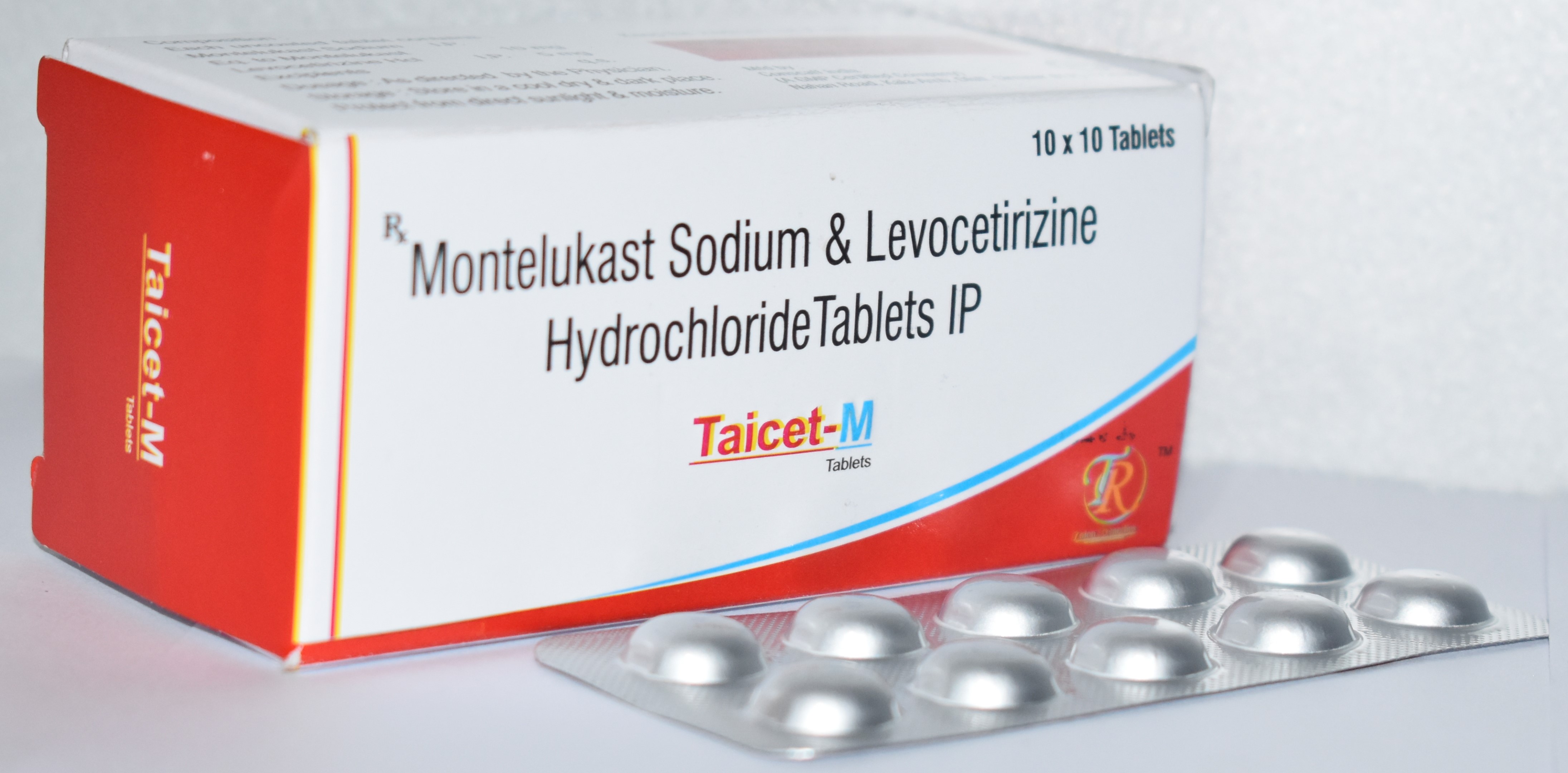
Agents
- Leukotriene receptors antagonists
- Montelukast
- Zafirlukast
- Leukotriene synthesis inhibitors
- Zileuton
Mechanism of action
- Inside many inflammatory cells, Leukotrienes are synthesized from Arachidonic acid by the action of the Lipoxygenase enzyme
- Leukotrienes are powerful bronchoconstrictors, they also lead to increase vascular permeability (edema), mucus secretion and inflammation; and they are highly expressed in asthma
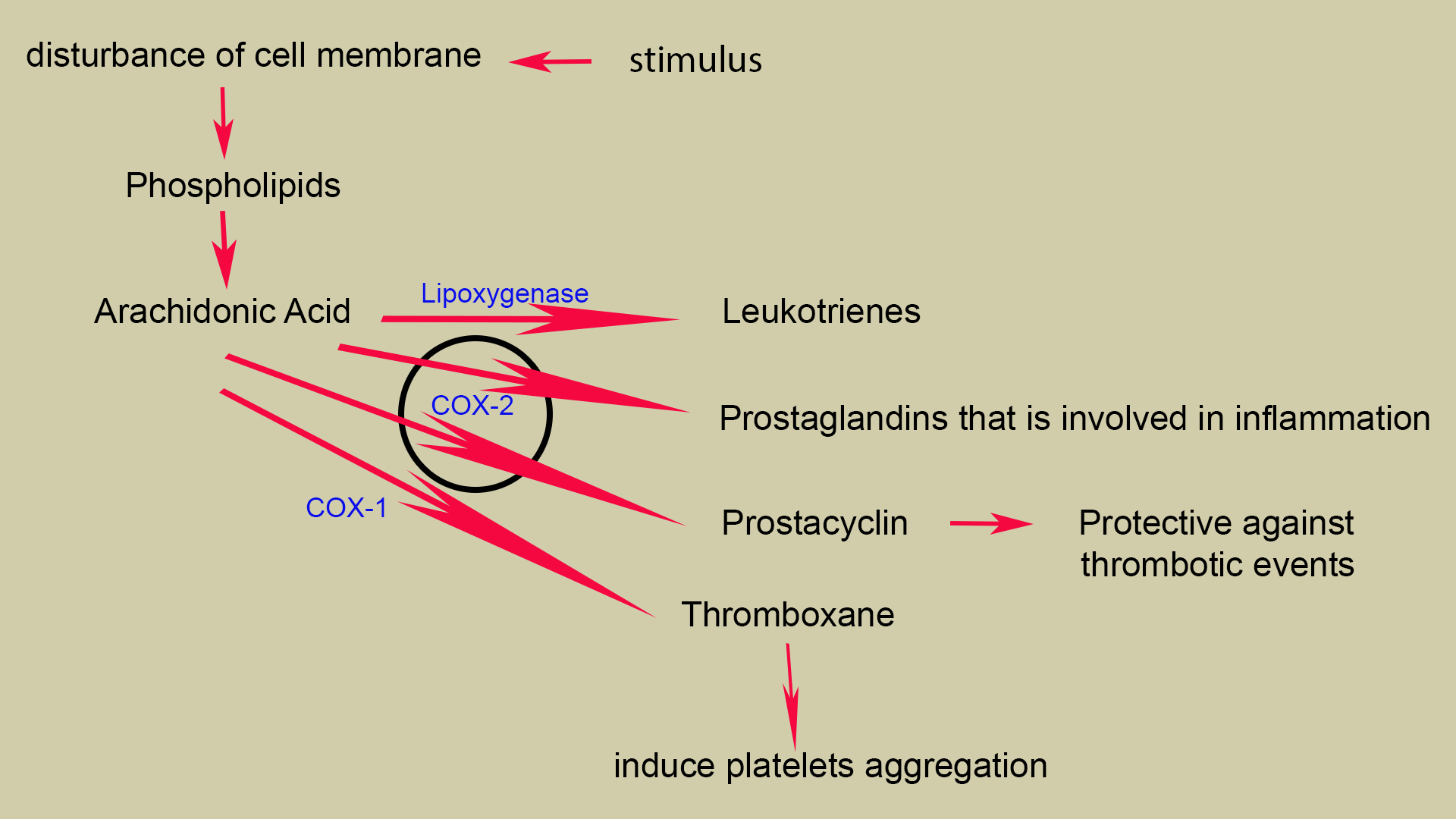
- Montelukast and Zafirlukast work by antagonizing the leukotrienes Cys-LT1 receptors => less bronchoconstriction
- Zileuton works by inhibiting the 5-lipoxygenase enzyme => less leukotrienes => less bronchoconstriction
Pharmacokinetics
- All of these medications are available as oral formula only
- Montelukast and Zileuton has very good absorption even with food while Zafirlukast has to be taken on an empty stomach
- Those are taken as once or twice daily doses
Therapeutic uses
- Montelukast is used in prophylaxis and treatment of chronic asthma in patients of all ages while Zafirlukast indicated in prophylaxis and treatment of chronic asthma in children aged 5 and older and adults; and Zileuton is used in prophylaxis and treatment of chronic asthma in patients aged 12 and older
Montelukast is preferred over corticosteroids in prophylaxis and treatment of asthma in children because:
- Corticosteroids may cause growth retardation in children
- In clinical trials, leukotriene receptor antagonists reduced frequency of asthma exacerbations as equal as corticosteroids did
- Montelukast is used in prevention of exercise induced bronchospasm
- Montelukast is used in the relief of symptoms of allergic rhinitis as a second line (the first line for moderate/severe allergic rhinitis is intranasal glucocorticoids)
- Zafirlukast off label uses include allergic rhinitis and prophylaxis against exercise induced bronchospasm
- Zileuton is used off label in treatment of aspirin induced asthma, COPD, acne, pruritus in Sjogren Larsson syndrome and atopic dermatitis
- All of these medications have no role in treatment of acute severe asthma
Adverse effects
- All of these medications are well tolerated, but Zafirlukast is better tolerated than Montelukast and Zileuton; all may lead to headaches, nausea, abdominal pain, diarrhea, fatigue and upper respiratory tract infection.
- Montelukast and Zileuton may lead to neuropsychiatric disorder (including depression, aggression, suicidal ideation, insomnia, anxiety and nightmares), allergic granulomatous angiitis and immune system disorders
- Zafirlukast and Zileuton may lead to elevation of liver enzymes, acute hepatitis and hyperbilirubinemia
- In case of Zileuton, LFTs has to be ordered before starting treatment and it should be monitored
- Symptoms of hepatotoxicity include abdominal pain, edema, pruritus and yellowish discoloration of the skin and mucus membranes
Contraindications
- All of these medications are contraindicated in case of hypersensitivity reactions
- Zafirlukast and Zileuton are contraindicated in hepatic impairment
Drug interactions
- Zileuton is microsomal enzyme inhibitor and can inhibit the metabolism of many drugs e.g. warfarin and theophylline
Continue learning
Practice the topics covered in this lecture.