
Clinical medicine
Bag Valve Mask Ventilation (BVM): steps to do it, Difficult BVM, Indications and Complications
Source presentation · 5 min read
Edits save on this browser. Download a copy for your records.
Mask ventilation
Indications
- Apnea or impending respiratory arrest (gasping)
- Prior to intubation
Mask ventilation can be achieved with:
- One provider: using BVM, one hand pressing the bag, the other one making a seal with the face
- Two providers: using BVM, one dedicated to maintaining a tight seal while the second one is responsible provides just enough volume to raise the chest or
- One provider and mechanical ventilator
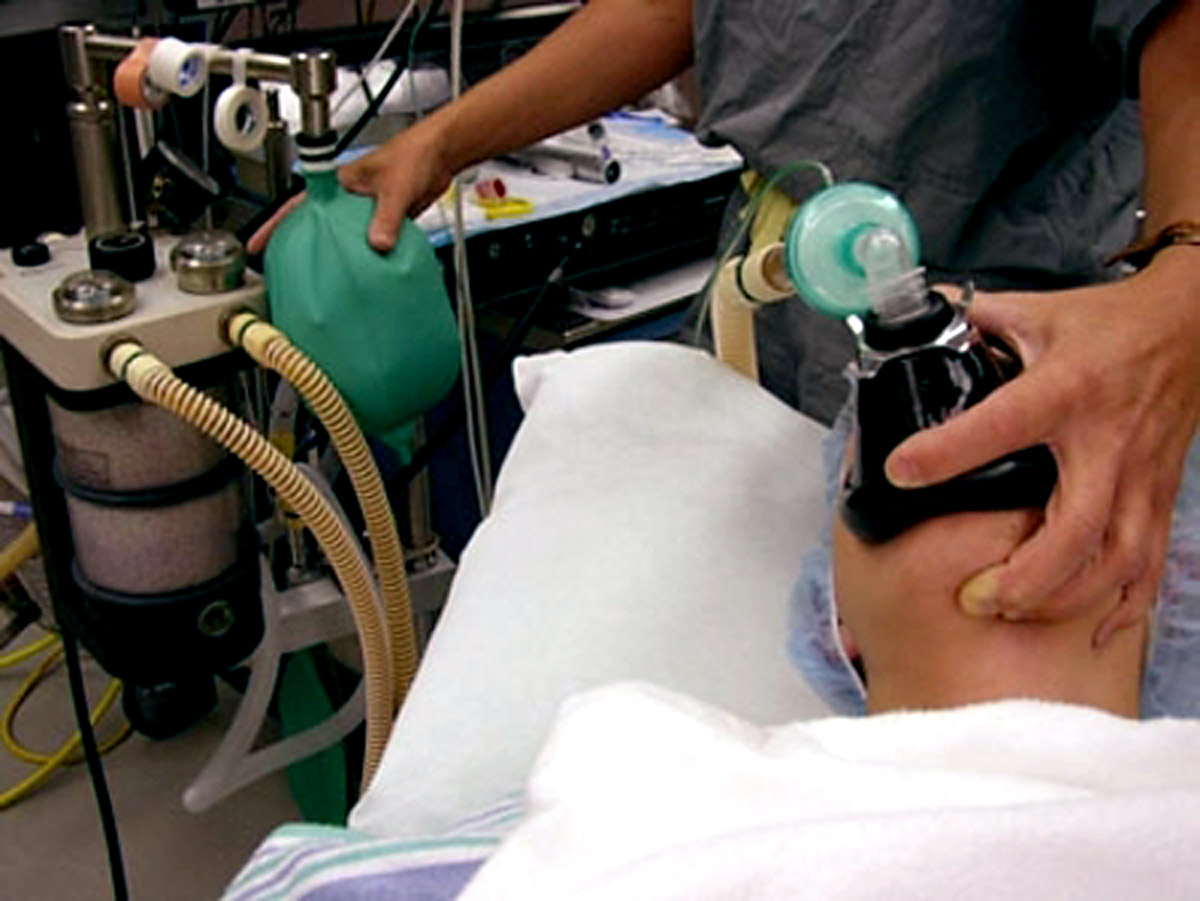
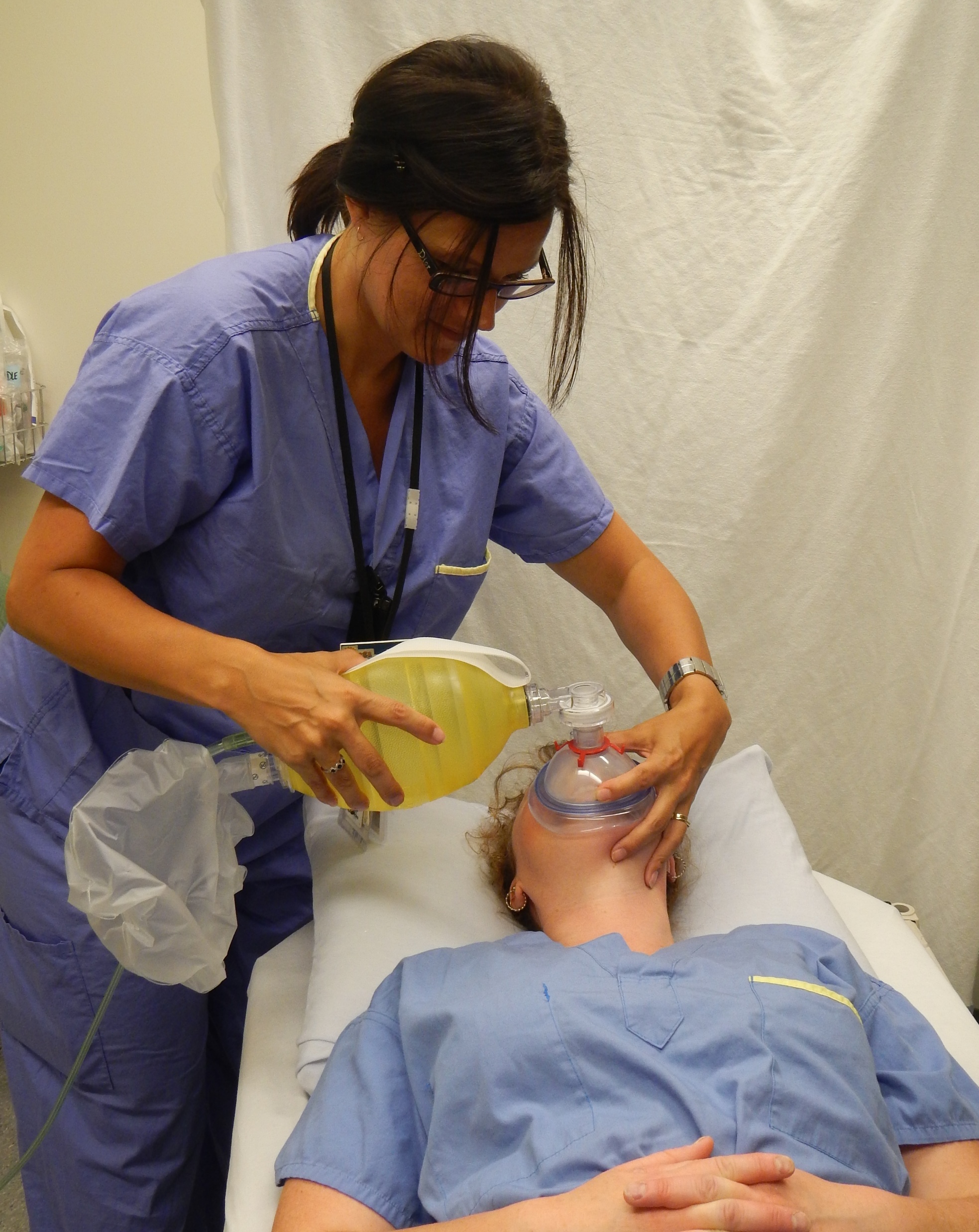
- Step 1: Patients should be placed in a sniffing or ramped position (head tilt/chin lift and/or jaw thrust), in trauma patients suspected for C spine injury, only jaw thrust is done
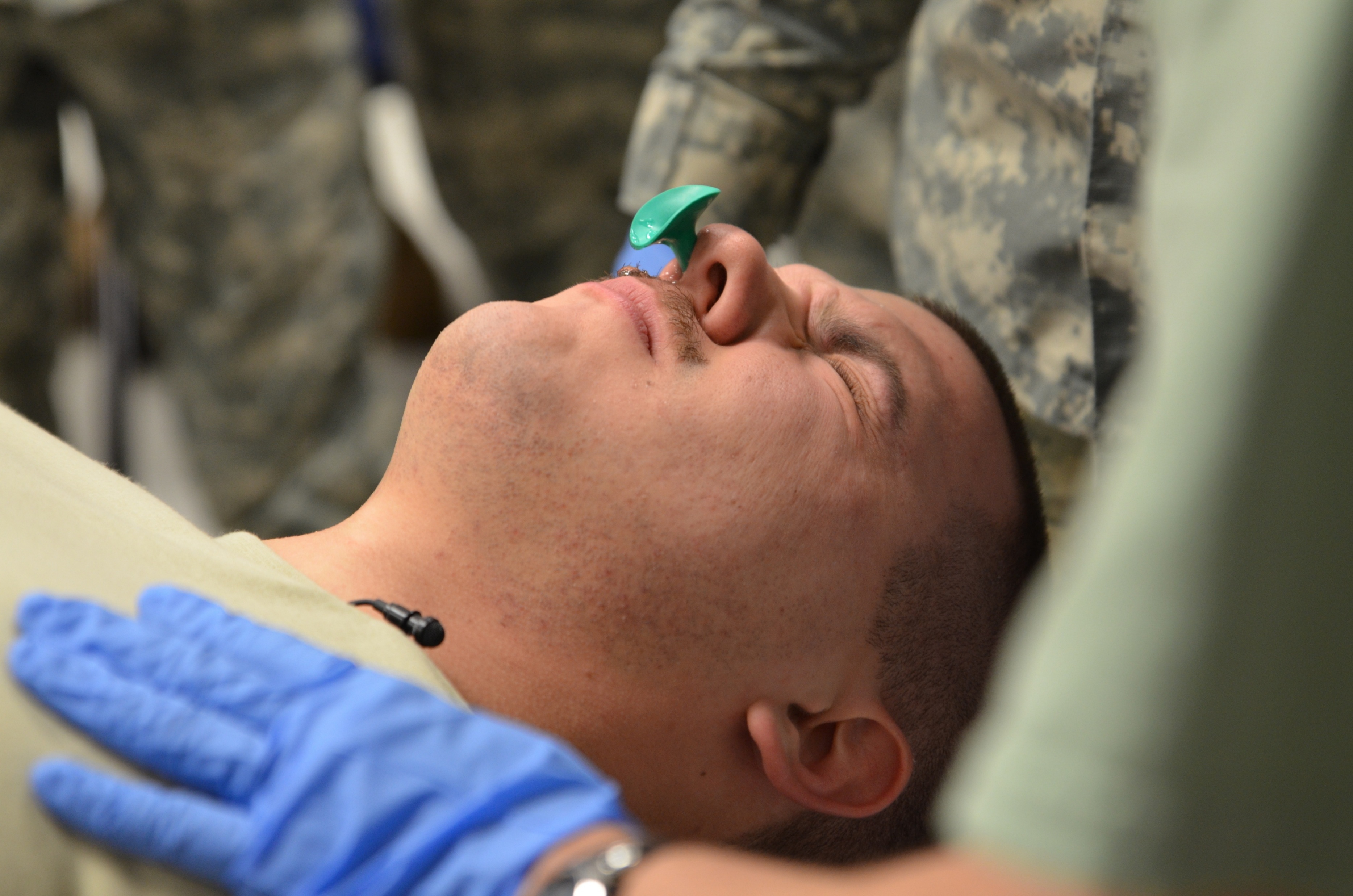
- Step 2: Airway adjuncts should be placed (NPA and OPA if the patient doesn’t have gag reflex)
- Step 3: Apply a properly fitted mask (covers mouth and nostrils without any gaps between the mask and face), there is adult and pediatric masks
- Step 4: make a good seal between the mask and the face. A CE (anesthetist grip) grip can be used, if it is done by one hand and gripped from the side then the mask will tilt to one side allowing the air to leak under the opposite side
- Step 5: Volume, Rate and pressure
- Volume: previously volume per ventilation for adults was 800 ml but recent guidelines suggest a more conservative 6- 8 ml/kg per ventilation (same as the normal tidal volume) ( for an adult weighing 80kg approx. 480- 640 ml per ventilation) and even less for patients with known respiratory illness
- Higher volume than 8 ml/kg would risk gastric insufflation and aspiration, also it leads to hypocapnia and barotrauma to lungs
- In reality, metrics are not that useful because they will vary with each patient weight and lung capacity. So it is best to look for adequate chest rise and fall with each ventilation
Bag valve mask
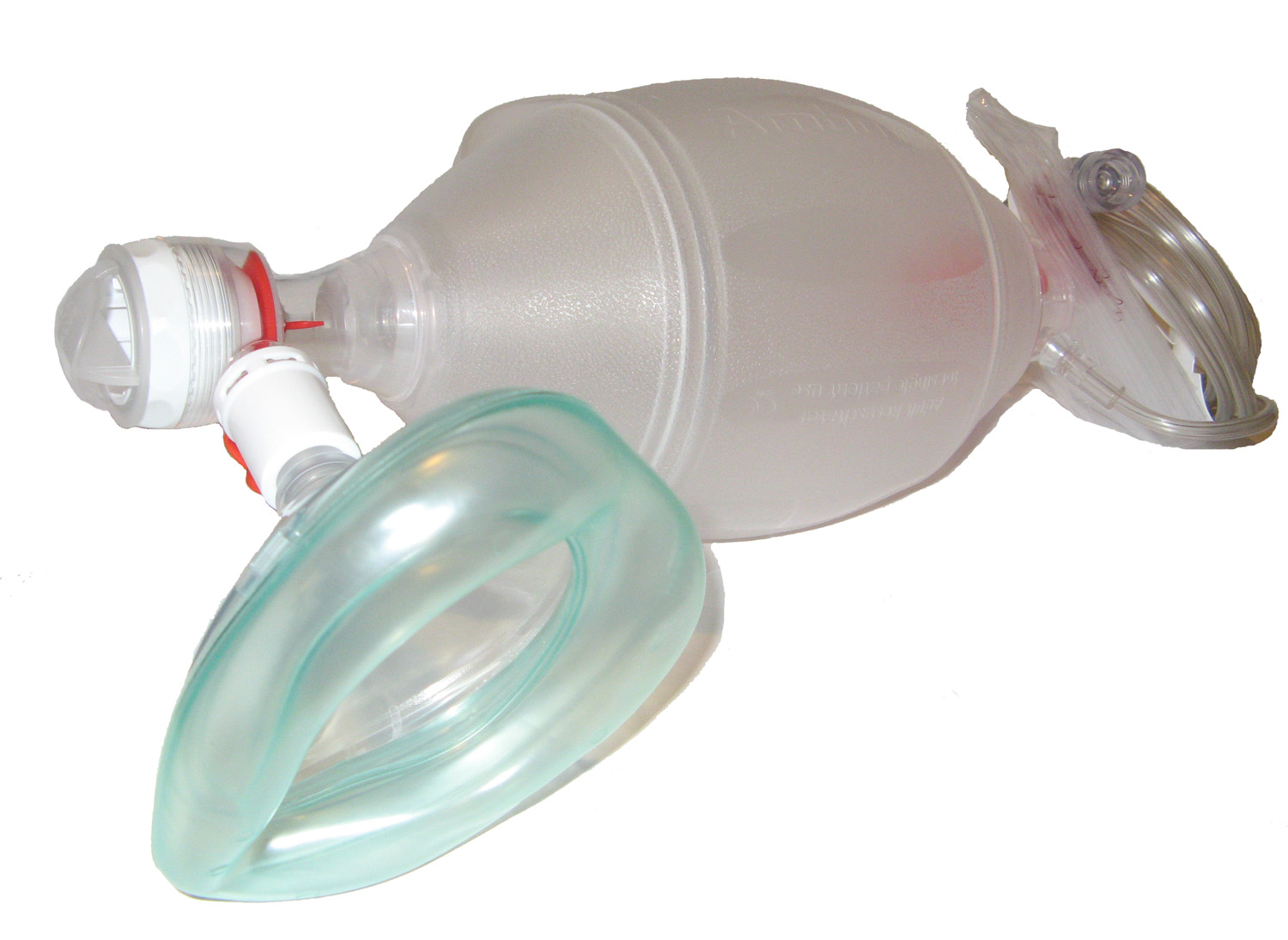
- BVM contain a self inflating bag, attached to a nonrebreathing valve and then to a face mask and an oxygen source which is attached to a reservoir bag
“A good seal”
- If the mask gripped around the lower half of the face then it allows the air to escape through the nasal bridge
- If the mask gripped with a rotated grip (rotated hold) then it provides better seal than both of the techniques mentioned already
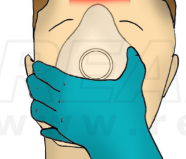
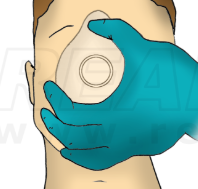
- If two providers are involved then mask ventilation will be more effective, one provider (the operator) can concentrate on their BVM technique while the second provider (the assistant) can use both hands to provide an effective mask seal one the patient face
For the assistant, two grips can be used:
- CE grip
- Thenar eminence grip (TE): it is achieved by using thenar muscles to place downward pressure one the mask while the four finger of each hand pullin the jaw upward
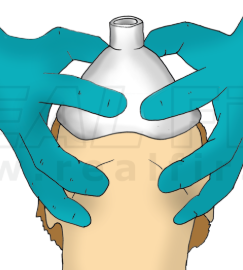
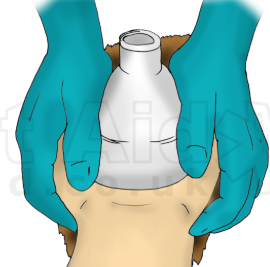
- If you are unable to achieve a mask seal consider placing an extraglottic device if there is no gag reflex or other contraindications or endotracheal intubation
Rate
- For patients in cardiac arrest, current UK and European guidelines recommend inflation duration of one second every 5 seconds resulting in a rate of one complete ventilation every 6 seconds or 10 ventilation in a minute
- For patients breathing spontaneously then the normal resting minute ventilation in humans is around 70- 100 ml/kg/min and it achieved by delivering the normal tidal volume (6-8 ml/kg/ventilation) in a rate of 12- 16 breaths /min (same as normal respiratory rate)
Pressure
- In BVM ventilation it is possible to over inflate the patient by squeezing the bag too hard or too fast or too much
- Inspiratory pressure if exceeds 20 mmHg, this would increase the risk of forcing the air in the stomach (gastric insufflation) and spiration
- Inspiratory pressures should be around 15 mmHg
- BVM that are equipped with a pressure responsive, and flow limiting valves, reduces mean airway pressure thus reducing the risk for gastric insufflation compared to standard bags
PEEP
- Positive end expiratory pressure may be used during BVM to improve oxygenation, PEEP keeps more alveoli open and prevents atelectasis thus improving oxygentation and it also prevent lung injury
- PEEP should be used cautiously in hypotensive or heart failure patients
Difficult BVM
- Characteristic of difficult BVM are collected in mnemonic MOANS
- M Mask seal: facial hair or facial trauma can interfere in achieving adequate seal
- O obesity/ obstruction: obesity means increased soft tissue in the airway and may cause further occlusion when the patient is AMS
- A age: extremes of age can be difficult to ventilate due to anatomic changes
- N no teeth: BVM in no teeth patient is ineffective
- S snoring: snoring means that soft tissues (e.g. tongue) is occluding the airway and airway maneuvers and adjuncts are required
- In difficult BVM , supraglottic airway or intubation is preferred
Complications
Mask ventilation may:
- Accelerate hypoxia if not enough oxygen is provided
- Accelerate hypercapnia if not enough CO2 is removed, leading to brain damage
- Over ventilation can exacerbate existing lung injuries and lead to gastric insufflation and subsequently aspiration
Continue learning
Practice the topics covered in this lecture.