
Pharmacology
Codeine Pharmacology: Mechanism of Action, Therapeutic Uses & Adverse Effects
Source presentation · 3 min read
Edits save on this browser. Download a copy for your records.
Codeine
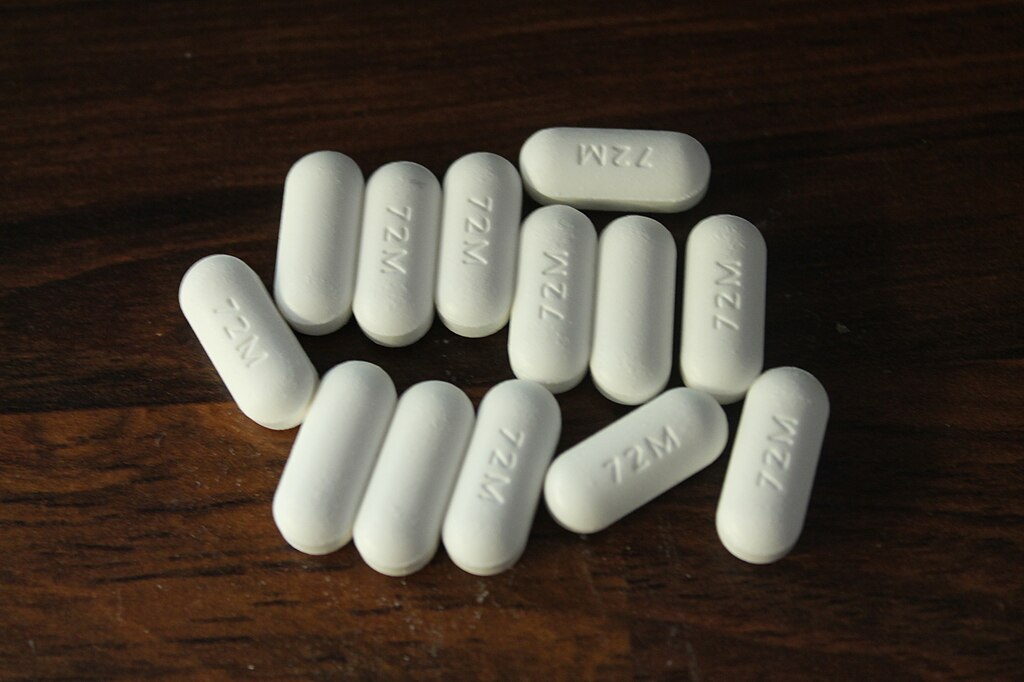
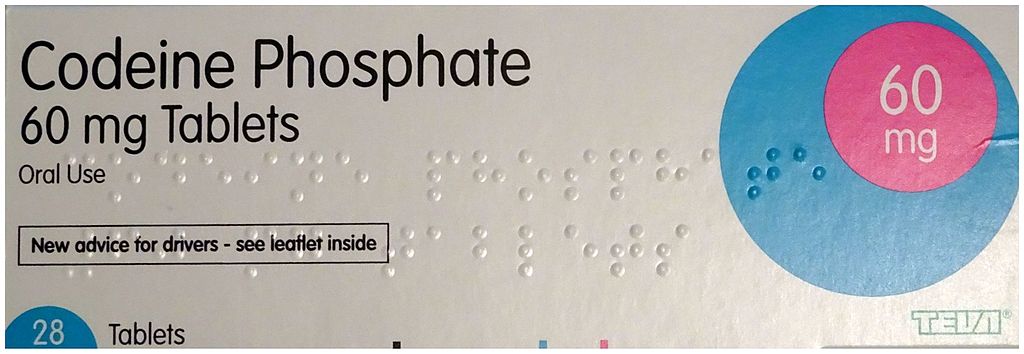
Overview
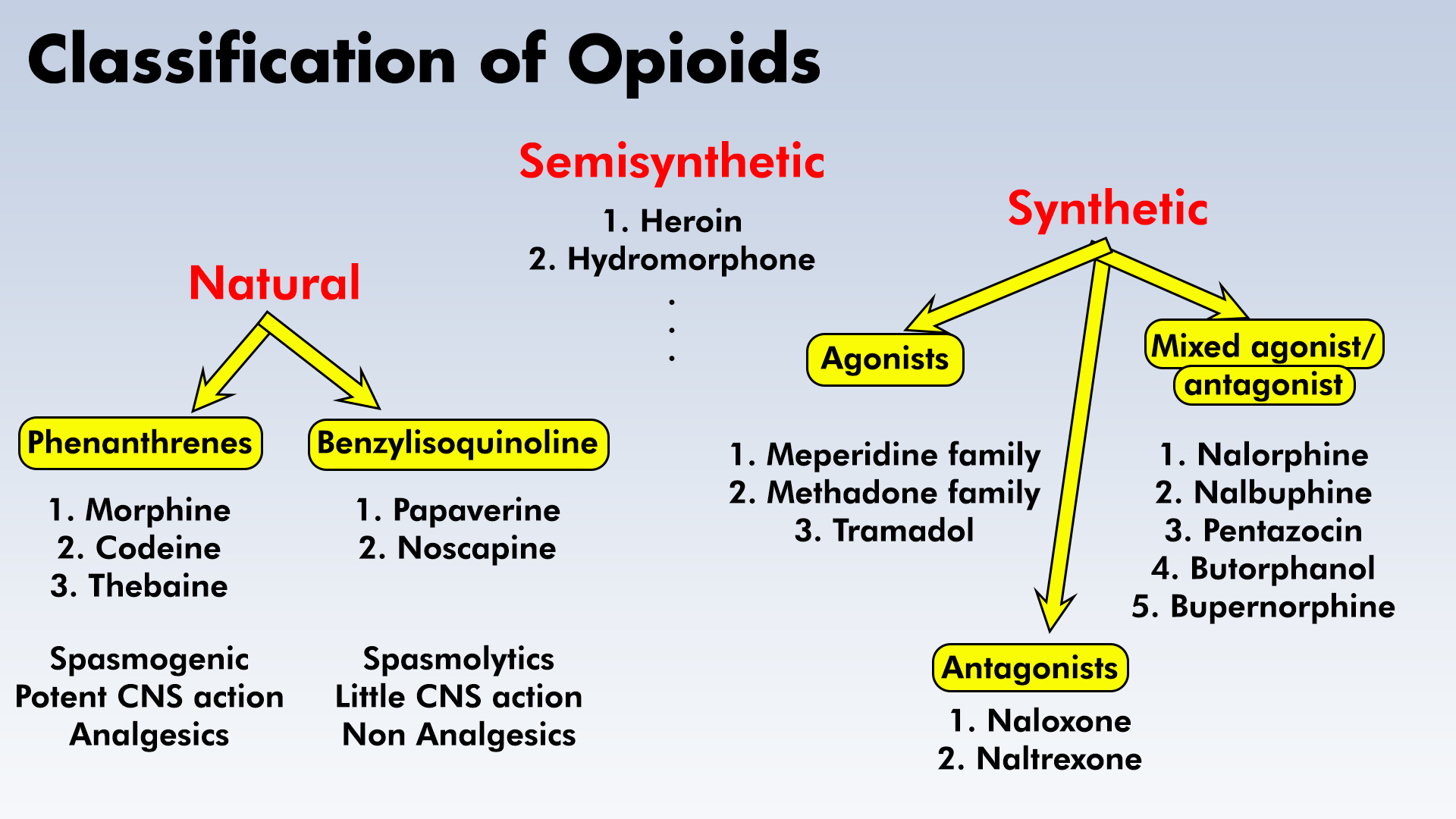
- Opiate from phenanthrenes derived from opium plant
- Codeine is prodrug of morphine (methyl morphine)
- It is the most commonly used opioid


Pharmacokinetics
- Mainly available as oral formula
- Good absorption with Oral bioavailability of 90% which is higher than the morphine bioavailability due to less first pass effect (due to the methyl group in the codeine make it lipid soluble )
- Metabolized by liver
- Excreted through renal and biliary routes
- It can work by two ways, either it works as methylmorphine and activate opioid receptors or work as a morphine when it gets metabolized by the liver
- Conversion to morphine is variable in different people, the average is 10%
Mechanism of action
- Codeine work as agonist on the Mu (μ) opioid receptors
Pharmacologic Effects
Activation of these opioid receptors lead to several CNS effects:
- Analgesia
- Euphoria
- Sedation
- Respiratory depression
- Cough suppression
- Miosis
- Nausea and vomiting
- Pruritus
Activation of these opioid receptors lead to several peripheral effects including:
- CVS
- GIT
- RS
- Renal
- Endocrine
- Immune
- Analgesic potency is 10% of the morphine potency and it is variable in different people depending on the capacity of converting the drug into morphine
- More potent cough suppression
- It has little euphoric effect compared to morphine
- Most of the systemic effects of codeine are due to conversion in the liver into morphine by demethylation because codeine is methylmorphine
Therapeutic uses
- Analgesic for mild to moderate pain, combined with paracetamol or NSAIDs or aspirin to give better analgesia
- Central antitussive (anti cough), not used in children younger than 12
- Used to treat diarrhea, but there is better alternatives like loperamide and diphenoxylate
Adverse effects
- Less than morphine
- Mainly constipation
- Respiratory center depression
- Physical dependence
- Tolerance and Addiction
Comparison between morphine and codeine
| Morphine | Codeine | |
|---|---|---|
| Oral bioavailability | 25% | 90% |
| Analgesic effects | Strong | Weak (10%) |
| Antitussive effect | Weak | Strong |
| Uses | Analgesic, pulmonary edema | Analgesic and antitussive |
Continue learning
Practice the topics covered in this lecture.